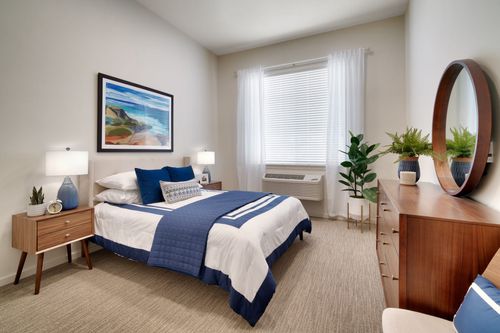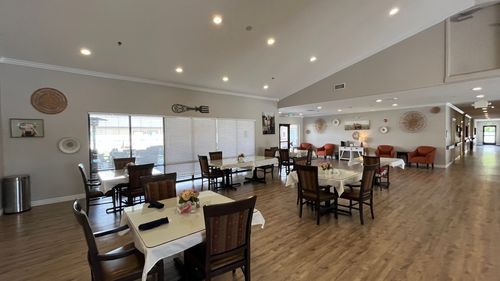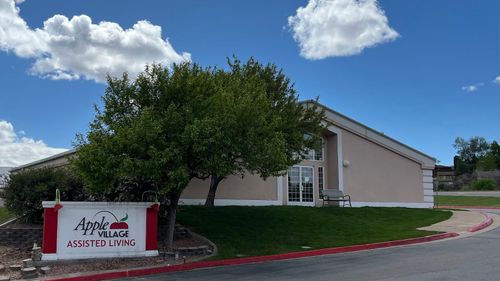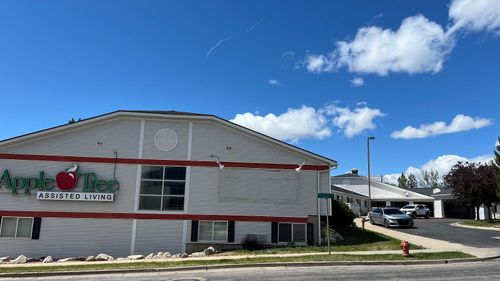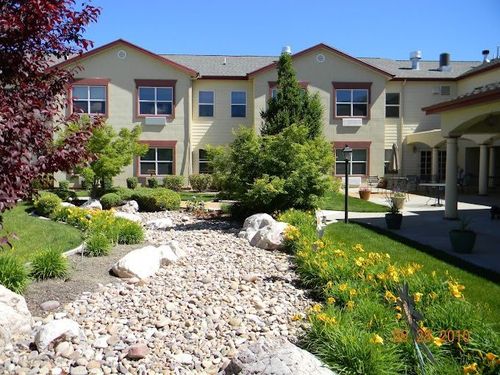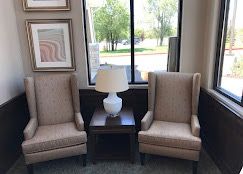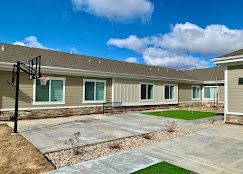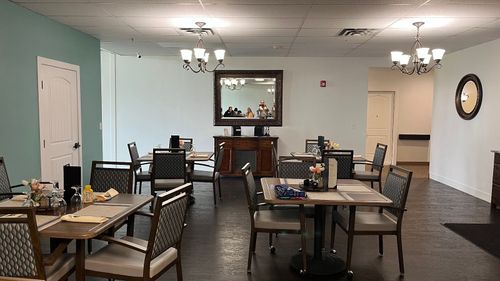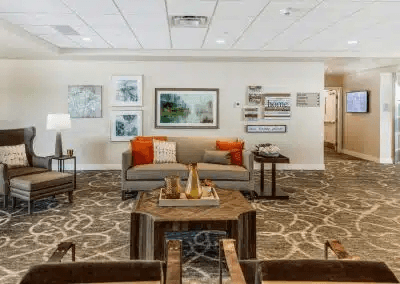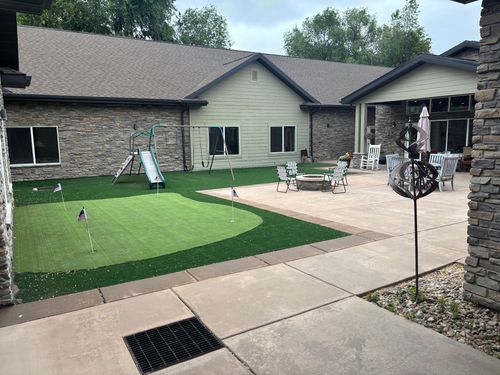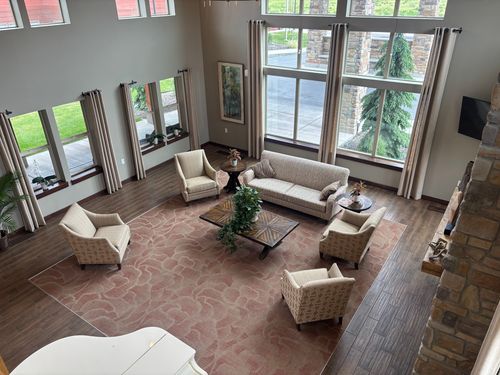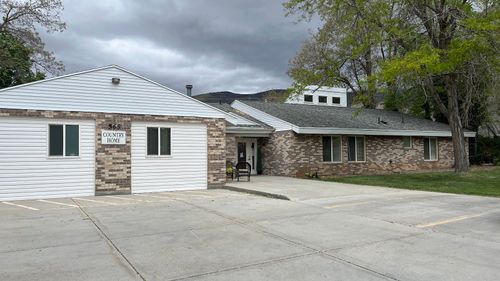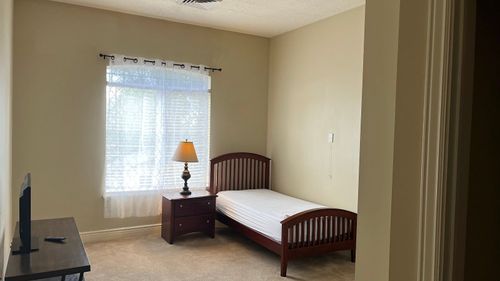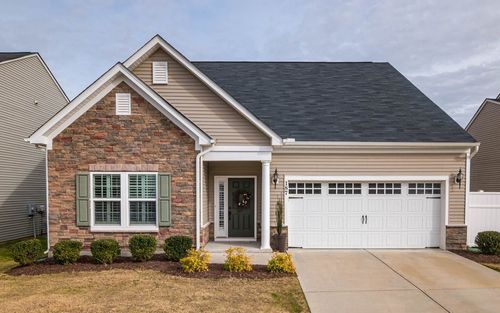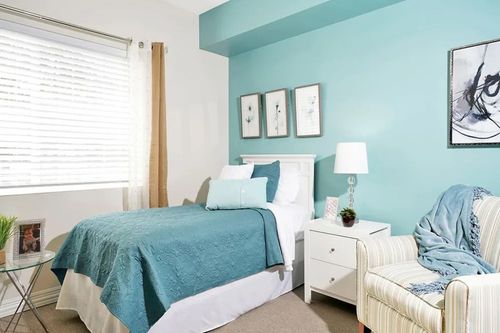

Clearfield's memory-care capacity centers on Chancellor Gardens of Clearfield's 30-apartment secured neighborhood, one of the largest dedicated dementia footprints in Davis County. The neighborhood pairs alongside the assisted-living wing inside the 152-apartment Chancellor Gardens campus, but the secured side operates as a structurally distinct space with its own staffing rotation, perimeter design, and engagement activities calibrated to dementia residents. The 30-apartment scale matters specifically for families navigating dementia care because the deeper staffing it supports differs from what a smaller 15-to-20-apartment secured wing typically carries.
The building combines features that rarely sit together at the Wasatch Front secured-care level: Aging Waiver participation runs on the dementia neighborhood itself rather than only on the assisted-living side, pet acceptance extends to the secured zone, and VA Aid & Attendance applies for qualifying Hill Air Force Base-retiree households on top of either funding path. Each of those features alone would be notable; the combination makes Chancellor Gardens an unusual regional resource for Davis County dementia families.
Inside the Chancellor Gardens Secured Neighborhood
The 30-apartment secured side runs with dementia-trained caregivers across each shift, awake licensed clinical presence through the overnight hours, and the secured-environment physical-plant features that state licensing requires for dedicated memory-care neighborhoods. The deeper staffing rotation the larger neighborhood scale supports means a more consistent care experience when individual caregivers are out, which is often a real concern at smaller secured-wing scales where one or two absences are felt across the resident population immediately.
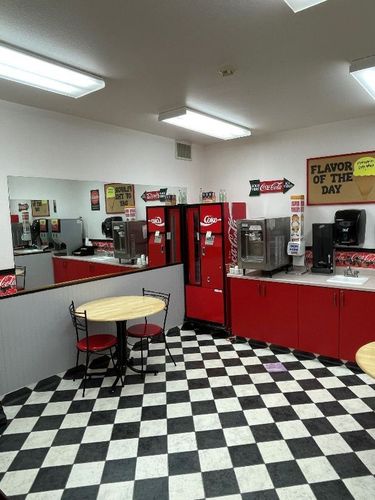
The engagement activities is calibrated to the dementia population specifically. The pet-friendly policy on the secured side reflects a deliberate decision to keep family pets in the resident's daily life when human recognition has begun to fade. The dining program runs inside the secured-side perimeter so residents take meals without navigating door codes or perimeter transitions.
Cost and Coverage
Chancellor Gardens's secured memory-care apartments in 2026 run roughly $4,400 to $6,200 monthly. The figure sits above the building's assisted-living rate to fund the secured-side staffing pattern and physical-plant features. Apartment size shapes most of the spread inside the band; above-baseline behavioral or supervision needs push toward the upper end.
The Aging Waiver coverage on the secured side is the financial differentiator for Clearfield families compared to most Wasatch Front dementia-care buildings. Once eligibility activates, the Waiver covers a portion of the personal-care charges, which can lower the household's effective monthly cost meaningfully. Move-in fees on the secured side fall $1,000 to $3,800, with respite stays priced at $180 to $250 per night. VA Aid & Attendance layers on top for qualifying military-retiree households.
Hill AFB Influence on the Dementia Caseload
Clearfield's role as Hill Air Force Base's primary west-side bedroom community shapes the dementia caseload at Chancellor Gardens in specific ways. A meaningful share of secured-side residents are Hill AFB retirees or DoD civilian retirees, including some whose cognitive trajectories include service-related risk factors such as the post-traumatic and TBI-related patterns that appear in some Cold-War-era and post-9/11 veterans. The Veterans Affairs healthcare network coordinates with the building's clinical team on these cases, which is meaningful for families navigating both the dementia care and the VA-side medical management.
Apartment turnover on the secured side typically follows the four-to-six-week cycle for standard configurations, with the Waiver-funded rotation running on timing shaped by both the building's vacancies and the state's eligibility processing.
Why Families Choose Memory Care in Clearfield
The Aging Waiver coverage on the secured neighborhood is the practical reason many Davis County and broader Wasatch Front Medicaid-track dementia-care families consider Chancellor Gardens specifically. The combination of Waiver coverage, pet acceptance, and the deeper staffing the 30-apartment neighborhood supports creates a building option that holds families inside the secured-care system rather than forcing a step-down to home-based care that cannot safely manage dementia.
For Hill AFB-retiree households, the building's location and the broader community fabric around the base anchor the dementia-care decision. Holy Cross Davis Hospital seven minutes east handles the medical events that surface in dementia care (behavioral situations, urinary infections that present as confusion, medication-interaction issues, post-fall workups), with TRICARE coordination running alongside the building's clinical relationships. McKay-Dee Hospital fifteen to eighteen minutes north handles higher-acuity escalations.
What a Local Advisor Brings to Clearfield
A Clearfield memory-care conversation typically opens after a dementia diagnosis has crossed the threshold where home overnight supervision is no longer safe, where wandering has shifted from theoretical to active, or where a primary caregiving spouse has reached the limit of what they can sustain alone. The advisor's first move is reading Chancellor Gardens's secured-neighborhood availability against the family's timing, with the Waiver-funded rotation often the binding factor for Medicaid-track households.
For families whose dementia profile has progressed past what Chancellor Gardens's 30-apartment scale can hold safely (significant aggression, daily one-on-one specialized intervention, advanced physical-care intensity approaching nursing-facility level), the advisor brings broader Davis County secured-wing alternatives into the comparison. For Hill AFB-retiree households where VA Aid & Attendance has not started, the advisor coordinates the application with the building search since the timing of the VA's three-to-six-month processing meaningfully affects the household's effective cost when the resident moves in.
Reaching out before the diagnosis turns the home situation into a same-week placement preserves the room to coordinate Waiver eligibility and VA application alongside the apartment timing. Talk through a memory-care plan with the advisor when the diagnosis begins shaping the household's daily life, or browse our directory for the broader Davis County dementia-care context.