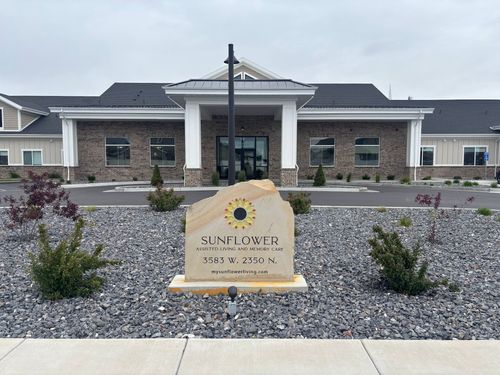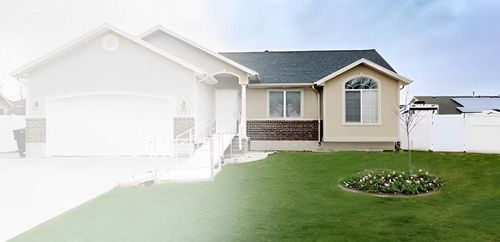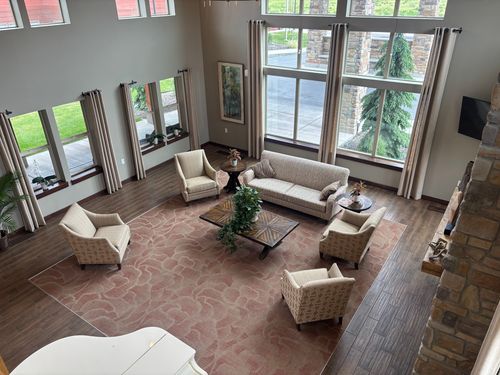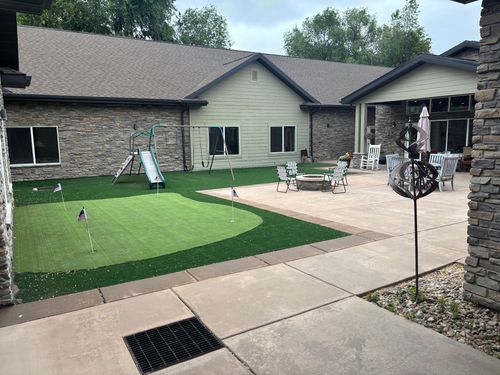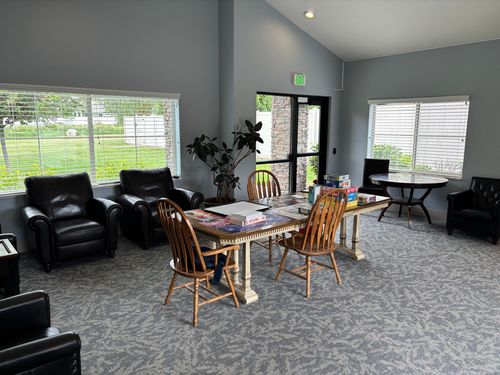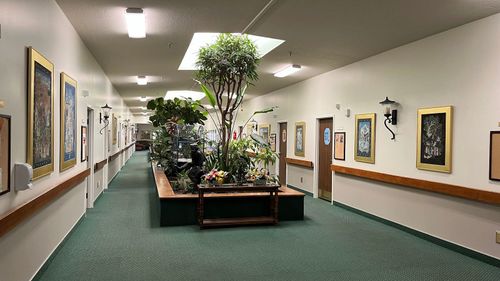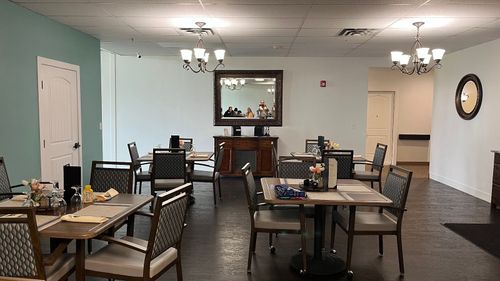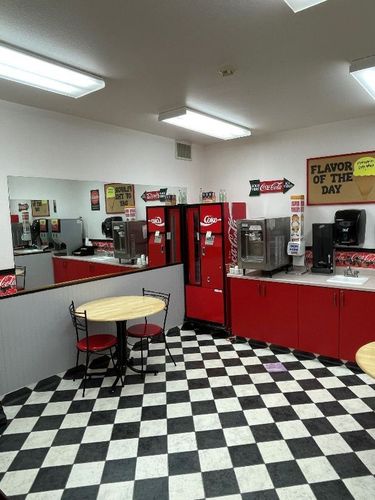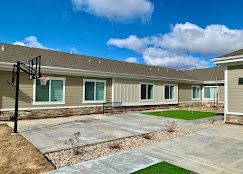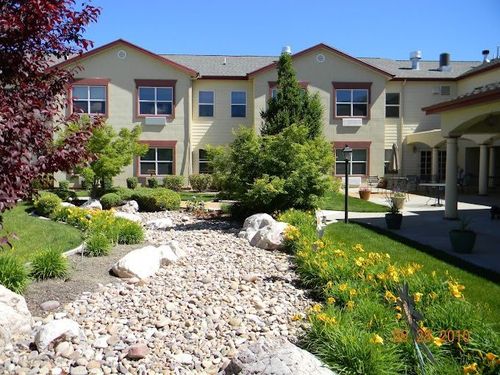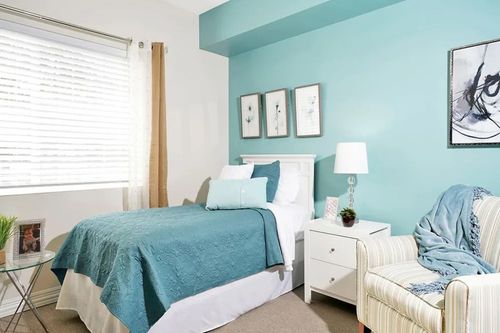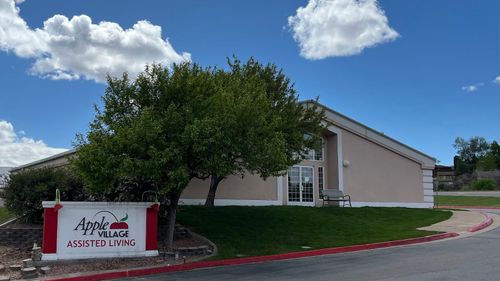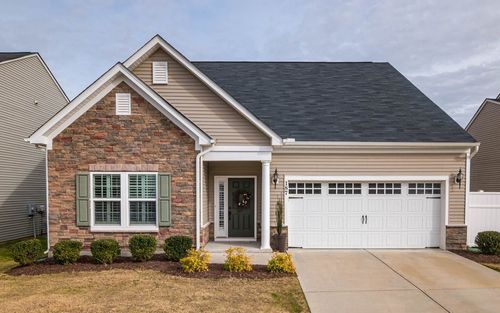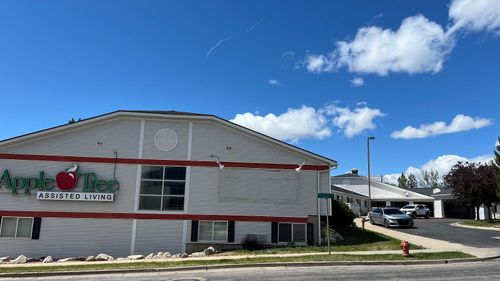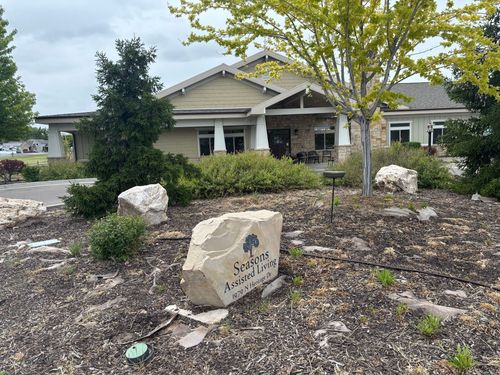

Seasons of Farr West, a 28-apartment Wasatch Senior Living building on North Heritage Drive, is the city's only published assisted-living address, and it carries an active Aging Waiver contract. Farr West itself, named in 1890 for LDS leaders Lorin Farr and Chauncy West, has stayed a quiet north-Weber bedroom city around the Smith & Edwards surplus-and-ranch destination open since 1947, and roughly twelve to thirteen percent of its 8,400 residents are sixty-five or older.
The combination here is unusual on the Wasatch Front: Medicaid-track Waiver coverage at a small-residential 28-apartment scale, under a multi-location Utah brand. Most Waiver-friendly buildings run much larger, and most Wasatch Senior Living settings sit in larger formats too, so Seasons keeps a meaningful local option open for households that would otherwise leave the corridor.
Daily Support and the Resident's Independence
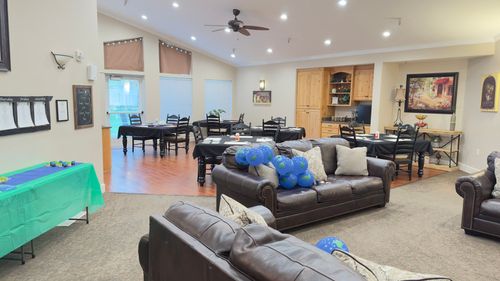
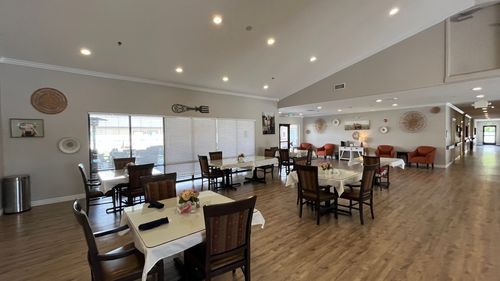
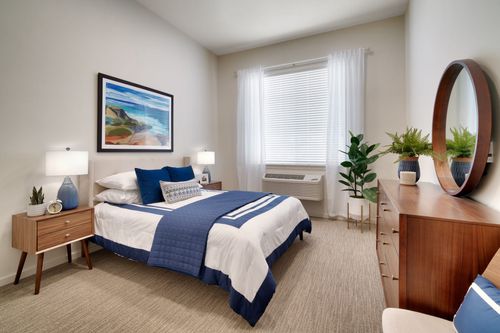
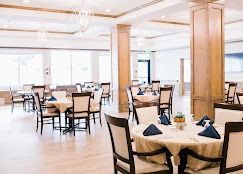
A 28-apartment footprint means one dining room with one or two seatings, a stable rotation of caregiver names that residents learn quickly, and an activity calendar paced to a small group rather than a 100-resident campus. Wasatch Senior Living's broader Utah footprint flows in through shared care-planning approaches and clinical leadership, which is depth a standalone building at this size could not reach.
Day-to-day support covers scheduled medication passes, bathing fit to the resident's preferred timing, and a caregiver's arm for dressing or the short walk to the dining room when steadiness needs a hand. McKay-Dee Hospital fifteen minutes south in Ogden handles most clinical work the building does not manage in-house, including the Heart and Vascular Institute, Huntsman-Intermountain Cancer Center, and McKay-Dee Spine Institute that many longtime Farr West residents have already used for years.
Pricing and Affordability
Assisted-living rent at Seasons in 2026 runs roughly $4,400 to $5,400 monthly. The starting figure tracks the Weber County range; apartment configuration, the move-in clinical care-tier rating, and any opt-in services shape where a specific household lands inside that band. Move-in fees come in between $1,000 and $3,500 by apartment, a couple sharing one apartment pays an additional $600 to $900 each month, and short-stay respite runs $160 to $220 a night.
Waiver coverage is the real financial differentiator here. Once a household clears Utah's clinical and financial screens, the program offsets a portion of the personal-care charges that would otherwise sit on the monthly statement, which can meaningfully reduce the household's out-of-pocket figure. Waiver-funded apartments at Seasons cycle through eligible residents as openings emerge, paced by both building vacancies and state processing timelines.
A Long-Tenured Bedroom City
Farr West's senior population is mostly multi-decade households whose ties to the area predate the city's recent infill. Smith & Edwards's continuous run since 1947 still anchors a meaningful piece of the local commercial fabric, and the bedroom-city pace has stayed quieter than the Roy or Layton commercial corridors. About 1,000 of the city's 8,400 residents are sixty-five or older in 2026.
Apartment turnover at Seasons follows individual resident transitions rather than a regular arrival cycle, so any single opening carries weight. The Waiver-funded rotation moves on a separate cadence, shaped by both vacancy timing and state eligibility processing.
Why Families Choose Assisted Living in Farr West
The Aging Waiver plus smaller-residential setting is the distinctive pitch for Seasons. Medicaid-track Weber County households keep the option of staying inside a small-scale assisted-living setting rather than relocating to a larger Wasatch Front campus where the daily rhythm runs differently, and long-tenured Farr West families whose ties run through the 1890-era city blocks and the broader north-Weber fabric also preserve their daily routine in a way a Roy or Ogden relocation cannot match.
McKay-Dee's specialty depth fifteen minutes south matters specifically because many longtime residents have built primary-care and specialty relationships there across years, and staying at Seasons keeps those geographically reachable.
What a Local Advisor Brings to Farr West
Farr West's small-bedroom-city character shapes the assisted-living conversation in a way the larger Weber County corridor cities do not, because the only published in-city building runs at twenty-eight apartments and the next-nearest Waiver-friendly inventory sits a fifteen-to-twenty-minute drive south through Roy and Ogden. Households here typically work through the slow accumulation (home routines slipping a little at a time, the household-management load crossing from manageable into draining) until they decide together that Seasons deserves a serious look. The advisor's first move is reading Seasons's apartment availability against the household's timing, with Waiver-funded openings typically the binding constraint for Medicaid-track families.
When the building fits, the conversation moves quickly. When timing or the small-residential scale does not match the situation, the advisor pulls broader Weber County alternatives into the call, including the Ogden corridor's dementia-care inventory inside a fifteen-to-twenty-minute drive south for families anticipating a future memory-care transition that Seasons cannot accommodate.
Reaching out early leaves room to coordinate Waiver eligibility alongside apartment timing. Call to talk it through with an advisor when assisted-living planning begins shaping the family's calendar, or browse our directory for the broader Weber County context.