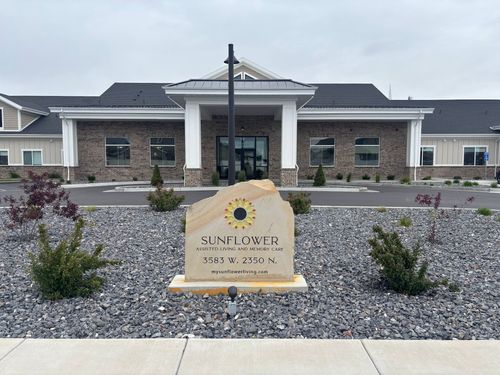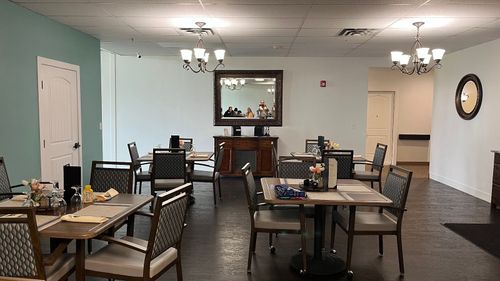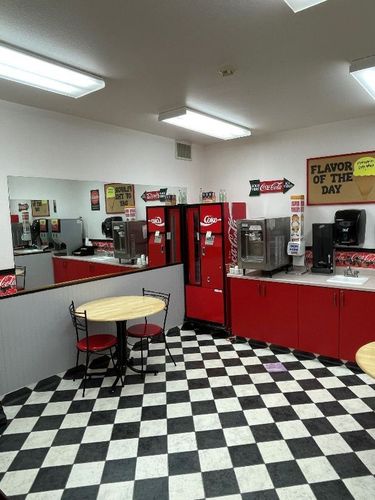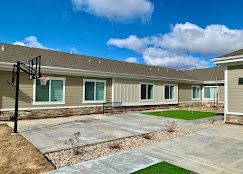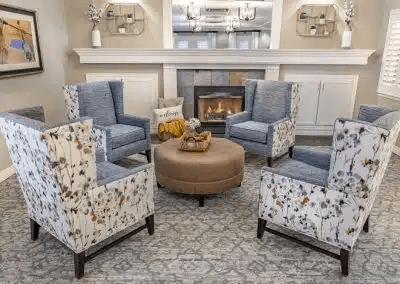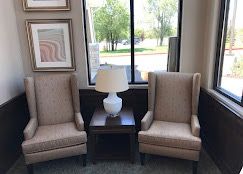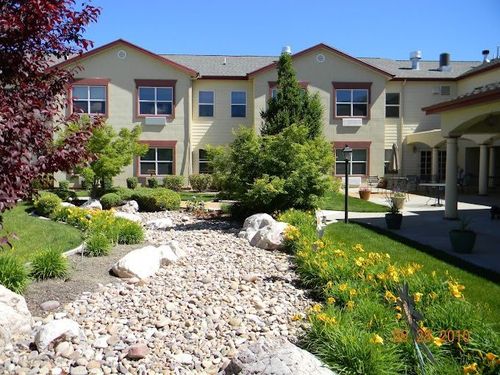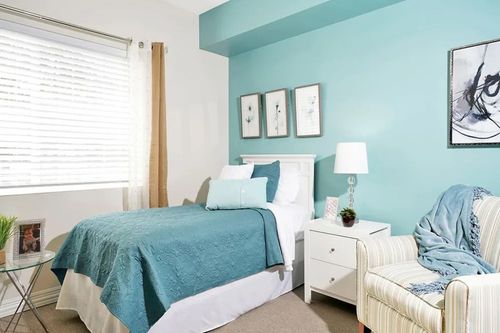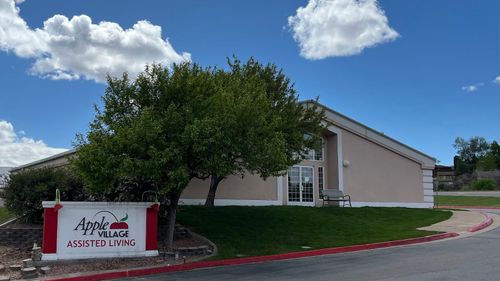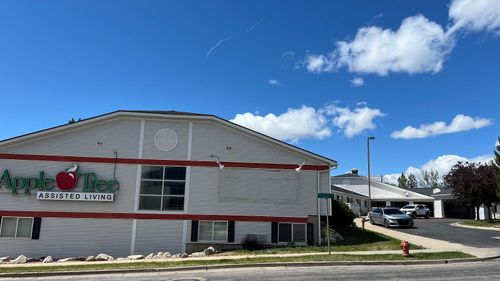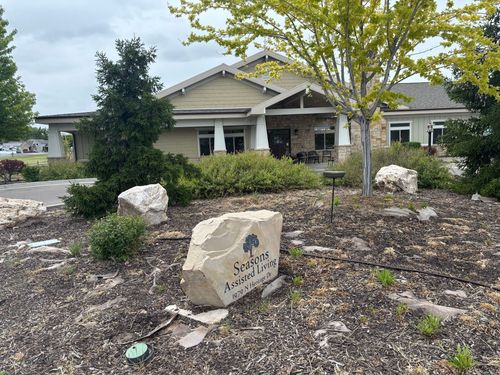

Farr West holds one published senior-living address, Seasons on North Heritage Drive, and no dedicated secured memory-care building. The 28-unit Wasatch Senior Living community runs an assisted-living license with active Aging Waiver participation, and dementia-friendly support lives inside that license rather than in a fenced-off wing. For a household here weighing where a parent with cognitive change should live, the question divides cleanly: stay close at Seasons for the earlier-stage window, or commit to a short southbound drive to the dedicated neighborhoods that sit between Pleasant View and central Ogden.
That split is normal on the north end of the Wasatch Front. Small bedroom cities rarely justify the construction cost of an awake-overnight secured-perimeter building, so the dementia-side inventory consolidates along the broader corridor. Farr West's value in the conversation is that it lets a family delay the move south, sometimes by years, when the cognitive picture still suits a small-community setting.
What Dementia Care Looks Like at Seasons
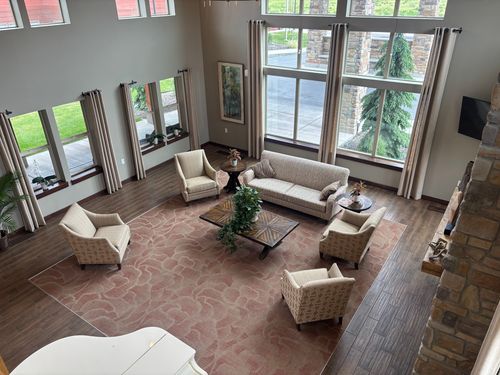
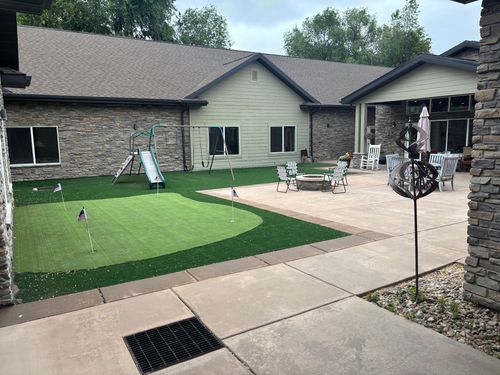
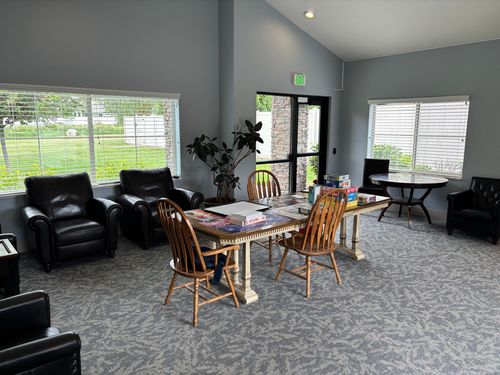
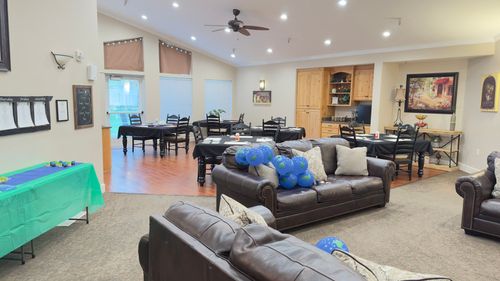
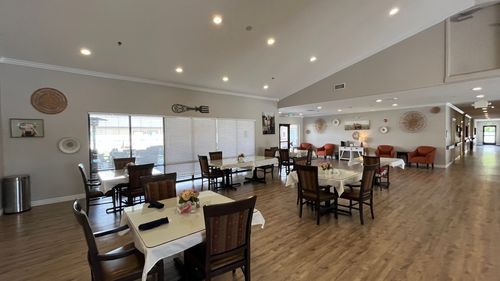
The 28-unit footprint means caregivers know each resident by name and the activity calendar can be retuned around what the current group actually enjoys. Wasatch Senior Living's broader network brings standardized dementia training and care-planning practice into the building, which is depth a freestanding house this size could not reach alone. For a resident still tracking conversations and recognizing close family, the household feel of Seasons often extends the at-home rhythm in a way a larger campus would not.
What the building is not built to be is a secured-perimeter setting. Seasons does not staff an awake clinical desk overnight, the doors are not coded for wandering control, and the floorplan does not loop residents back from outside exits. Once a parent begins stepping out at odd hours, sundowning into pacing late afternoons, or needing redirection through the night, the structural fit at Seasons ends, and the conversation turns south.
Cost and Coverage
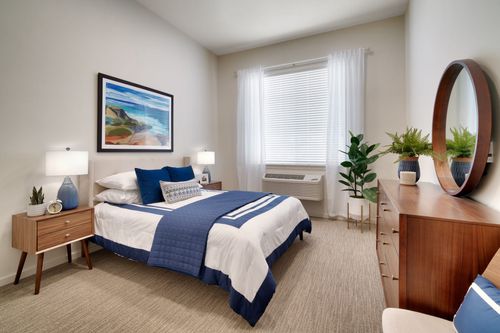
A Seasons apartment with dementia-friendly support runs $4,400 to $5,400 a month across 2026, the same band the building publishes for its assisted-living service. The Aging Waiver is the standout financial element here. Once Utah's clinical reviewer rates the resident at the program's nursing-facility threshold and the household income picture clears the published caps, the Waiver carries a slice of the personal-care line and pulls the monthly out-of-pocket down meaningfully.
Move-in fees fall $1,000 to $3,500. A couple sharing an apartment pays $600 to $900 more each month. The Ogden-corridor secured neighborhoods south usually price $5,200 to $6,800 monthly; that premium covers the awake clinical presence held through overnight hours plus the perimeter and floorplan features Utah licensing requires for a dedicated dementia building.
A North-Weber Senior Picture and an Ogden-Side Inventory
Farr West reads as a quiet city of multi-decade households sitting alongside newer arrivals who pushed in around Smith and Edwards and the I-15 access. Roughly 1,000 of the 8,400 residents are past sixty-five in 2026, and roughly one in nine of those carries a dementia diagnosis, which gives the city around 100 to 110 active cases at any time.
Most of those households eventually meet a dementia setting south rather than locally. Four dedicated neighborhoods inside a fifteen-to-twenty-minute drive absorb the Weber County demand: Auberge at North Ogden, Hidden Valley Senior Living, Spring Gardens of North Ogden, and Legacy House of Ogden. Standard apartments at the larger of those buildings typically open on a four-to-six-week wait, with the smaller houses turning on individual transitions.
Why Families Choose Memory Care Locally
Keeping a parent inside the Weber County fabric carries unusual weight in dementia care. Moving someone with cognitive impairment into a place they cannot read amplifies the disorientation the disease already produces. Adult children, grandchildren, and longtime ward and primary-care relationships across Plain City, Roy, Pleasant View, and Ogden sit inside the same fifteen-to-twenty-minute drive that holds the corridor's dementia neighborhoods, which keeps the weekly visit pattern intact rather than collapsing it into a rare weekend trip.
The McKay-Dee Hospital campus in Ogden anchors the medical side. Urinary infections that show up as sudden confusion, post-fall workups, medication interactions, and same-day behavioral evaluations all route there for both Seasons residents and the corridor dementia buildings, which preserves the primary-care relationships many longtime Farr West families have built across years.
What a Local Advisor Brings to Farr West
The first useful thing an advisor does on a Farr West dementia call is give an honest read on stage. If the resident still suits a small-community assisted-living-with-dementia-support format, Seasons stays on the shortlist, and the Aging Waiver pathway can absorb part of the cost. If the picture has already moved into wandering risk or unreliable nights, Seasons drops off the list and the corridor neighborhoods south become the working set, with each building's current secured-side availability and Waiver intake checked against the family's window.
That stage read also shapes the financial side. Long-term-care insurance, Veterans Aid and Attendance, and the Waiver each have different triggers, and which one moves first depends on the household. Reaching out before a McKay-Dee discharge tightens the planning window opens a wider shortlist than a same-week placement search produces, and a planning conversation early in the diagnosis tends to surface both the building question and the financial picture together rather than in sequence.