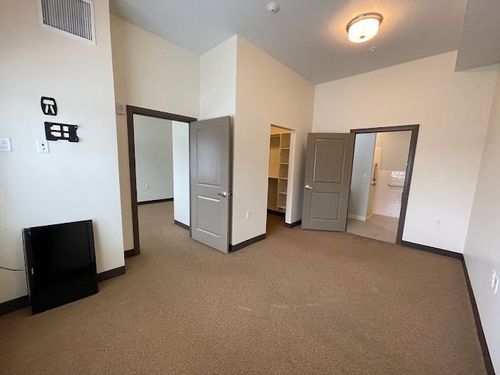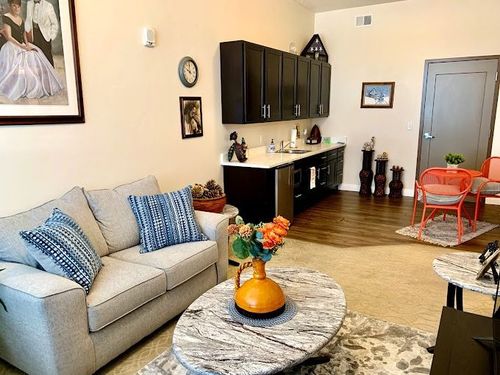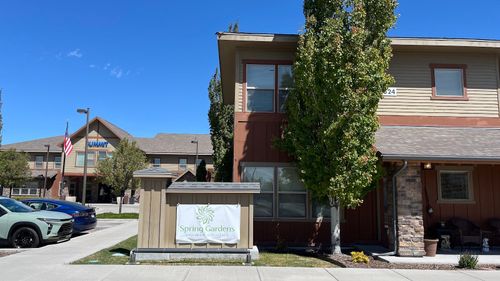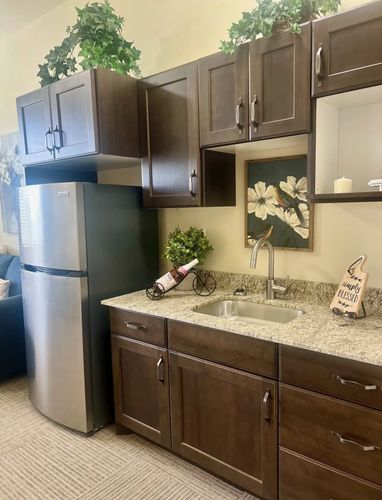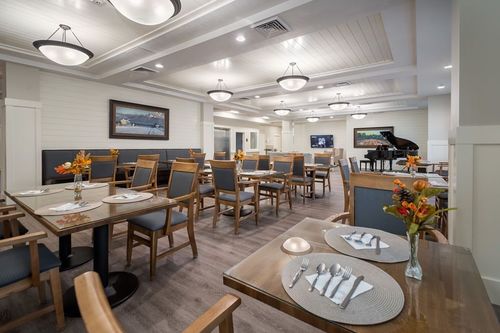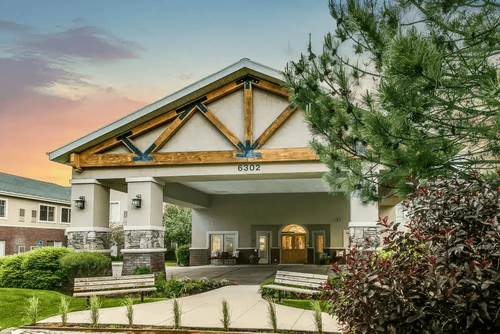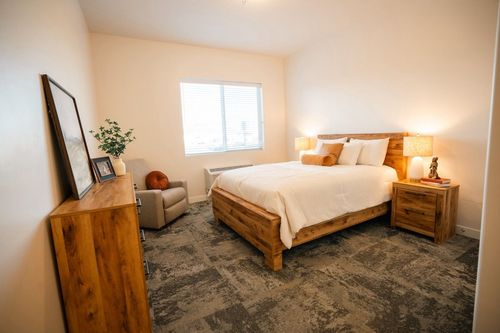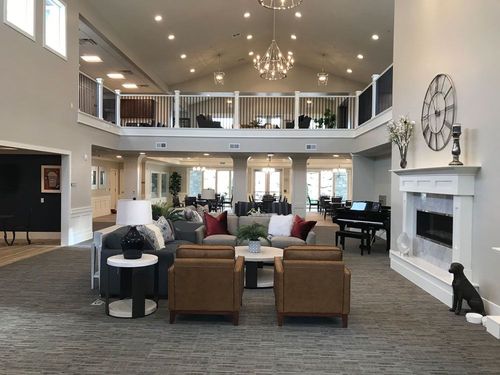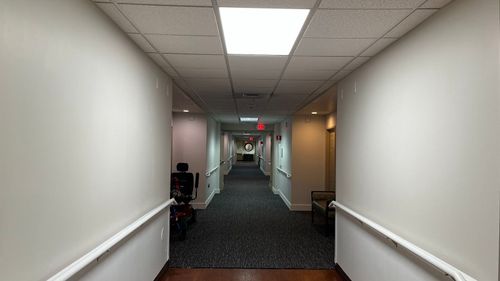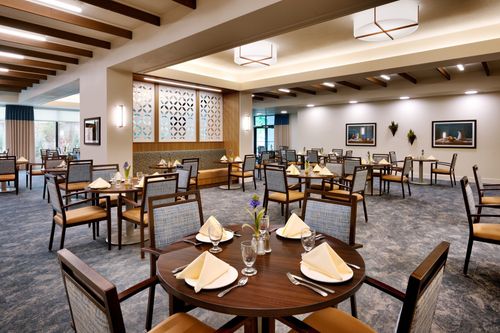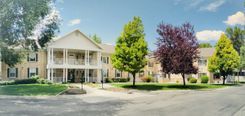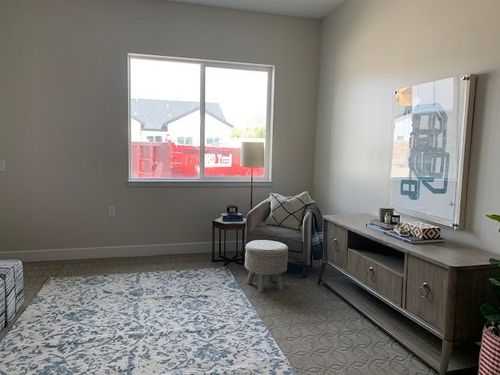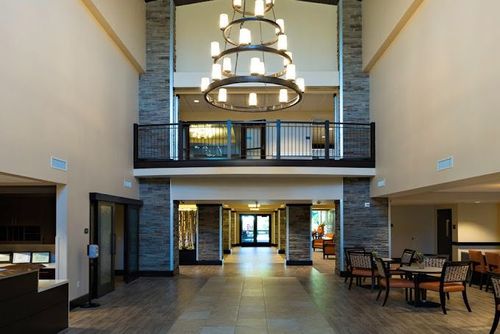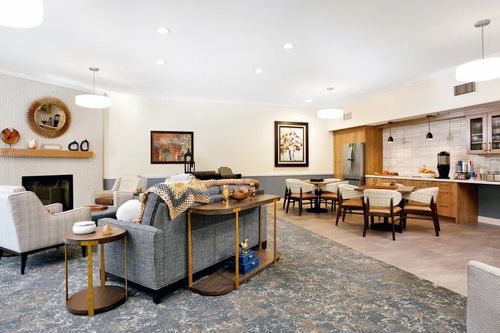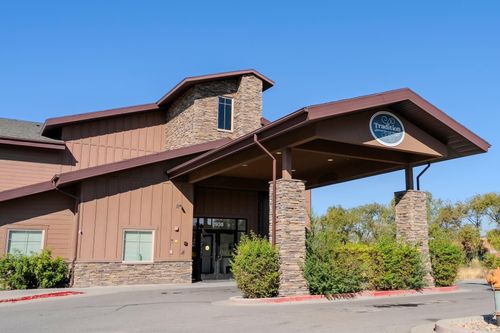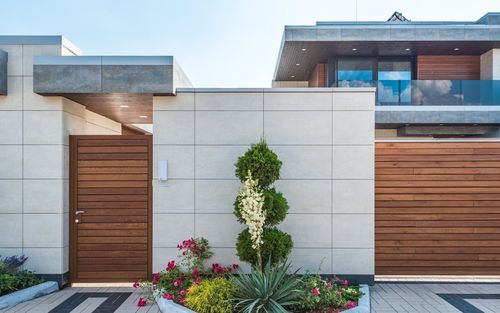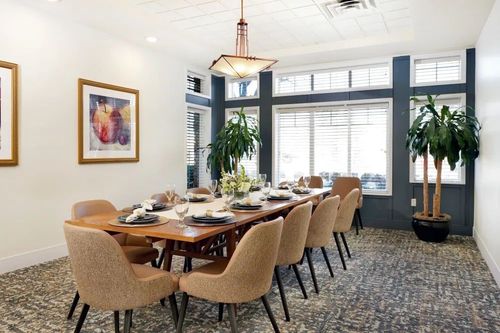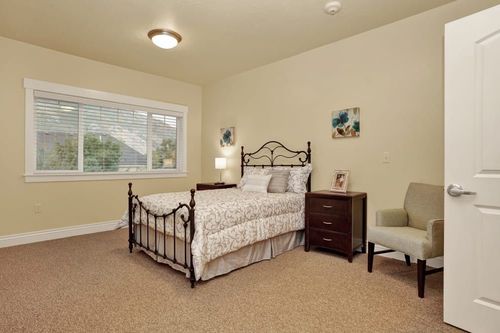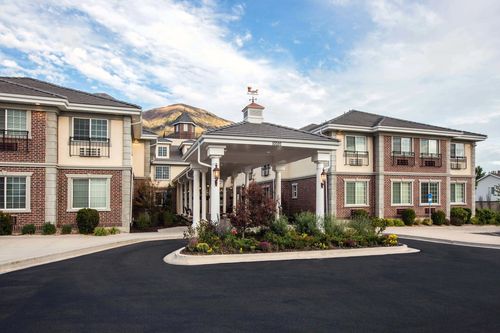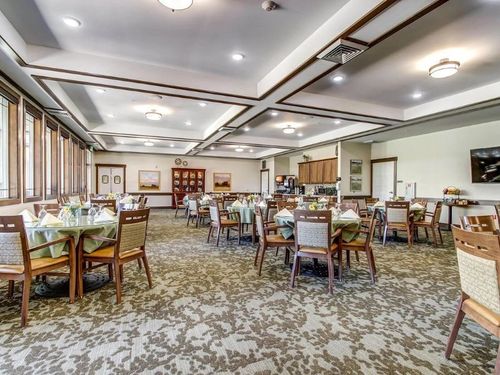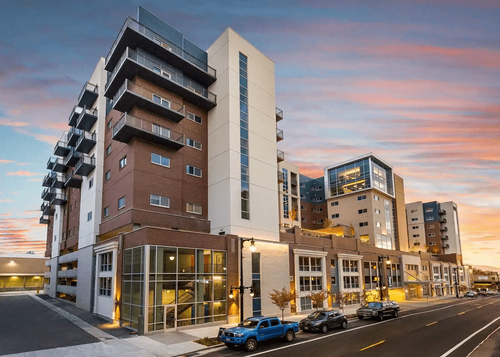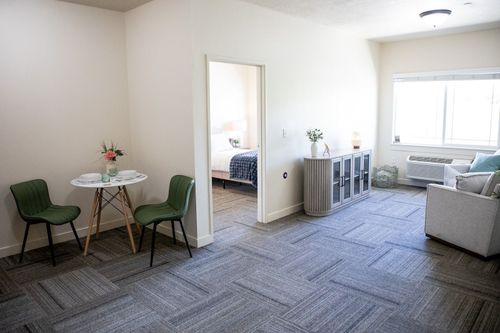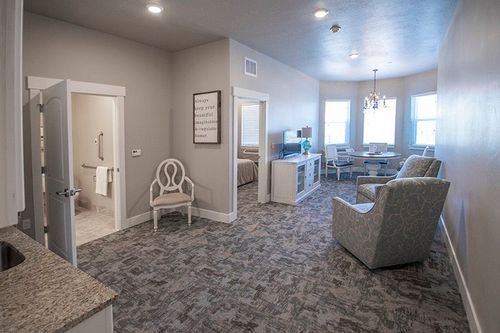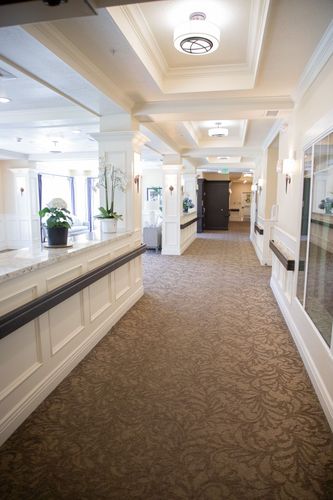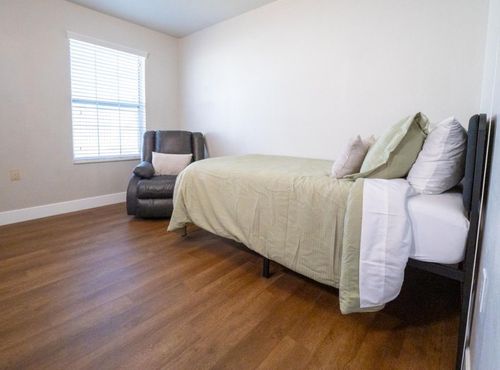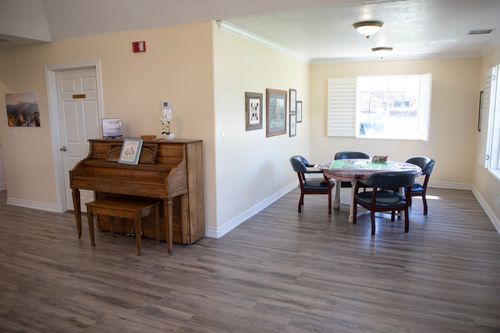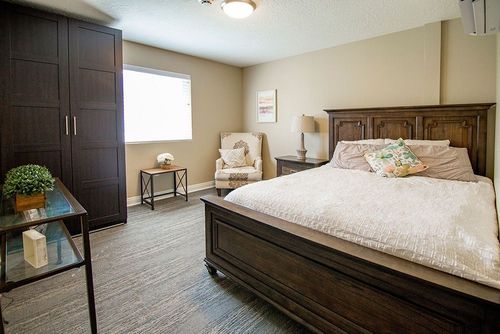
The published assisted-living conversation inside Herriman city limits begins and ends at one address. Beehive Homes of Herriman, a 24-bedroom Type II Utah residential home at 6352 West 13100 South, splits its rooms between assisted-living residents and a secured memory-care side, with both services housed under the same roof. The format is structurally smaller than the apartment-campus model that dominates the rest of the south Salt Lake Valley, so one kitchen prepares the day's meals, one activity board carries the calendar, and the same caregivers carry forward across most shifts.
Herriman itself shapes the local conversation more than the building does. The city's recent growth came almost entirely through suburban build-out across the 2000s and 2010s, which pushed the senior count higher every year while keeping the share lighter than older parts of the valley. Adult daughters and sons working out of Daybreak, West Jordan, or the south-valley corporate corridors are usually the ones asking the assisted-living question, often before a long-tenured household has exhausted in-home support.
A Single Residential Building on a Household Calendar
The daily flow inside Beehive Herriman holds together at a small-house rhythm. One sit-down breakfast opens the morning, a shared activity block bridges the late morning, lunch arrives at midday, and the early afternoon stretches into rest hours before a second medication round closes the evening. Around-the-clock certified nursing assistants staff the floor, with a registered nurse reachable through the brand's on-call line; that staffing pattern matches what Utah's Type II residential license authorizes at this size.
What the staff actually carries during the day are the routines a resident no longer manages alone. Timed medication passes, bathing scheduled to whichever hour the resident has energy, dressing or transfer help when balance has begun shifting, watchful attention to appetite and hydration, and steady relief on the household tasks that fell off the calendar months ago. Most clinical events route eight minutes east to Riverton Hospital along 13400 South, with anything higher-acuity escalating roughly twenty minutes north to Intermountain Medical Center in Murray.
Pricing and Affordability
The 2026 private-bedroom band at Beehive Herriman sits between $3,200 and $4,400 monthly, with shared-bedroom layouts pricing toward the low end. That band sits below most of the south Salt Lake Valley's apartment-format communities because a 24-bedroom household keeps per-resident overhead low compared with a 100-bed building. Room layout drives most of the spread; on top of the base, the resident's care-tier rating from the intake clinical screen and any opt-in pieces lift the figure.
Move-in fees price between $500 and $2,500 depending on the room. Second-occupant pricing in a shared bedroom adds between $400 and $700 to the monthly figure, and overnight respite stays bill at $130 to $190. Active Aging Waiver participation is the more unusual element of the building's funding mix; the program rarely runs at a 24-bedroom residential scale on the Wasatch Front, and for households whose financial picture depends on Medicaid coverage, that combination is what keeps a smaller-format option on the local map.
A Young City Aging Into the Question
Herriman's city population now hovers near 60,000 in 2026, a figure built from two decades of subdivision growth in the southwest valley. About 3,500 of those residents are sixty-five or older, a senior share that runs lighter than the Salt Lake County average because the cohort skews younger. That share is climbing each year, which is why even one 24-bedroom home tends to keep a working waitlist.
Openings arrive at Beehive Herriman through individual transitions rather than a rolling monthly turnover, so each vacancy moves the local picture in a way larger campuses do not. Many of the families weighing the building also weigh alternatives further north toward Riverton, South Jordan, and West Jordan, but the under-fifteen-minute commute from most south-valley addresses generally keeps the in-city option near the top of the list.
Why Families Choose Herriman
The practical pull for most local households is the pairing of a residential-scale home with active Aging Waiver coverage. South-valley waiver inventory mostly sits at larger campus formats, and a Herriman family budgeting against Medicaid often finds the smaller-format match they want only inside this single building. The household pace itself also matters when the family wants a quieter daily rhythm than a 100-resident community offers, closer to what the resident's own home felt like during the steadier years.
Geography reinforces the choice, because staying at Beehive Herriman keeps the resident inside the south-valley fabric the family already navigates: the Oquirrh Mountains rising west, Bingham Creek Reservoir close at hand, and the church, school, and weekend rhythms that have framed these households for two decades. Sunday-dinner trips from Daybreak or South Jordan come together in under twenty minutes either direction.
What a Local Advisor Brings to Herriman
Most calls into Herriman open without a single triggering event. A daughter working out of the south valley notices the weekly pill organizer no longer empties; bathing has begun wanting equipment the home does not have; a primary-care visit has nudged the family toward outside help. Where the advisor begins is checking real-time openings at Beehive Herriman against the household's window, with Waiver-funded rotation as the deciding constraint for any Medicaid-track conversation.
If the building matches the resident and the timing aligns, the work moves into specific rooms, care-tier specifics, and move-in scheduling. If the residential scale is wrong for what the household wants, or the timing slips past what the home can accept, broader south-valley inventory comes into the picture: a fifteen-minute drive opens larger campus options across Riverton, South Jordan, and West Jordan that the advisor can pull into the same shortlist.
Reaching out before the home routine slips into something genuinely unsafe keeps both lanes open rather than narrowing the family to a discharge-window scramble. A single conversation usually clarifies whether the in-city home or a wider south-valley search is the better starting move. Reach out for a planning call when assisted living starts shaping the calendar, or browse the buildings we cover for the broader south-valley picture.