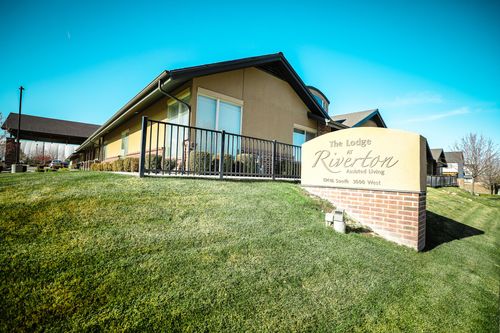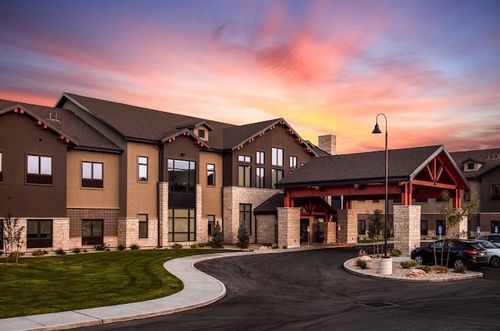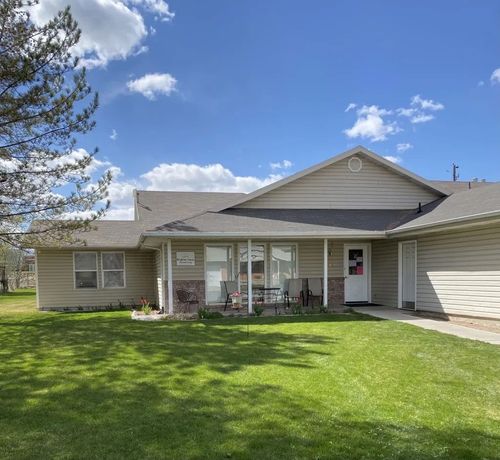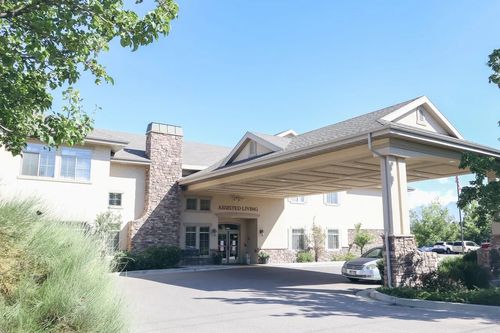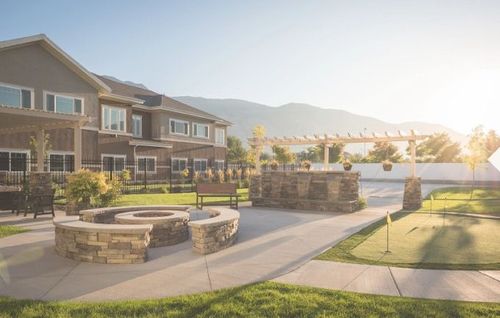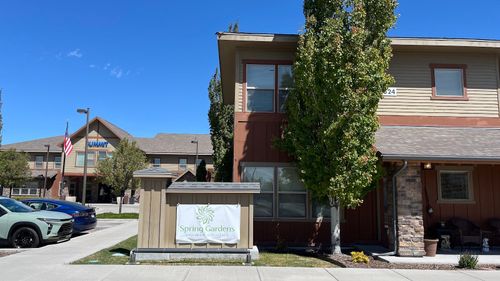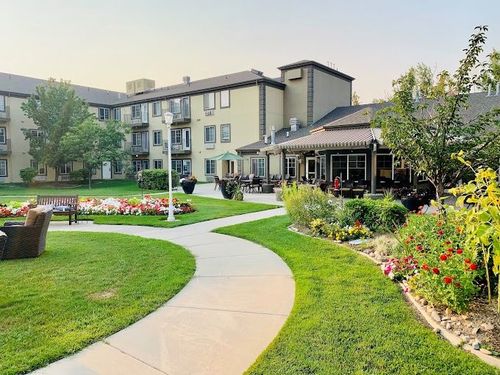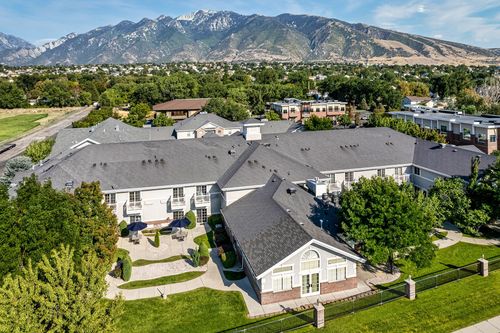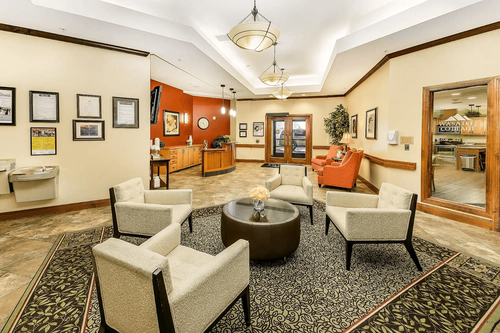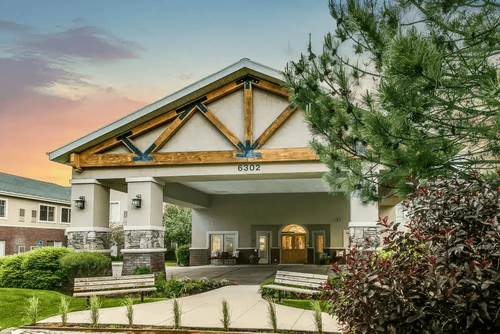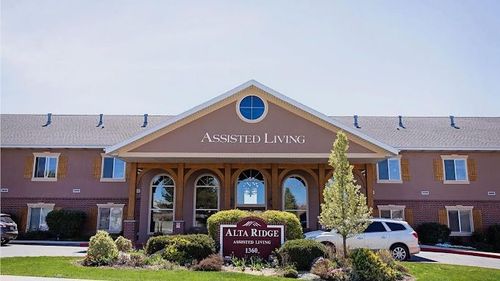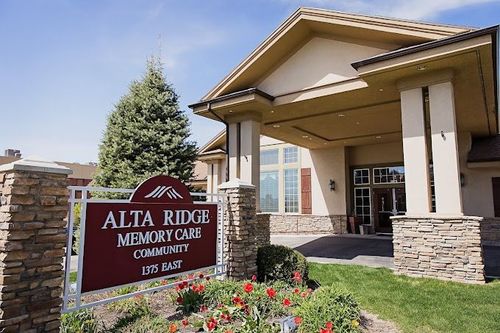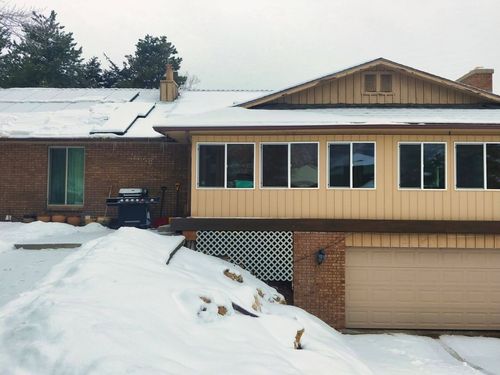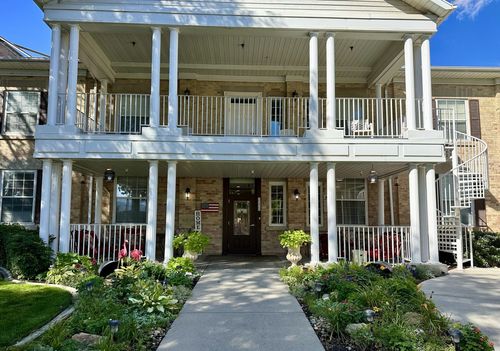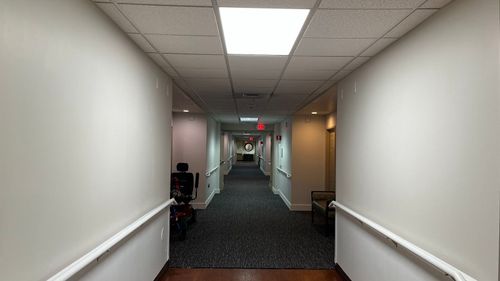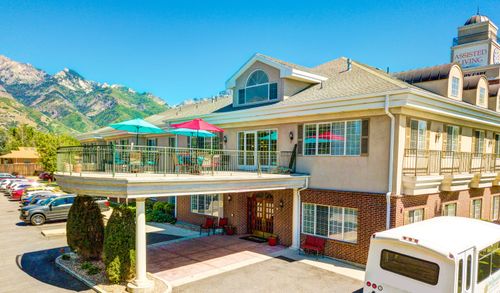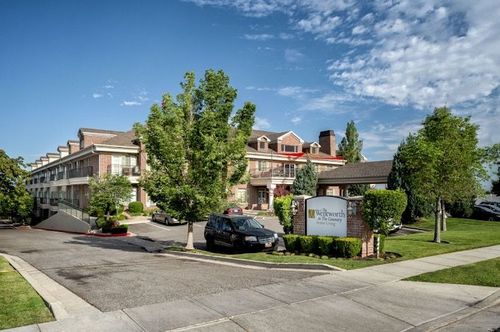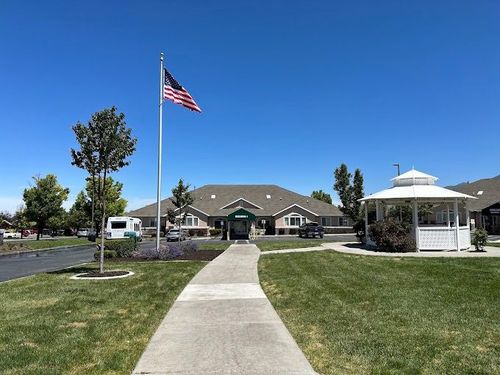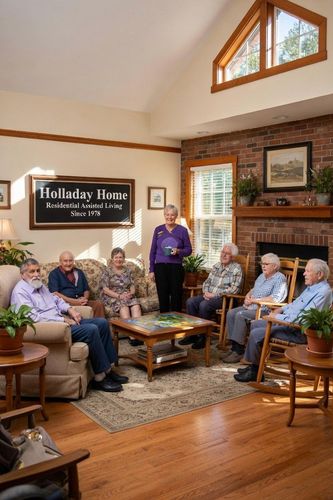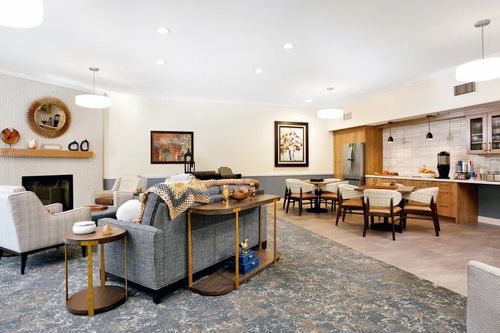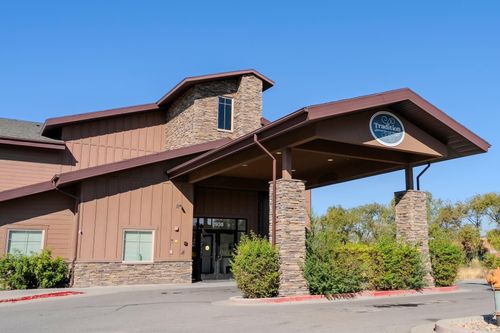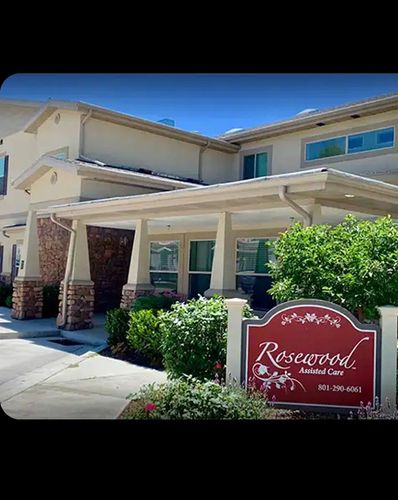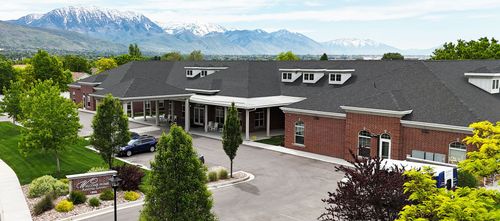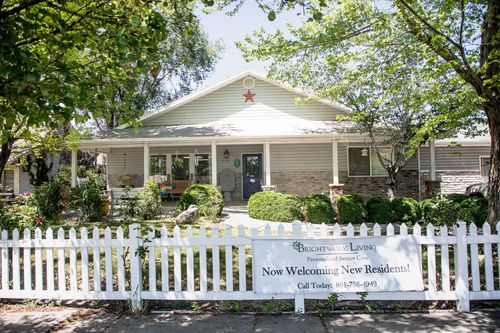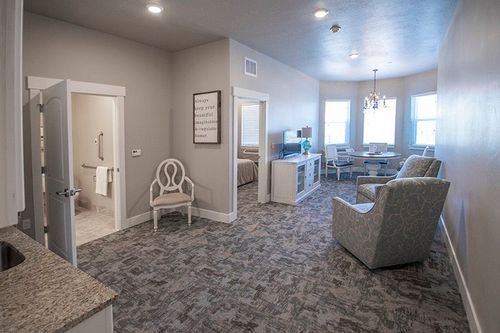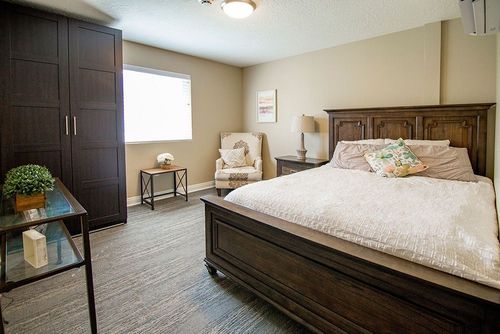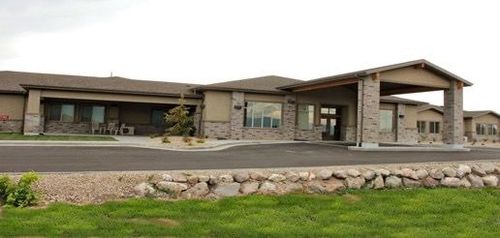

Herriman spreads across the southwest foothills below the Oquirrh Mountains, one of the youngest cities in the country by median age, and senior living that accepts Medicaid here means a residential care home rather than a campus. 1 Herriman community takes it: BeeHive Homes on 13100 South, a house-scale home where roughly two dozen residents share assisted living and memory care under one roof. It reads more like a large family house than an institution, which is the whole idea of the BeeHive model.
Families look to a Medicaid home in Herriman when private long-term-care costs stop fitting a fixed income and the New Choices Waiver becomes the route to keeping a resident in a licensed home near family. In a city this young, the senior who needs that help is often a long-time resident who watched the subdivisions rise around them, and whose adult children still live a few streets away.
Care at the Scale of a Household in Herriman
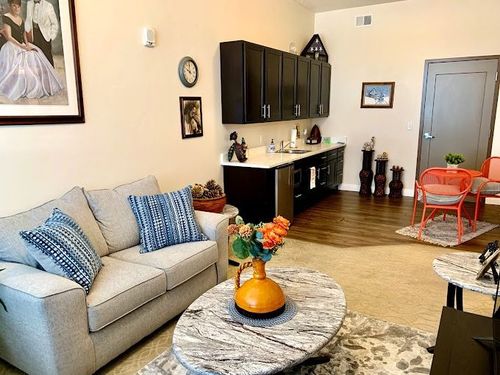
A BeeHive home in Herriman runs only a couple dozen residents, so care happens at the scale of a household rather than a wing of a building. Meals come from one kitchen and are eaten around shared tables, the same caregivers stay on through the day rather than a staff that rotates across floors, and a registered nurse checks in regularly. Assisted living and memory care happen under the same roof, so a resident whose memory declines does not have to change buildings; the staff who already know them simply adjust the level of help.
Medicaid fits into that household in one way: when a resident meets a nursing-facility level of care, the New Choices Waiver picks up the cost of the hands-on care, the help with bathing, dressing, medications, and supervision, while the room itself stays the resident's own expense. The small scale does not change what the waiver pays for; it changes how the care feels day to day. For a family weighing a Medicaid move, the trade-off is plain: a small Herriman home offers more personal attention and fewer on-site extras than a large campus, and for many residents the attention is what matters most.
How a Small Home's Bundled Rate Meets the Waiver
A small care home like BeeHive often quotes one bundled monthly rate that folds care and housing together, rather than a base rent plus separate care charges the way many large campuses do. That makes the Medicaid picture worth reading closely, because the New Choices Waiver pays only the care portion inside that bundle, and the room-and-board share still comes out of the resident's monthly income. Private-pay assisted living at the Herriman home starts around $4,800 a month, with memory care higher; a small residential home folds care and housing into that figure rather than splitting them out. For context, the statewide assisted-living median in the latest 2026 cost-of-care figures sits close to $4,800 a month.
The eligibility gate is the same as everywhere in Utah: in 2026, the limits cap a single applicant on both monthly income and countable assets, with a 5-year look-back on transferred property. Medicaid funds no independent living at all, though a small home like BeeHive does not offer that tier to begin with, so in Herriman the math comes down to income toward the room and Medicaid toward the care.
The Youngest of Cities, With Few Seniors So Far
Herriman is one of the youngest cities in the nation, with a median age under thirty and only about 4 percent of its more than 55,000 residents past 65. Senior living here is a market just beginning to form, which is why a single residential home, rather than a row of campuses, covers the local Medicaid demand.
That share will climb as the young families who filled the foothills grow old in place, but for now the inventory is limited by design rather than by neglect. The New Choices Waiver is also capped statewide, so even a resident who plainly qualifies is not promised an open waiver-funded room the week they need one, which makes timing the real constraint in Herriman.
Why a Small Home Suits a Herriman Family
The strongest argument for keeping a Herriman search at a small home is the attention. In a house of two dozen residents, a caregiver notices when someone eats less or sleeps poorly in a way that is harder in a building of a hundred, and a resident who is anxious about a move often settles faster into something that feels like a home than into a campus.
On a Medicaid budget that personal scale is not a luxury add-on; it comes with the setting itself. Staying in Herriman also keeps a resident near the streets, the congregation, and the family already here, since most of the adult children who would visit live in the same southwest pocket of the valley. A move to somewhere cheaper farther out would trade all of that away for a few dollars, and for many families it is not a trade worth making.
Whether BeeHive Fits, and When a Room Opens
With one Medicaid home in town, the Herriman question is rarely which building but whether this resident qualifies and fits. Two questions settle most of a Herriman search. The first is whether a resident clears the nursing-facility level of care the waiver requires; the second is whether a household-scale home of two dozen suits someone who may do better, or worse, in a small group than a large one. From there it is about the opening, because a single home has a single room to give, so an advisor tracks when one is likely to come free and where a resident stands in the waiver process so the two can line up.
When the home is full, the answer is never to send a family out of the area on their own; an advisor can walk through the timing and the options nearby without a family losing their place in line. Reach out about Medicaid-accepting senior living in Herriman, or see the homes we have already vetted whenever you are ready.