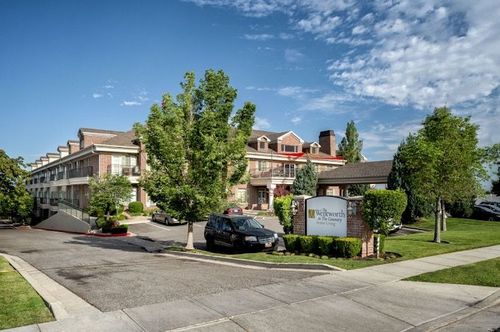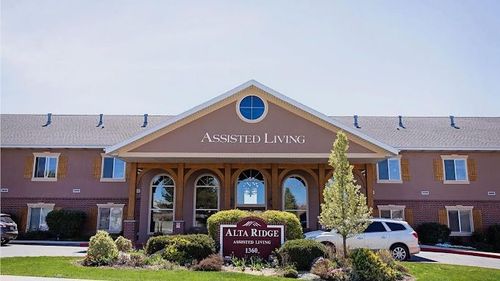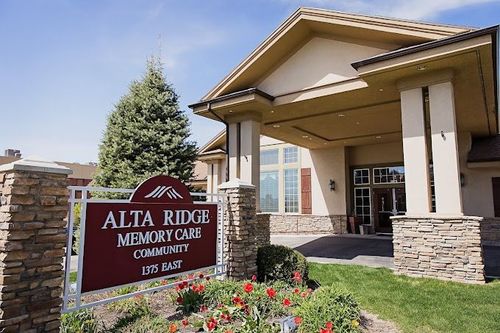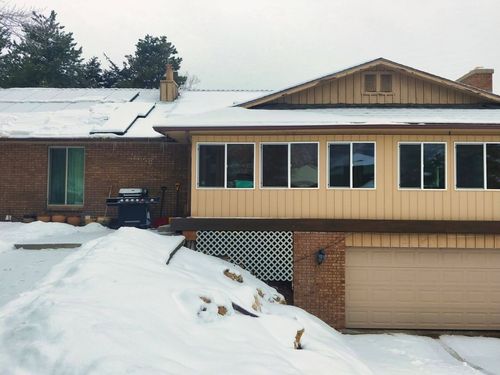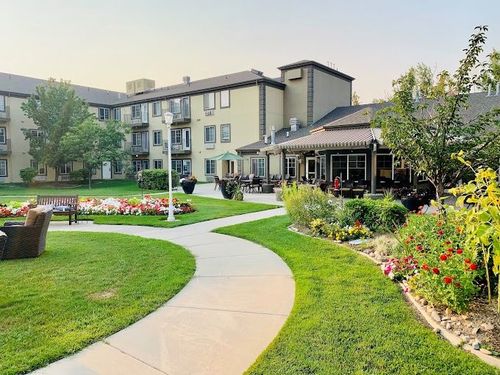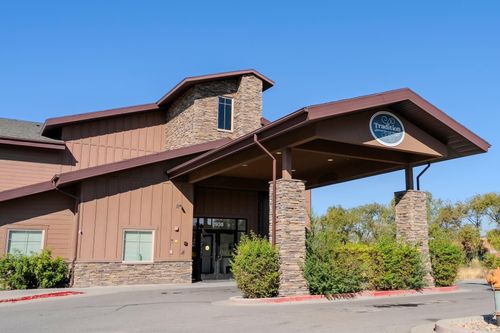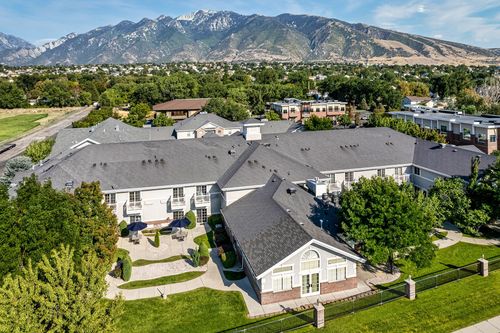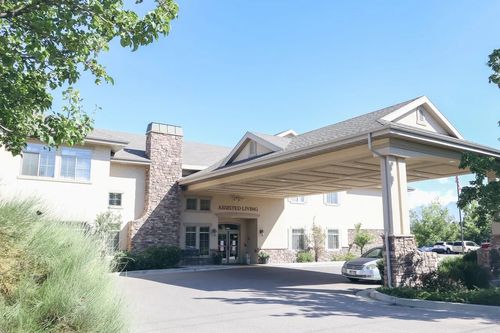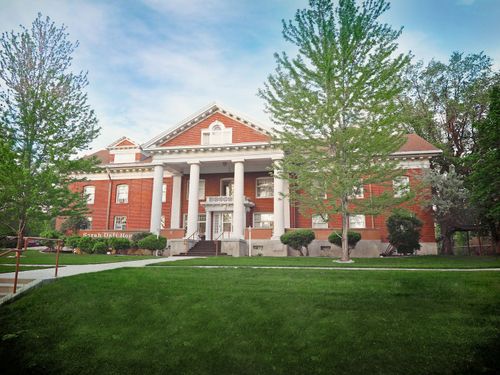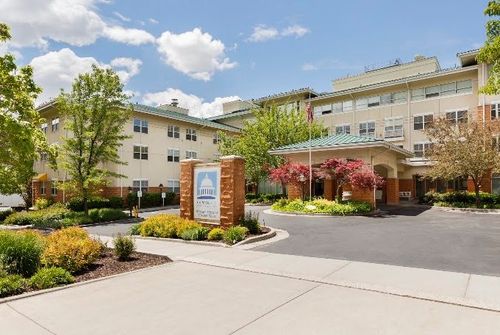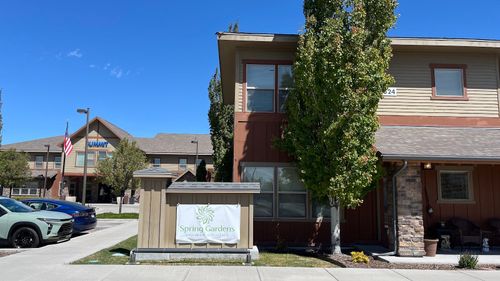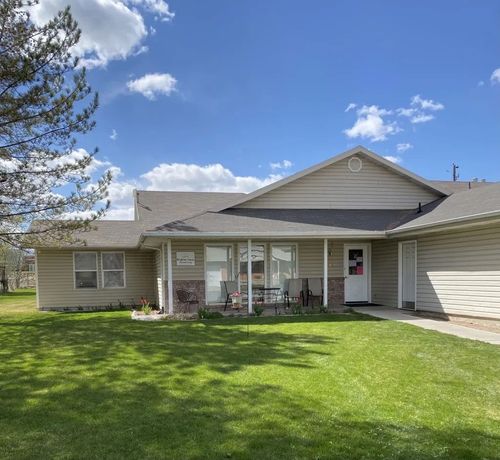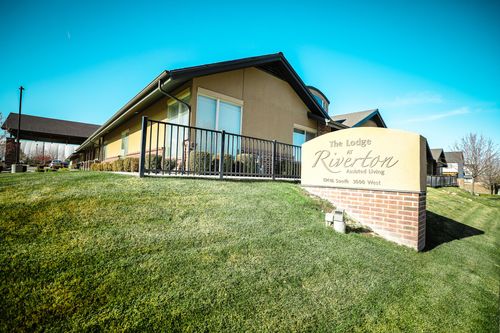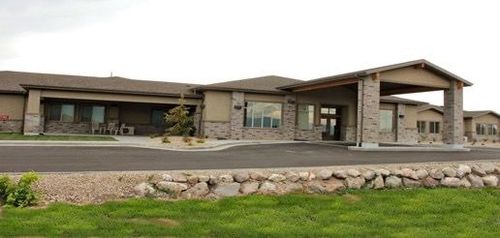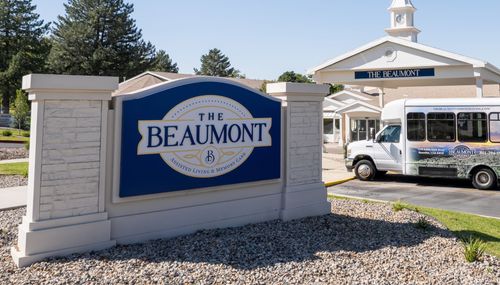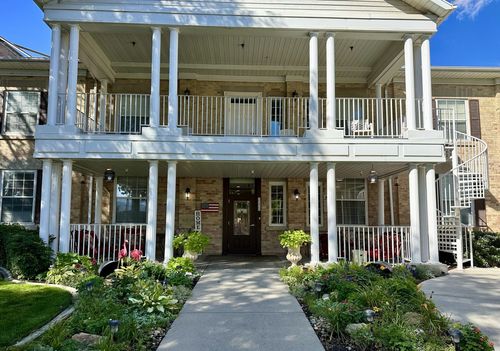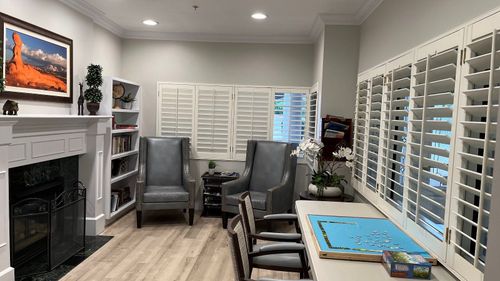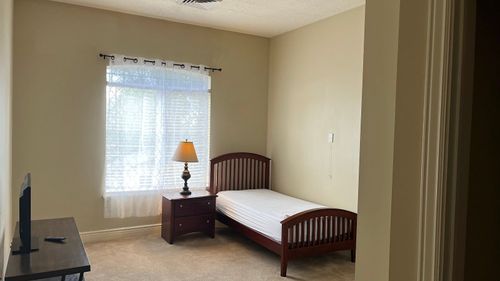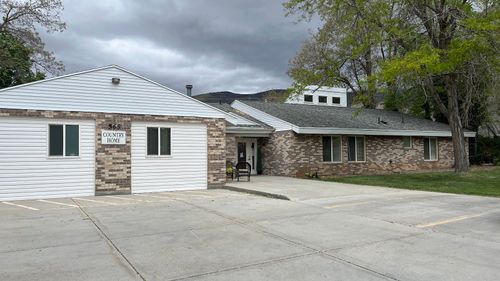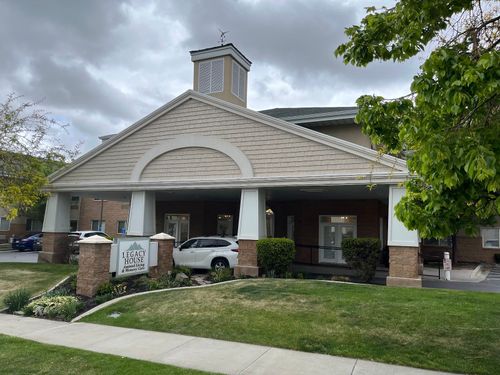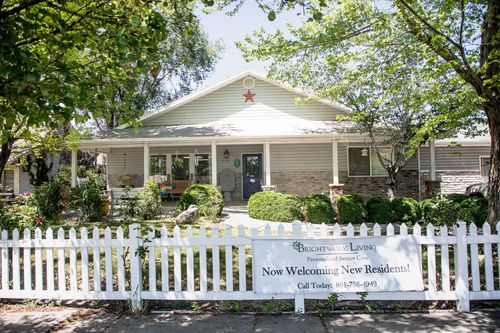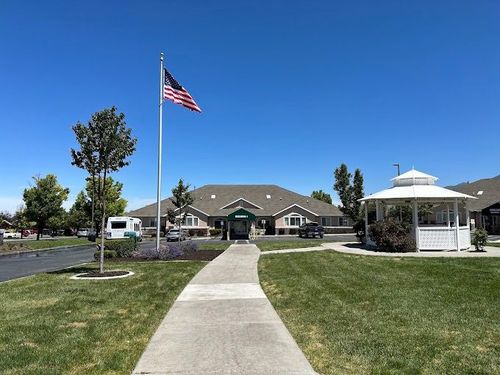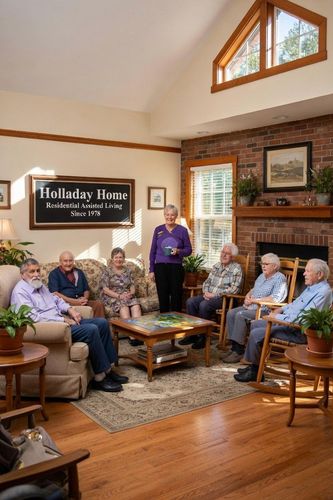

Holladay is an older, leafy suburb on Salt Lake City's southeast side with one of the highest shares of seniors in the valley, and yet only one of its communities accepts Medicaid. 1 Holladay community takes it: Holladay Home for the Elderly, a small assisted-living home on Highland Drive. The reason the list is short is not a shortage of seniors but the opposite of it. In a town this well-off, most older residents pay for care privately, so the Medicaid-accepting inventory stays small even where the senior population is large.
The families who do look for Medicaid in Holladay are usually the ones whose savings have run down after years of paying for care, and for them the New Choices Waiver is what keeps a resident in the same part of town rather than moving to chase a cheaper room. Most arrive at assisted living, the level this small home provides, when living alone has stopped being safe but round-the-clock nursing care is not yet the need.
What Assisted Living, Not Memory Care, Means in Holladay
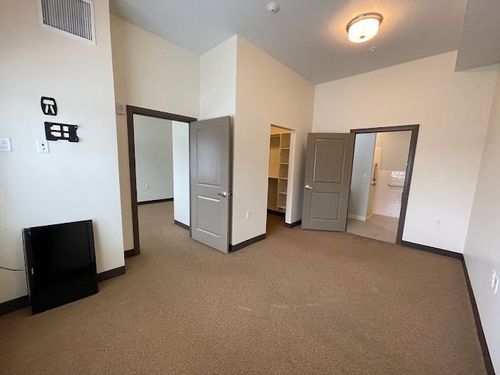
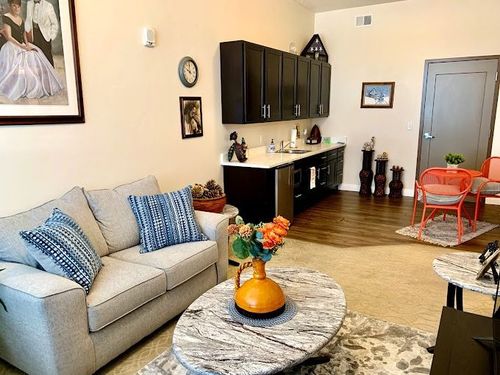
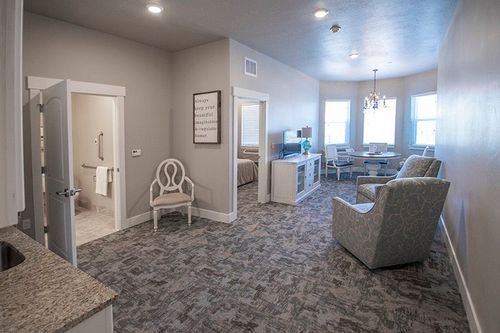
Holladay's Medicaid-accepting care is assisted living, and naming that precisely matters. At Holladay Home for the Elderly, the support covers the daily routine, help with bathing, dressing, medications, meals, and getting safely around, in a small licensed home rather than a large campus. The home looks after residents with mild memory changes as part of that assisted living, but it is not a secured memory-care building, so a resident who begins to wander or needs locked, specialized dementia care will eventually need more than this one address offers.
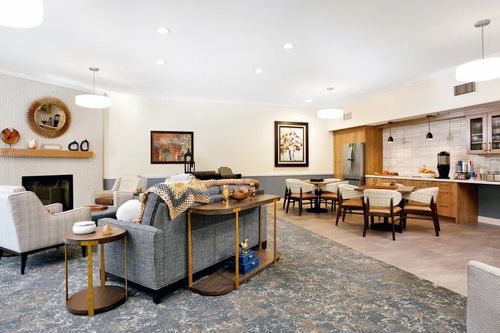
Medicaid follows that assisted-living care through the New Choices Waiver. The waiver turns on one medical test, a nursing-facility level of care, and once a resident clears it Medicaid pays for the hands-on help while the room stays their own expense. Because the home is small, the care is personal: the same caregivers, a familiar dining room, and a scale closer to a household than an institution. The trade-off is the one every small home carries, fewer on-site services and no secured memory-care wing, in exchange for attention that a larger building rarely matches.
How the Bill Splits at Holladay's One Home
The funding split at Holladay Home works the way it does anywhere the New Choices Waiver applies: the waiver pays for the care services, while room and board remain the resident's own responsibility, paid from monthly income. What changes by location is the underlying price: assisted living on Holladay's affluent east side generally sits among the priciest in Salt Lake County, with local private-pay rates running across from $4,200/mo and an average near $4,200 a month. A small home can list a lower starting rate than the big campuses, but the real private-pay cost still tracks the local market.
For a resident who qualifies, the waiver lifts the care portion of that bill, the part that climbs fastest as needs grow. The eligibility limits are statewide: in 2026, a single applicant must meet Utah Medicaid's monthly income and countable asset limits, and Utah Medicaid reviews the prior 5 years for transferred property. Medicaid never reaches independent living either, though a small assisted-living home does not offer that tier anyway, so the practical math in Holladay is income toward the room and Medicaid toward the care.
A Wealthy Town's Small Medicaid Footprint
Close to one in 5 Holladay residents is past 65, one of the higher senior shares in the valley and the mark of a settled town where people stay put. What makes the Medicaid picture unusual is that this large senior population produces very little Medicaid demand.
With a median household income well into six figures, most Holladay families pay for care privately, so a single Medicaid-accepting home is enough to cover the local need. That can change for an individual family quickly, though, when a long illness drains savings, and the New Choices Waiver has a statewide cap on slots, so an open waiver-funded room at the one local home is never a sure thing the week it is needed.
What Medicaid Makes Possible for a Holladay Family
For a Holladay family that has run short of savings, Medicaid is often the one thing that keeps a move from also meaning leaving the area. Holladay is an expensive place to grow old, and without help a fixed income rarely stretches to assisted living here; the New Choices Waiver, applied to a licensed local home, is what lets a longtime resident stay near the streets, the congregation, and the family they know rather than relocating somewhere cheaper.
That continuity is worth real money to a family, in saved drive time for the adult children who visit and in the steadiness of a resident who is not starting over among strangers. A small home like Holladay Home makes that especially true, because a resident anxious about the change tends to settle faster into a house than a campus.
When Assisted Living Is Not Enough in Holladay
The question an advisor hears most in Holladay is what happens when assisted living stops being enough. Because the city's one Medicaid-accepting home provides assisted living and not secured memory care, a family whose resident is sliding into deeper dementia eventually faces a choice the home itself cannot solve, and that is exactly where local guidance earns its place. An advisor who works Holladay knows whether Holladay Home has an open room and whether a resident still fits the assisted-living level it provides, and, when the need turns to memory care, can walk a family through the waiver-accepting options without sending them off on their own to start from scratch.
For a resident who fits assisted living now, the work is simpler: confirm eligibility, watch for an opening, and time the New Choices Waiver paperwork so the two arrive together. Start the conversation about Medicaid-accepting senior living in Holladay, or look through the communities we have reviewed when you are ready.