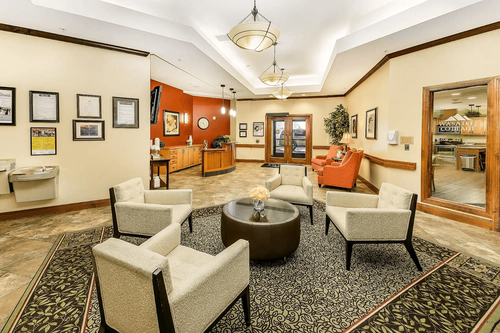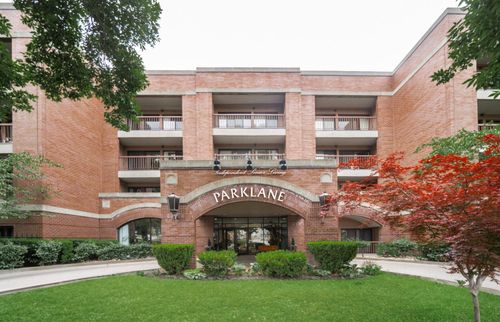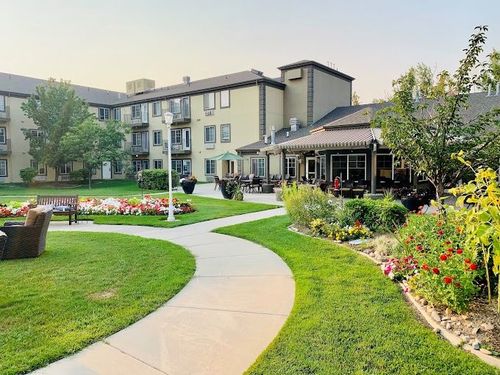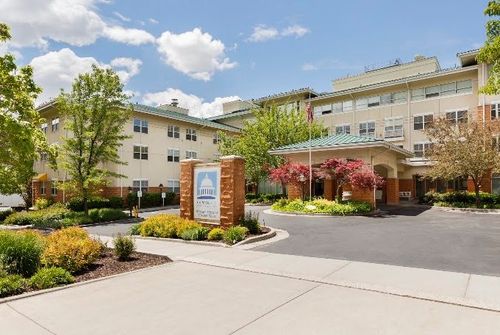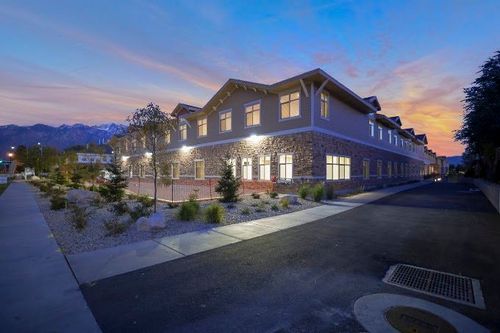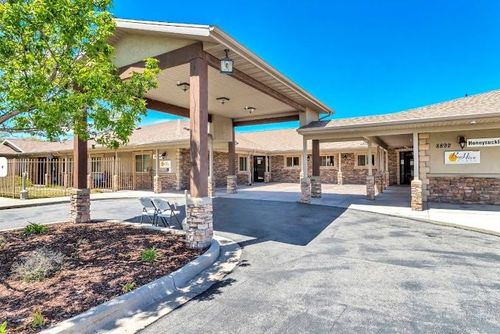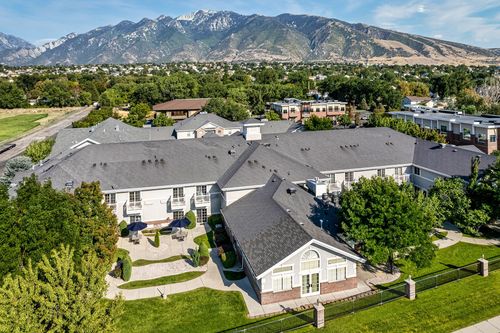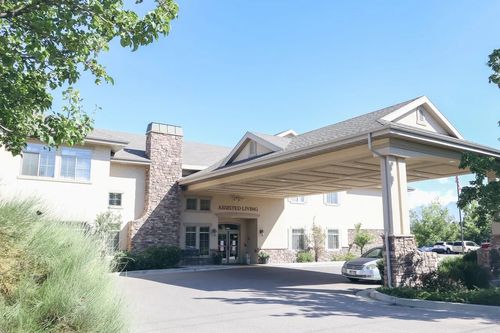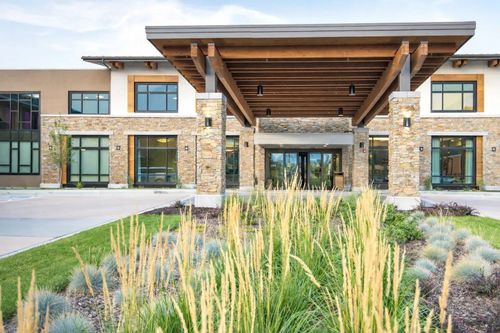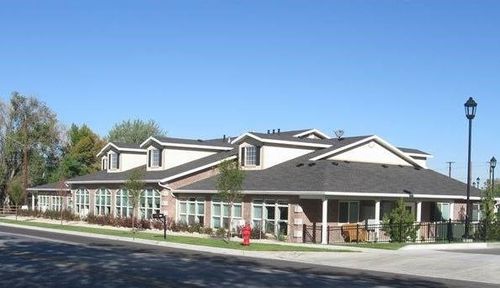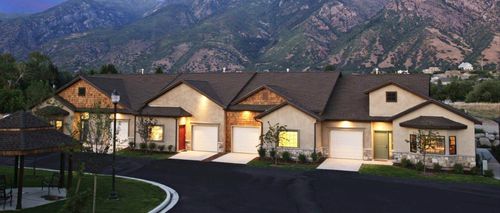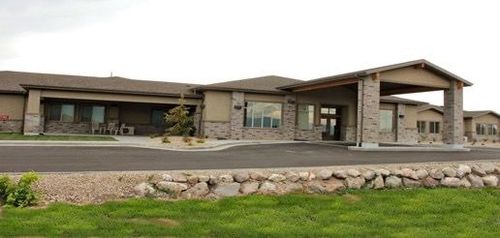

Holladay sits on the east bench of the Salt Lake Valley, where the Wasatch foothills give way to a long-established neighborhood with a notably older population: roughly one in five residents is 65 or older, higher than the Salt Lake County average. When a caregiver needs time away, when a discharge from St. Mark's Hospital on 3900 South leaves someone unable to manage solo just yet, or when a household wants a trial run before a permanent move, a short stay at one of the 3 Holladay buildings that welcome short-term guests is often the practical next step.
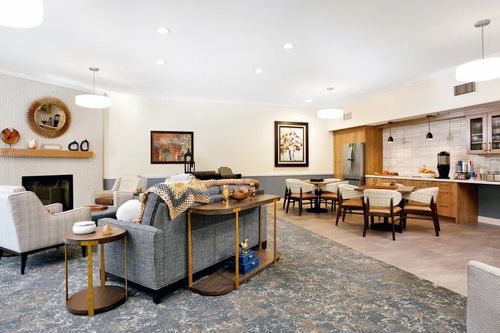
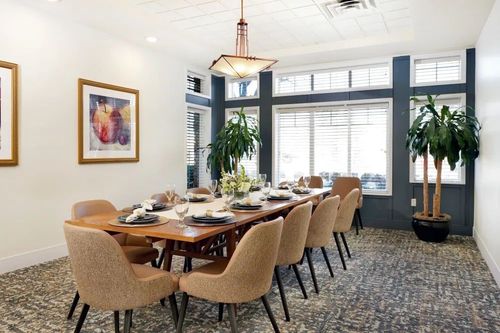
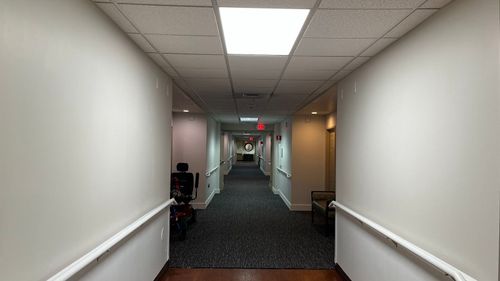
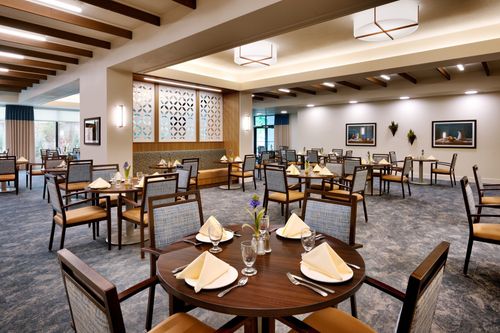
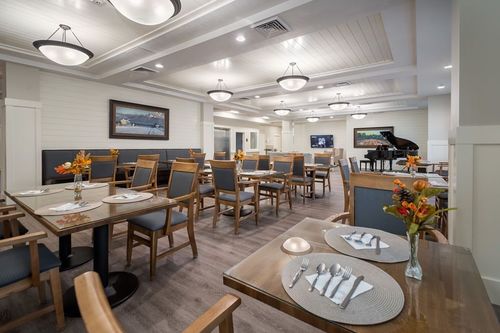
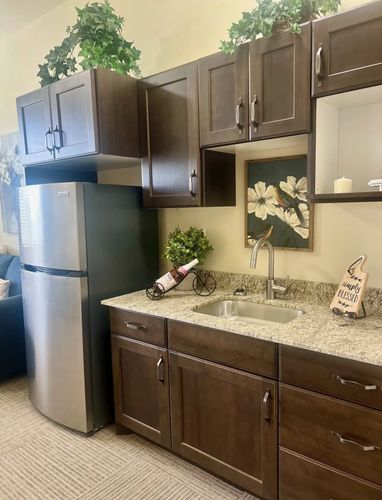
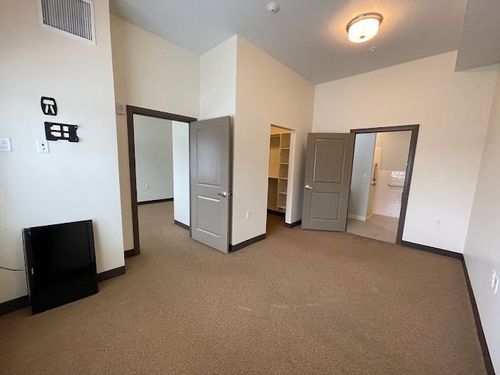
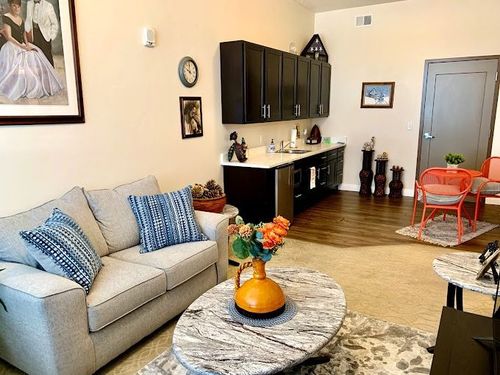
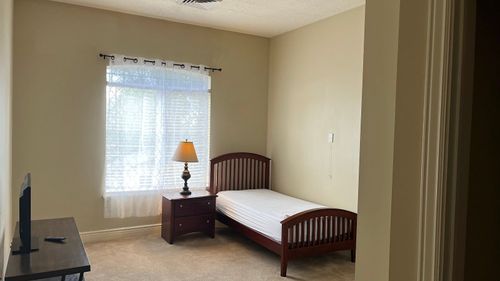
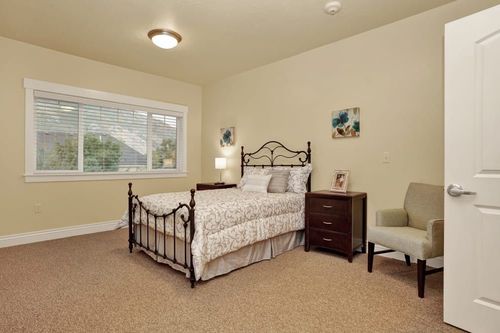
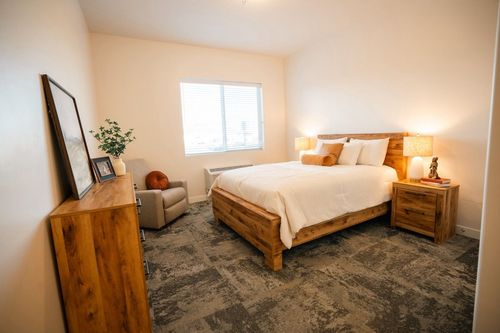
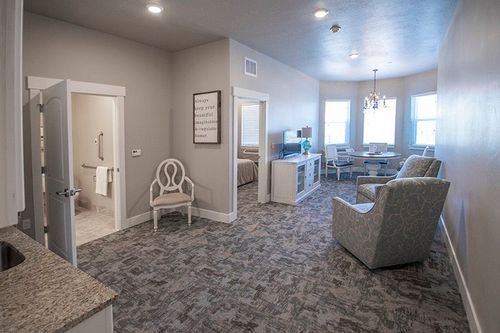
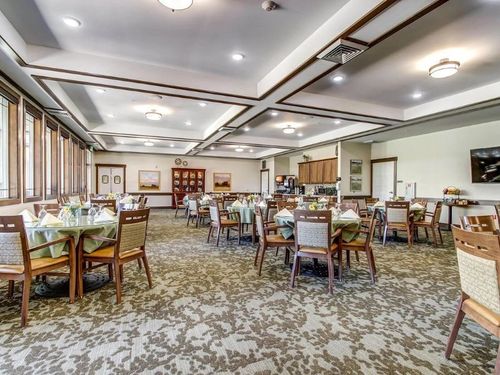
A respite stay is not its own care category. A guest moves into a furnished room inside an ordinary assisted-living or memory-care building and keeps the same meals, daily activities, and staff coverage every permanent resident has. The stay ends on a planned date.
What a Holladay Respite Stay Actually Involves
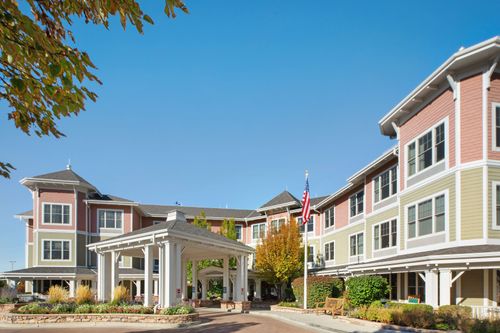
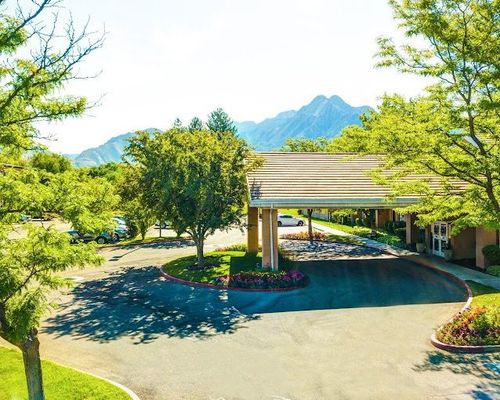
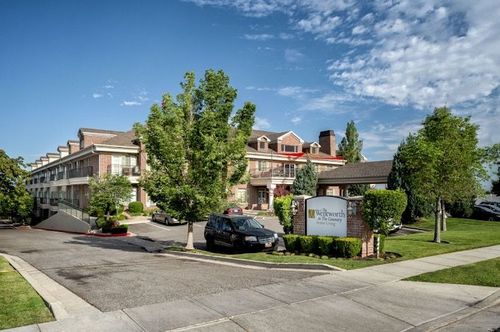
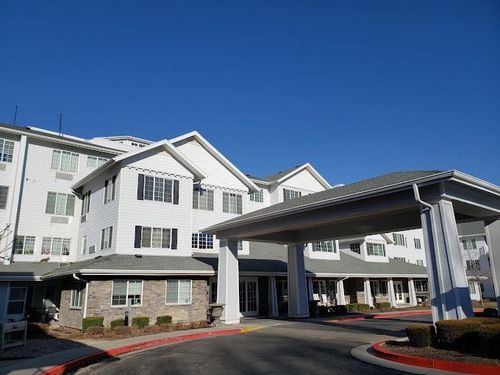
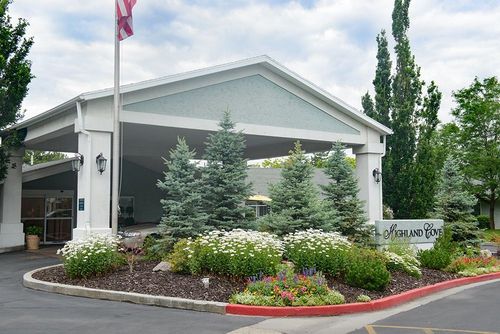
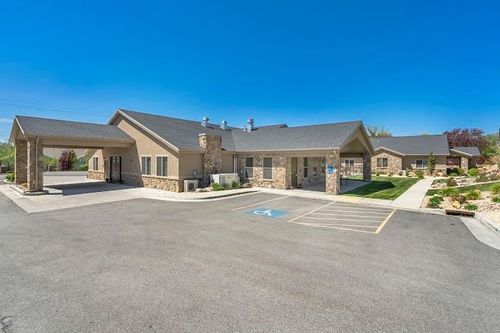
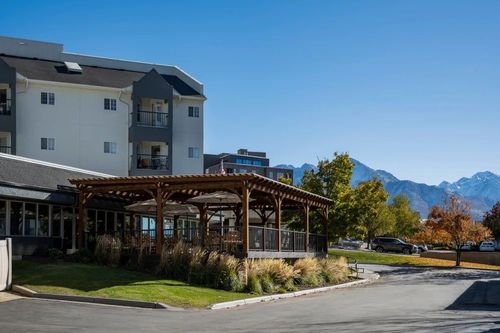
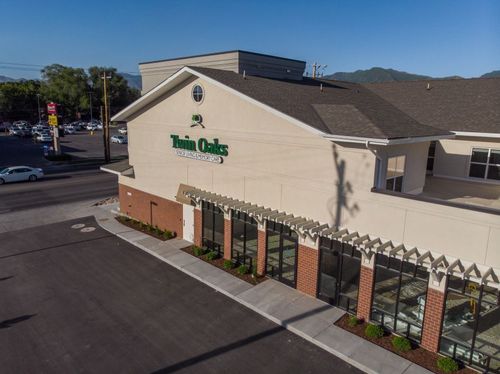
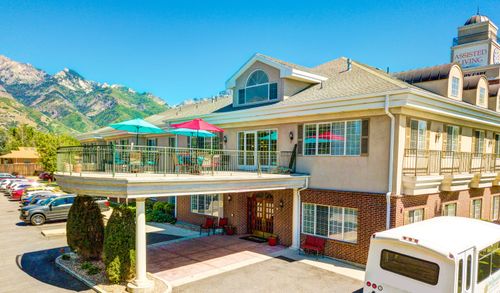
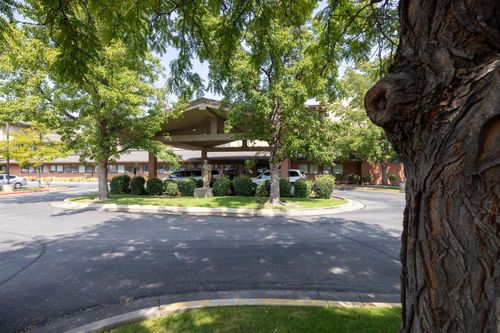
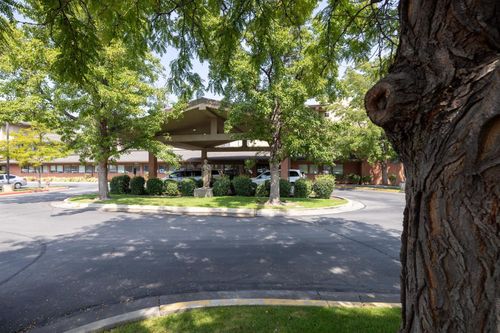
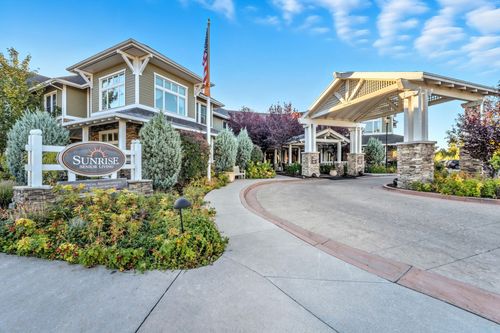
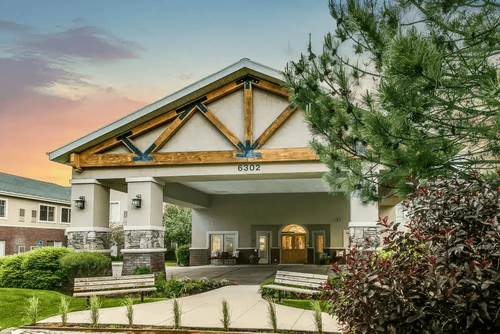
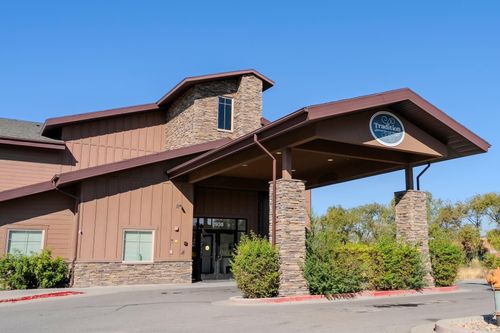
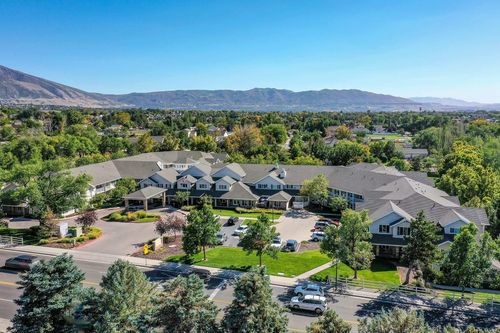
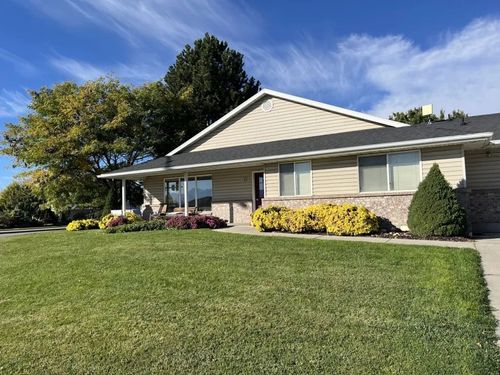
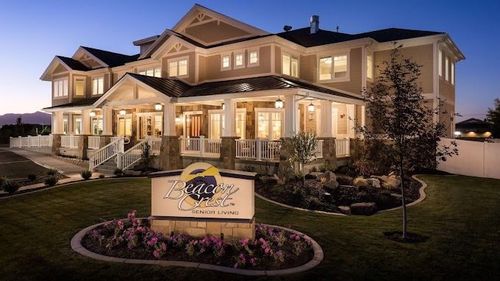
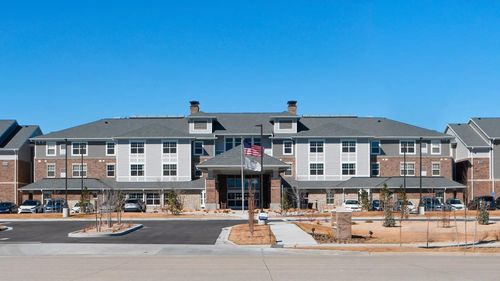
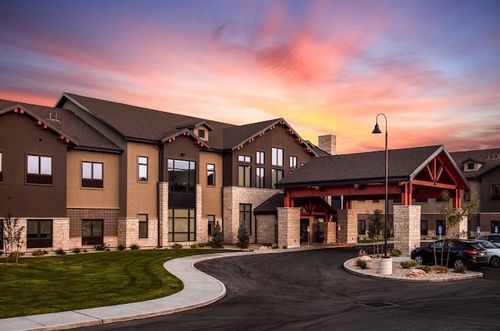
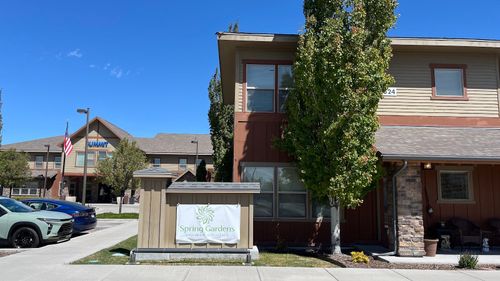
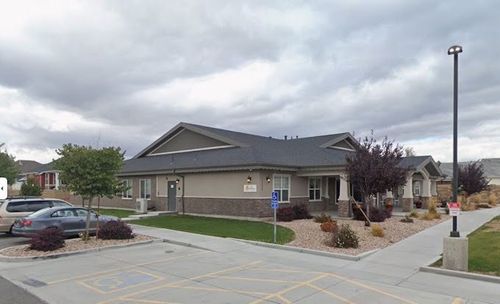
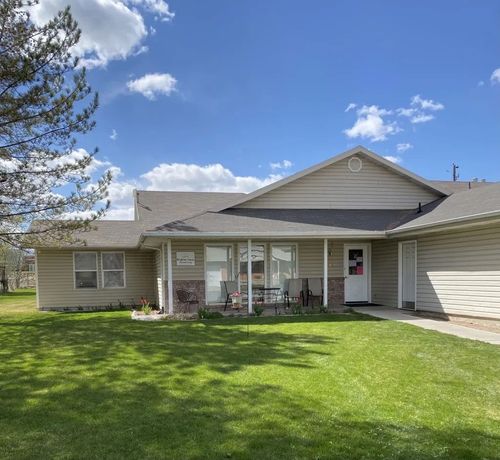
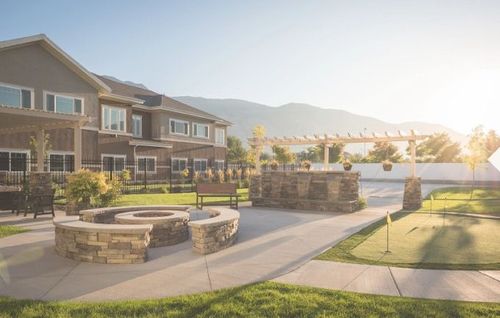
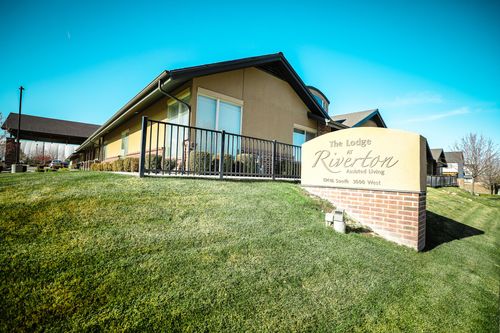
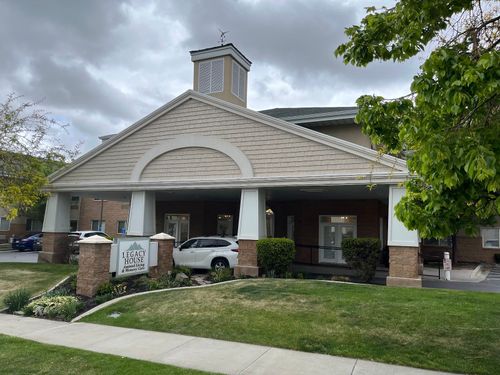
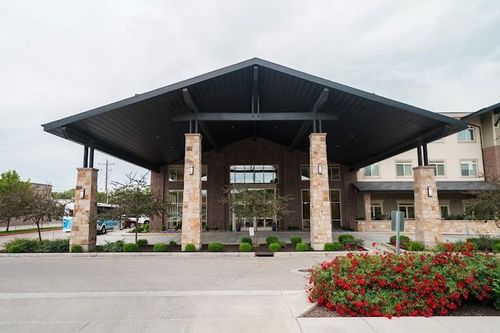
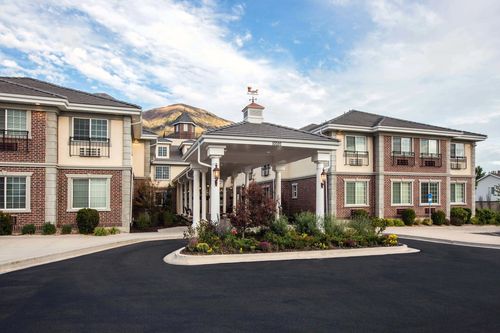
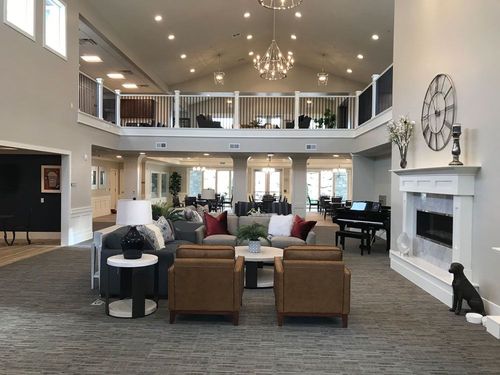
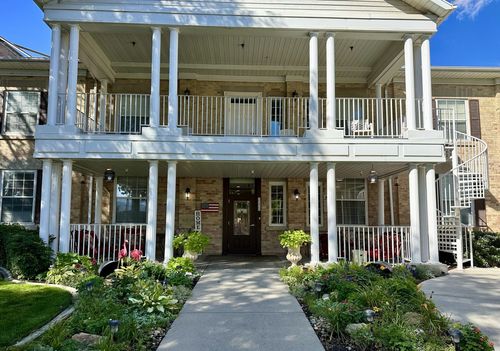
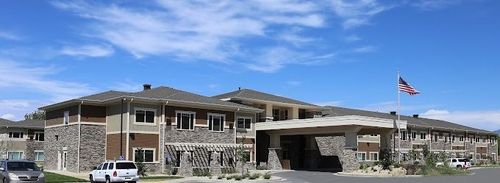
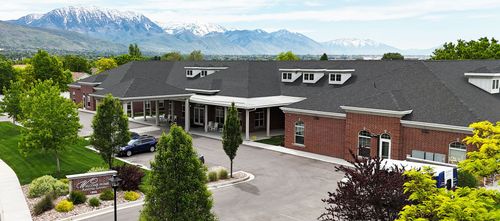
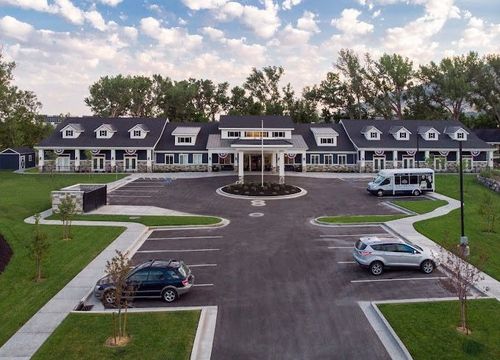
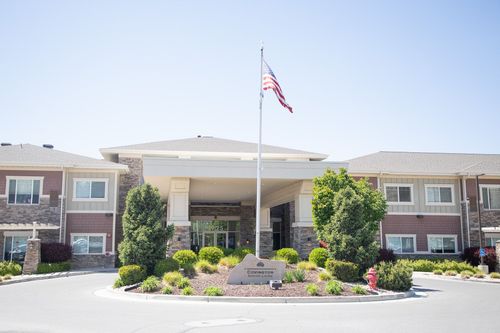
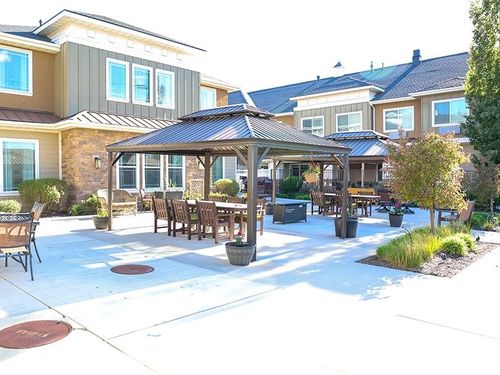
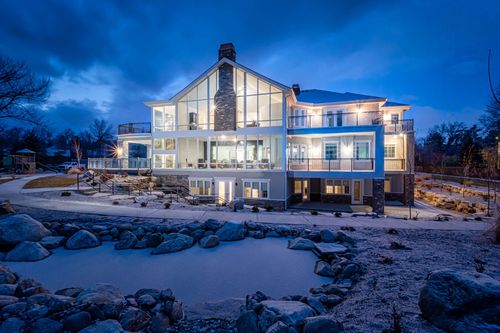
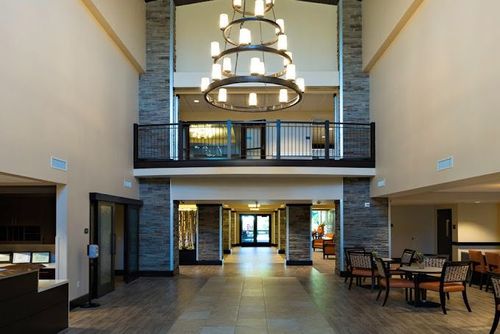
All three communities offer assisted-living short stays. Spring Gardens Holladay (2728 East 3900 South, Avista Senior Living) and The Ridge at Cottonwood (5600 South Highland Drive) both operate memory-care wings, so a secured respite placement for someone with dementia is available here, not only across the wider county. The Grand Senior Living (5941 South Holladay Boulevard) is assisted-living only: a quieter 50-bed setting for someone who needs care but not a locked environment.
Current 2026 cost-of-care data for the Salt Lake east-bench market places assisted-living short stays in the range of $185 to $270 per day. Secured memory-care respite at Spring Gardens or The Ridge lands at the upper end or above it. That daily figure typically exceeds the per-day equivalent of a community's long-term monthly rate, because short-stay rooms are billed all-inclusive and prepared for a faster turnover. A minimum of roughly two to four weeks is common, with the precise floor depending on the building and which furnished rooms sit open.
Paying for a Short Stay
Respite in assisted-living and memory-care buildings is private pay. Medicare does not cover it: the lone respite item it funds is a brief inpatient break tied to an active hospice enrollment, a wholly separate arrangement. Utah's Medicaid waiver programs cover ongoing placements for income-eligible residents and do not extend to private short stays in assisted living. Veterans' programs and some long-term-care insurance policies may cover a portion; checking each before booking is worth the time. Monthly pricing on this page reflects long-term residency, not a short-stay rate.
An Older Neighborhood With Steady Demand
The real constraint on respite is an open furnished room on the right dates. Assisted-living slots cycle more reliably than memory-care rooms, where capacity is tighter and dementia-emergency demand is more concentrated. Holladay's roughly 5,500 residents aged 65 and older keep demand for short-term placements steadier than in younger suburbs to the west. Current openings are a live question no page can carry.
Three Reasons Holladay Families Book a Short Stay
A caregiver facing surgery or a work trip can hand off care to Spring Gardens or The Grand knowing their person is supervised and fed. Someone leaving St. Mark's needing more recovery time can step down into a building on the same 3900 South corridor. A family weighing a permanent move at The Ridge at Cottonwood can book two or three weeks to see whether the setting fits before committing.
Respite stays do, with some frequency, become permanent placements, because the trial removes the uncertainty that made a permanent decision feel impossible.
Getting Current Answers
Which building has a room ready for your dates, what the minimum stay is, and how daily rates compare across The Grand, Spring Gardens, and The Ridge are details that shift with how full each community is. Connect with a local advisor and get current answers across all three communities the same day.