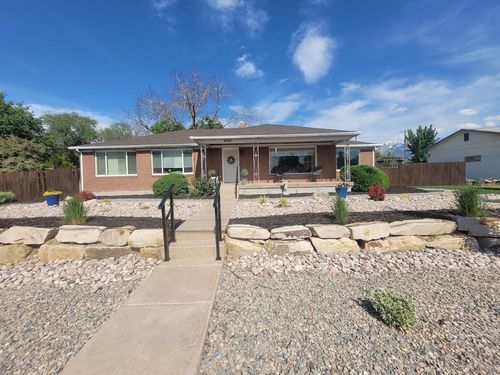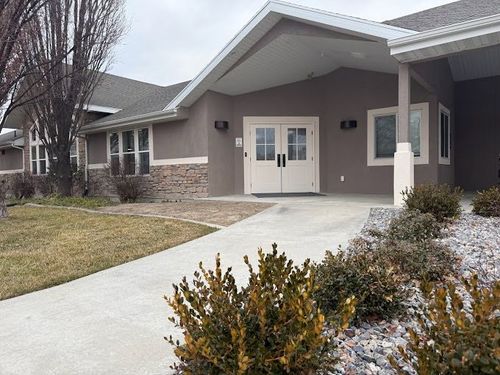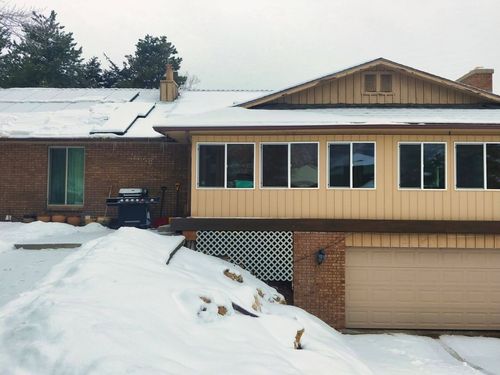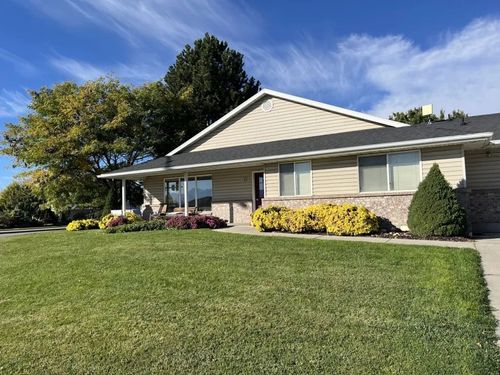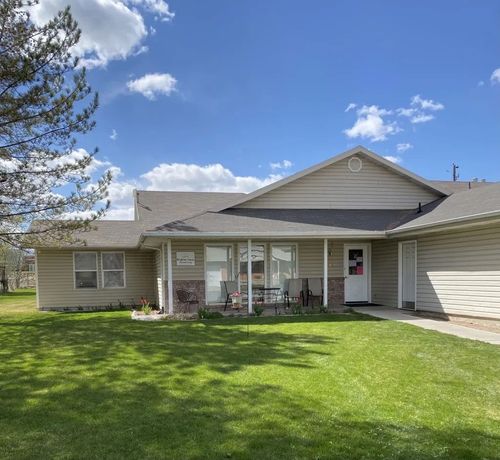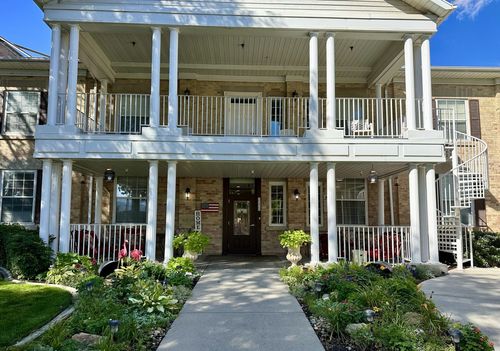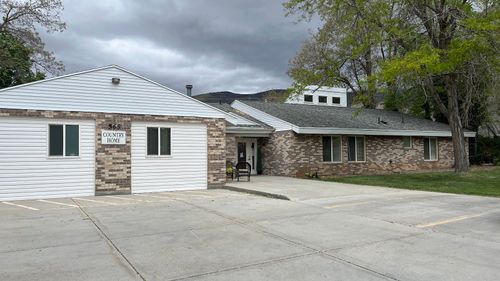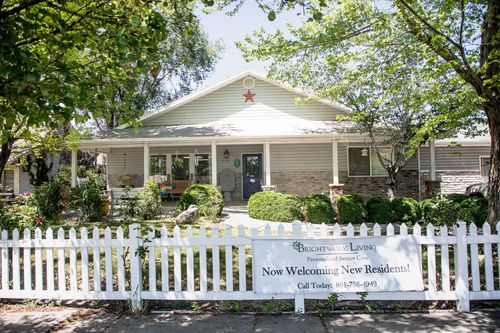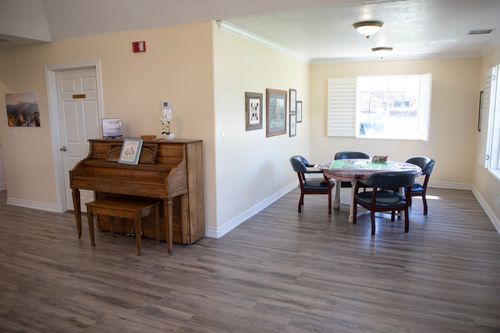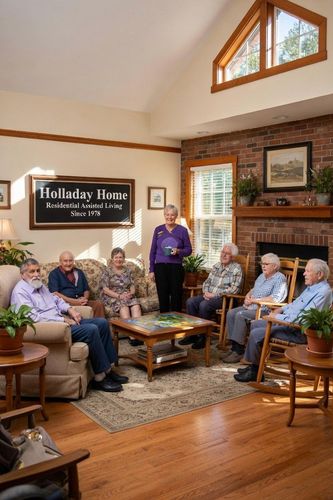

Holladay Home for the Elderly has cared for a small group of residents on Highland Drive since 1978, which makes it one of the longest-running care homes of its kind in the Salt Lake valley. About a dozen older adults live there together with help around the clock, settled into a leafy Holladay neighborhood the home has been part of for decades. That single home is the whole of the city's small-home inventory, 1 residential care home in a suburb otherwise served by larger assisted-living communities, which is why families who want the house-style option here search for it by name.
A family usually lands on a place like this after deciding a resident would rather have a short hallway and a small household than the larger dining rooms and activity spaces of a big community. They are after a caregiver who knows a resident's habits by the end of the first week, and the ordinary quiet of a residential street. Holladay Home delivers assisted-living-level support inside exactly that kind of setting.
Inside Holladay's Longtime Care Home
In a house this size, a caregiver learns within days that one resident takes coffee black and another likes to walk the hall after breakfast. That is the practical difference a small home makes: with roughly a dozen residents under one roof, staff are rarely more than a room away, and the help with everyday tasks, getting bathed and dressed, grooming, staying on top of medications, and a watchful eye overnight, comes from people who actually know each resident. Three meals a day come out of the home's kitchen, and the day runs on the household's rhythm rather than a posted schedule.
The home is licensed for assisted living and has long looked after residents with mild memory changes, the early forgetfulness many families notice first, within that setting. It is not a secured memory-care home, though, so a resident whose dementia advances to wandering or needing a locked environment has reached a stage that calls for a different, secured setting. The honest trade-off is the one every small home carries: fewer organized activities, no fitness center or salon down the hall, a smaller circle of housemates, and no full-time nurse on site, where a large Holladay-area community would keep all of those on hand.
What It Costs to Live at a Holladay Care Home
Holladay Home starts around $4,200 a month, a moderate price for a small, personal setting in one of the valley's more established suburbs, and under the statewide assisted-living average. The reason is overhead: a single house with a lean staff does not carry the cost of a large campus with a commercial kitchen, an activities department, and a long list of extras, so the savings reach the resident.
As with any home, the listed figure is a starting rate rather than the final bill. The base price covers room, meals, and routine support, and what a resident pays beyond that depends on how much hands-on help they need day to day, which is why two residents under the same roof rarely pay the same. Holladay Home accepts Medicaid for residents who qualify, which matters in a setting this affordable, because a family stretching a fixed income gets a licensed local option that may not require leaving the area to find coverage. How that coverage applies depends on a resident's eligibility, and openings at a single twelve-bed house come and go through the year.
An Older Suburb With a Single Small Home
Holladay skews noticeably older than its neighbors: nearly one in five residents is 65 or older, well above the valley and statewide shares, in a city where the median age sits around 40. That older profile means steady local demand for senior care, but it has not produced many small homes, because most of the area's senior-living capacity has been built as larger assisted-living and memory-care communities.
With one residential care home in the city and only about a dozen beds in it, an opening at Holladay Home is genuinely scarce. Families who want the house-style setting here do well to start the conversation early rather than wait for a specific room to come free.
Why a Holladay Family Chooses the Smaller Setting
Part of the draw is the street itself: Highland Drive runs through a settled, tree-lined part of Holladay near the foothills, the kind of block where a resident can sit on a porch and watch an ordinary neighborhood go by rather than look out over a parking lot. For families already rooted on the east side of the valley, keeping a parent in the same familiar area, close enough for a weeknight visit and a Sunday dinner, often outweighs any single feature a bigger building could offer.
None of that makes a small home the right fit for everyone, though: a resident who wants a full activity calendar, regular outings, an on-site gym, or daily nursing care will be better served by one of the larger Holladay-area communities, and choosing that route is a genuine matter of fit rather than settling.
Where a Local Advisor Helps in Holladay
What a family most needs to know about Holladay Home, whether it has an opening right now, whether its license covers the care a resident will need a year from now, and how a resident with early memory changes actually settles in there, is exactly what a listing cannot show. A local advisor who has visited the home can answer those questions, and can flag the point at which a resident's needs would outgrow what a single small house can safely provide.
With one care home in the city, the real value is an honest read on whether Holladay Home fits, plus a strong second choice nearby in case the timing does not work out. Reach out for that, or see the communities we have already vetted to widen the search.