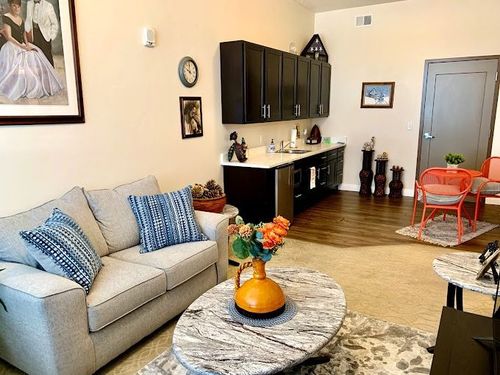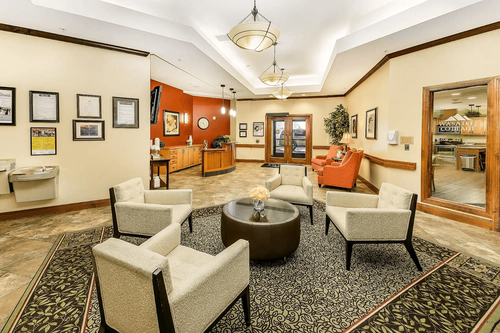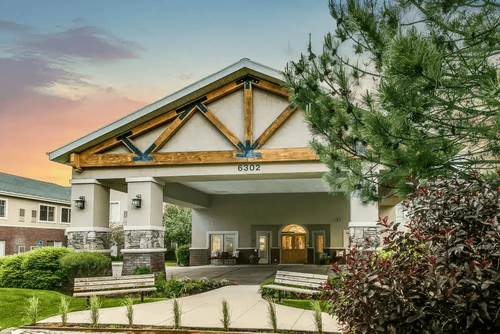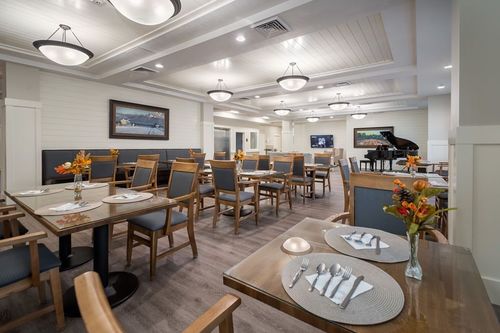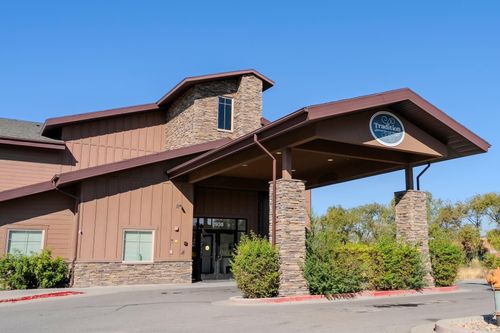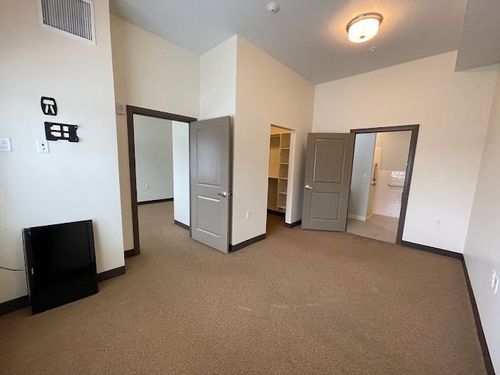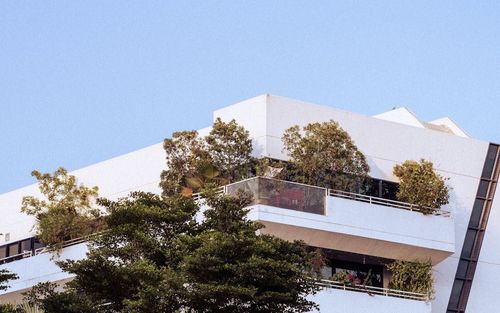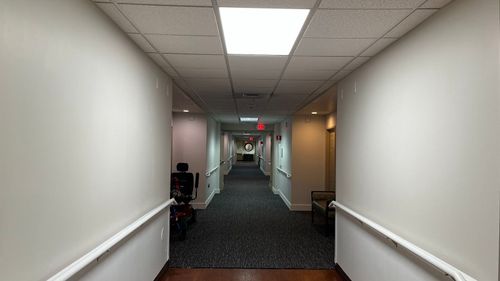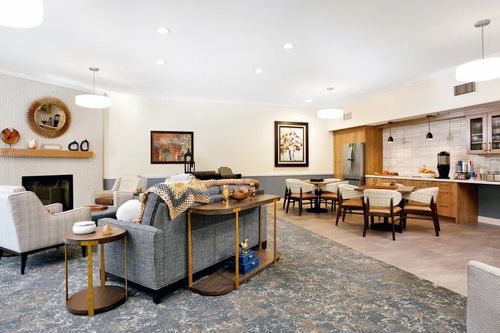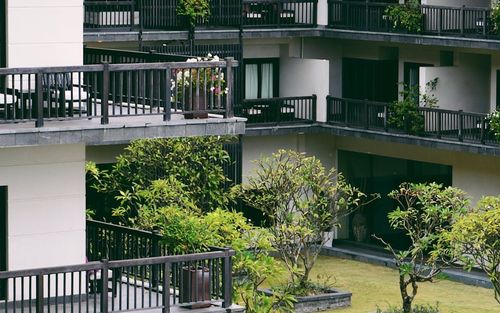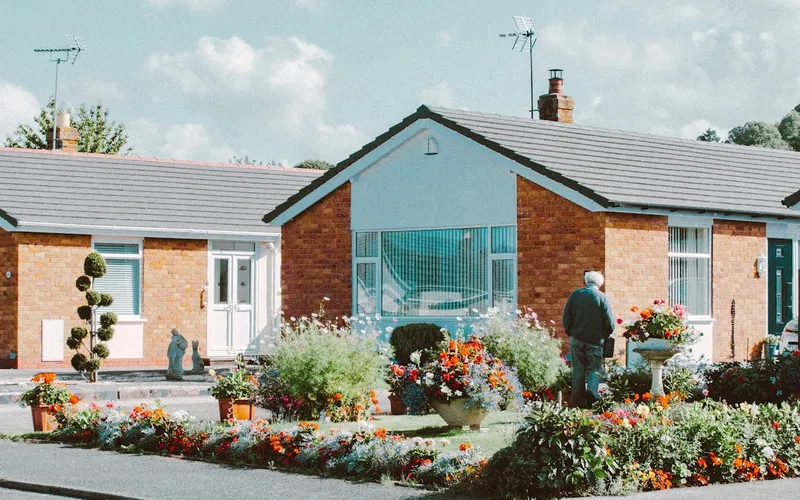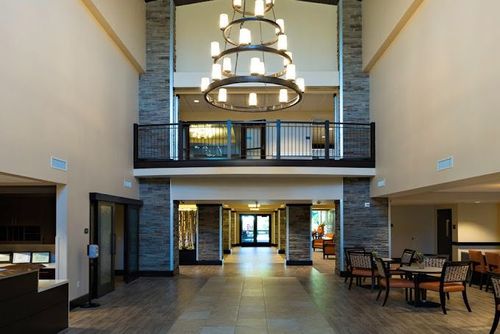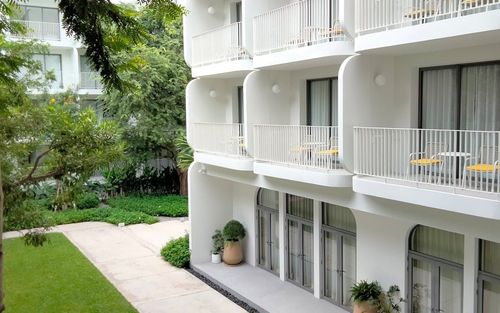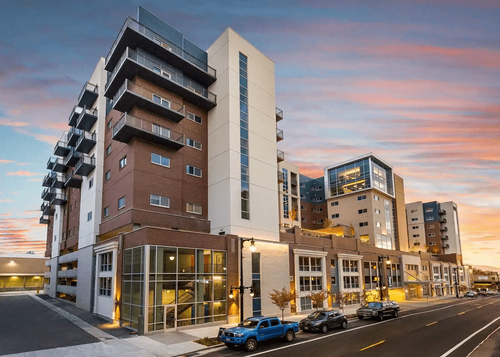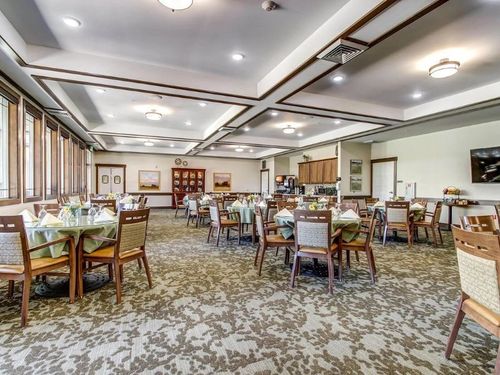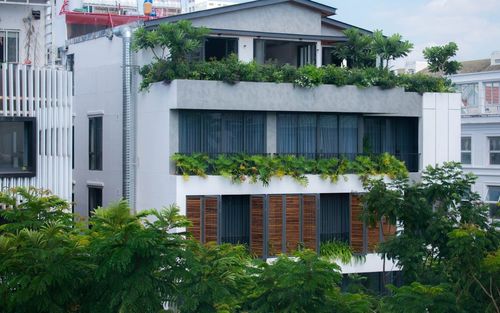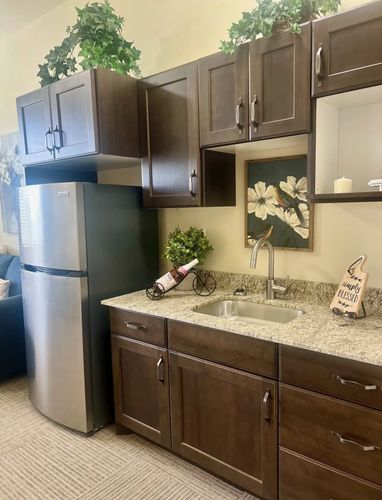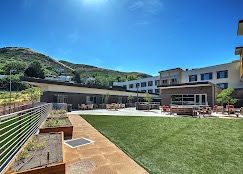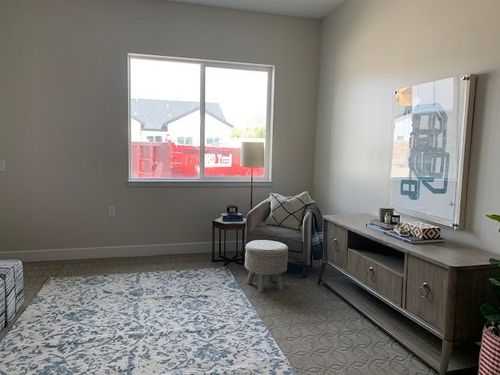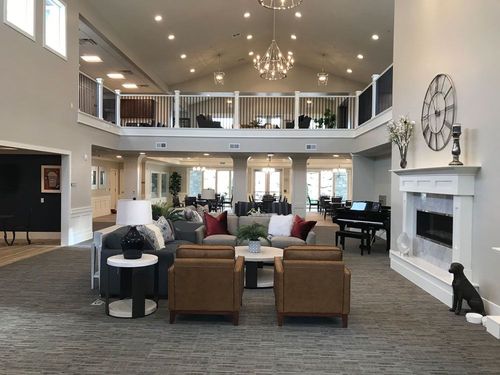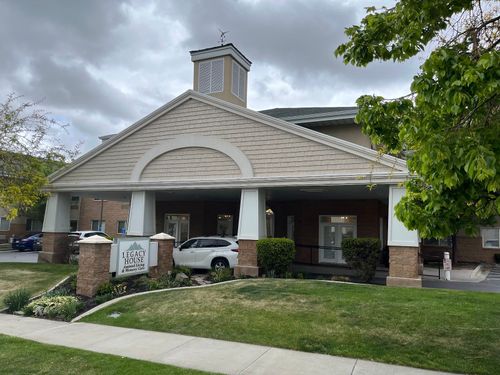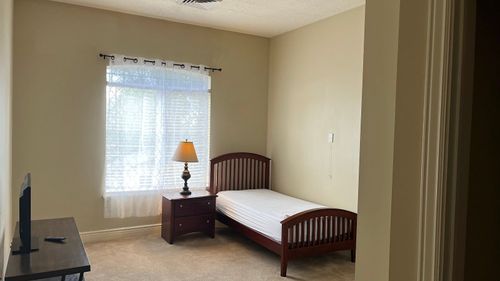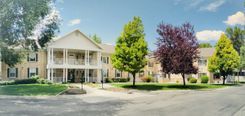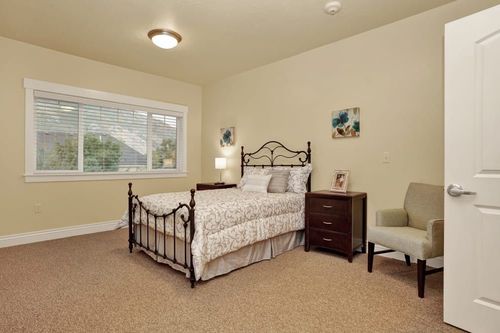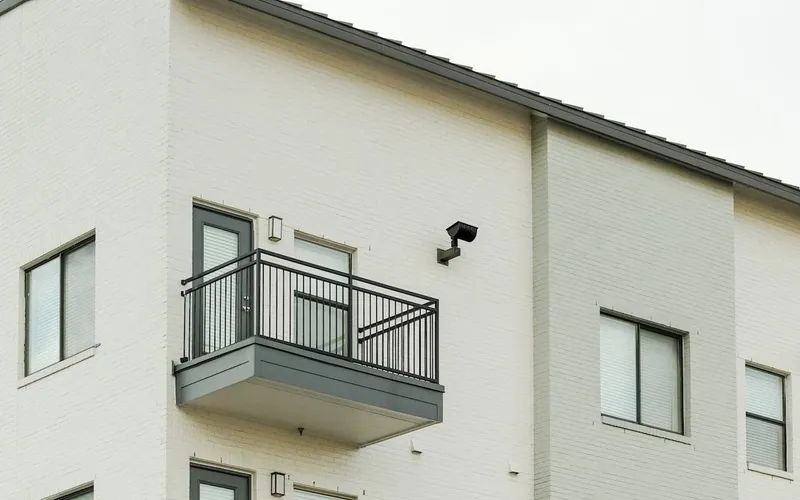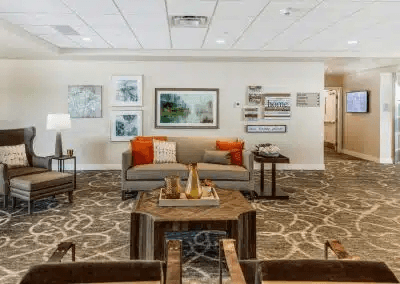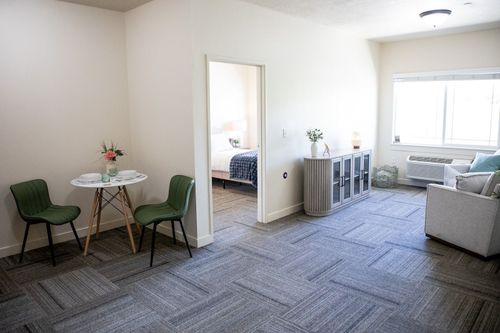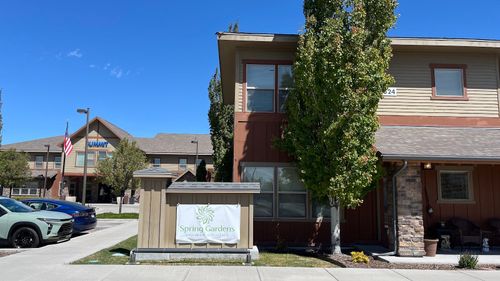

Thirty-six of Spring Gardens Oquirrh Mountain's 117 apartments sit inside a separately secured memory-care neighborhood on the same Avista Senior Living campus that holds the township's assisted-living inventory. The building is the only published dementia-care address inside Kearns, and the 36-apartment scale puts it among the larger dedicated secured-side footprints in southwest Salt Lake County. Door alarms, enclosed outdoor space, elevator codes, and a partnership with SafelyYou for AI-supported fall detection make up the secured-perimeter design.
What that means for a Kearns family: the conversation is less about choosing among competing secured neighborhoods and more about whether the secured side has an opening that lines up with the household's timing, and how the cost picture works alongside any Aging Waiver question. The next-nearest dedicated secured neighborhoods sit fifteen to twenty minutes away in Murray, West Jordan, or West Valley.
Day-to-Day Care
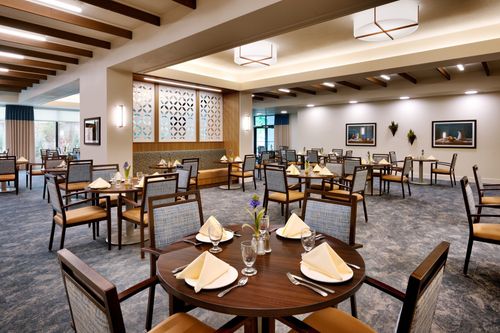
Inside the secured neighborhood, daily life moves to a slower cadence than the assisted-living side: smaller dining groupings, activities pitched at the residents' cognitive level (music sessions, sensory tabletop work, supervised courtyard time, faith-based content), and caregiver coverage thickened through the higher-load late-afternoon and evening hours. The campus chef plates meals separately for the dementia neighborhood from the same central kitchen, with diet textures calibrated to dementia residents.
Clinical complications in dementia care (urinary infections presenting as confusion, post-fall workups, medication interactions, behavioral evaluations) route through Kearns Clinic five minutes away or Jordan Valley Medical Center ten minutes south, while specialist neurology and dementia-specific workups sit at Intermountain Medical Center in Murray fifteen minutes east, or the University of Utah Health geriatric program twenty-five minutes north.
Cost and Coverage
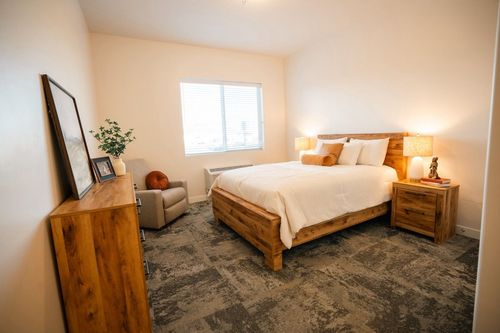
Memory-care rates at Spring Gardens Oquirrh Mountain run roughly $3,900 to $5,500 monthly in 2026, with semi-private suites near $3,895 and studio configurations near $5,450. The secured-side rate covers the apartment, three meals, weekly housekeeping and laundry, utilities and basic cable, the dementia-tuned activity calendar, and the awake-staffed clinical coverage required for the neighborhood. Move-in fees fall $1,500 to $3,500, and respite stays cost $190 to $240 per night.
Avista references a dementia waiver in its public material, though Aging Waiver and New Choices Waiver participation at the Kearns campus specifically is best verified before paperwork begins. Medicaid-track families typically plan against both apartment vacancies and Utah's processing queue.
A Salt Lake County Demand Pattern
Salt Lake County's 142,000-resident senior population anchors a significant dementia caseload, with secured neighborhoods across the southwest corridor frequently running near full. The 36 apartments at Spring Gardens Oquirrh Mountain absorb both in-township demand and a steady share of referrals from West Valley, Taylorsville, Magna, and the corridor south.
Openings typically cycle inside a month and a half on the secured side, stretching when a Jordan Valley or Intermountain discharge cluster surfaces placements in the same week. The dedicated-neighborhood scale produces more frequent openings than smaller secured-wing buildings further out.
Why Families Choose Kearns
Familiar surroundings carry more weight in dementia care than in any other senior-living tier, because moving a cognitively impaired person into an environment they cannot interpret amplifies disorientation the disease is already producing. For a long-tenured Kearns or Magna resident, the in-township campus keeps the geographic context (the Oquirrh range west, the Granite School District blocks east, the familiar West 6200 South strip) consistent.
Visits from adult children working in Taylorsville, West Jordan, or commuting Bangerter stay inside the ten-to-twenty-minute drive that family routines were built around, rather than the half-hour each way a Murray or Sandy placement would impose.
What a Local Advisor Brings to Kearns
Memory-care calls into Kearns typically arrive after a season where overnight safety has begun failing or paid-aide coverage has stopped holding together reliably: a spouse waking at 3 a.m. to find a confused partner at the back door, a hired caregiver calling in sick and impossible to replace fast, behavior shifts surfacing between weekly visits that longer intervals between caregivers cannot bridge.
With one campus carrying the township's dementia-care inventory, the advisor reads the resident's current dementia stage against the secured neighborhood's intake and current availability, and matches the family's planning timing against the campus's apartment cycle. When the secured side fits and an opening lines up, the conversation moves into apartment specifics, the Waiver question, and tour scheduling. When timing pinches, the corridor-wide alternatives in Murray, West Jordan, and West Valley enter the comparison, weighed against the visit-cadence cost of a longer drive.
Reaching out before a Jordan Valley or Intermountain discharge tightens the window keeps the in-township option genuinely in play. Reach out for a planning conversation when memory-care planning begins shaping the family's calendar, or browse the buildings we cover for the broader Salt Lake Valley dementia-care context.