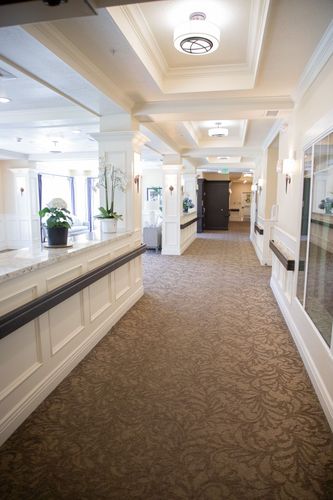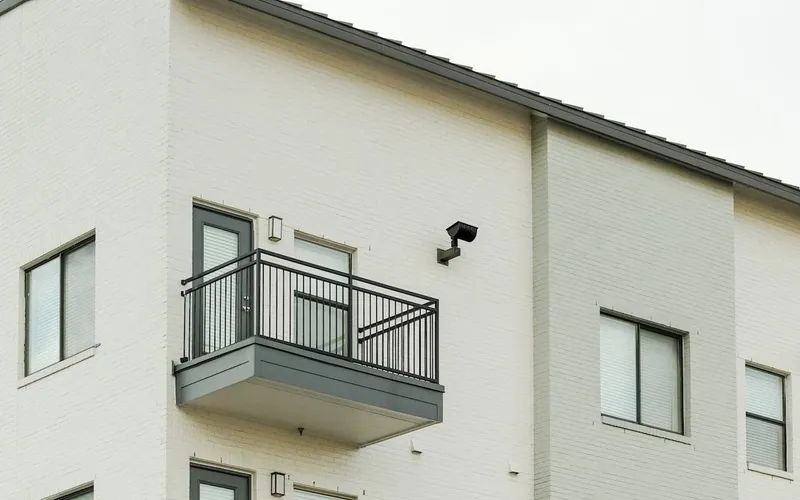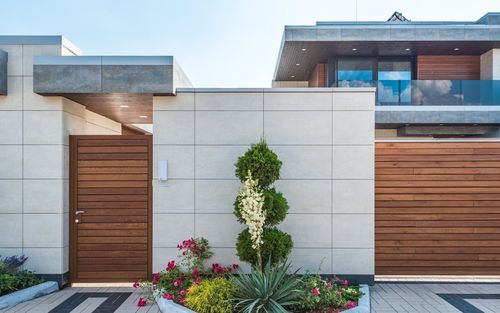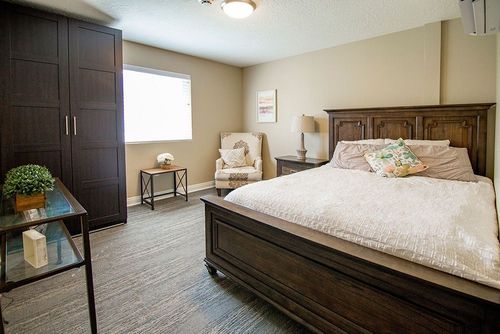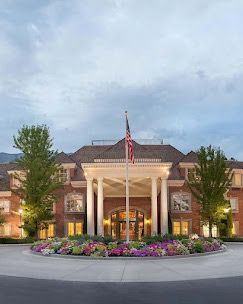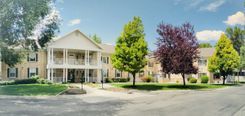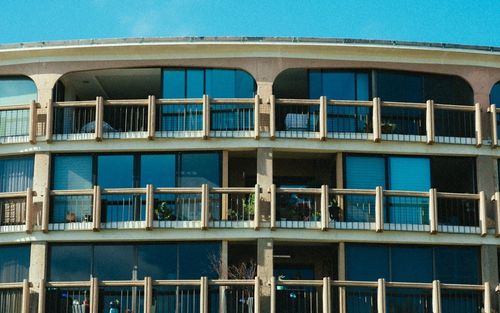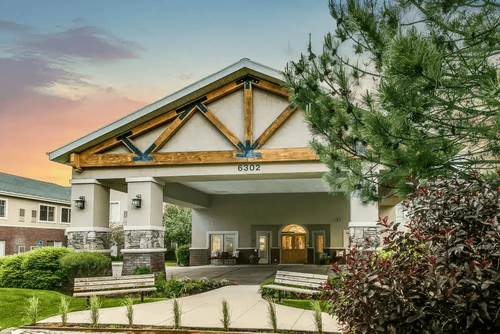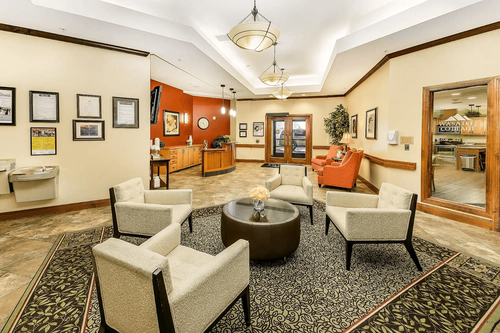

The Avista Senior Living network is what shapes the in-Lindon dementia-care option. Spring Gardens Lindon at 815 West 700 North carries the city's only on-site memory-care setting, a 17-apartment secured neighborhood inside the continuum, and the building draws on Avista's multi-location Utah footprint for standardized care-planning protocols, dementia-training curricula, and clinical-leadership resources that a standalone 17-apartment setting would typically carry less of. For families weighing dementia care, that operational depth matters more than it would for an assisted-living decision, because the standardized behavior-management approaches and care-plan structures translate directly into the resident's daily experience.
The other Lindon factor is what sits within a fifteen-minute drive. The Utah Valley dementia-care corridor (Spring Hollow in Orem, Covington Senior Living and Lake Ridge in Provo, several BeeHive Homes locations) means a Lindon family is rarely choosing between local and nothing the way Heber or Cedar City families sometimes do; the comparison is whether Spring Gardens Lindon is the right specific fit, or whether a particular Utah Valley alternative matches the resident's profile better. Lindon's senior share runs near thirteen percent of the city's twelve thousand residents, higher than the Utah County average because the long-tenured aging-in-place population held steady while the tech corridor reshaped the working-age demographic.
Spring Gardens Lindon's Secured Side, Up Close
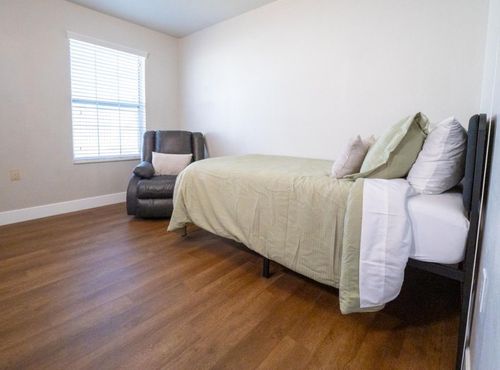
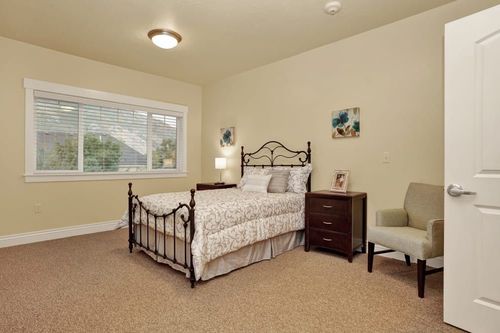
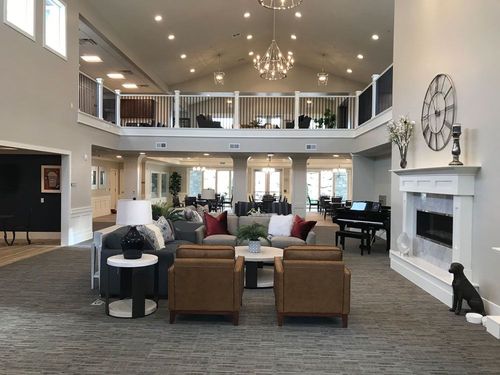
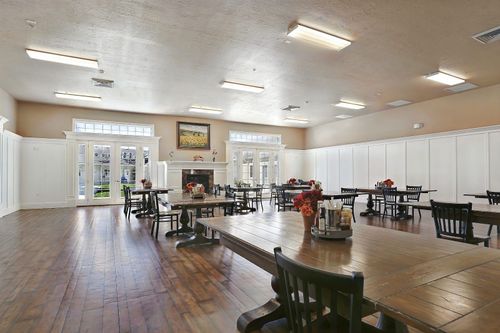
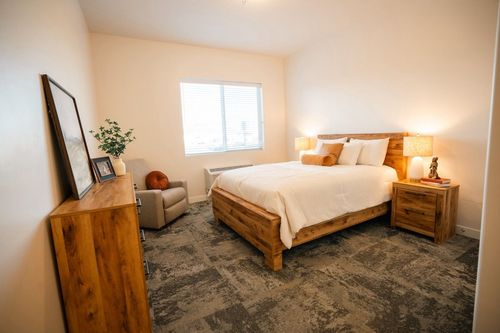
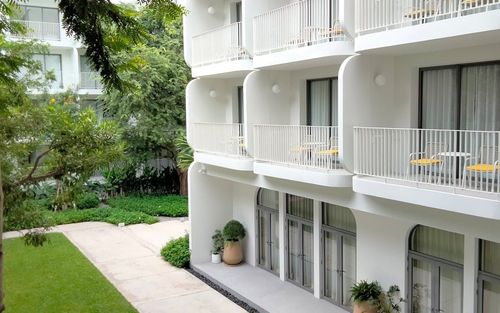
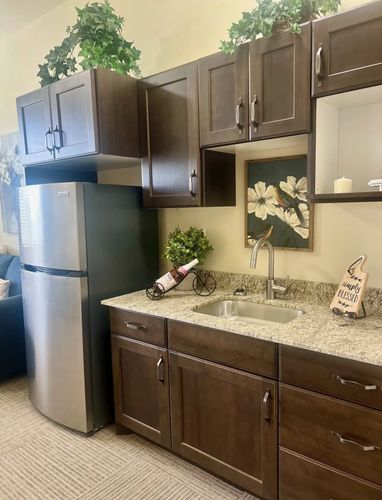
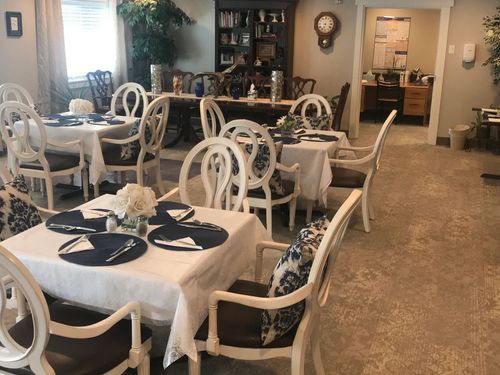
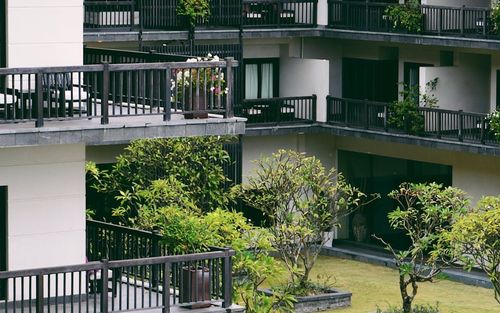
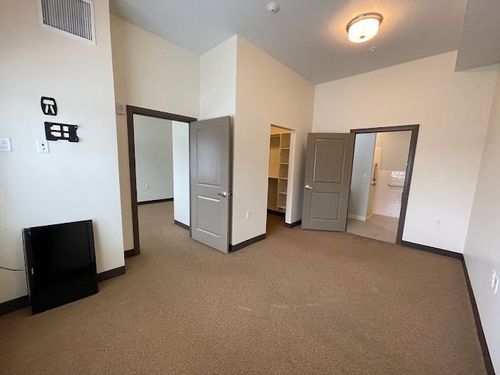
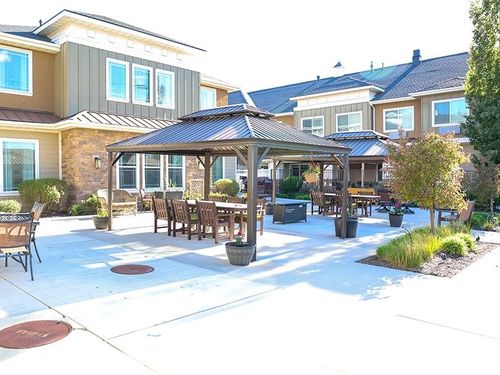
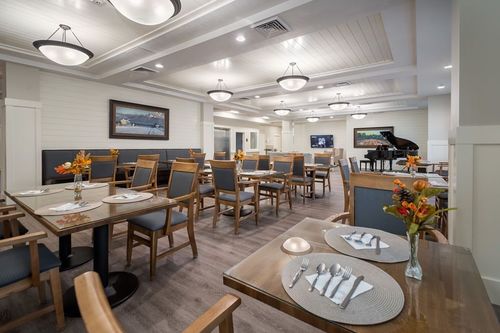
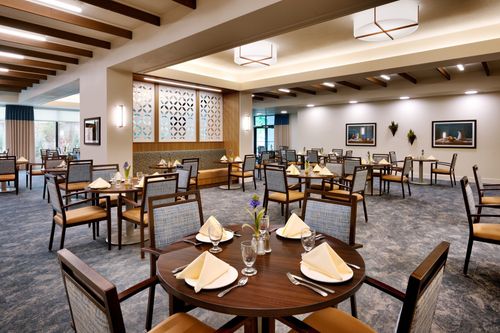
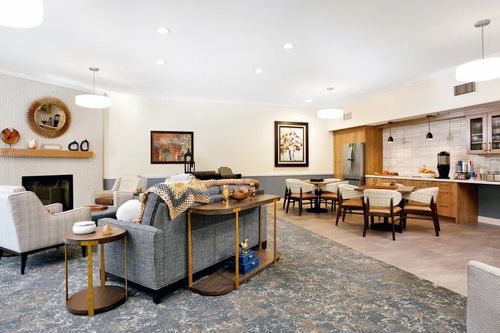
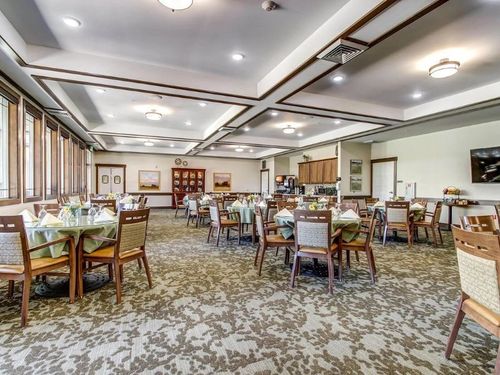
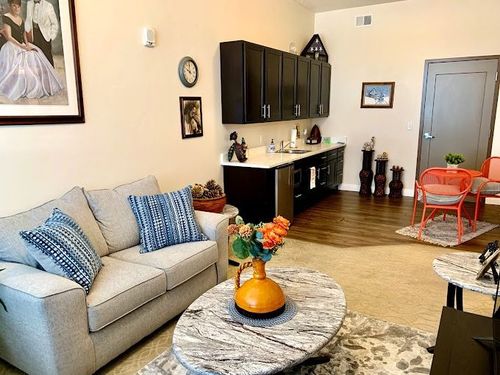
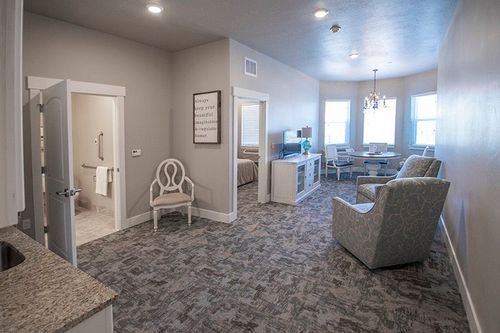
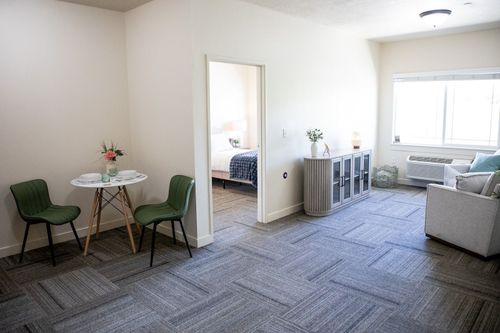
The 17-apartment secured neighborhood at Spring Gardens runs as a structurally distinct space from the larger assisted-living wing, with its own dining room inside the secured perimeter, a secured outdoor courtyard residents use without supervision, and a staffing rotation separate from the rest of the campus. Awake licensed clinical presence holds through the overnight hours. Dementia-trained caregivers cover each shift. The Avista brand's multi-location Utah footprint brings standardized care-planning approaches and clinical-leadership resources into a 17-apartment setting that, as a standalone, would carry less of that operational depth.
The 17-apartment size puts Spring Gardens Lindon in the mid-range for secured neighborhoods statewide. Smaller than the largest Utah Valley dementia wings (Lake Ridge runs deeper, for example), but well above a small-residential dementia setting that might handle five or six secured beds attached to an assisted-living home.
Cost and Coverage
Secured-side pricing at Spring Gardens Lindon starts in the mid-$4,000s and tops out around $6,200 a month in 2026. The lift over the building's assisted-living wing comes to roughly a thousand dollars on the upper end and funds the staffing pattern state licensing requires for a dedicated dementia neighborhood (round-the-clock awake clinical coverage, dementia-trained caregivers on every shift, perimeter and courtyard monitoring). Apartment configuration is the primary variable inside the band, with behavioral or supervision needs above the baseline pushing higher.
Waiver participation is not part of Spring Gardens Lindon's path today, so a Medicaid-track Lindon family lands at the same practical place: looking at the Utah Valley dementia-care buildings that do participate, which sit a five-to-fifteen-minute drive away. That kind of in-corridor Aging Waiver depth is genuinely a Utah Valley advantage; many smaller communities elsewhere in Utah have no participating dementia-care option within a reasonable drive at all. Move-in fees on the secured side run $1,400 to $4,200, with respite stays priced at $180 to $250 per day.
Demand and the Wait Dynamic in Utah Valley
Lindon's senior share runs near thirteen percent of the city's twelve thousand residents, higher than the Utah County peer average because the long-tenured aging-in-place population stayed steady while the tech-corridor reshaped the younger working-age demographic around them. Spring Gardens Lindon's 17-apartment secured side typically opens an apartment every four to six weeks for standard configurations, with the timing stretching when a hospital event sends a wave of dementia placements through the corridor in the same week.
The wait dynamic looks different in Lindon than it does in more isolated parts of Utah for a structural reason. Multiple deeper Utah Valley secured wings sit within ten to fifteen minutes south, so when Spring Gardens Lindon cannot meet the family's timing, the alternative is a same-corridor move rather than a long-distance one. That distance flexibility tends to keep families from feeling forced into a placement they would not otherwise have chosen.
Why Families Choose Memory Care in Lindon
The core appeal of staying inside Lindon for memory care is consistency: ward connections built over decades, a familiar route to the family doctor at Timpanogos Regional, the medical relationships along the State Street and Geneva Road corridors, and the small-suburb identity that has shaped a long-tenured resident's daily life. For a dementia resident, those familiar reference points matter more than they do for other care types, because the cognitive disorientation that comes with a new environment is genuinely heavier when memory itself is the system under stress.
The Avista brand-network depth at Spring Gardens Lindon also matters in a way it might not for other care types. Dementia care is a domain where standardized protocols (behavior-management approaches, care-plan structures, dementia-training curricula) translate directly into the resident's daily experience. A 17-apartment secured neighborhood that draws on a multi-location operational network typically delivers a tighter clinical baseline than a standalone same-sized setting would.
What a Local Advisor Brings to Lindon
A Lindon memory-care call typically follows the same trigger pattern Utah families face statewide (overnight supervision at home has stopped being safe, wandering risk has become active, the household's caregiver has run past sustainable bandwidth), but the conversation runs differently than it would in a more remote part of Utah. The advisor's opening move is reading Spring Gardens Lindon's secured-side availability against the family's window AND lining up close-by Utah Valley alternatives in the same call rather than separately.
Most Lindon families end up choosing Spring Gardens Lindon when it lines up, because the local-consistency reasons (a familiar route, the medical relationships built along the State Street corridor, the Lindon ward connections) carry weight on the decision. But the comparison call is genuine. When the family's budget needs Aging Waiver coverage, the advisor pulls availability at Spring Hollow, Lake Ridge, Covington, or BeeHive Homes; when the dementia profile suggests a deeper clinical setting than 17 apartments naturally support, the advisor surfaces the same alternatives for a different reason. The Utah Valley corridor's depth means the Lindon family is choosing among real options rather than between local and nothing.
A planning conversation that starts before a hospital event compresses the timing gives the family room to compare those choices on the family's terms. Call to talk through a memory-care plan when the diagnosis is starting to shape the household's planning, or look through the directory for context on the full Utah Valley dementia-care set.