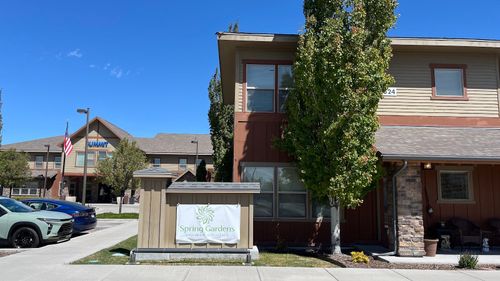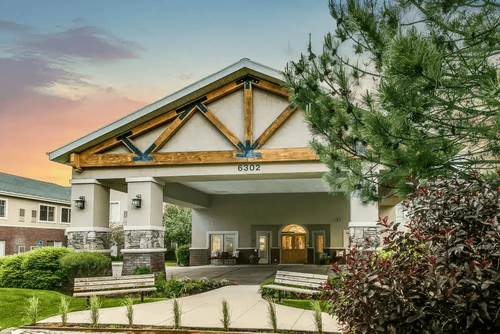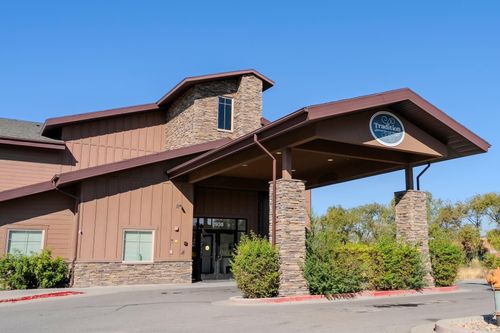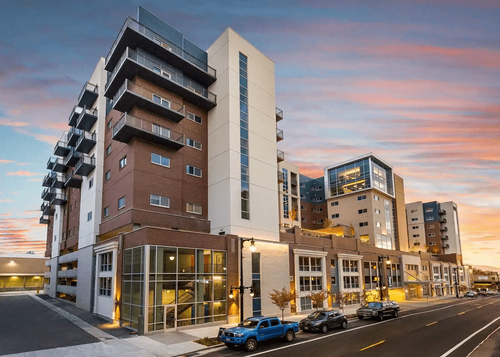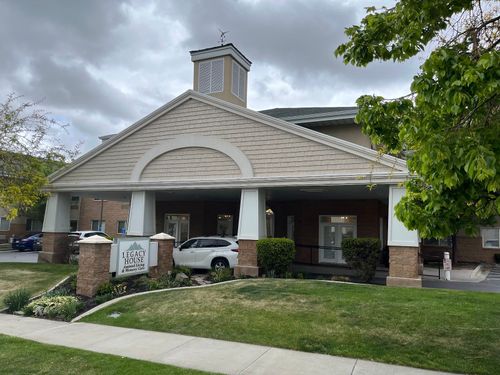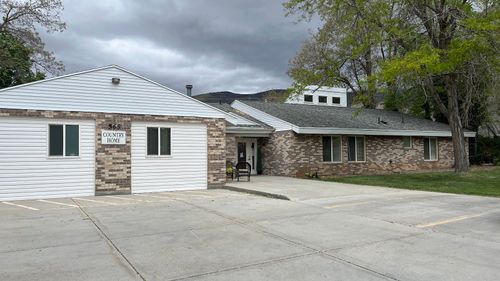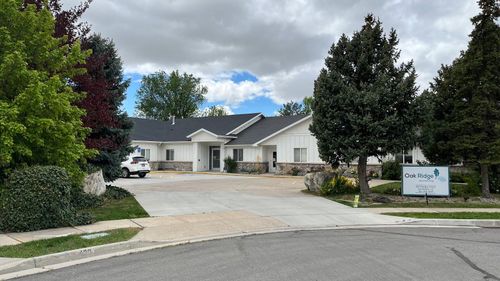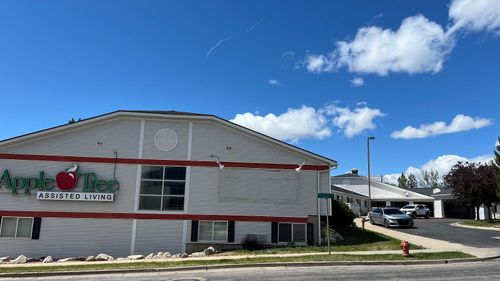
Kennecott Copper has shaped Magna's economy for more than a century, and the township of roughly 32,440 residents on the western edge of Salt Lake County still carries the Main Street fabric, ward depth, and west-bench household ties that the mining workforce built. One published assisted-living address sits inside city limits: BeeHive Homes of Magna on South 8000 West, a 16-bedroom residential building in the broader BeeHive Homes Utah network that has opened similar small-format settings across more than thirty cities statewide.
A single in-city building means the local choice usually turns on whether the residential-format model fits the resident or whether broader west-valley alternatives across West Valley City, Kearns, and West Jordan suit the situation better. Roughly 2,600 of Magna's residents are sixty-five or older, a senior share lower than Salt Lake County overall but anchored by long-tenured west-side families whose ties go back to the Kennecott workforce and the older Main Street core.
Daily Care in a Residential Setting
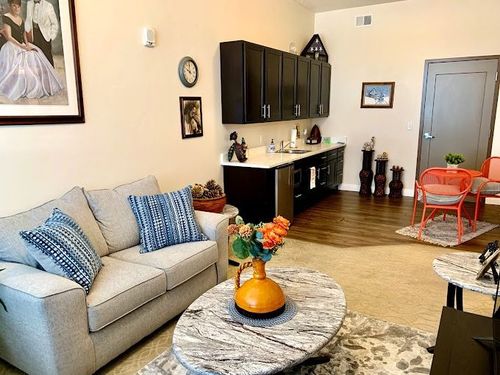
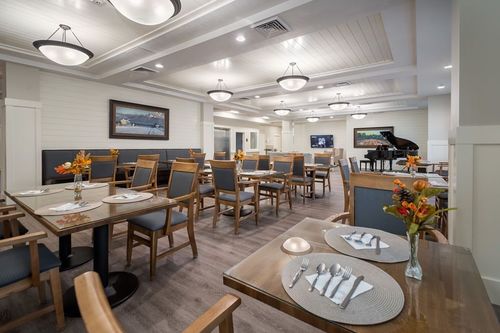
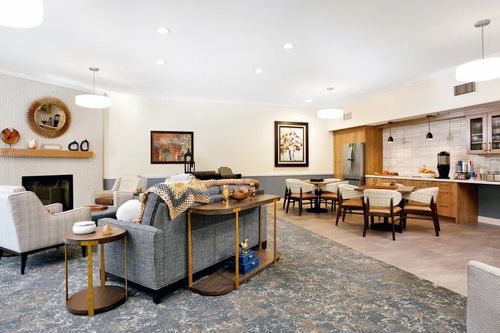
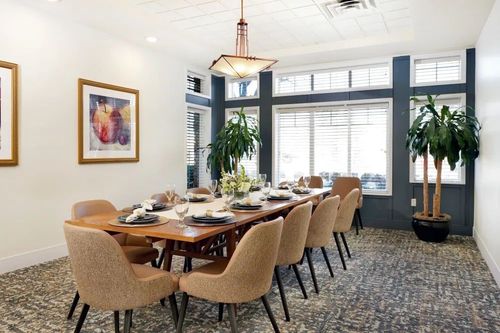
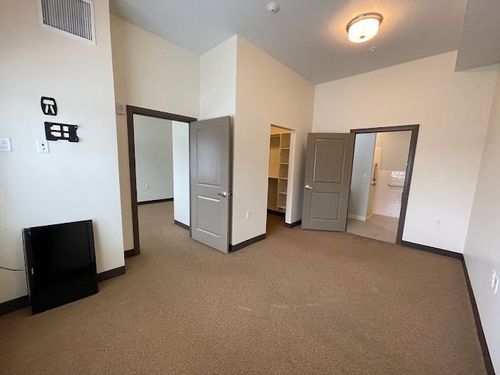
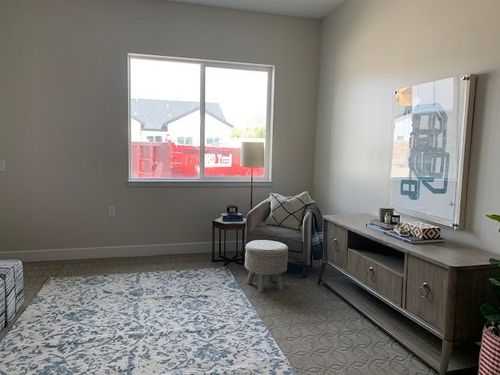
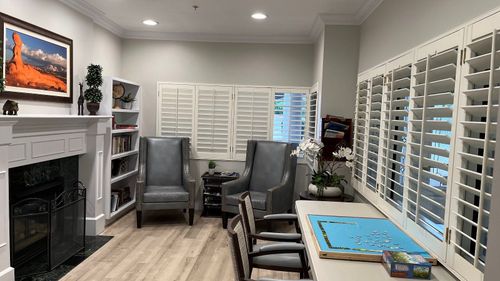
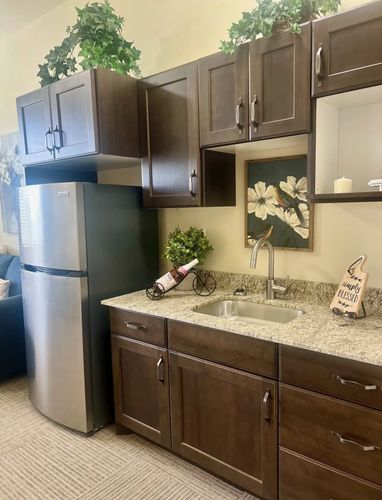
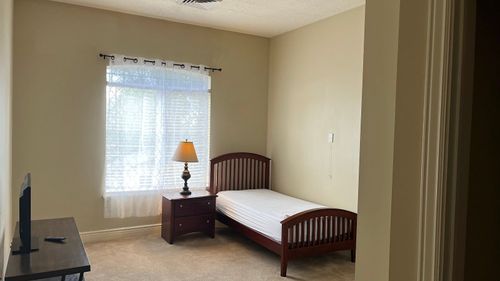
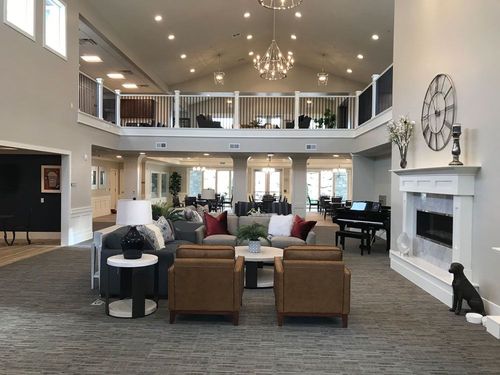
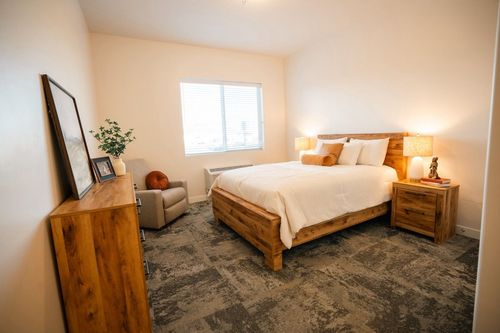
BeeHive Homes of Magna runs at a scale where one shared common area covers the resident group, every caregiver learns names and lifetime stories quickly, and the same staff faces appear across shifts. Each resident has a private bedroom and bathroom with an ADA-accessible shower; meals are home-cooked from an in-house kitchen, housekeeping and personal laundry sit inside the offering, and short-term respite serves families needing post-surgery coverage.
Residents lean on the staff for what the household no longer carries reliably: medication management on schedule, bathing fit to preferences, dressing help, and a steady arm for the walk between rooms. The household-scale setting reads more like an extended family than an institution, which lands well with long-tenured Magna families used to the older west-bench pace.
Cost and Coverage
The monthly assisted-living rate likely runs $3,900 to $5,000 in 2026, tracking the west-side residential-format range. Bedroom configuration shapes the entry figure, and the daily-support level the resident draws on shapes the spread inside the band. Move-in fees fall $500 to $2,500 depending on bedroom and timing, a shared bedroom adds $400 to $700 monthly for the second resident, and respite stays cost $130 to $190 per night when a bedroom opens up.
The building runs on private pay; the broader BeeHive Homes Utah network is generally positioned outside the Aging Waiver participating set. Medicaid-track Magna households typically need to look at participating west-valley addresses across West Jordan, Kearns, and Murray, which an advisor can map against where the family already lives and visits. A qualifying veteran or surviving spouse can sometimes stack VA Aid and Attendance benefits onto private-pay billing after a care assessment clears.
Healthcare Access on the West Bench
The surrounding Salt Lake Valley hospital network anchors clinical care for Magna residents. CommonSpirit Holy Cross West Valley and Pioneer Valley Hospital fifteen minutes east handle most acute-care work, including emergency services, inpatient rehabilitation, and the surgical and cardiology workups that surface as residents age. Jordan Valley Hospital south in West Jordan adds a second acute-care option for inpatient rehab and specialty escalations. Higher-acuity routes run into the downtown Salt Lake corridor.
Smith's and Walmart along the Magna and West Valley commercial corridor cover grocery, prescription, and Walgreens stops within a short drive. The Great Salt Lake shoreline trail and the Kennecott-era heritage sites give visiting grandchildren and weekend family days a recognizable west-side footprint.
Why Families Choose Magna
Staying west-side pulls most placements toward the BeeHive Homes address. Adult children running households across Magna, Kearns, West Valley City, and the western edge of West Jordan preserve a short-drive visit cadence the way no downtown or East-bench placement could. Kennecott-era history, the Main Street pace, and the ward and family fabric all stay accessible after the move.
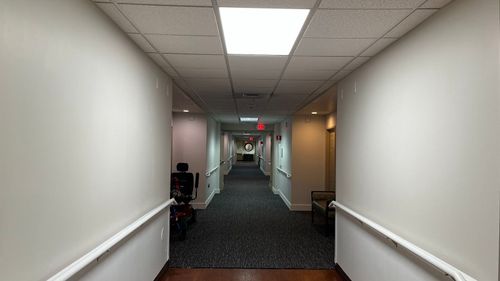
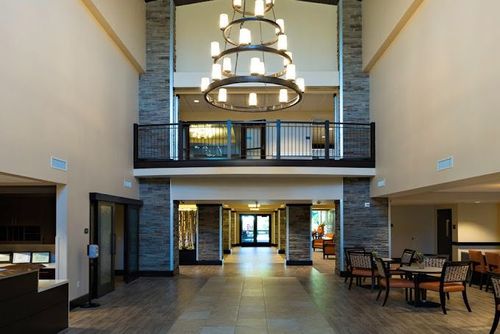
The residential-format model itself matters culturally for families who specifically prefer a small shared home over a sixty-apartment corridor. Many local placements name that single preference as the biggest reason the in-city building got the call over larger Salt Lake County campuses.
What a Local Advisor Brings to Magna
Local calls usually surface through slow accumulation: medication routines slipping, daily-task support arriving as a recurring need rather than an occasional ask, family-care hours that started at a few each week steadily climbing, and (often) a fall-risk evaluation prompted by a recent near-miss at home. Reading the in-city building's bedroom availability against the family's planning window is where the advisor's call typically begins.
When the residential format fits, the conversation moves into bedroom selection, the care-services scope inside the monthly figure, and how the resident's primary-care relationships translate to the new address. When timing or care-scope expectations point elsewhere, broader west-valley alternatives come in alongside Waiver-participating inventory for Medicaid-track households and larger continuum campuses for families anticipating a future memory-care progression.
Reaching out before the timing window narrows opens the planning room west-side families need.