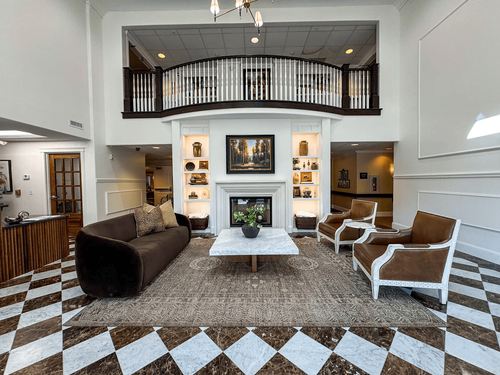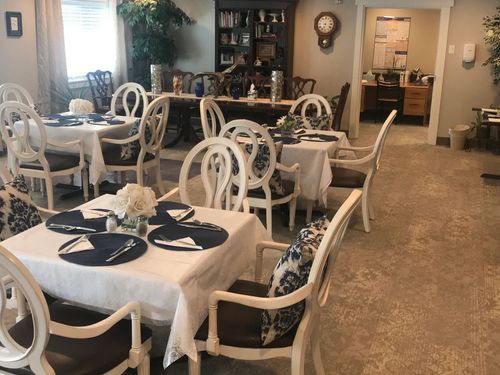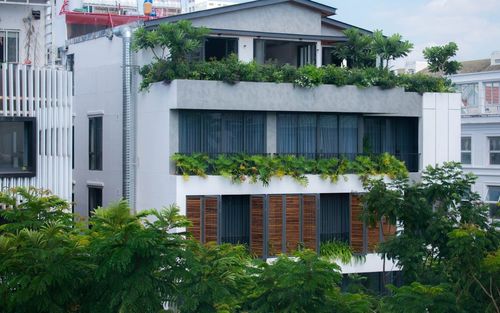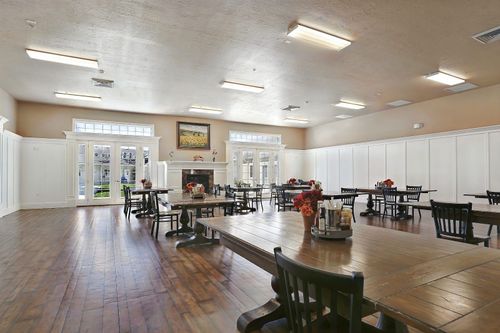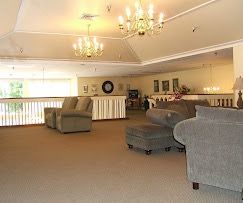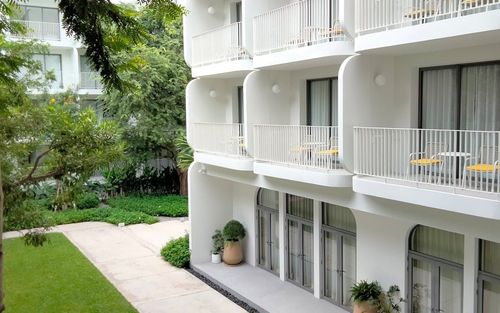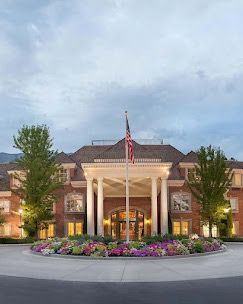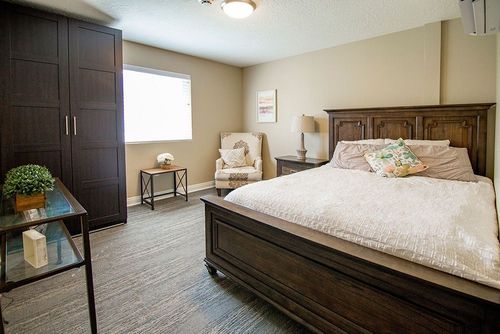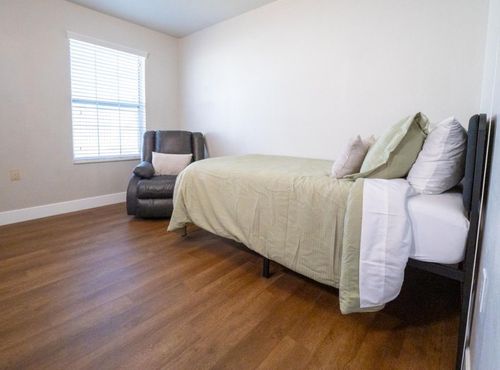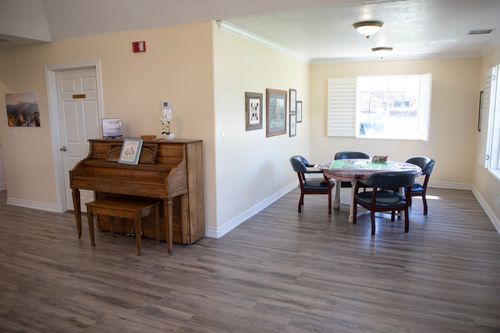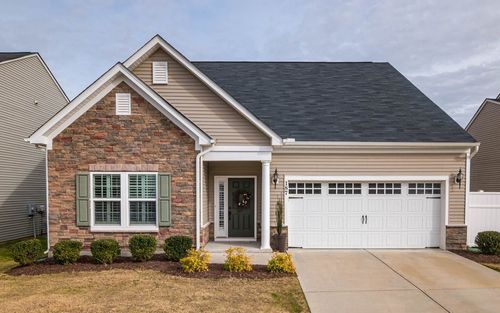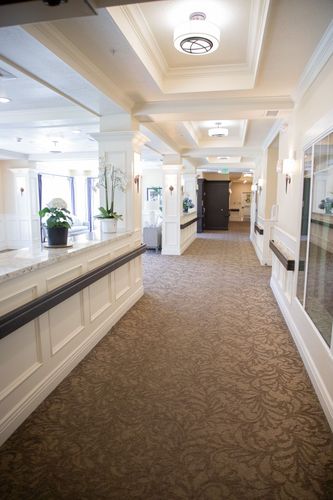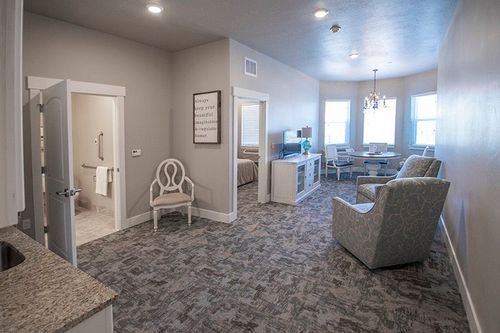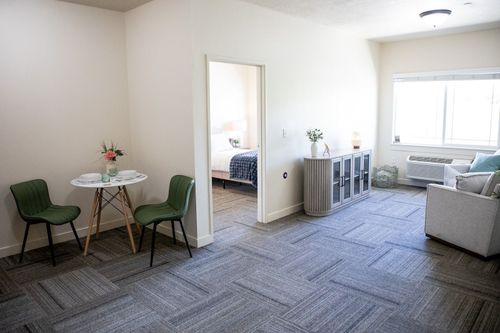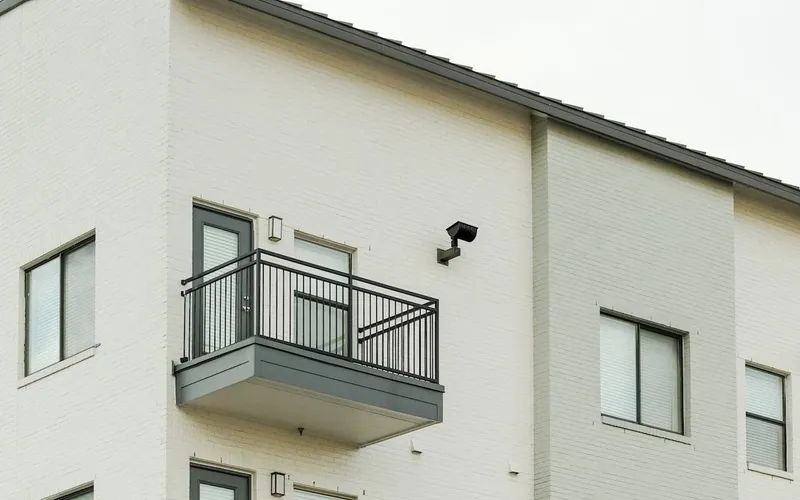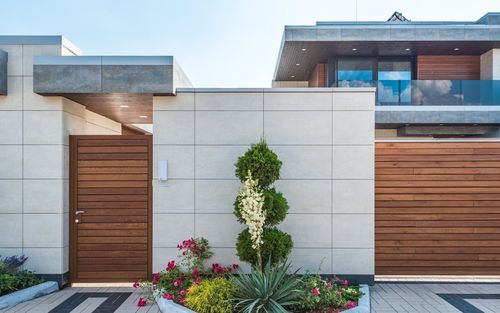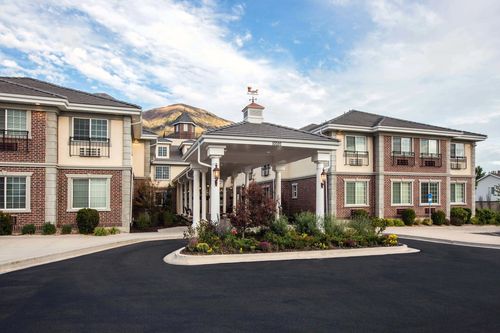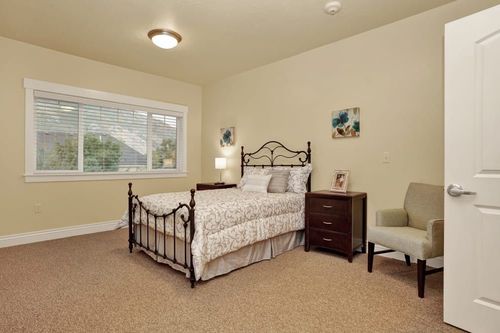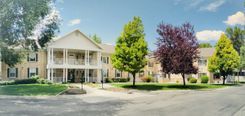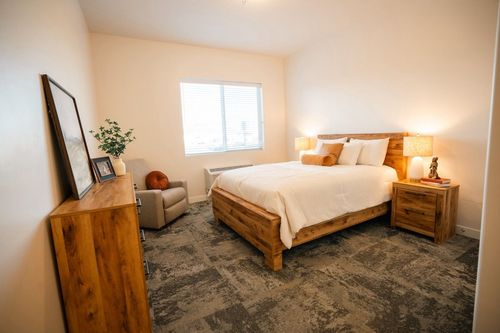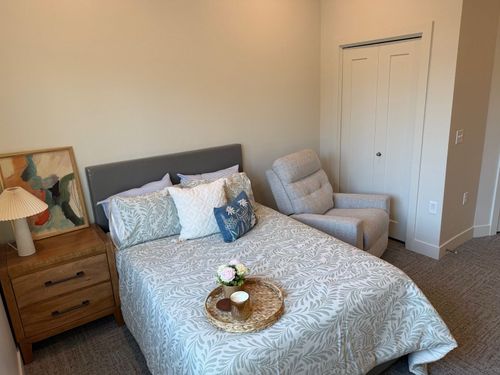
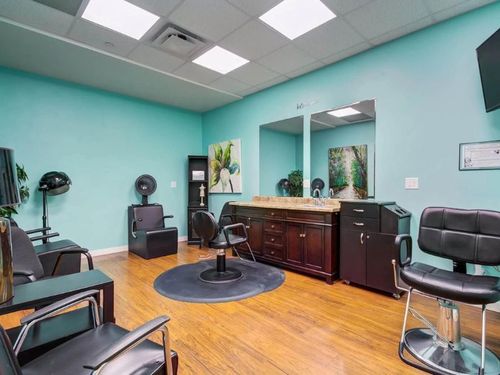

Mapleton's two assisted-living buildings sit at opposite ends of a meaningful scale gap. Maple Landing on 300 South runs as a 24-apartment residential-home setting; Spring Gardens Mapleton on 800 South runs as a 72-apartment Avista Senior Living campus that pairs assisted living with a secured memory-care wing. Both welcome small pets. Neither currently takes Medicaid Aging Waiver residents, so for a Mapleton family the affordability path runs through private pay regardless of which building fits better.
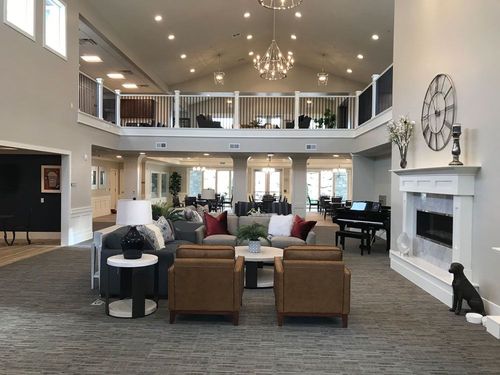
The scale gap is the decisive lever in most Mapleton assisted living conversations. Maple Landing reads like a larger family home: one dining room, a small care team that knows each resident's preferences quickly, a calendar of small-group activity rather than a multi-track schedule. Spring Gardens runs more like a small campus: a separate dining program, a wing-by-wing staff rotation, an activity calendar with multiple tracks the larger resident count can support, plus the option of an in-building step-up to the secured memory-care neighborhood when needs eventually shift.
Daily Support and the Resident's Independence
Maple Landing's 24-apartment day-to-day looks closer to large household life than to senior-living-campus life. Residents share more common spaces, see the same caregiver faces consistently, and the dining program runs at one shared seating rather than multiple time slots. The pet policy is more flexible at the small scale and matters to Mapleton families whose long-tenured horse-property life has always included dogs or cats; the trade-off is that scheduled bus outings, larger-group activities, and the variety of activities a bigger campus carries are not part of Maple Landing's standard week.
Spring Gardens Mapleton, at 72 apartments, runs as a multi-wing setting. The assisted-living wing operates with its own dining room and calendar separate from the secured memory-care neighborhood, the care-team rotation covers the wing rather than the entire building, and the bus calendar reaches Salem, Springville, and Spanish Fork for shopping, dining, and group outings on a regular schedule. The Avista brand's broader multi-location footprint brings shared care-planning approaches and operational standards into a 72-apartment setting that, as a standalone, would carry less brand-network depth.
Pricing and Affordability
Maple Landing sets the bottom of the local range at $4,300 on its 24-apartment residential format; Spring Gardens Mapleton starts close behind at $4,495 on its 72-apartment Avista campus; both stretch toward $5,800 once care-tier ratings climb and apartment configurations vary in 2026. The narrow gap at the entry level widens as care-tier ratings climb at the move-in assessment or as care needs evolve, with apartment configuration and add-on services pulling the upper end of the band. Move-in fees land in the $1,000 to $4,500 range depending on the building and apartment, a couple sharing adds roughly $700 to $1,000 per month, and respite stays cost $170 to $230 per night.
Neither Mapleton building currently participates in Utah's Aging Waiver, which makes assisted living in Mapleton essentially a private-pay decision. For Mapleton families whose budget requires Medicaid support, the practical search broadens to participating Utah Valley addresses (Orem, Pleasant Grove, Provo, Springville) typically inside a fifteen-minute drive of Mapleton itself.
A Foothill-Suburb Senior Population
Mapleton's identity over the past two decades has shifted from a quiet bedroom community at the base of Maple Mountain into one of Utah County's more affluent suburbs, with one of the state's higher median household incomes and a homeownership rate near 87 percent. The senior population (around 1,400 residents over 65, roughly nine percent of Mapleton's 15,000) has held steady alongside a rapid influx of younger families, mostly because the long-tenured large-lot horse-property households have aged in place rather than moved on as the city grew around them.
That homeownership-and-large-lot pattern shapes Mapleton's assisted-living timing in a specific way: many Mapleton seniors put off the conversation longer than peers in denser Utah County cities, leaning on private home-health services to extend the home stay while the household financial cushion supports it. By the time the conversation reaches the planning stage, it is often more advanced than it would be in a less-resourced community. Both buildings turn over apartments at roughly four-to-six-week intervals for standard configurations, with longer waits when Mapleton families with established home-health setups eventually decide together that the building move makes sense.
Why Families Choose Assisted Living in Mapleton
The Maple Mountain foothill setting is part of the appeal for a Mapleton senior who chose this side of Utah County originally for the canyon access, the trail network at Maple Canyon and the Bonneville Shoreline approaches, and the larger-lot residential pace that distinguishes Mapleton from denser Orem-and-Provo neighborhoods. A move to either Mapleton assisted-living building keeps those visual and routine reference points in place. Adult children working in Provo, Springville, or up at the Spanish Fork side of the corridor reach either building inside ten to fifteen minutes.
Intermountain Spanish Fork Hospital, four miles east on 400 South, handles the routine medical and emergency-room work for Mapleton residents in either building, while Utah Valley Hospital fifteen minutes north covers cardiac, oncology, and trauma escalations. The familiarity of Spanish Fork's smaller-hospital scale matters to longtime Mapleton households whose primary-care relationships have routed through that campus for years.
What a Local Advisor Brings to Mapleton
When a long-running home-health setup at a horse-property address finally reaches the day the adult children agree together that another stretch of paid aide hours will not hold, the Mapleton conversation typically reaches the advisor weeks or months later than the same conversation would in denser Utah County suburbs. By the time the call lands, the home arrangement has usually been stretched as far as the household and home-health team can sustain it. The advisor's first move is to read both Maple Landing and Spring Gardens against the resident's current care-tier needs and the family's planning preferences (small-residential feel versus larger-campus structure; same-building memory-care continuum versus assisted-living-only).
For families whose long-horizon plan includes an eventual memory-care transition, Spring Gardens Mapleton's continuum structure is usually the more practical first stop. For families whose resident is firmly stable at assisted-living level and where the household pace fits a smaller residential setting better, Maple Landing is often the right answer. For Medicaid-track families, the practical conversation pivots to the participating Utah Valley addresses outside Mapleton, since neither local building currently participates.
Reaching out before the home arrangement is in clear distress preserves the room to consider both buildings on their merits rather than taking whichever has an open apartment that week. Talk it through with an advisor when assisted living is approaching the household's planning horizon, or look through our directory for context on the wider Utah County senior-living set.