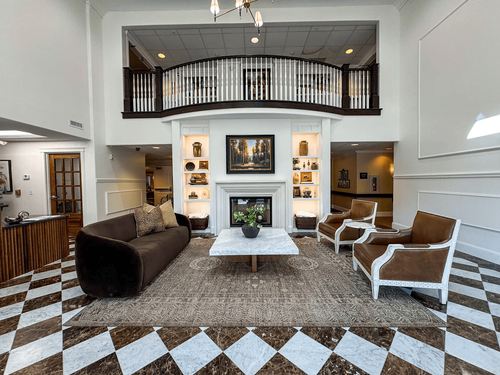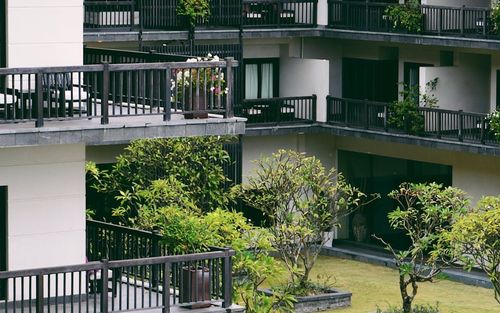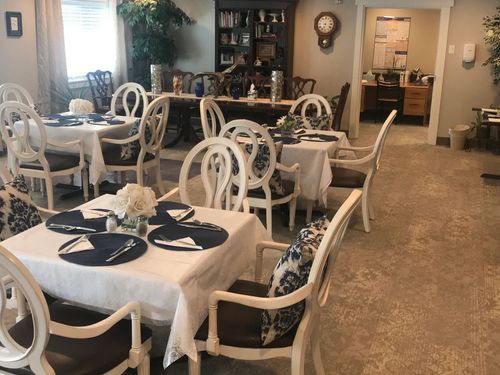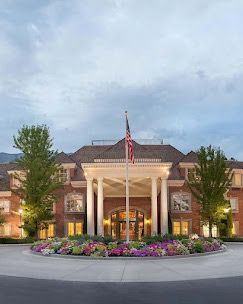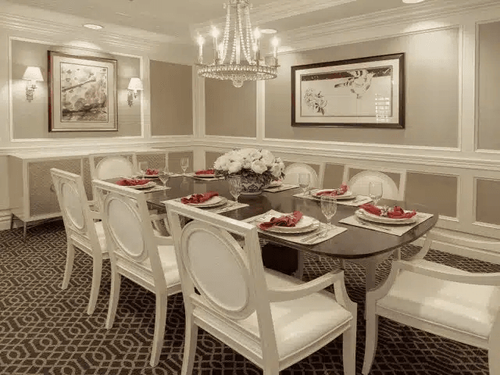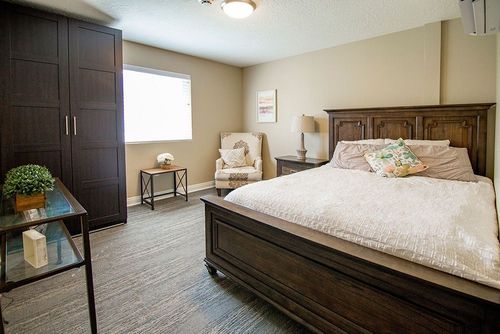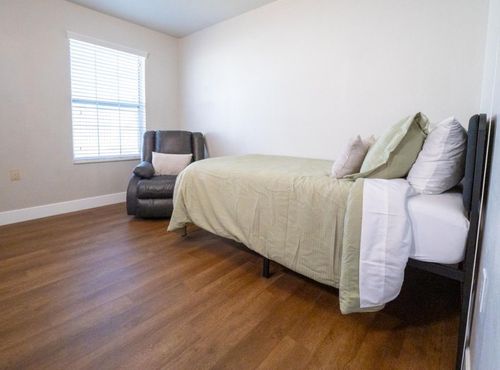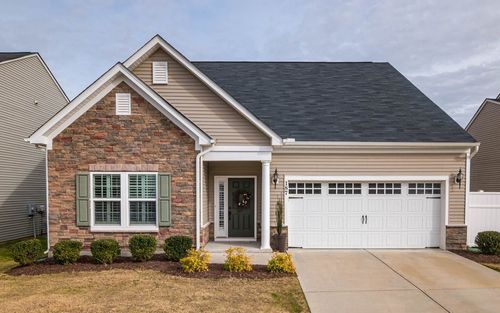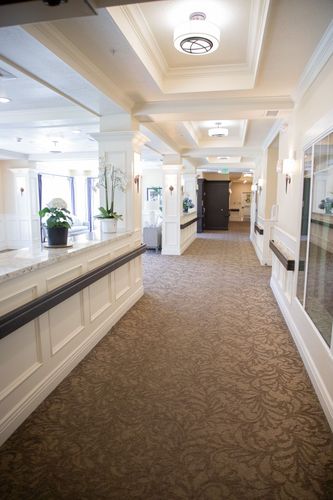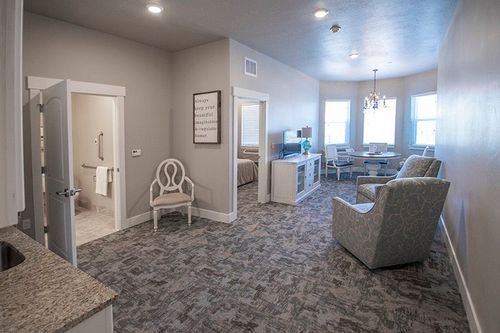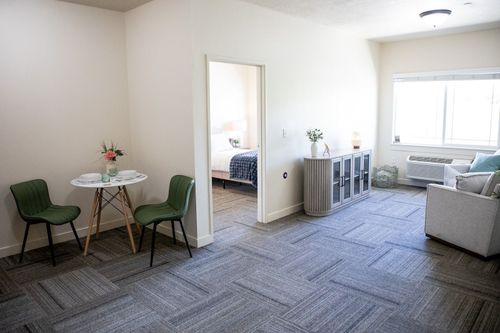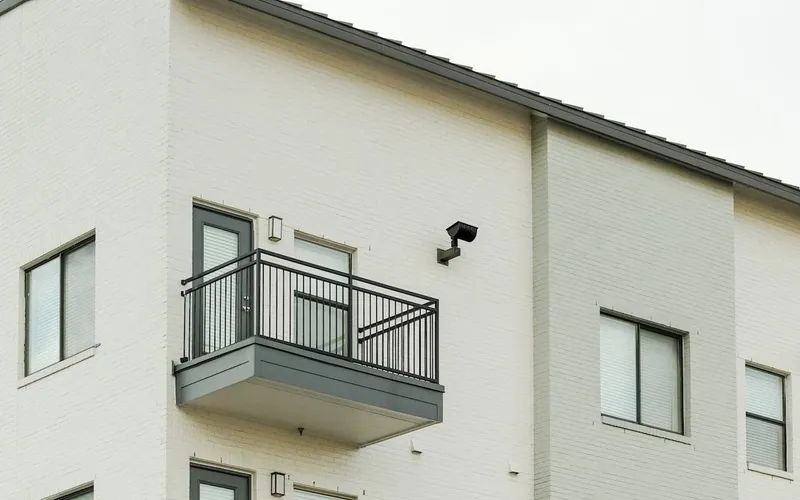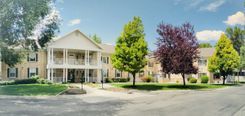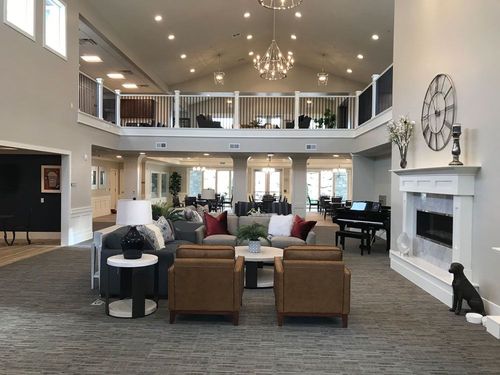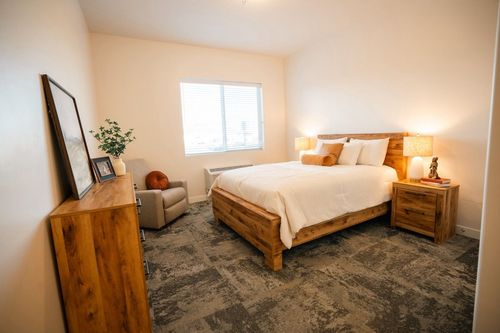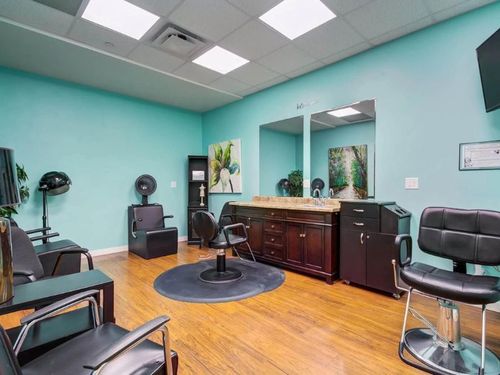

Memory care in Mapleton centers on Spring Gardens Mapleton, the 72-apartment Avista Senior Living campus on 800 South where the secured memory-care neighborhood sits inside the same building as the assisted-living wing. Spring Gardens is Mapleton's only published memory-care option, but a notable feature of the Utah Valley side of the corridor is what surrounds it: Spring Hollow in Orem, Heritage Gardens of Springville, Lake Ridge in Provo, and several BeeHive Homes locations all sit inside a fifteen-minute drive. For a Mapleton family weighing memory care, the local-versus-nearby question is real but the geography of the alternatives is forgiving.
The affluent character of Mapleton (high median household income, large-lot horse-property setting, near-90-percent homeownership) reshapes how the memory-care conversation typically opens. Mapleton households often sustain at-home dementia care meaningfully longer than less-resourced communities can, leaning on private home-health teams and household resources to extend the home stay. By the time the secured-care conversation reaches the planning stage, the home situation has usually been pushed past comfortable bounds and the timing question is more urgent than it would have been if the family had started talking earlier.
Inside Spring Gardens Mapleton's Secured Side
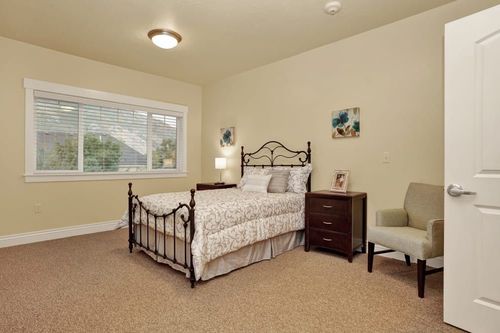
Spring Gardens Mapleton's smaller 72-apartment building puts its secured memory-care neighborhood on a tighter operational footprint than the Avista Spring Gardens locations in Lindon (116 apartments) or Heber (100 apartments). The secured wing is licensed and staffed the same way, with awake clinical coverage through the overnight hours, dementia-trained caregivers covering the shifts, perimeter-controlled access, and a courtyard residents reach without supervision, but how big the building is shapes how many staff faces rotate through any given week. Fewer rotation positions tighten resident-staff familiarity, which usually helps; the trade-off is that one or two caregivers being out for an extended stretch is felt more visibly than at a larger campus.
For a Mapleton resident coming from a large-lot horse-property home, the transition into a perimeter-bounded environment is structurally heavier than it would be for a resident leaving a denser suburban setting. The familiar outdoor freedom (the long driveway, the open yard, the routine view of Maple Mountain) has been part of the resident's daily orientation for decades. Spring Gardens's secured courtyard addresses some of that loss; the rest of it is a real adjustment the family should expect and plan around rather than treat as background.
Cost and Coverage
The secured-side monthly figure at Spring Gardens Mapleton starts around $5,200 and reaches roughly $7,000 in 2026. Mapleton's affluent character keeps private-pay sustainable for many families well into the dementia trajectory, which is one reason the Aging Waiver question rarely dominates the Mapleton conversation the way it does in lower-income parts of Utah County. For the minority of Mapleton households whose financial picture genuinely depends on the Medicaid subsidy, the natural step is broadening the search to Waiver-participating Utah Valley buildings inside a short drive, since Spring Gardens Mapleton itself does not currently hold a Waiver contract. Heritage Gardens of Springville, Spring Hollow in Orem, and several Provo-cluster secured neighborhoods participate.
Where a Mapleton resident lands inside the $5,200-$7,000 band depends on three pieces: apartment configuration, the move-in care-tier evaluation, and whether the dementia profile shows above-baseline behavioral or supervision intensity. Move-in fees on the secured side run $1,200 to $4,500. Respite stays cost $190 to $260 per day. Long-term-care insurance often plays a larger role at Mapleton's income tier than it does in many other Utah communities, since the demographic is one where households more frequently purchased policies in the prior decades when the insurance market still offered competitive terms.
Demand and Timing Dynamics
Mapleton's nine-percent senior share is lower than its Utah County peers because the past decade's heavy young-family inbound flow has reshaped the demographic mix; the absolute dementia caseload that lands at Spring Gardens Mapleton's secured side reflects that smaller older base. Apartment turnover on the secured wing tends to follow individual resident progression rather than a steady weekly cycle, which means timing varies more than at higher-demand secured neighborhoods elsewhere in Utah County.
When Mapleton families do call, the conversation often comes through the Spanish Fork Hospital case-management line during a discharge or after a behavioral event at home that has finally pushed the household past what home-health can safely cover. The Utah Valley corridor's depth keeps real alternatives in scope during the same call, which keeps a Mapleton family from being forced into a placement based purely on whichever secured apartment opened first.
Why Families Choose Memory Care in Mapleton
Staying inside Mapleton is meaningful for dementia residents because the visual anchors that have organized their day for years (the Maple Mountain skyline reaching west from Spring Gardens, the familiar drive down 800 South, the Mapleton ward community a longtime resident has worshipped with for decades) all remain accessible after the move into secured care. For dementia, those anchors carry real weight; the cognitive disorientation associated with a new environment compounds more for memory-care residents than for any other care type because the underlying disease itself is what would normally help the resident reorient.
A second consideration favoring Spring Gardens Mapleton is the building's parent network. Avista runs multiple secured neighborhoods across Utah, and the protocols, behavior-management frameworks, and care-plan structures that flow into the Mapleton wing from that regional system tend to deliver more consistency than a standalone secured neighborhood of similar size could match on its own.
What a Local Advisor Brings to Mapleton
A Mapleton memory-care call usually follows a longer at-home stretch than the equivalent call in less-resourced Utah communities. The household has typically already worked through multiple iterations of home-health support, and the conversation reaching the advisor is often closer to crisis than to early planning. The advisor's first move is reading Spring Gardens Mapleton's secured-side availability against the family's immediate timing, then checking the close-by Utah Valley alternatives in parallel so the family is choosing among real openings rather than waiting on a single building.
For families whose dementia profile has advanced past what a continuum building's secured wing typically holds (significant aggression, daily one-on-one specialized intervention, physical care intensity approaching nursing-facility scope), the conversation widens to the larger Utah Valley secured neighborhoods inside the fifteen-minute corridor or to nursing-facility-level options at Spanish Fork or Utah Valley Hospital. The home-health team that has been supporting the resident often stays involved through the transition period.
Reaching out earlier in the dementia trajectory, before the home-health team is working past sustainable bandwidth, gives the family room to weigh Spring Gardens Mapleton against the alternatives without a deadline pushing the choice. Get on a planning call with an advisor when the dementia trajectory is shaping the household calendar, or view our directory to see the broader Utah Valley dementia-care set in context.