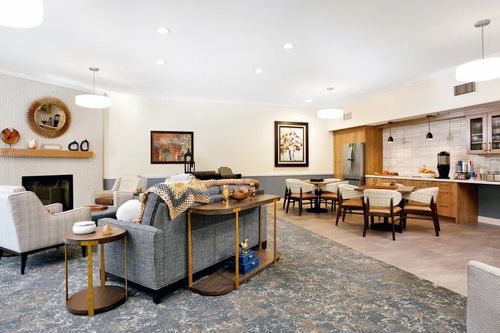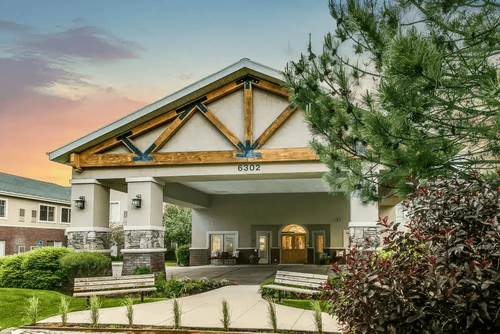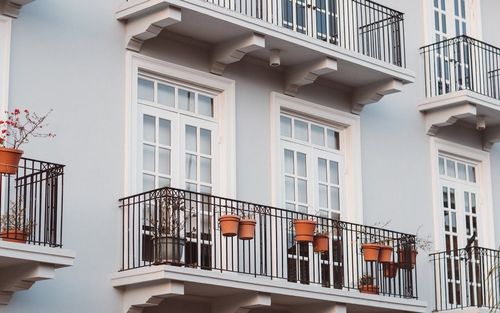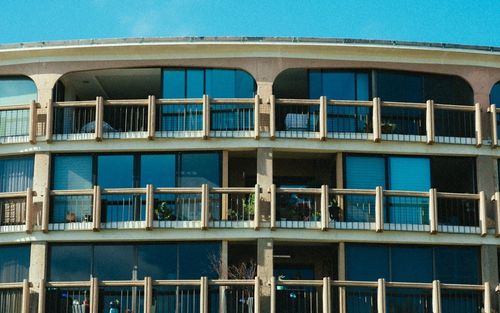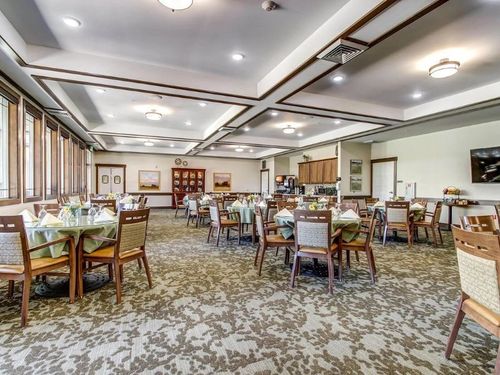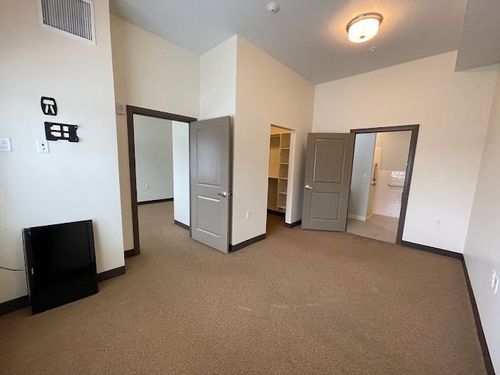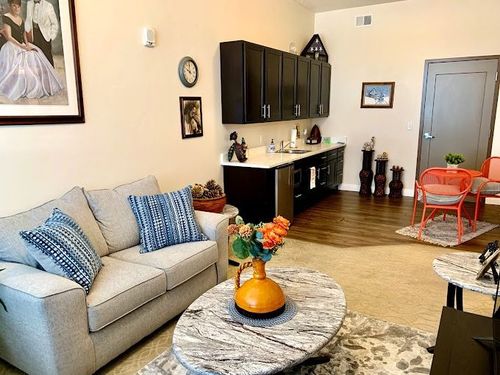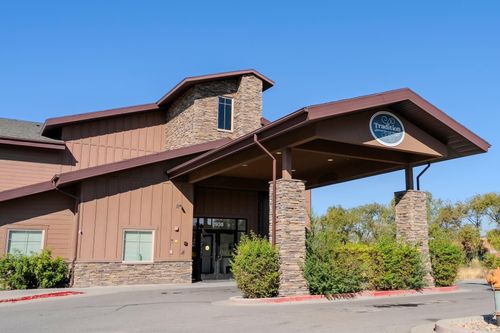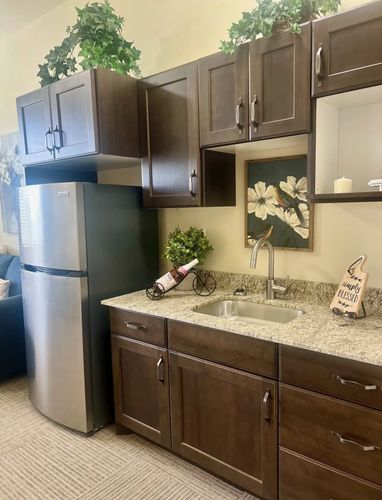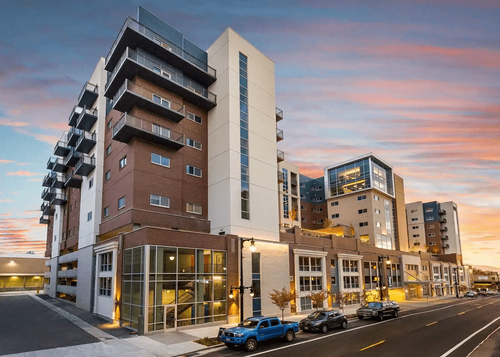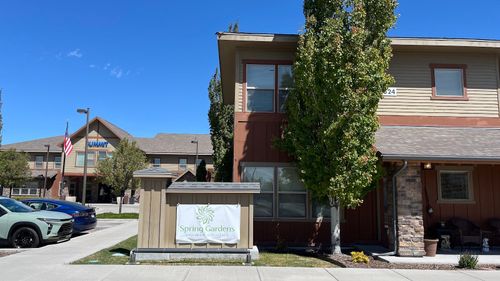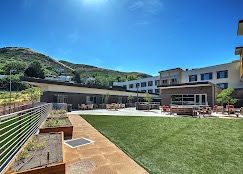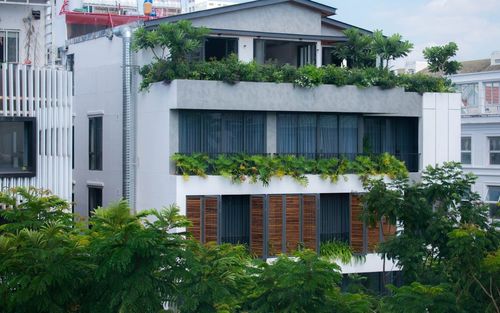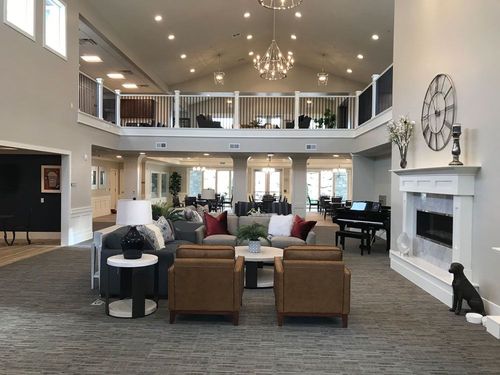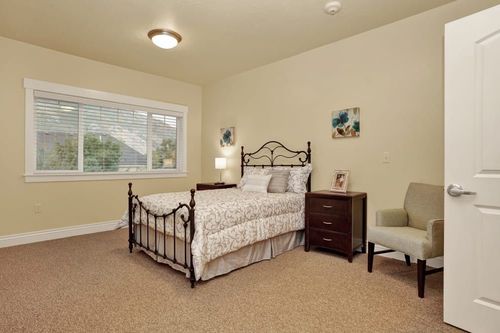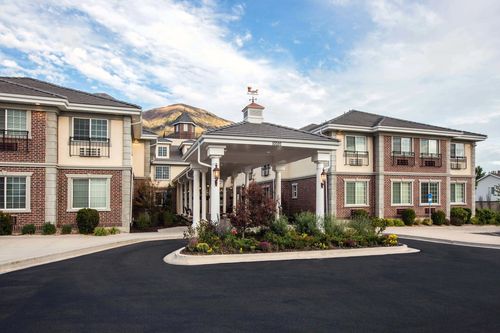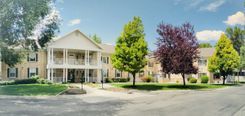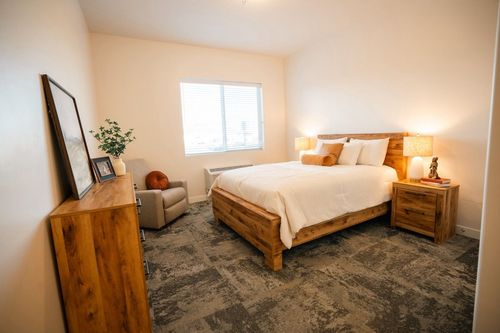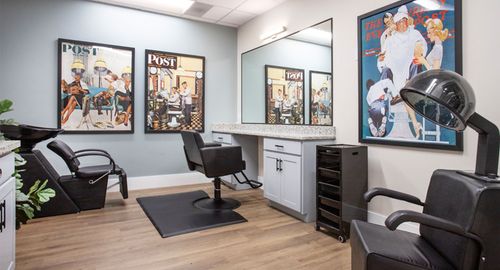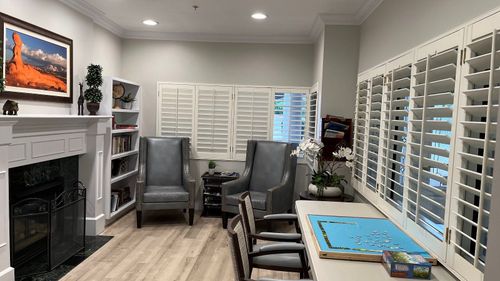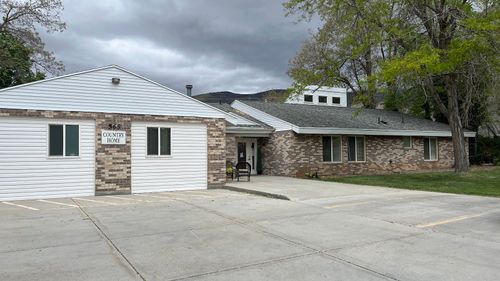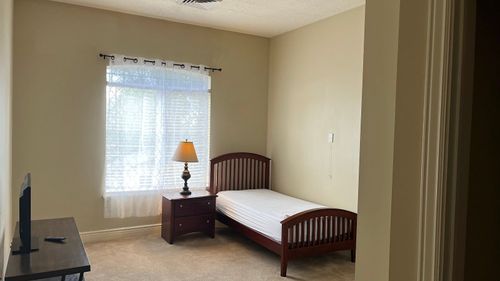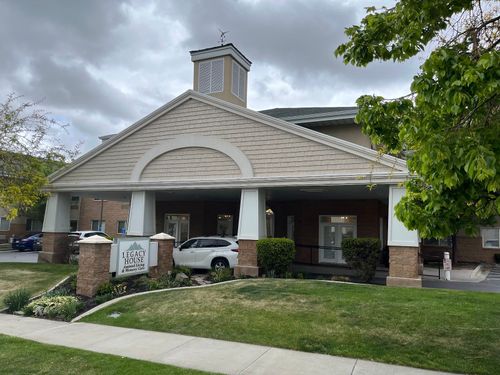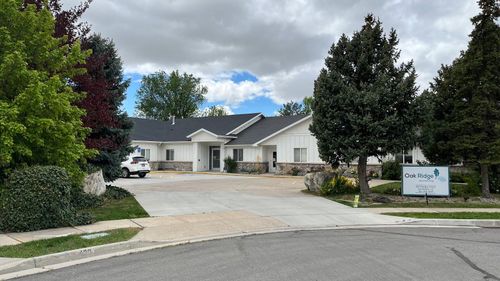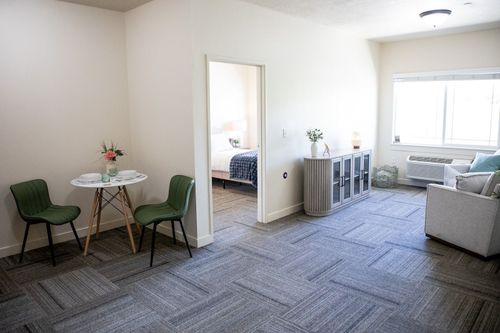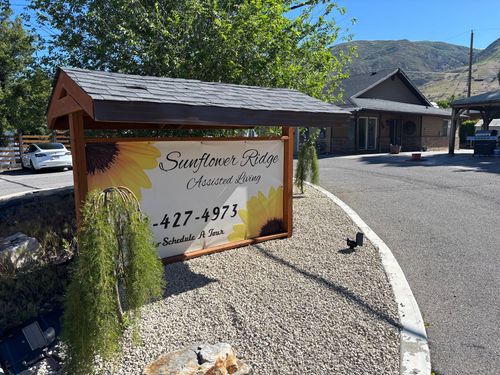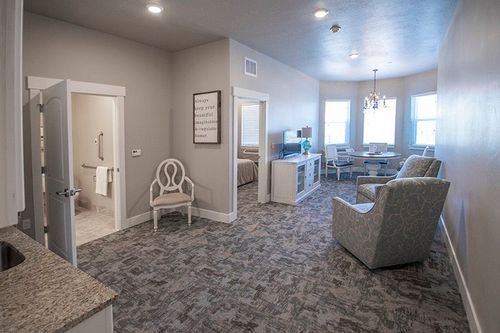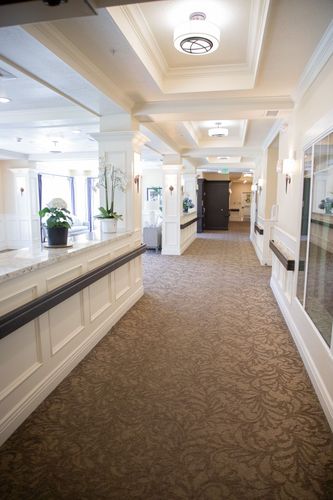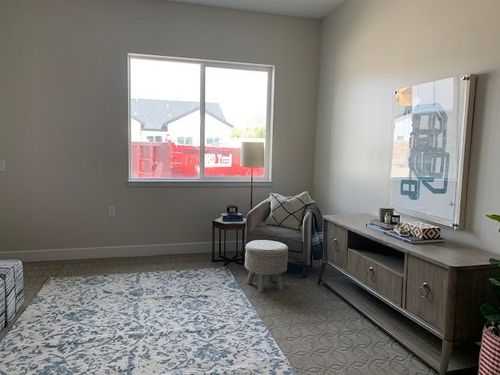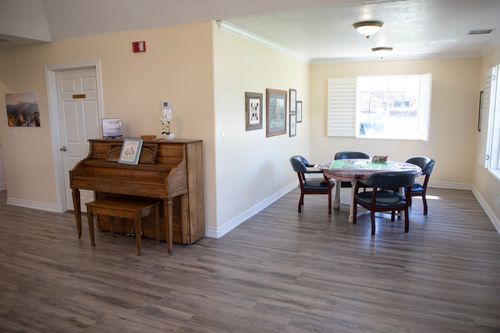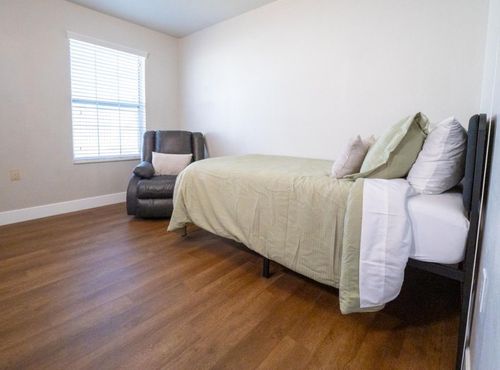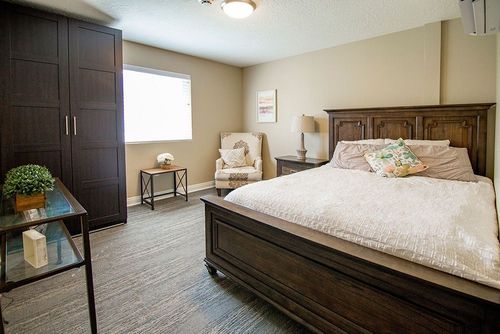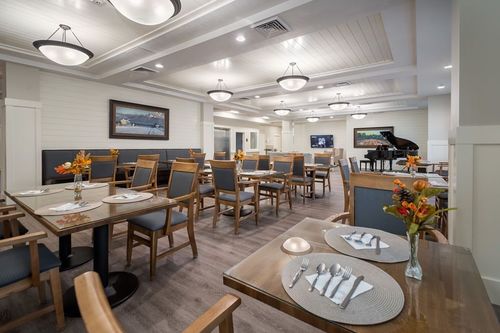

Midvale's two assisted-living buildings differ in ways that matter to families more than the small price gap on the sticker would suggest. Spring Gardens at Midvale on 700 West is a 50-apartment Avista Senior Living building with a starting figure near $3,595 a month and a private-pay-only path. The Valencia at Cottonwood Heights on Union Park Avenue is a 126-apartment Appian Management campus with a starting figure near $2,700 a month and an Aging Waiver contract that makes Medicaid coverage an active option. Both welcome small pets.
That price gap (about $900 monthly at entry, before any care-tier or apartment upcharges) is unusual for two assisted-living buildings inside the same Salt Lake County city. The cost gap reflects Appian's larger-campus scale and the operational efficiency that comes with 126 apartments, not a difference in basic services. For most Midvale families weighing the two buildings, the practical filters are scale (50 versus 126), Medicaid eligibility, and the household's preferred building feel.
Two Buildings, Different Daily Rhythms
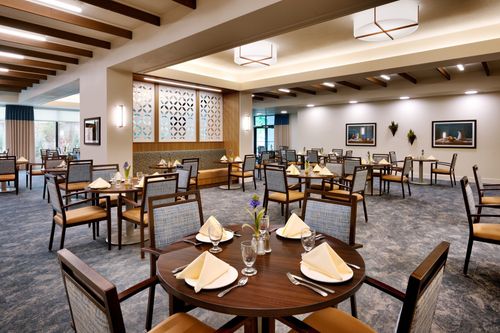
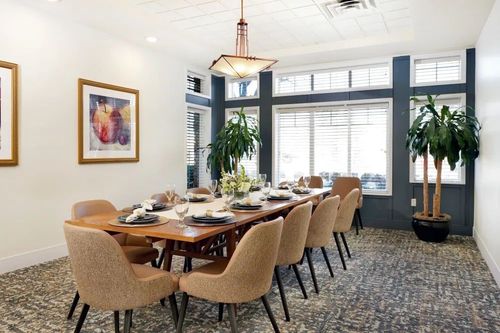
A day at Spring Gardens at Midvale runs at the 50-apartment scale familiar to families who have visited mid-sized senior-living buildings elsewhere in the south Salt Lake Valley. The dining program runs as a single seating most days, the care team stays consistent across shifts in a way larger campuses cannot match, and the activity calendar is structured for the resident count rather than spread across multiple tracks. Avista's brand network sits behind the building, which gives the 50-apartment scale operational consistency a same-sized standalone would not always offer.
The Valencia at Cottonwood Heights runs as the larger of the two: two-or-three dining seatings spread across each meal, a wing-specific care-team rotation, and a calendar that supports more activities tracks at once because the resident count carries them. The Aging Waiver contract is a defining feature of the building's mission, and the Valencia tends to attract a more demographically and financially mixed resident population than the smaller suburban-style buildings in surrounding cities typically see. The 126-apartment campus also runs the city's only secured memory-care neighborhood, which means a household whose long-horizon plan anticipates a future dementia transition has a same-building step-up option that Spring Gardens at Midvale does not provide.
Pricing and Affordability
The median Midvale assisted-living apartment prices near $4,050 in 2026, with the band stretching from $2,700 at The Valencia's lower-end Waiver-subsidized entry up to $5,400 once apartment configuration and care-tier ratings move the figure higher. The Valencia's entry price near $2,700 sits notably below the Salt Lake County average and reflects Appian Management's larger-campus operating model and the Aging Waiver contract pulling some residents into the building on subsidized terms. Spring Gardens at Midvale's starting figure near $3,595 sits in line with neighboring south-valley addresses. Both buildings adjust for apartment configuration, care-tier rating from the move-in assessment, and any add-on services the household opts into.
Move-in fees fall $800 to $4,000 across the two buildings. A couple sharing one apartment adds $600 to $1,000 monthly, and short-stay respite costs $150 to $220 daily. The Aging Waiver path at The Valencia runs on the standard rotation: the building keeps a count of Waiver-funded residents and rotates eligibility through openings as they emerge, with timing tied to both the building's vacancy cycle and the state eligibility office's processing of new applications.
A Transit-Oriented Mid-Valley City
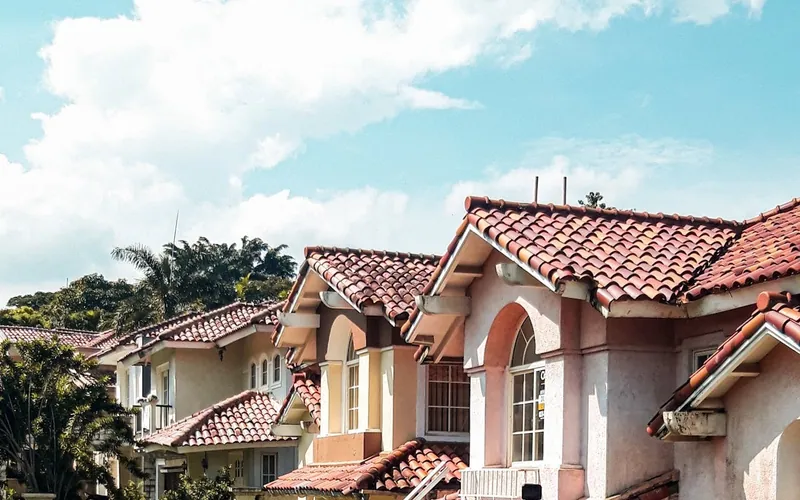
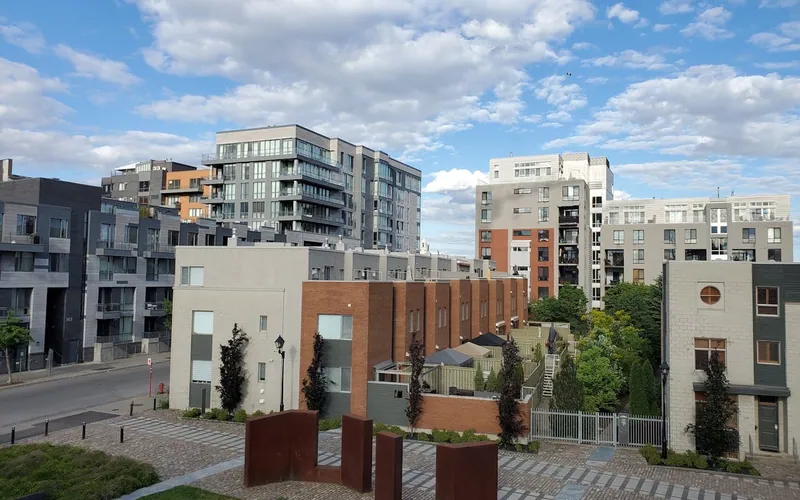
Midvale's transformation over the past two decades from a historic mining-and-smelter community into a transit-oriented mid-valley city threaded by two TRAX light-rail stations and a FrontRunner stop matters to senior-living families in a specific way: adult children dispersed across the Salt Lake metro can visit either Midvale building without driving. From downtown Salt Lake City, the Bingham Junction TRAX station sits a fifteen-minute ride away; from Sandy or Draper, the south-bound trip is roughly twenty minutes. For families whose visiting routine matters, that transit access is a meaningful practical advantage that suburban-only addresses do not offer.
About 3,800 of Midvale's 36,000 residents have crossed sixty-five in 2026, around eleven percent of the city. The senior population is mixed: some long-tenured Midvale households who have aged in place since the mining-era neighborhoods, some south-valley relocators drawn to the TRAX access in recent years, and a steady stream of arrivals choosing Midvale for the city's lower cost basis relative to surrounding Wasatch Front addresses. Apartment turnover at both buildings tracks the typical four-to-six-week cycle for standard configurations.
Why Families Choose Assisted Living in Midvale
The mid-valley location is the strongest practical pull because Midvale's anchors sit close in every direction: Alta View Hospital in Sandy is seven to ten minutes south for routine medical work, Intermountain Medical Center in Murray is about ten minutes north for higher-acuity care, and the Bingham Junction shopping cluster plus the revitalized Midvale Main Street arts district give visiting families anchors that do not require leaving the city. For a resident whose adult children live anywhere along the Salt Lake metro, Midvale is reachable without a long drive.
The two buildings' shared pet-friendly policies remove the family-pet question from the move conversation. The Valencia's Aging Waiver contract is the city's load-bearing affordability piece for Medicaid-track families. Spring Gardens at Midvale's smaller-scale operating model and Avista's brand-network operational consistency serve families who want a tighter resident-staff familiarity over the larger Valencia campus dynamics.
What a Local Advisor Brings to Midvale
Unlike most south-valley cities where two assisted-living buildings sit on roughly the same operating model and price point, Midvale's set splits cleanly between Spring Gardens at Midvale's 50-apartment private-pay scale and The Valencia at Cottonwood Heights's 126-apartment Waiver-participating campus, with a roughly $900 monthly gap at entry. That structural difference means the advisor's first call typically maps three filters together (Medicaid eligibility, preferred building feel, and whether the long-horizon plan anticipates a future memory-care transition) and immediately narrows to the right Midvale building, or to south-valley alternatives when neither local building fits the family's timing.
For families arriving through an Alta View Hospital or Intermountain Medical Center discharge, the timing is faster than the planning-track call. The advisor confirms current availability at both buildings against the discharge window and pulls south-valley alternatives (Sandy, Holladay, Cottonwood Heights, Murray) when the Midvale buildings cannot accommodate the case. For Waiver-track discharges where The Valencia is the natural local fit, the advisor verifies that a Waiver-funded apartment is genuinely available in the family's window before the household commits to the placement.
An early conversation, before a hospital event compresses the timing, keeps both Midvale buildings genuinely in the running rather than letting the apartment vacancies pick the building for the family. Talk it through with an advisor when assisted living begins shaping the household calendar, or view our directory for the broader south-valley senior-living set.