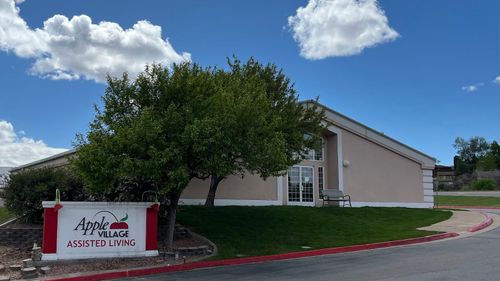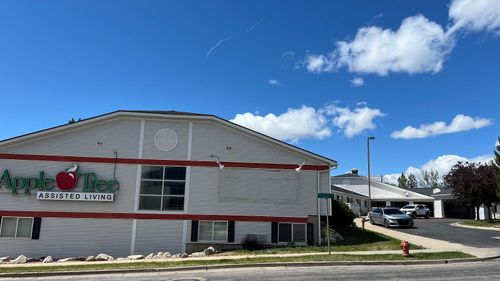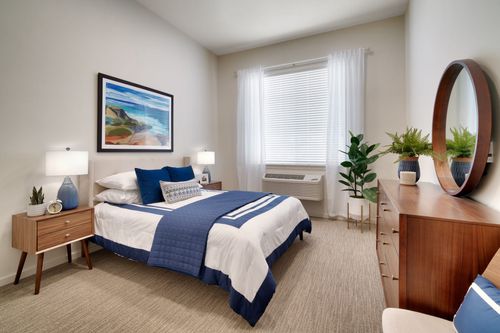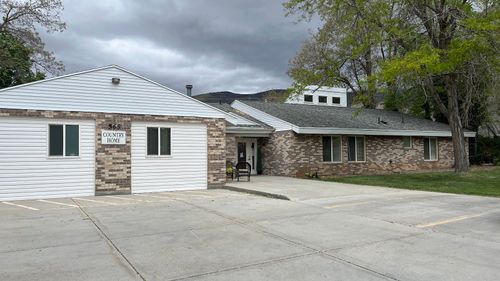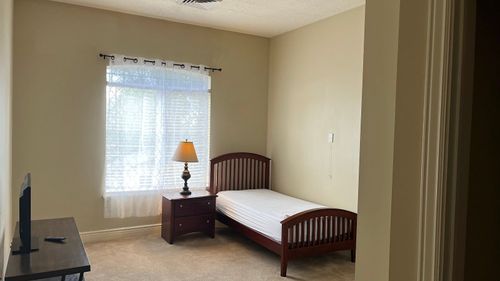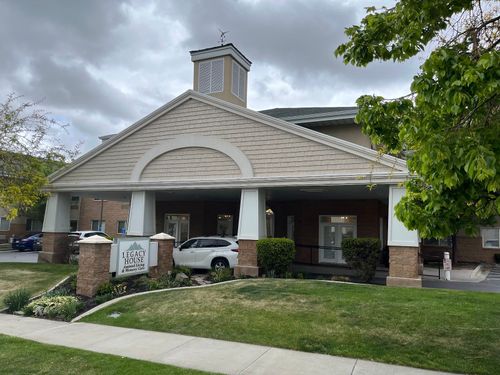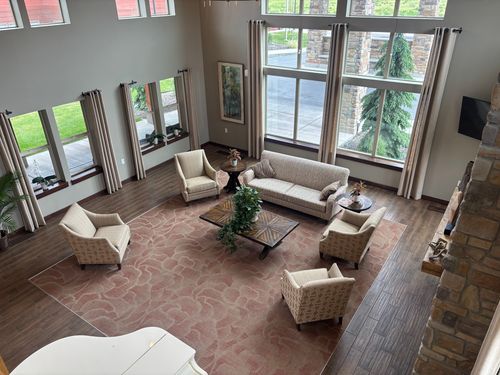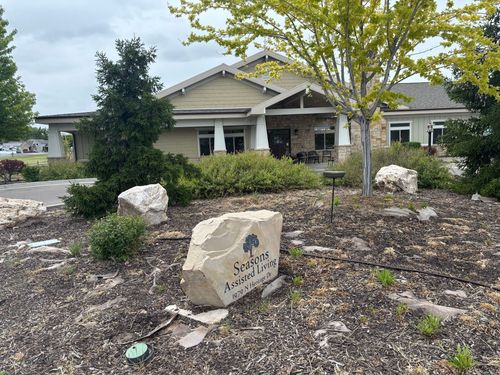

Morgan County's dementia-care question runs through one address: Family Tree of Morgan at 862 East Mahogany Ridge Road. The 43-unit, 47-bed home does not carry a separately secured memory-care neighborhood, but the single-story building is set up to hold residents whose dementia has begun to express through nighttime wandering, day-night reversal, or behaviors that have outgrown what home care can absorb. For a Morgan or Croydon family, that integrated format keeps the resident inside the canyon valley rather than asking the household to shoulder a Trappers Loop or Davis County drive on every visit.
The valley sits inside its own bedroom-canyon community, twenty miles east of Ogden over the pass and thirty minutes from the broader McKay-Dee medical corridor. Dementia care here is a question of one local format against the longer-drive secured wings in Bountiful, Layton, or the Ogden corridor, with the visit-cadence trade-off weighed honestly against the clinical-depth gap between an integrated household and a dedicated secured neighborhood.
How an Integrated Dementia Setting Runs Day to Day
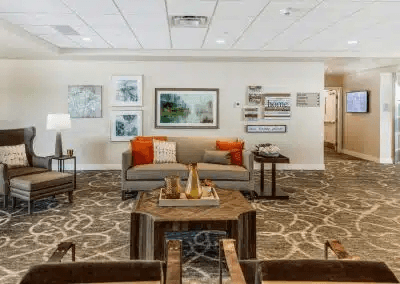
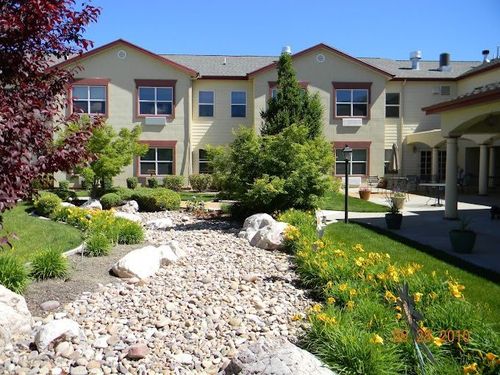
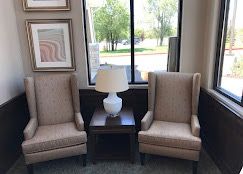
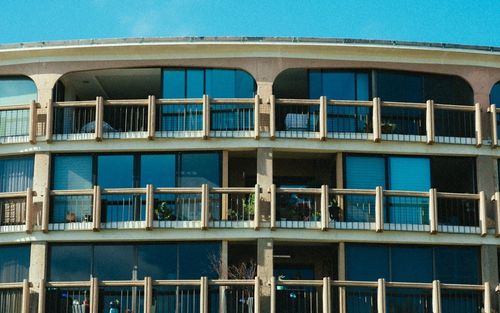
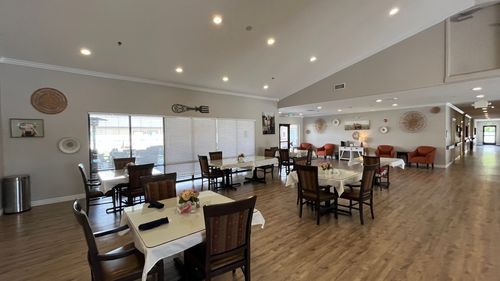
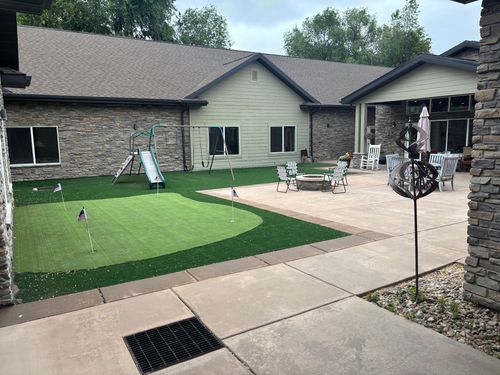
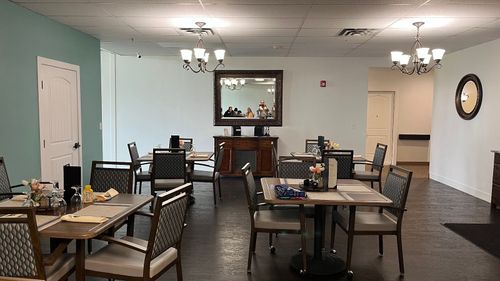
Family Tree of Morgan is built as a single-story home with one dining room, a fenced rear yard, and Mahogany Ridge views from the porch. Background-checked staff stay awake overnight, which is what makes the integrated format viable for residents whose dementia profile has begun pushing into nighttime restlessness, sundowning patterns, or unpredictable wakefulness. The home is openly prepared for residents who wander day or night and who need oxygen support, wound care, or special diets layered onto the standard service.
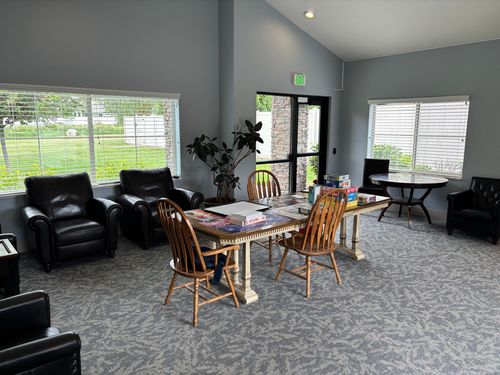
Day-to-day work covers scheduled medication passes, dressing and bathing on the resident's preferred rhythm, mobility help when balance has softened, and steady supervision through the social-and-activity calendar. Activities lean into outings, craft projects, bingo, socials, birthday parties, professional entertainment, and weekly Sunday services on site. The integrated dining model brings residents whose dementia is moderate together with the broader assisted-living group, which suits a resident still tracking the rhythm of a shared meal but slows when the diagnosis advances toward severe behavioral or perceptual symptoms.
Intermountain Health Center on Morgan's east side handles routine medical follow-up inside city limits. McKay-Dee Hospital twenty-five minutes west in Ogden carries the geriatric, neurology, and behavioral-health depth that anchors dementia workups, with the Heart and Vascular Institute and Huntsman-Intermountain Cancer Center on the same campus for related comorbidity care.
Cost and Coverage
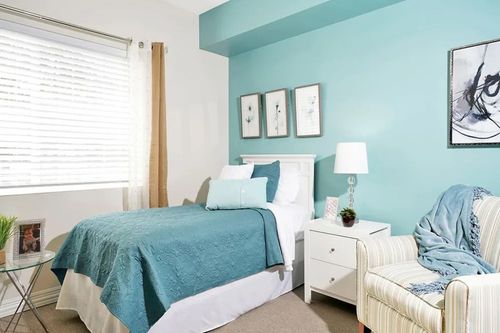
Monthly rates for dementia-aware service at Family Tree of Morgan track the building's broader assisted-living band: roughly $4,000 to $5,500 in 2026, with shared bedrooms near $4,080 and private rooms at $5,400. The integrated format means dementia-trained staffing folds into the standard headline figure rather than billing as a separate secured-tier line. The Morgan number sits below Wasatch Front secured-wing pricing, which often runs $5,500 to $7,500 monthly, because the canyon-corridor cost basis is lighter and the integrated model does not carry the dedicated-staffing overhead a separate wing requires.
Move-in fees fall $750 to $2,000. Respite billing on the dementia-aware side runs $150 to $200 a night. Family Tree of Morgan accepts Medicaid, though dementia-tier Waiver intake at the building specifically is best verified before paperwork begins. When the local picture cannot match a Morgan family's window, the realistic Waiver alternatives sit out-of-canyon in adjacent corridors short of any long-distance move.
Morgan's Quiet Dementia Caseload
Morgan County's senior population sits near 1,580 over sixty-five in 2026, which puts the dementia caseload in the small-but-steady range. The national one-in-nine over-65 rate places the local dementia population somewhere near 175 households, with the working diagnosis distributed thinly across the Morgan-to-Croydon-to-Mountain-Green corridor.
Room transitions follow individual resident shifts rather than a regular cadence, so each opening at Family Tree of Morgan reshapes the picture visibly. The McKay-Dee discharge cycle occasionally feeds Morgan referrals when a dementia-related event ends with placement rather than a return home alone.
Why Families Choose Morgan
The canyon-corridor visit fabric is the strongest argument for staying local. A dementia resident's orientation deepens through the steadiness of familiar faces showing up on a predictable schedule, and Morgan adult children commuting Trappers Loop or working from inside the valley can keep weekly visits realistic in a way an Ogden or Bountiful move would test. The home's overnight wandering management, oxygen readiness, and wound-care fluency also speak to households whose loved one has been managing growing clinical complexity at home before the decision tipped toward residential care.
The Mahogany Ridge views, the canyon-pace rhythm, and the ward connections that thread through the resident's history hold their shape after the move in a way a relocation across the pass would weaken.
What a Local Advisor Brings to Morgan
Dementia-care calls into Morgan generally arrive after a season where nighttime safety at home has begun failing, sundowning patterns have stretched past what the family rotation can absorb, or a primary-care visit at Intermountain Morgan has nudged the conversation toward a residential setting. With one in-town address carrying the integrated dementia format, the advisor reads Family Tree of Morgan's current availability against the family's timeline and the resident's stage.
When the integrated household format matches the resident's dementia profile and a room is available, the conversation moves into apartment specifics and the Waiver question if Medicaid is in the plan. When the diagnosis has advanced past where integrated dementia care can hold safely, the advisor brings the Ogden corridor and Davis County secured wings into the comparison, with the longer-drive visit cadence weighed against the dedicated-neighborhood clinical depth.
Reaching out before a McKay-Dee discharge tightens the window keeps the in-canyon option genuinely on the table. Reach out for a planning conversation when dementia care arrives on the household's planning list, or browse the buildings we cover for the broader Wasatch-and-Wasatch-Back set.