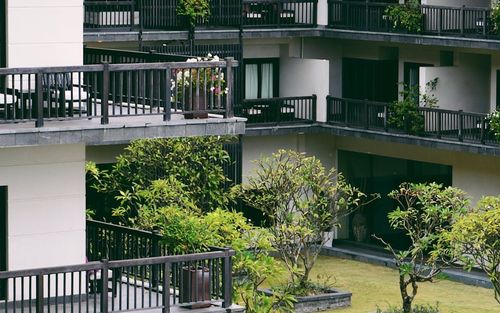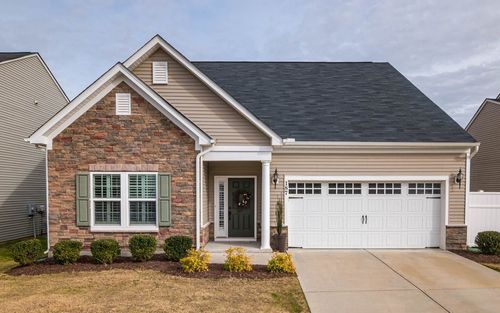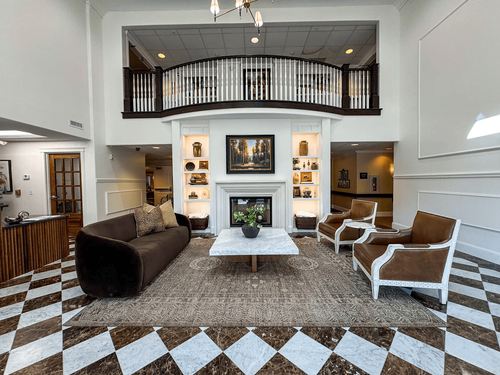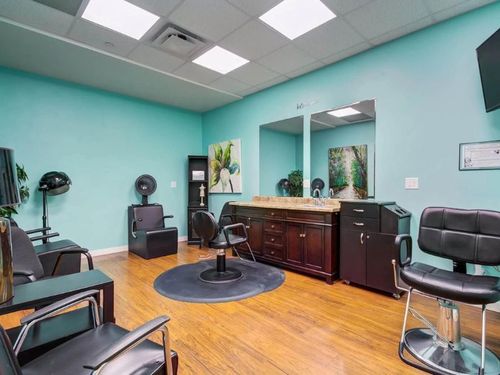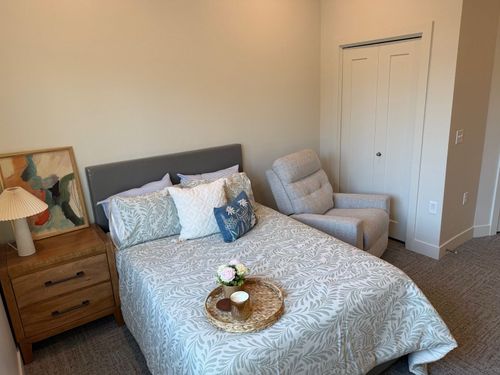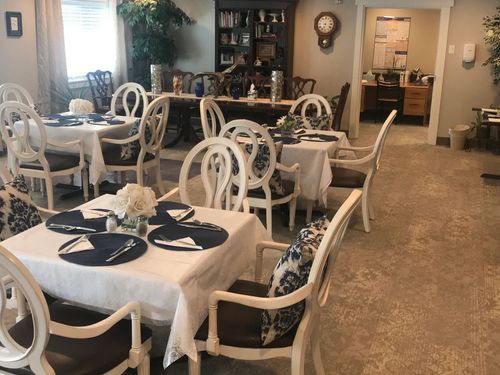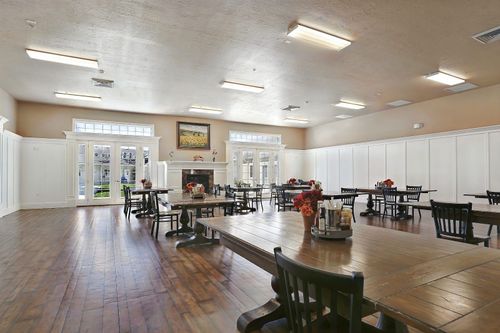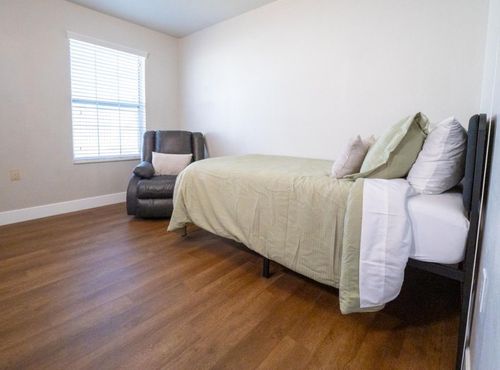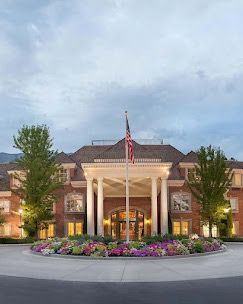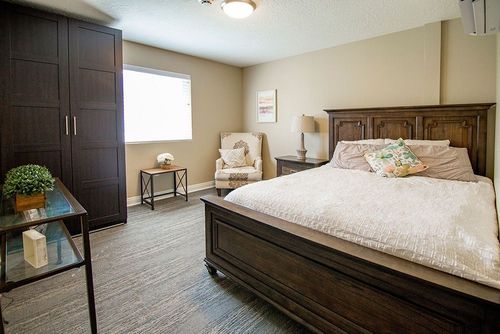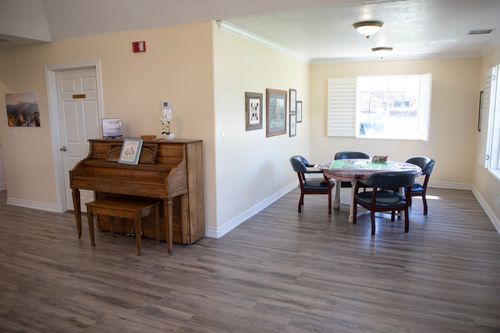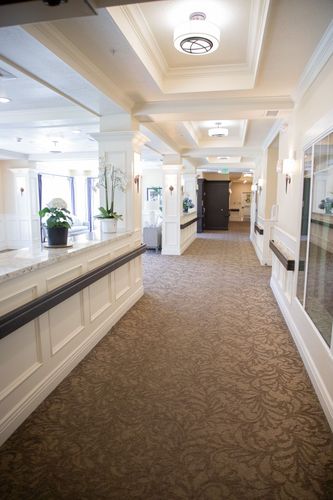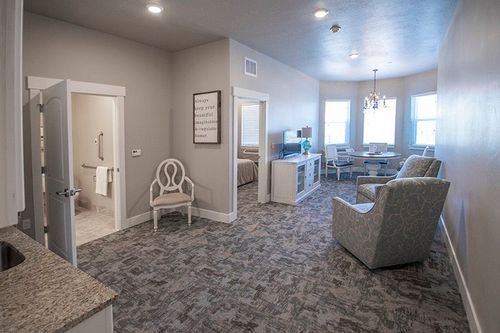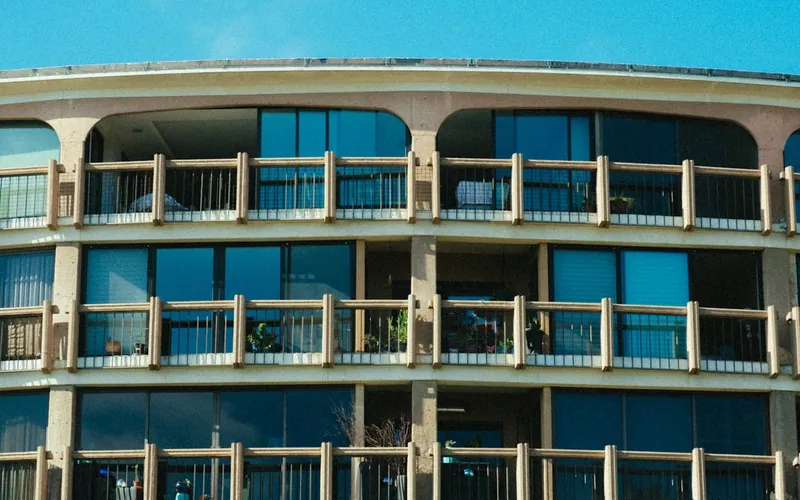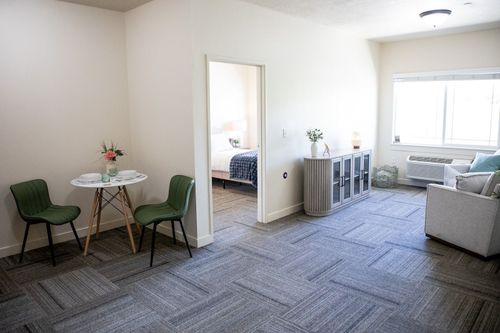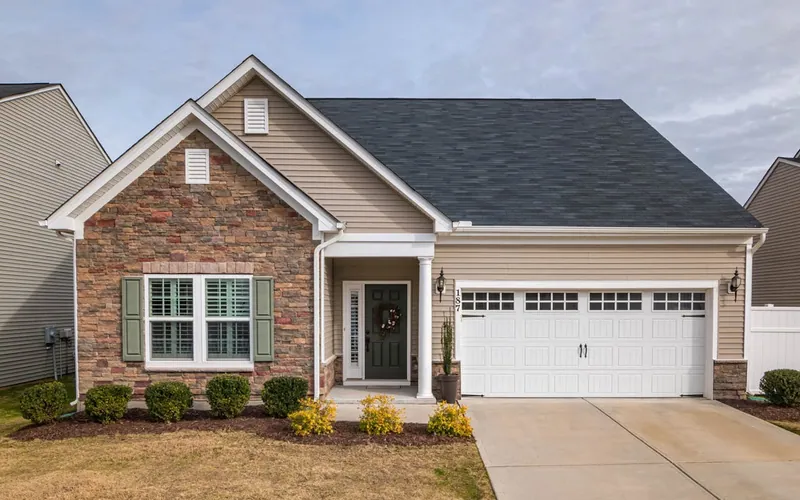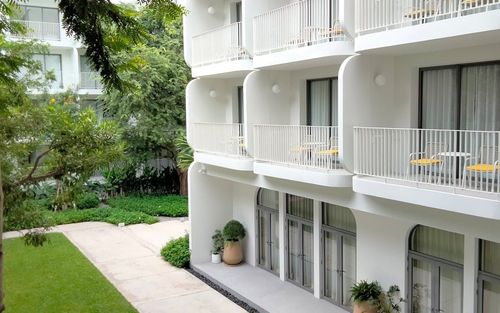

Payson is Utah Valley's southernmost city of meaningful size, sitting where the valley narrows toward Mount Nebo before the road continues south toward Nephi and Cedar City. Two assisted-living buildings serve the local market, both in the 84651 ZIP. Orchard View Assisted Living, a 93-resident community, is the larger and runs an assisted-living tier with a dedicated memory-care wing attached. BeeHive Homes of Payson, the smaller residential setting at 21 residents, is unusual within the broader Beehive brand: its entire 21-bed footprint is configured around dementia-focused service, which gives the local option set a sharper memory-care presence than the headline suggests.
Payson's senior population numbers roughly 3,200 of the city's 22,000 residents in 2026, traceable mostly to long-tenure southern Utah Valley families who raised children in the historic blocks around the Temple and stayed through the city's gradual post-2000 expansion. The local conversation typically opens when the household's weekly fixtures of pill-tracking, supervised bathing, and the routine work of running a kitchen have become more than the family can keep covered.
Inside the Two Buildings
Orchard View's staffing uses a two-shift cadence: caregivers concentrate in the early hours and again around dinner, with the long midday window left under each resident's own direction. A first-shift round covers medication, a supported shower, and dressing help; the evening pass loops through another medication check and a bedtime stop-in. Three daily meals, weekly housekeeping, laundry, and apartment maintenance are bundled into the published monthly figure. Licensed nursing covers the floor through business hours, and the secured memory-care wing keeps awake caregivers every overnight.
BeeHive Homes of Payson operates on a different rhythm because of its scale: 21 residents sharing a single residential setting where the staffing model is keyed to dementia-focused care rather than a tiered split. Caregiver coverage runs tighter than at a mid-scale community, residents share meals at a family-style table, and the daily routine carries the predictable structure dementia care needs.
Both buildings welcome small pets, which sits at odds with the broader Wasatch Front pattern. Orchard View's weekly calendar runs through morning exercise, a devotional block, art and music sessions, and bus trips to Memorial Park, the Temple grounds, and the Payson Public Library. Transportation handles primary-care visits along Main Street, inpatient care at Mountain View Hospital inside city limits, and heavier neurology, cardiac, and trauma workloads twenty minutes north at Intermountain Utah Valley Hospital.
Pricing and Affordability
Payson assisted-living rates run $3,200 to $4,800 in 2026, with most apartments clustering near $3,800. The price ordering goes against the usual mid-scale-vs-residential pattern: BeeHive Homes of Payson sits at the higher end on its dementia-focused residential structure (heavier caregiver-to-resident ratios drive the figure up), while Orchard View Assisted Living holds the middle of the band on its 93-resident community model.
Footprint, the intake care-tier rating, and whether the building publishes one all-in figure or breaks the base apart from a tiered care-services charge all shape where a given apartment lands. The Payson band runs below the broader Utah Valley median because the local inventory sits below the Provo-Orem core in scale and management overhead, and the southern Utah Valley cost-of-living curve pulls the figure further down. Orchard View is the only Payson building currently accepting Aging Waiver residents.
Payson's Senior Demographic
Payson's senior population reads almost entirely as multi-generation southern Utah Valley families who raised children in the historic neighborhoods near the Temple and watched grandchildren leave for Provo, Salt Lake County, or out of state without going anywhere themselves. The Payson LDS Temple, completed in 2015, anchors the broader ward fabric; long-running family doctors, lifelong neighbors, and Sunday-dinner expectations all sit inside the same fifteen-minute radius. About one in seven Payson residents has moved past sixty-five in 2026.
A two-building inventory absorbs Payson's demand without prolonged queues. Standard care-tier apartments at Orchard View show availability inside a four-to-six-week range; BeeHive Homes's residential format turns over more quickly. Orchard View's memory-care wing sometimes pushes a queue out to roughly six weeks when southern Utah Valley referrals stack up at once.
Why Families Choose Payson
The decision to keep a parent in Payson rather than route north toward Provo or Orem tracks the household's actual geography across the southern Utah Valley. Adult children based in Spanish Fork, Salem, Santaquin, Springville, or Provo typically reach a parent inside ten to twenty minutes, which keeps the Sunday-dinner rhythm intact. Mountain View Hospital, the Intermountain facility inside Payson city limits, handles routine inpatient and post-acute care for both local addresses; cardiac, oncology, and trauma cases route twenty minutes north to Intermountain Utah Valley Hospital in Provo.
The weekly rhythm extends along Main Street's walkable retail, the Payson Temple grounds, Memorial Park, the Payson Senior Center, and the city's modest restaurant cluster. None of these alone would justify staying rather than moving north, but together they form the daily fabric a longtime Payson household would lose by relocating.
What a Local Advisor Brings to Payson
The advisor reads the two Payson buildings as a sharper distinction than the city's modest scale suggests. Orchard View is the conventional mid-scale community where the amenity package and the secured memory-care wing dominate the conversation. BeeHive Homes of Payson is the dementia-focused residential setting where the whole building is designed around a single care model rather than tiered services. The advisor knows current availability at both, watches how each building's caregiver coverage plays out day to day, and follows Orchard View's waiver-funded apartment rotation for Medicaid households.
A primary-care nudge that home alone is no longer holding, a married couple needing two different care levels in a single apartment, or a Mountain View Hospital discharge compressing the timeline each tend to crystallize the two-address question into a single phone call. Getting in touch before the in-home situation is genuinely strained keeps both Payson addresses available as tour candidates.
Our directory keeps adding Payson addresses as our team vets them through 2026. Get in touch when the conversation needs to start, or look through the southern-valley buildings we cover while there is still planning room.