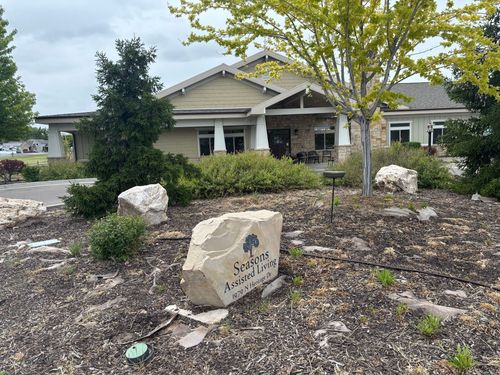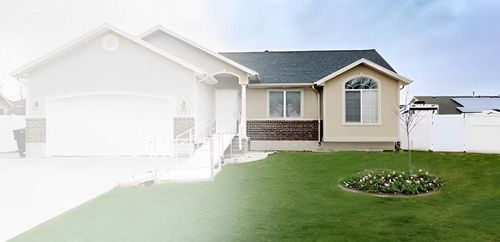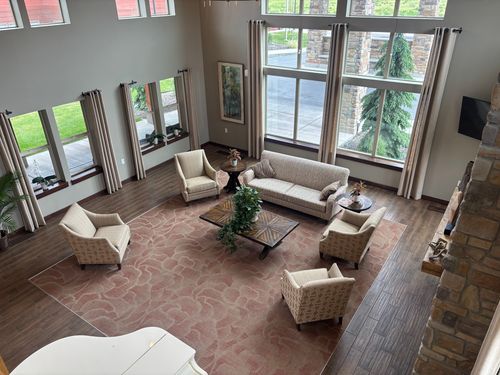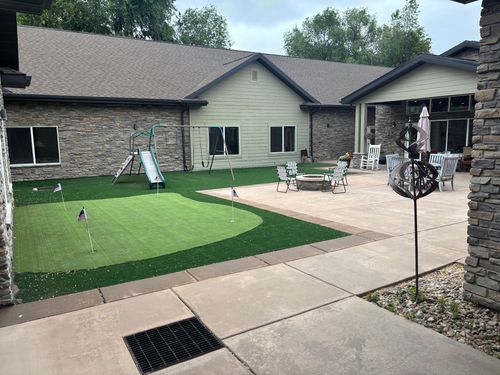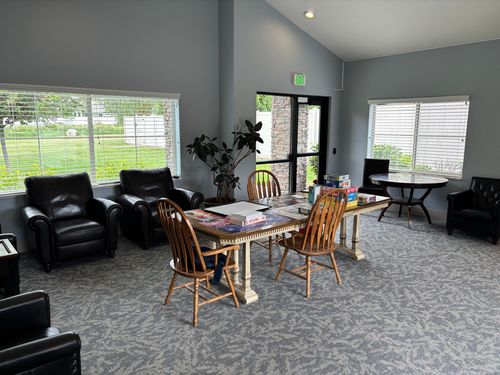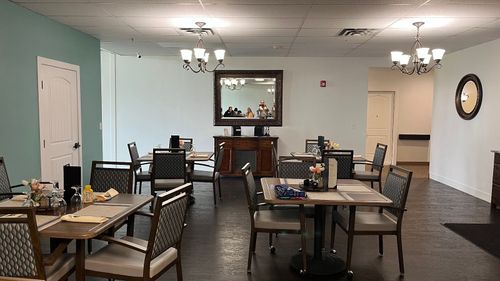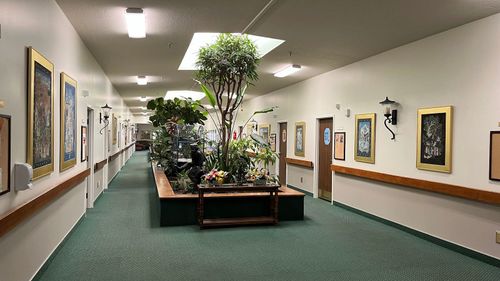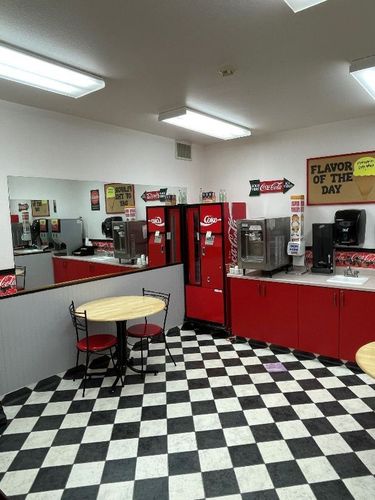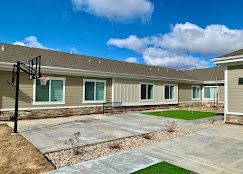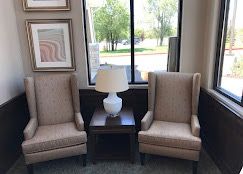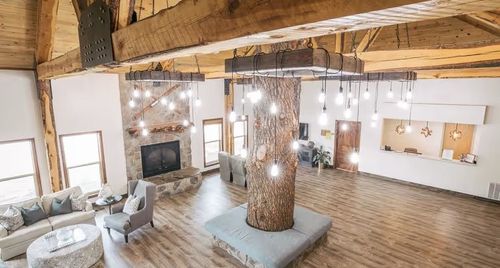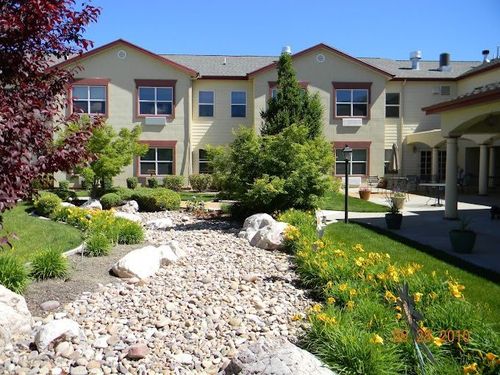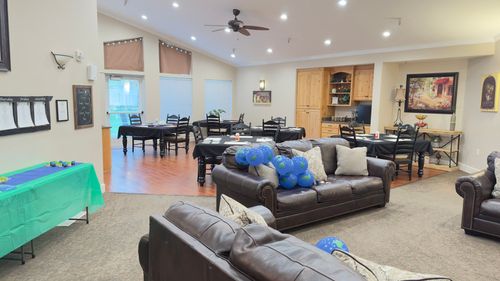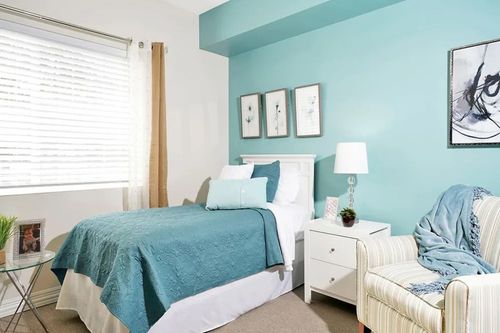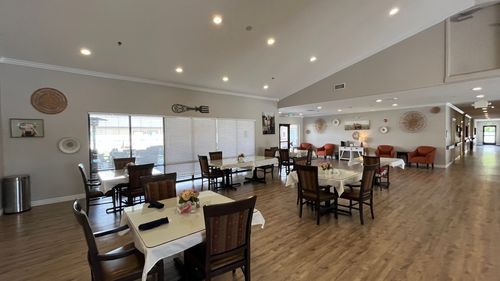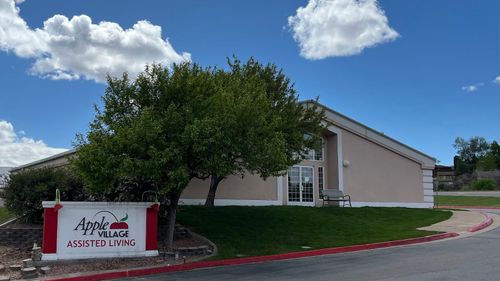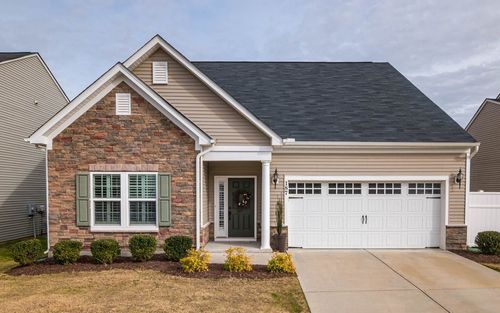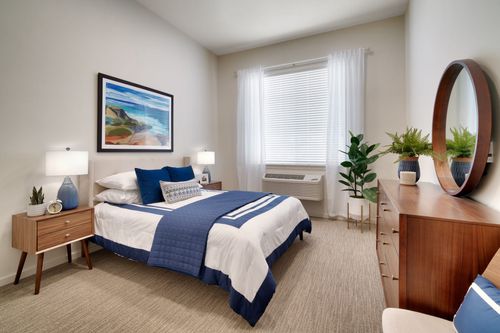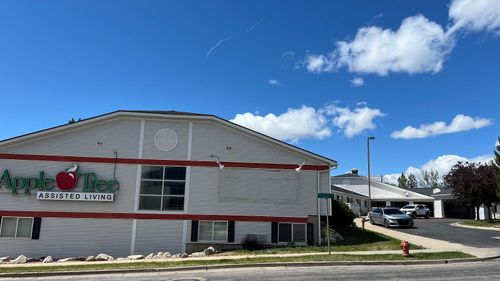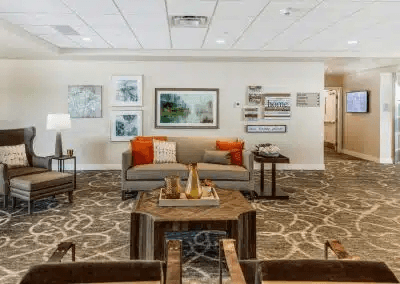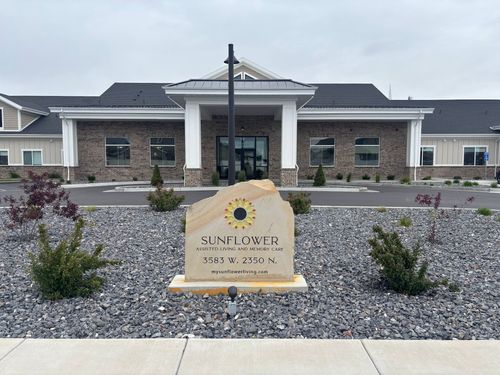

Plain City's published senior-living inventory sits in a single building, Sunflower Assisted Living & Memory Care on West 2350 North, a 40-resident Wasatch Senior Living community on more than two acres of landscaped grounds west of downtown. The single-story address houses both assisted-living apartments and a secured memory-care wing under one roof, with care delivered around the clock by certified nursing assistants overseen by a full-time registered nurse responsible for care plans, medication reviews, and monthly vitals clinics.
What the local conversation has to work with is the building's full feature set: from-scratch chef-led dining, private kitchenettes in the apartments, a pet-friendly assisted-living side, twenty-four-hour staffing with RN oversight, and the structural presence of the secured memory-care wing in the same building. McKay-Dee Hospital fifteen minutes south on Harrison Boulevard covers the regional clinical fabric, and the Smith & Edwards surplus-and-ranch destination that has anchored north-Weber commercial identity since 1947 sits inside ten minutes.
Daily Support at a Mid-Sized Building
A day at Sunflower runs on a recognizable rhythm. The morning settles around the RN-led vitals routine, a sit-down breakfast in the main dining room, and a single shared activity block (devotional time, light fitness, or a craft session) before mid-morning. The afternoon stretches through visits, quiet hours, salon appointments, and weather-dependent courtyard time, with a second medication pass and a wellness check closing the evening. The activity calendar leans into what a 40-resident community can genuinely share: gardening on the landscaped grounds, the annual Sunflower Days family carnival in the larger open yard, music programs, and rides into the broader north-Weber corridor for shopping and family meals.
Day-to-day support handles routines that have crossed from manageable into a burden at home: scheduled medication passes, bathing paced to the resident's energy and preferred timing, dressing or transfer assistance when balance has started slipping, and staff who keep an eye on appetite, hydration, and the home tasks that have slipped past what a resident can carry. McKay-Dee Hospital fifteen minutes south anchors clinical care through its Heart and Vascular Institute, Huntsman-Intermountain Cancer Center, McKay-Dee Spine Institute, and Level II Trauma Center, with Ogden Regional Medical Center on Washington Boulevard adding bariatric and orthopedic depth nearby.
Pricing and Affordability
Sunflower's monthly assisted-living rate in 2026 runs roughly $5,100 to $5,800, with the citywide average near $5,500. The starting figure tracks the Weber County mid-to-upper range, and apartment configuration (private suite versus companion suite, layout, kitchenette specifics) accounts for most of the spread. The move-in care-tier rating set during the clinical intake and any opt-in services climb the figure further. Move-in fees fall between $1,500 and $3,500, a second resident sharing one suite adds roughly $700 to $1,000 each month, and short-stay respite billed by the night runs $170 to $230.
Medicaid participation at Sunflower is not currently confirmed on brand material, so the practical first step for a Plain City family planning around the Aging Waiver is an advisor call to verify whether current intake matches the household's window. When local intake cannot match the financial picture, the realistic Medicaid pathway routes out-of-city to the broader Weber corridor's waiver-participating addresses inside a short drive of Ogden.
A Farming-Heritage Senior Population
Plain City's population sits near 8,400 in 2026, with roughly 920 residents over sixty-five (close to eleven percent of the city). The local cohort runs heavy on multi-decade households whose ties to the area predate the city's recent residential infill, families whose roots reach back to the 1858 LDS settlement era when Lorin Farr recommended the location for Kaysville and Lehi families seeking homestead acreage. Smith & Edwards's continuous run since 1947 still anchors a meaningful piece of the local commercial fabric, and the bedroom-city pace has stayed quieter than the Roy or Layton commercial corridors.
Apartment turnover at Sunflower follows individual resident transitions rather than a steady arrival cycle, so each opening reshapes the local picture noticeably. The 40-resident size means each transition shows up immediately at the local market level, and waitlist movement depends both on building vacancies and on McKay-Dee corridor referral patterns. Memory-care openings on the secured wing follow a separate cadence, with placements often surfacing after dementia-care discharges from McKay-Dee or after behavioral events in nearby families compress the timing.
Why Families Choose Assisted Living in Plain City
Keeping a parent or spouse inside the farming-heritage fabric of north Weber County is the strongest pull for most local assisted-living families. Long-tenured households whose ward connections, ranching ties, and decades-deep family rhythms all sit in the corridor between Plain City, Pleasant View, and Farr West want a local option that preserves the daily texture rather than a relocation south. Adult children commuting south to McKay-Dee, the Ogden 25th Street corridor, or the broader Weber County commercial blocks reach Sunflower in ten to twenty minutes during a lunch hour or after work.
The registered-nurse oversight at Sunflower's scale matters specifically for households whose medical complexity has been growing. Full-time RN responsibility for care plans, medication reviews, and monthly vitals clinics is unusual at the 40-resident size and adds a layer of clinical continuity many Weber County assisted-living families have specifically asked for. The from-scratch chef-led dining and the private kitchenettes inside the apartments also weigh on family decisions, particularly for residents whose at-home meal routine had become a strain.
What a Local Advisor Brings to Plain City
Assisted-living calls into Plain City typically open through slow accumulation rather than a single crisis. An adult daughter living in Pleasant View, Farr West, or North Ogden notices the Sunday pill organizer ending the week with leftover doses, the household-management load crossing into something her parent now skips rather than manages, and a primary-care visit at McKay-Dee outpatient has nudged the family toward outside help. The advisor's first move is reading Sunflower's current apartment availability against the family's window, with the Aging Waiver question flagged for building-level verification before the conversation progresses.
When Sunflower fits the resident and the timing, the conversation moves quickly into apartment specifics and move-in coordination. When the timing or the building's pricing band does not match the household, the advisor pulls broader Ogden corridor alternatives into the comparison, including the waiver-participating addresses ten-to-fifteen minutes south. An early call before a McKay-Dee event narrows the planning timeline keeps Sunflower in play rather than narrowed to whatever opens after a hospital event. Reaching out before the planning window tightens opens more options. Open the conversation when assisted living arrives on the household's planning list, or look through the directory for the wider north-Weber picture.