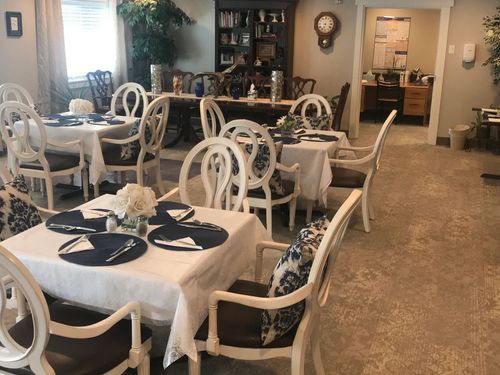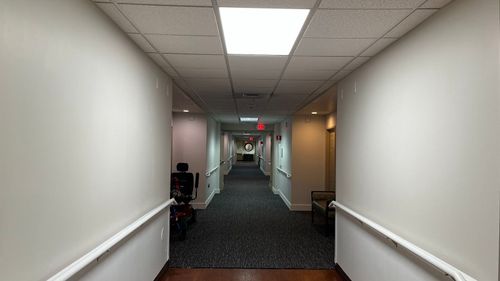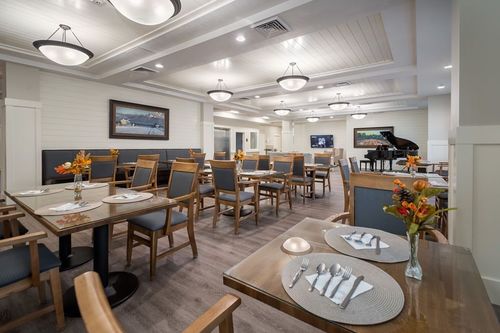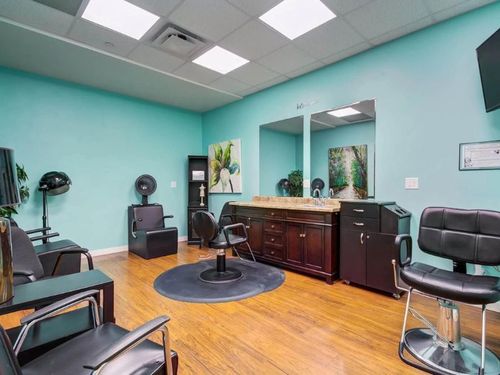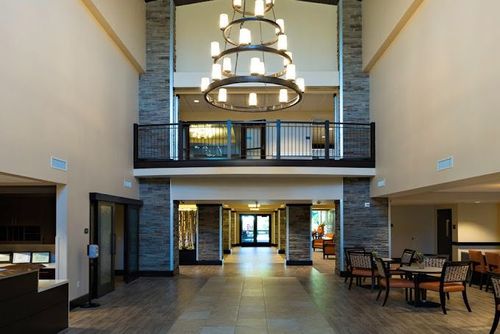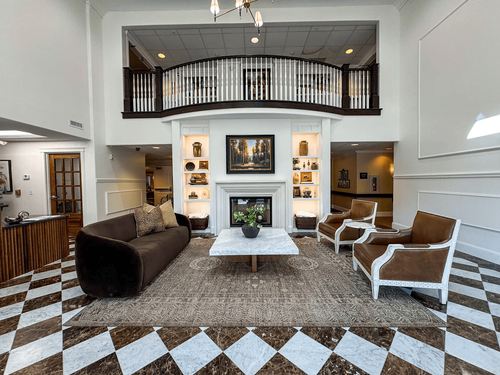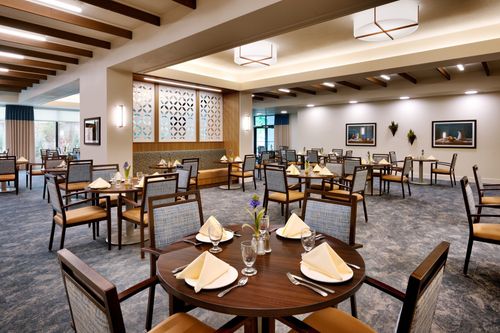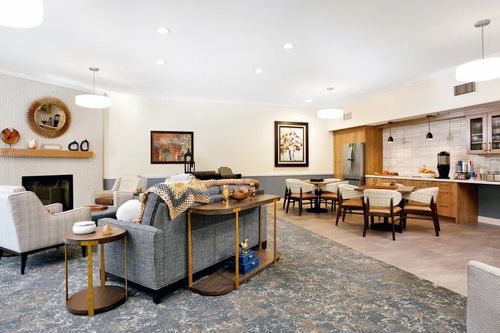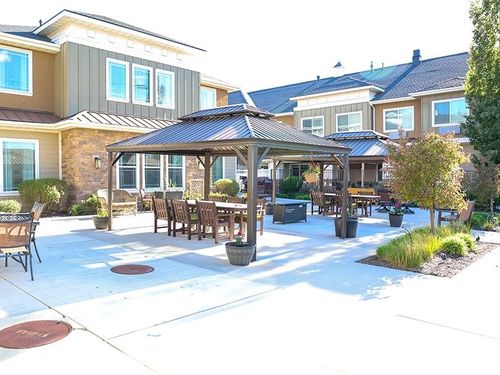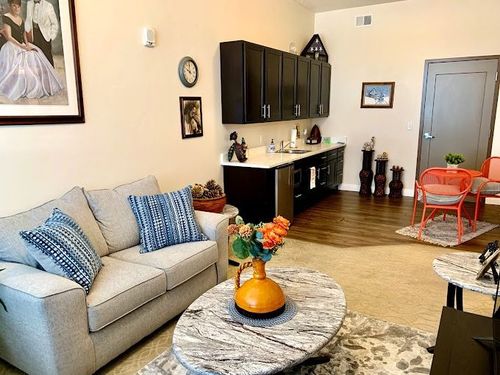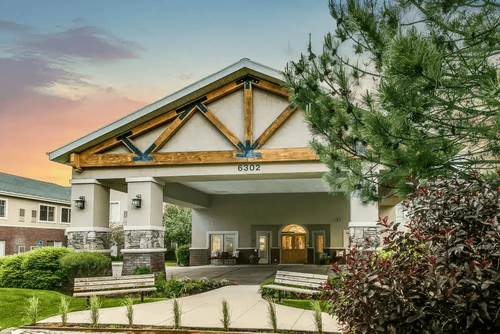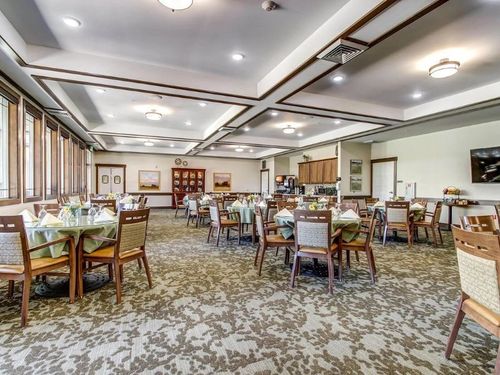
Pleasant Grove sits at the foot of Mount Timpanogos between Lindon and American Fork, and the dementia-care question here breaks differently than in most cities. The city does not currently host a dedicated secured memory-care wing. Welcome Home Assisted Living of American Fork on West 930 North (which despite its legacy name sits inside Pleasant Grove proper) folds dementia-friendly support into its roughly 50-resident community for residents whose cognition is mild or early-stage. Brightwork Villa, a 10-resident residential home near downtown, runs assisted living without an active dementia service. For a defined secured-side setting, the practical route runs to the immediate corridor.
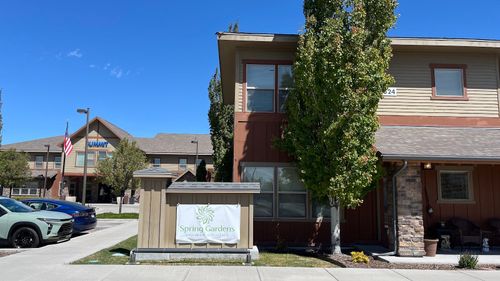
That corridor is short enough that visiting cadence holds together. Highland Glen's 32-apartment secured neighborhood sits five minutes north in Highland. BeeHive Homes of American Fork runs a small dementia house inside a short drive west. Grove Creek Assisted Living and Spring Gardens Lindon hold capacity east in Lindon, and several Lehi addresses add to the inventory. None requires a longer commute than a Provo lunch, which means most Pleasant Grove dementia placements never need to leave north Utah County.
Why the Conversation Crosses the City Line
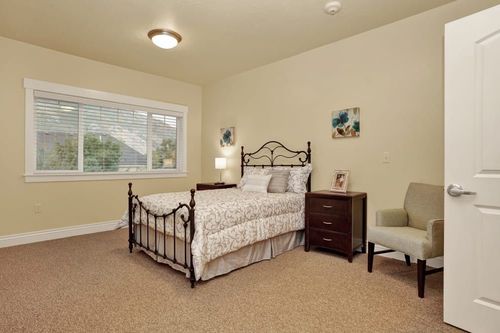
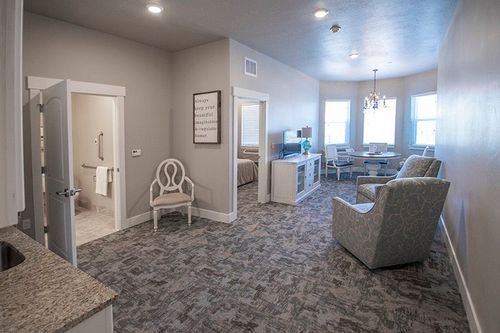
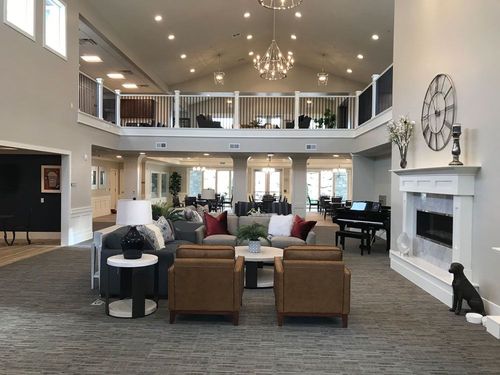
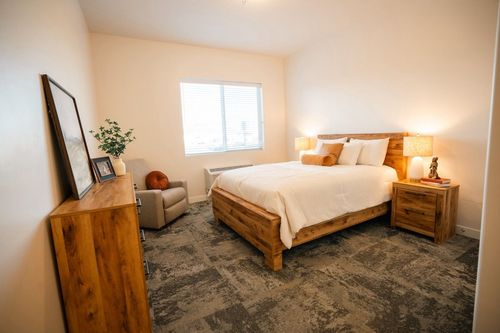
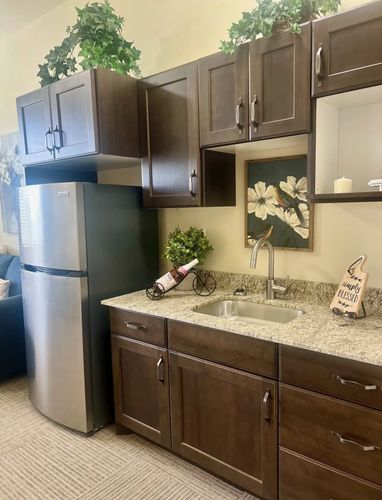
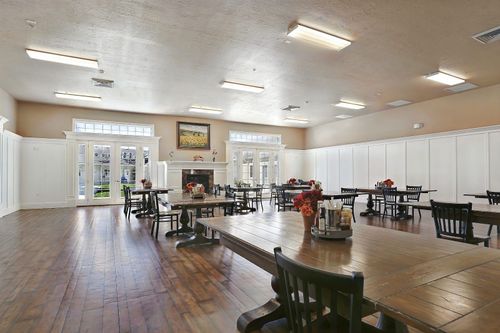
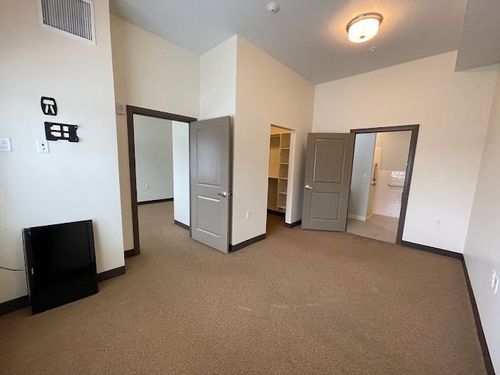
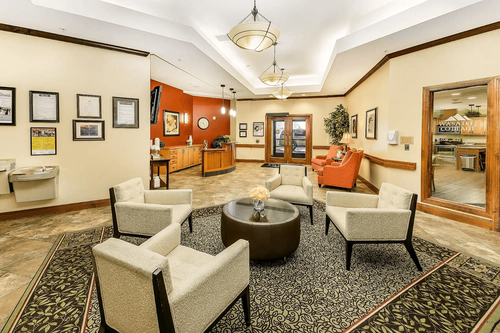
Welcome Home's dementia-friendly support lives inside its broader assisted-living license. Caregiver coverage thickens through day and evening hours for residents whose cognition has shifted, and dementia-appropriate activity blocks fold into the regular schedule. A nurse stays on call around the clock, an awake overnight team responds to pull-cord alerts, and each apartment carries the support hardware. For a parent in early-stage cognitive change anchored in north Utah County for decades, that familiar community texture can extend the at-home rhythm in a way a dedicated secured placement would not.
The structural limit shows up at the secured-perimeter line. Welcome Home is not licensed as a Utah-defined dementia building; the layout does not loop traffic away from outside exits, doors are not coded for active wandering, and the day-to-day staffing pattern matches assisted-living-level help with dementia depth rather than the heavier ratios a dedicated dementia neighborhood maintains. Once active wandering, persistent sundowning behaviors, or unreliable overnight redirection enter the picture, the corridor's purpose-built secured buildings become the honest match. Highland Glen's 32-apartment scale gives the corridor its deepest secured inventory; the smaller BeeHive houses anchor the entry-tier household format.
Cost and Coverage
Dementia-friendly support at Welcome Home prices inside its assisted-living rate, $3,500 to $3,900 monthly in 2026 for a standard configuration. The in-city floor sits noticeably below the Orem and Lehi corridors immediately south and north, in line with the residential-leaning local set. Corridor-wide dedicated secured neighborhoods generally run $5,200 to $6,800 monthly. The premium reflects awake clinical presence overnight, dementia-trained ratios across the day, and the physical-plant features Utah dementia licensing demands at a building's structural level.
Move-in fees across the corridor land $800 to $4,000, respite stays on the secured side $170 to $230 a day. Aging Waiver participation runs building-by-building. Neither Welcome Home nor Brightwork Villa currently holds an active Waiver contract on assisted-living service; Grove Creek Assisted Living in Lindon and BeeHive Homes of American Fork are common entries for Medicaid-track families on the corridor. Current status is worth verifying before any tour because participation can move from year to year.
A Young City With a Small but Growing Senior Core
Pleasant Grove's median age sits in the late twenties, weighted by young Latter-day Saint families whose adult children commute to Silicon Slopes or the Provo university corridor. The senior share runs below statewide for that reason, with around 3,600 of the city's nearly 40,000 residents past sixty-five in 2026. The dementia caseload still tracks the one-in-nine prevalence among that cohort, which puts the active diagnosis count at roughly 400 households inside the city.
Most of those households eventually meet a dementia setting on the corridor rather than in town. Highland Glen's 32-apartment scale absorbs the deepest share; the BeeHive house in American Fork, Grove Creek Assisted Living, Spring Gardens Lindon, and the Lehi addresses fill in capacity from there. Turnover at Highland Glen runs on a four-to-six-week cycle for standard apartments. The smaller houses move on individual resident transitions, so each opening reshapes availability visibly.
Why Families Choose Memory Care in the Pleasant Grove Area
A dementia resident does better when the people who matter still show up regularly. The corridor geography keeps that visit pattern intact. Adult children working in Silicon Slopes, Thanksgiving Point, or the Provo medical corridor reach Welcome Home or any of the secured neighborhoods inside ten to fifteen minutes, and the broader Latter-day Saint family fabric across Lindon, American Fork, Lehi, and Highland sits inside the same radius. For a resident whose familiar landmarks include Strawberry Days and Mount Timpanogos rising over the back yard, the corridor placement is closer than crossing the city line might suggest.
Intermountain American Fork Hospital sits three minutes east of Welcome Home and runs the local clinical anchor for dementia events: a confused day touched off by a urinary infection, a workup after a fall, a medication-interaction consult, or a behavioral episode that needs same-day evaluation. Higher-acuity neurology and dementia-specialist consults route to Utah Valley Hospital in Provo fifteen minutes south, with cognitive workups available across the broader Intermountain network.
What a Local Advisor Brings to Pleasant Grove
The practical first step on a Pleasant Grove dementia call is placing the resident honestly on the stage line. Earlier-window profiles still suit Welcome Home's dementia-friendly assisted-living service and can stay in town. Profiles already moving into active wandering or unreliable nights point to Highland Glen, BeeHive Homes of American Fork, or one of the Lindon and Lehi secured addresses, where the building is structurally built for the situation. Each carries different scale and household texture, which matters because the resident's social tolerance shapes the fit alongside the clinical picture.
For Medicaid-track families, the financial side runs in parallel. Waiver participation shifts on the corridor, and the advisor verifies current intake at each building before paperwork begins. When an Intermountain American Fork Hospital discharge tightens the timing, the corridor's density usually allows a fit inside the release window, though the specific match depends on which buildings are cycling that week. Reaching out a few weeks before a transition keeps the full corridor on the family's shortlist rather than narrowing to a single same-week opening.