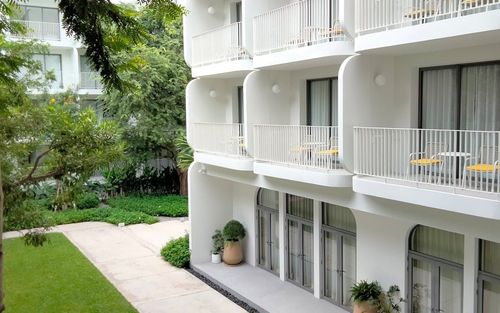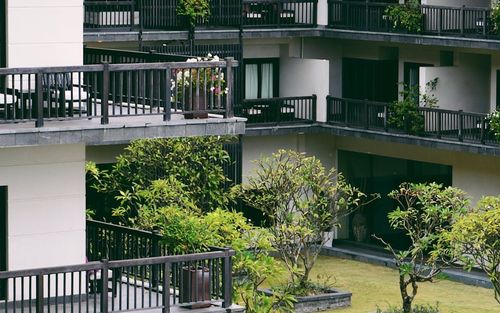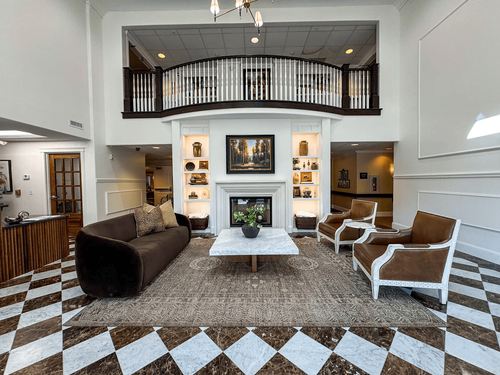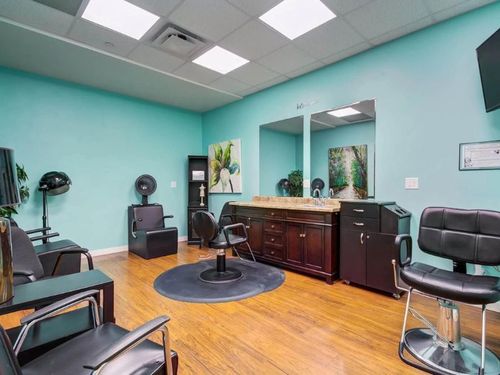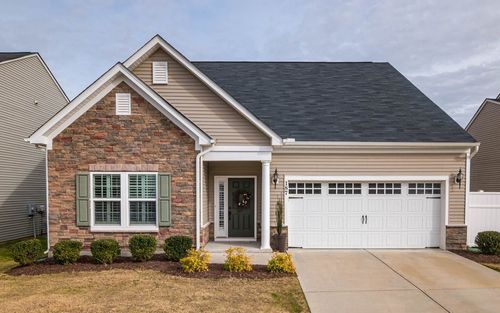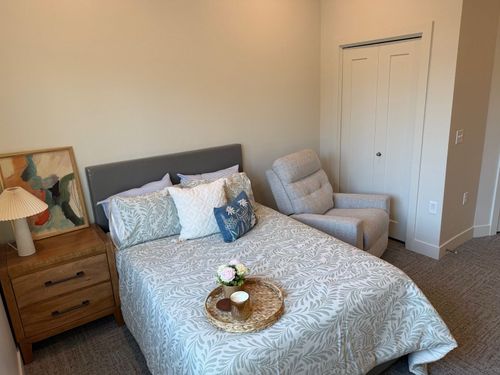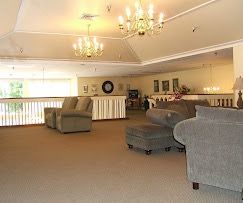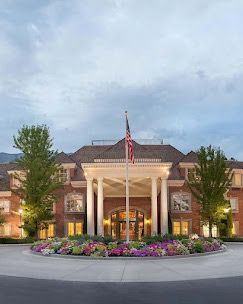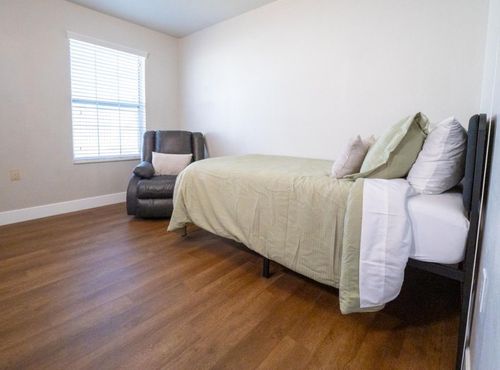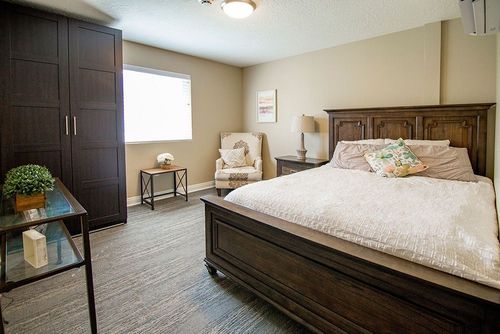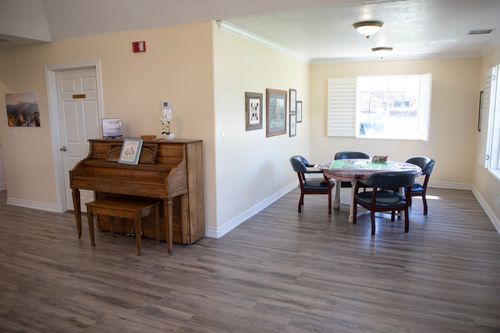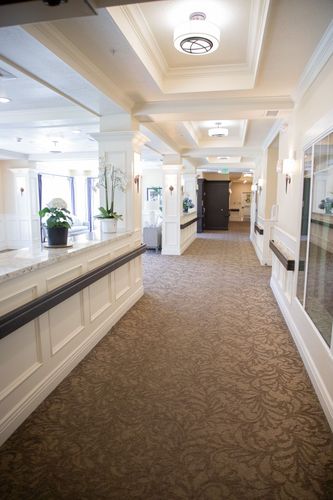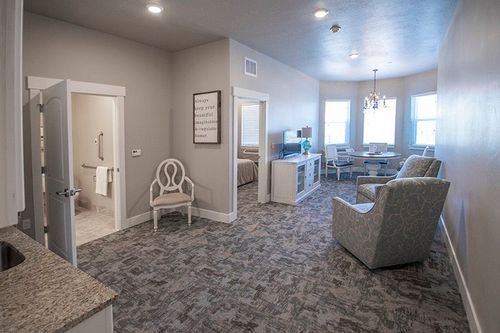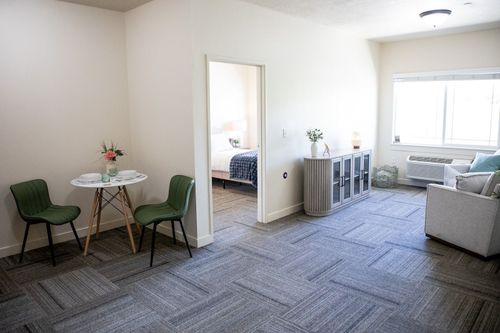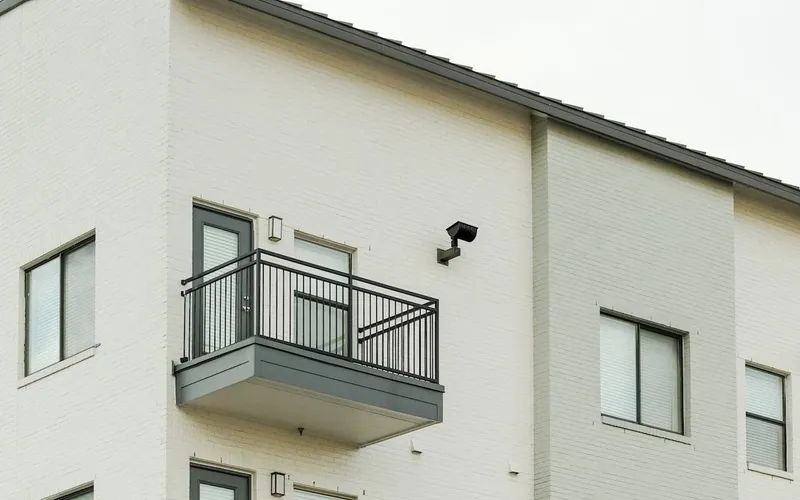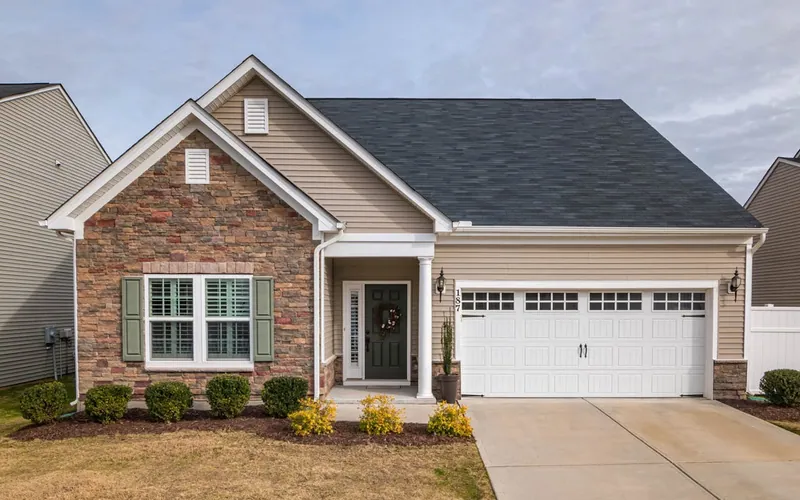

Salem's only published senior-living address is Beehive Homes of Salem at 1015 South 550 West, a 16-apartment Type II Utah house that pairs an assisted-living service with a secured memory-care side inside the same building. The Medicaid Waiver contract, the wanderguard system, the controlled-access doors, and the small-residential scale together make the property unusual on the southern Utah Valley map.
For a Salem family approaching the assisted-living question, the decision is rarely about ranking several local options. The conversation centers on whether the household model and current availability fit the resident, or whether the Spanish Fork and Payson corridor a few miles north offers a better match.
Daily Support at a Sixteen-Apartment Scale
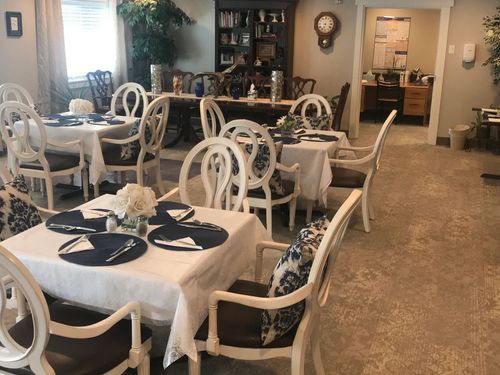
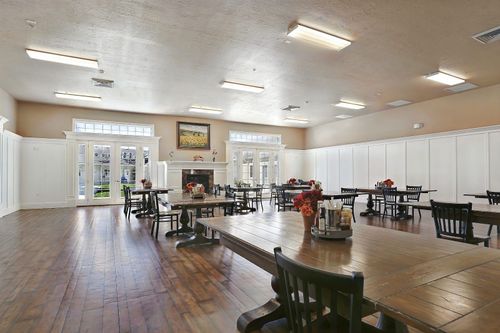
A day inside the Beehive house runs at household pace. Breakfast moves through one shared dining room, the morning settles into a mixed activity block, and the evening closes with a second medication round and a quieter pre-bed routine. The caregiver running the morning bath often greets visiting grandchildren that afternoon.
Day-to-day support covers what has crossed from manageable into draining: timed medication passes, bathing scheduled to the resident's energy, dressing or transfer help when balance has begun shifting, and an eye on appetite and hydration. A consulting registered nurse is reachable around the clock through the brand's on-call line, with awake caregivers staffing every overnight shift. Mountain View Hospital five minutes north in Payson handles clinical work the home does not manage in-house, and Utah Valley Hospital thirty minutes north carries the specialty depth for cardiac, oncology, and complex workups.
Pricing and Affordability
A 2026 monthly statement at Beehive Homes of Salem typically lands between $4,000 and $5,000, billed all-inclusive rather than as a base figure plus care tiers. The flat model suits households who want a statement that does not shift noticeably as care needs creep upward. Move-in fees fall $500 to $2,500 by room, second-occupant pricing for a shared room adds $400 to $700 monthly, and respite stays bill at $150 to $200 a night.
Medicaid coverage is the practical financial difference. The Aging Waiver is actively part of the building's payment mix, which is uncommon at a 16-apartment scale where most Waiver-friendly inventory sits at much larger formats. Eligibility moves through Utah's clinical and financial reviews, with Waiver-funded rooms cycling through eligible residents on a timing shaped by both vacancies and state processing.
A Fast-Growing Southern Utah Valley City
Salem's population sits near 11,500 in 2026, one of southern Utah County's faster-growing cities across the last decade. Most arrivals came through young-family subdivisions during the suburban-build-out years, so the senior share runs lighter than the Utah Valley average, but the count climbs each year as early-2000s arrivals age into the senior-living window. Roughly 1,000 residents are past sixty-five today.
Room openings follow individual resident transitions rather than a steady rolling cycle, so each turnover reshapes the local availability picture. Waiver-funded rotation moves on a separate cadence tied to state eligibility processing, which makes timing alongside Medicaid paperwork part of the planning rather than an afterthought.
Why Families Choose Salem
Most local families want to keep their senior inside the same southern Utah Valley fabric that has held the household for years. Sunday dinners, ward meetings, and visits from grandchildren in Spanish Fork, Payson, Mapleton, and Springville stay inside fifteen minutes from South 550 West. Mount Loafer rises east, the orchard belt stretches alongside the city, and the small-town pace of Main Street keeps underneath the resident's week rather than getting traded for a busier corridor.
The combined assisted-living and secured memory-care under one roof matters when planning beyond the first year. A resident whose cognitive profile shifts later stays in the same building with the same caregivers and the same family visiting pattern, instead of facing a separate move during a stage when transitions tend to be hardest.
What a Local Advisor Brings to Salem
Most Salem calls open slowly, with no single trigger event: an adult daughter notices the Sunday pill organizer ending with leftover doses, the laundry and kitchen routines drift from satisfying into draining, and the family rotation around her aging mother starts feeling thin. The pattern cluster, not any single signal, is what moves the household toward a planned placement.
The advisor's first move is reading availability at Beehive Homes against the family's window, with the Waiver-funded rotation as the binding factor for Medicaid-track households. When the house fits the resident and the timing aligns, the next steps move into room specifics, the move-in clinical assessment, and the Waiver paperwork sequence. When the small-residential scale doesn't match what the household needs (a family wanting a deeper activity calendar than 16 apartments can run, or a placement window the home can't meet), the advisor pulls broader Spanish Fork and Payson alternatives into the comparison inside fifteen minutes.
Reaching out before a Mountain View Hospital event narrows the planning window keeps both routes genuinely open. Reach out for a planning conversation when assisted-living timing surfaces, or browse the buildings we cover for the broader southern Utah Valley context.