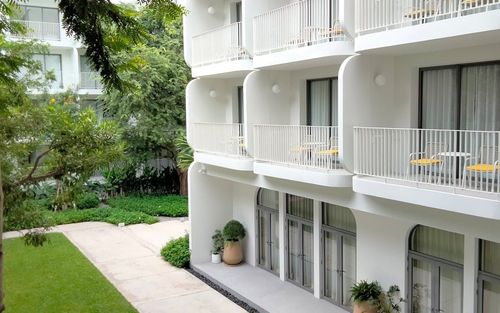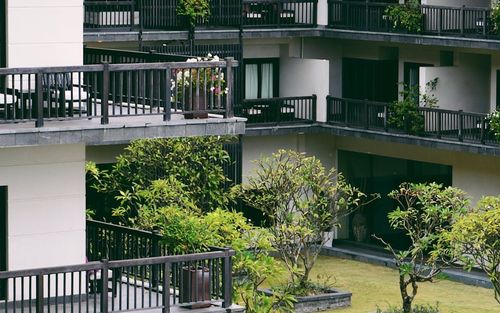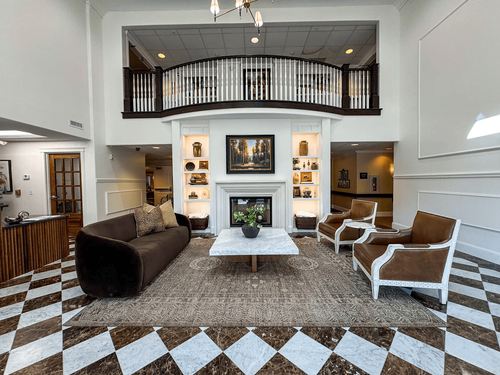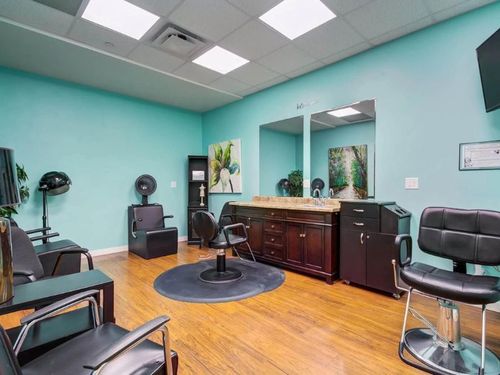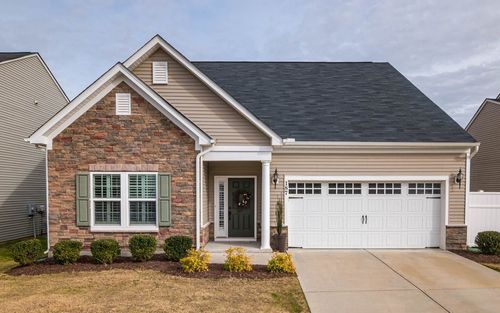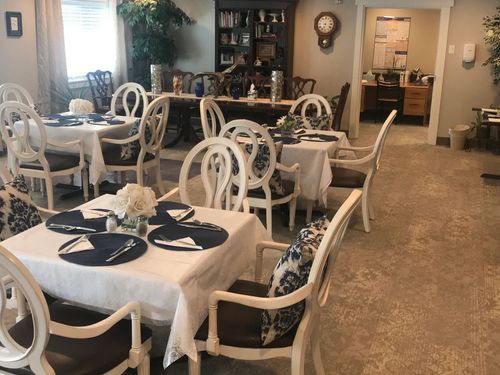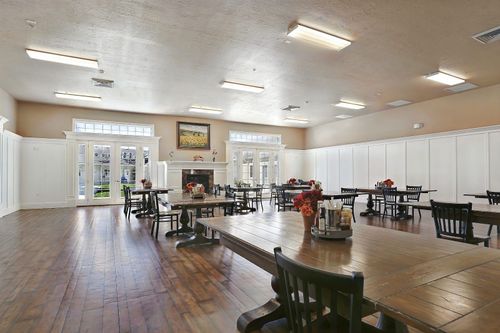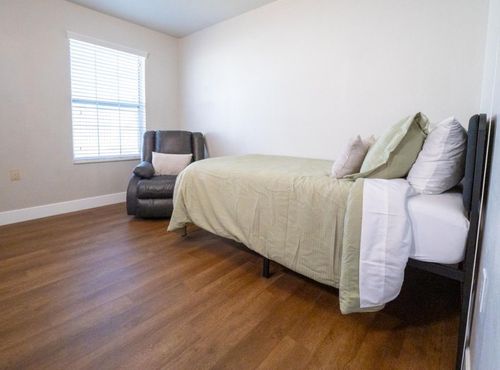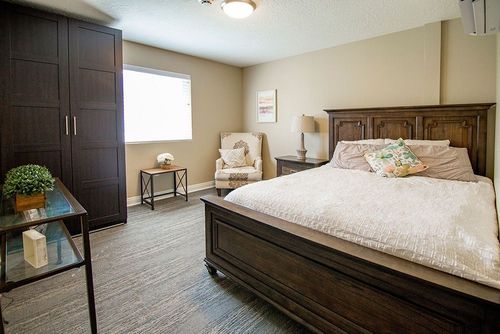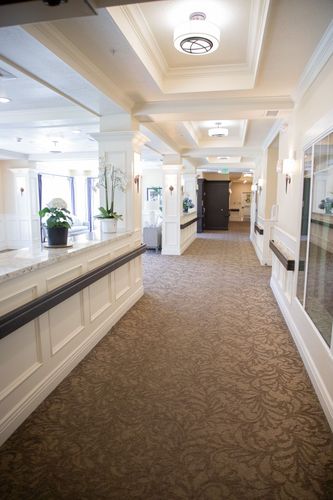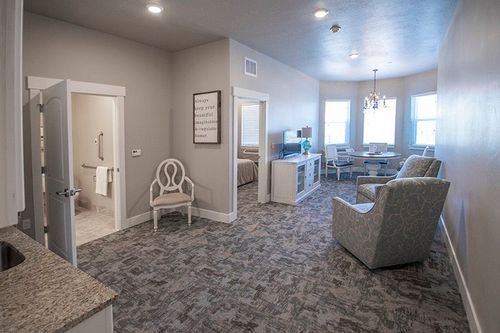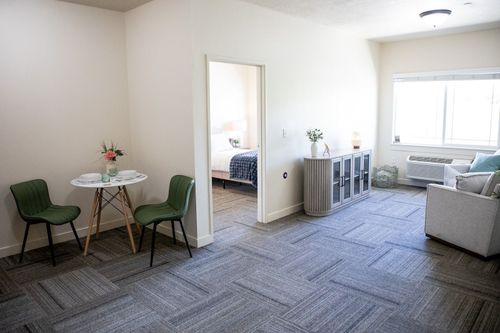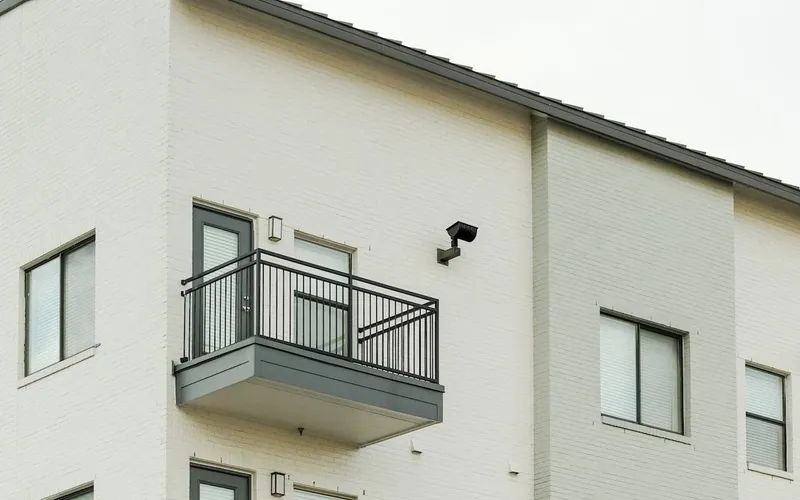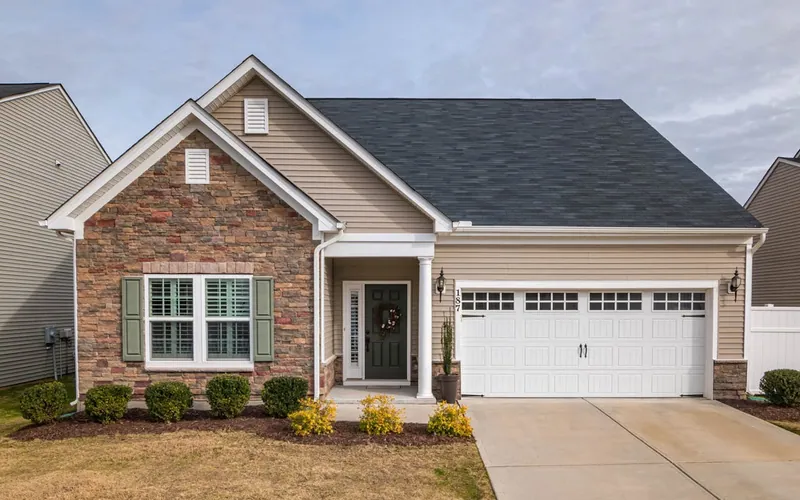

South 550 West in Salem holds the city's full dementia-care answer at Beehive Homes, a sixteen-room Type II Utah residential building where the secured features run under the same roof as the assisted-living service. Coded doors line the perimeter, wanderguard sensors flag any approach toward an exit, awake caregivers staff every overnight shift, and one dining table seats the residents.
For southern Utah Valley families weighing the move, the question rarely turns on which secured neighborhood to compare. It turns on whether the household-scale building can carry both the current stage and the longer dementia trajectory, or whether a dedicated memory-care neighborhood up in Spanish Fork, Payson, or Provo becomes the better fit. Mountain View Hospital five minutes north and Utah Valley Hospital in Provo feed most local referrals.
Inside an Integrated Secured Side
Beehive's secured features are folded into the building rather than carved into a separate wing. Coded entries hold the line, the wanderguard sensors catch a resident heading for a door before it opens, and weekly activities lean toward what a small dementia-focused group genuinely engages with: hymns and devotional time, sensory tabletop projects, gentle crafts, and supervised time in the enclosed outdoor space.
Dementia-trained caregivers cover daytime, awake-overnight staff watch the windows where sundowning and wandering tend to peak, and a consulting registered nurse stays reachable through the brand's twenty-four-hour line. A resident whose orientation has begun shifting often settles better around sixteen familiar faces than on a busier campus floor. For wandering patterns alongside overnight unpredictability and daytime caregiving that has outrun the home rotation, the format usually fits; for dementia advanced enough to need a dedicated clinical track and separately staffed secured neighborhood, the conversation moves up the corridor.
Cost and Coverage
Monthly rates run roughly $4,000 to $5,000 in 2026 on the all-inclusive structure that also prices the assisted-living service. Dementia-trained caregiver hours, perimeter monitoring, and the safety features state licensing requires all roll into the single figure rather than billing as a secured-tier surcharge above a base rate. Move-in fees range $500 to $2,500, respite stays bill $150 to $200 a night, and the cost basis runs several hundred dollars below comparable secured-wing apartments at larger Provo and Orem campuses.
Beehive Homes participates in the Utah Aging Waiver alongside private pay, long-term-care insurance, and private insurance. A planning call clarifies whether a Waiver-funded room sits open inside the family's timing window before paperwork begins.
Healthcare Access
Mountain View Hospital sits five minutes north on its 124-bed MountainStar campus, handling the medical events that show up regularly in dementia care: urinary infections presenting as confusion, post-fall workups, medication interactions, and same-day behavioral evaluations. The case-management team's familiarity with the Beehive house keeps post-discharge handoffs short, which matters because residents with cognitive impairment tolerate transitions poorly.
Specialty neurology and deeper workups route to Utah Valley Hospital fifteen minutes north in Provo, or to the University of Utah Health geriatric program for second opinions on harder cases.
Why Families Choose Salem
Familiar surroundings carry unusual weight in dementia care, because moving someone with cognitive impairment into a building they cannot read worsens the disorientation already underway. Beehive Homes keeps Main Street walks within reach, Salem Pond and the Mount Loafer view inside the visit pattern, longtime ward connections showing up for porch time, and the orchard-belt seasonality threaded through the daily rhythm.
Adult children from Spanish Fork, Mapleton, Payson, and Springville reach South 550 West inside fifteen minutes, keeping weekly visits realistic across the longer arc dementia care follows. A grandchild can come for an afternoon, and a longtime spouse can take their partner out for a Salem Pond walk without needing a campus map.
What a Local Advisor Brings to Salem
Most dementia-care calls into Salem open after a season where overnight safety begins failing, behaviors outgrow the family rotation, or layered home-care hours leave gaps the cognitive decline keeps finding. The pattern looks like a spouse waking at three to a confused partner at the back door, a paid aide calling in sick the week behavior shifts, or a sundowning stretch turning afternoons into agitation the family cannot ride out alone.
The advisor reads the current stage against what an integrated secured side can safely hold, then checks Beehive's availability against the family's timing. If the profile fits, next steps move into room specifics and Waiver paperwork sequencing when Medicaid is on the table. If the disease has advanced past what a sixteen-room household can carry, the advisor lays out the Spanish Fork, Payson, and Provo corridor inventory with the longer visiting distance named plainly.
Reaching out before timing tightens keeps both routes genuinely in play rather than narrowed by whichever placement fits a discharge week.