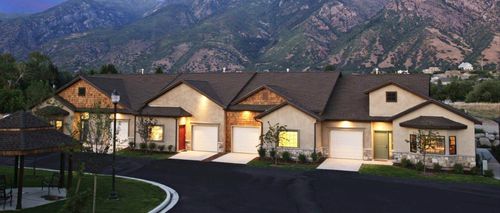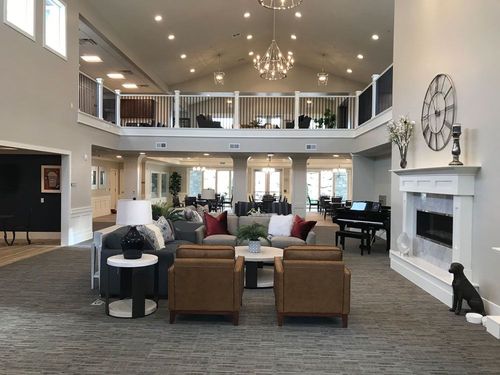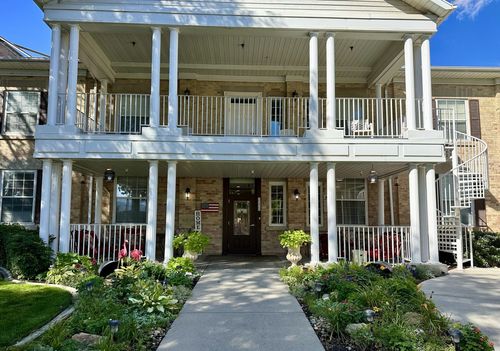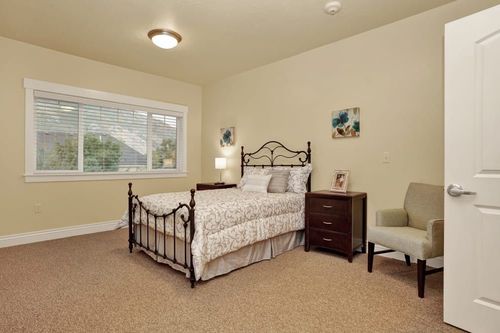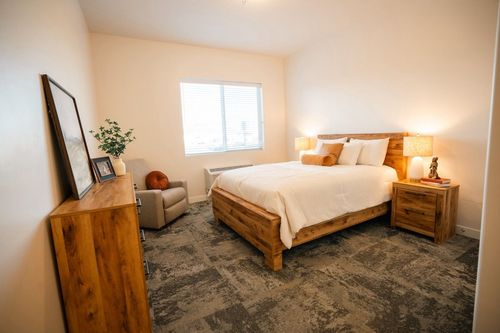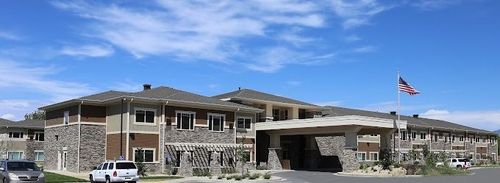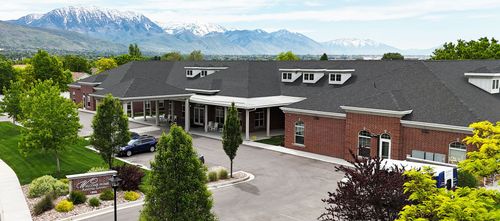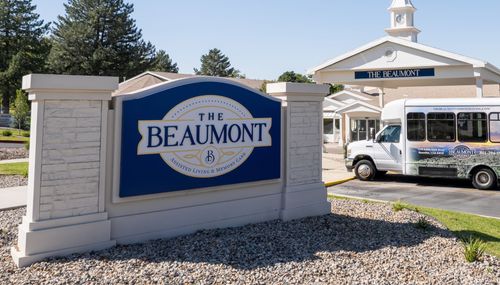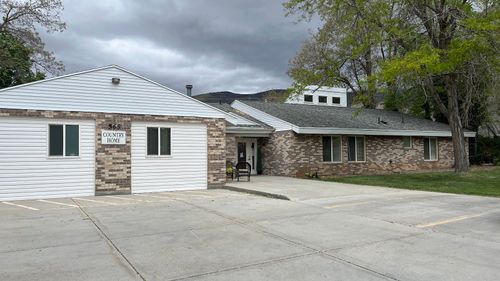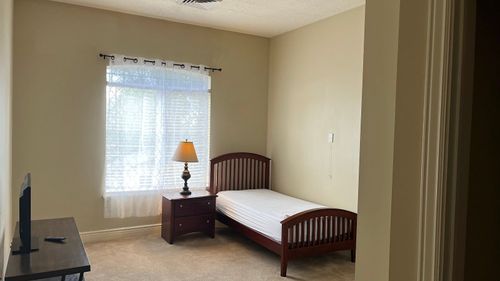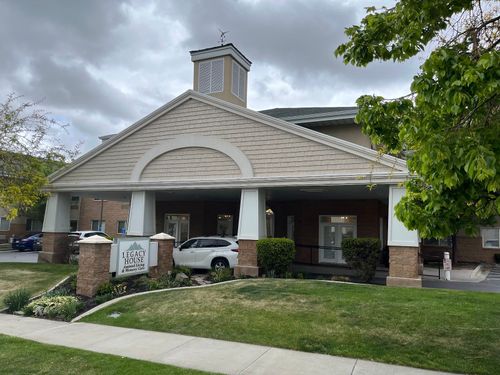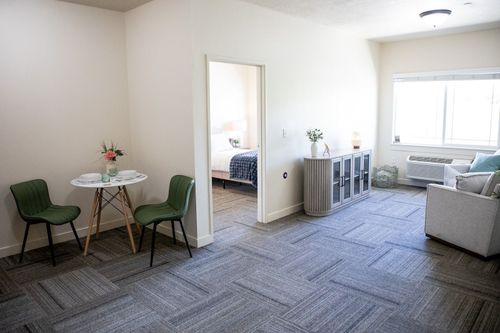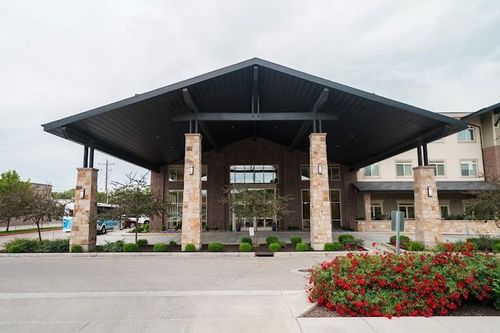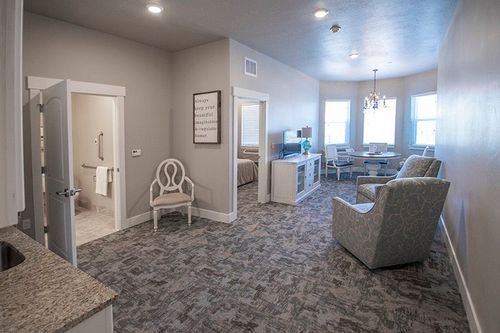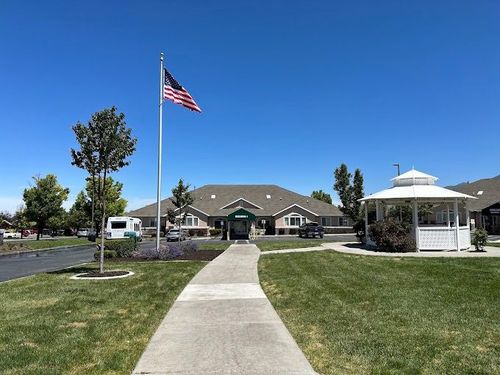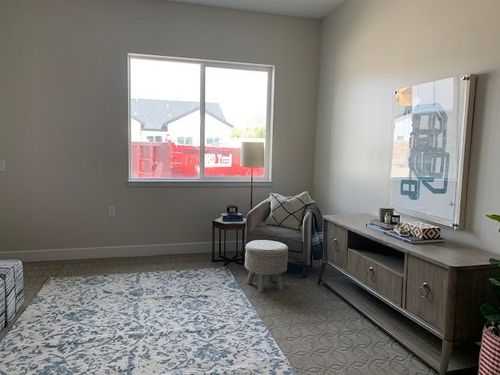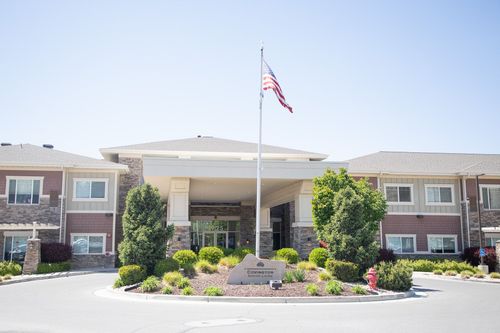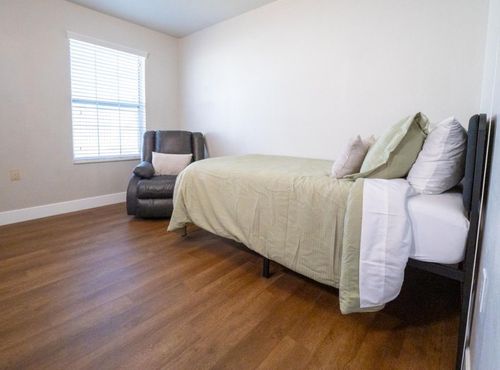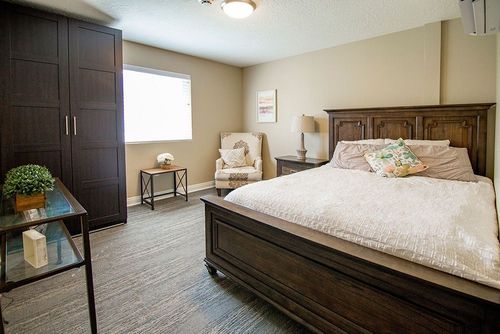
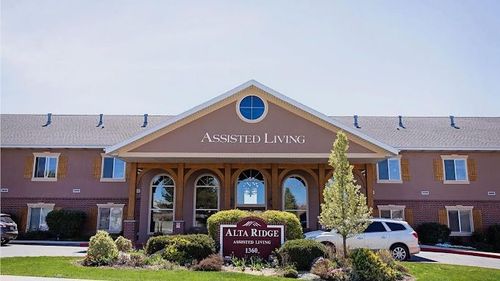
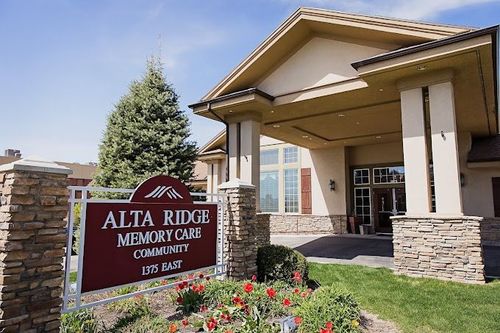
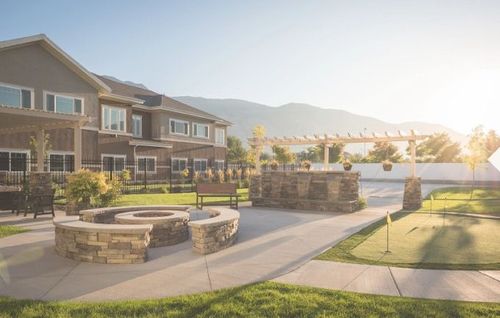
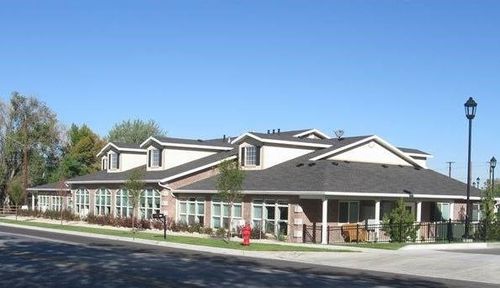
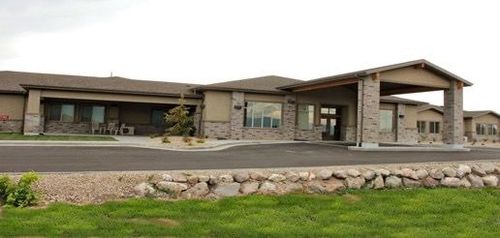
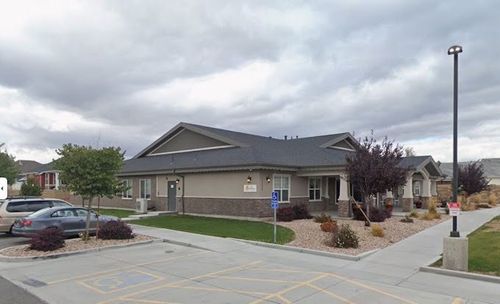
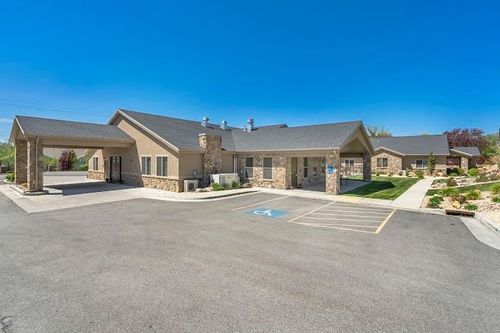
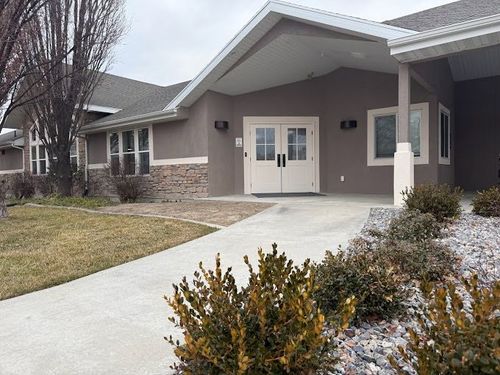

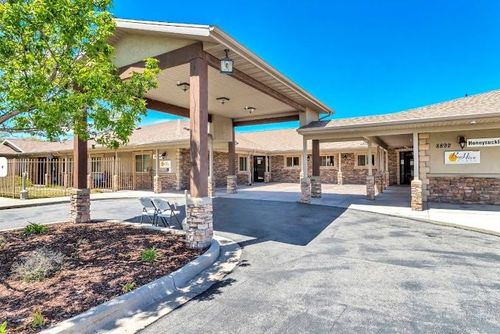
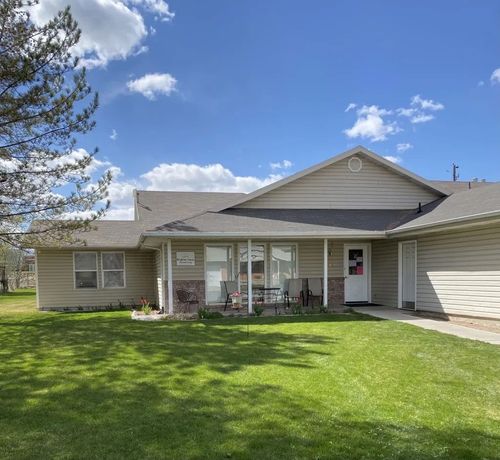
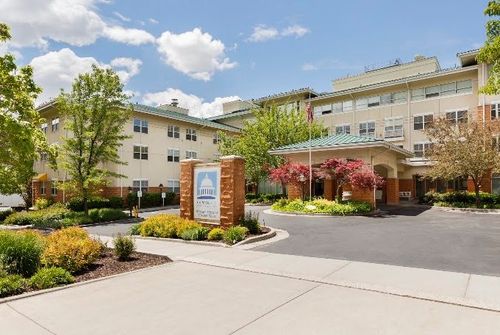
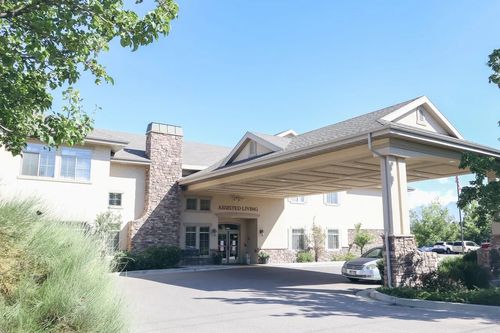
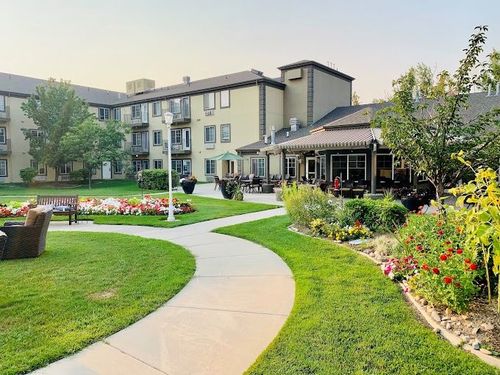
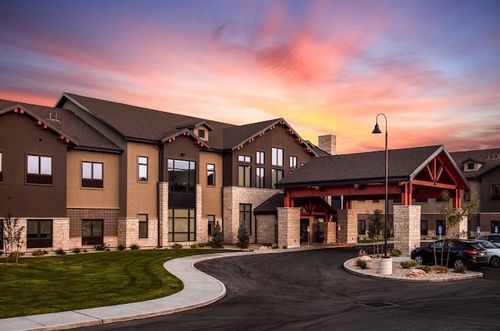
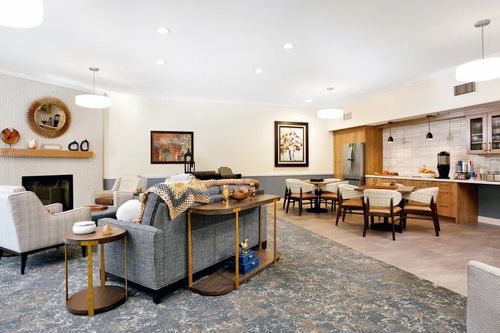
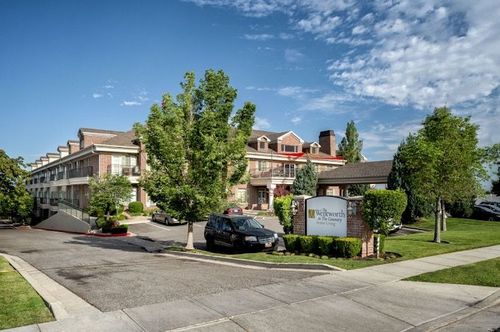
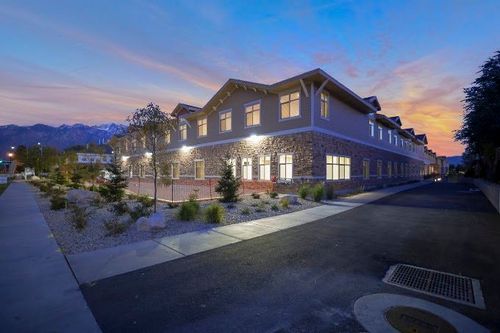

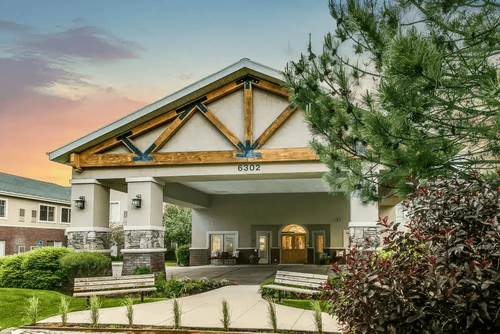

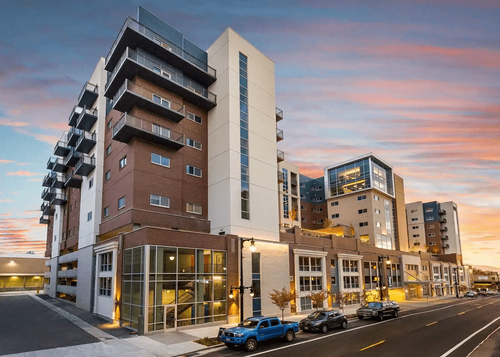

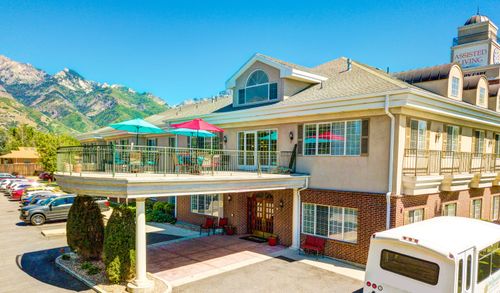
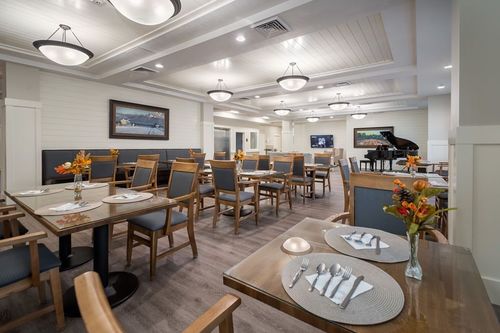
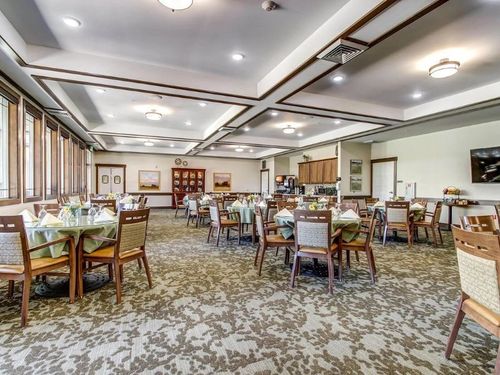
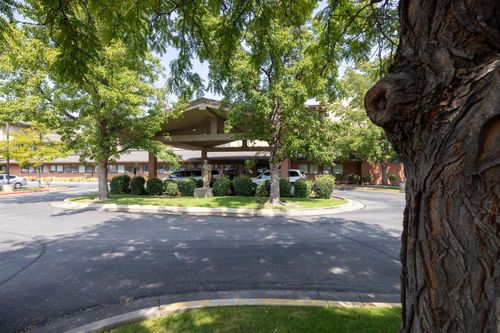
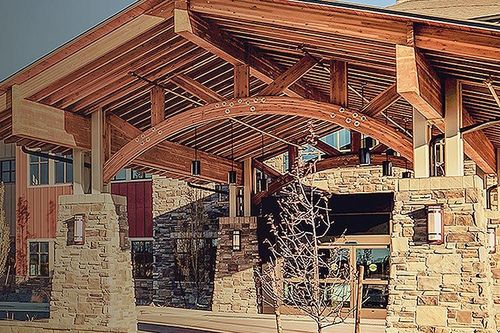
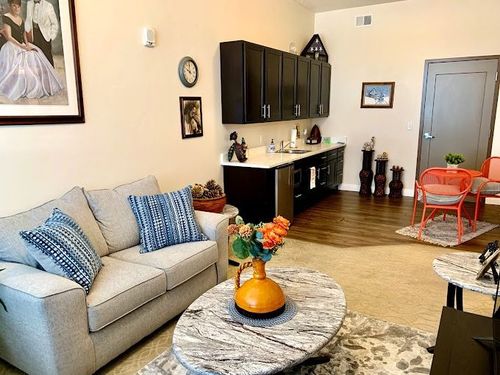
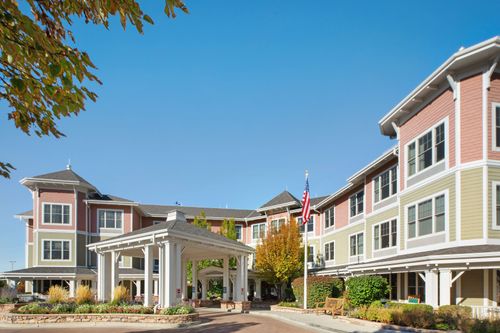
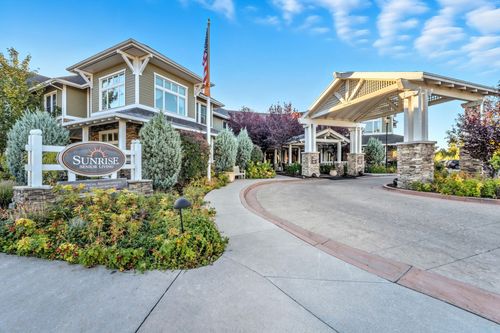
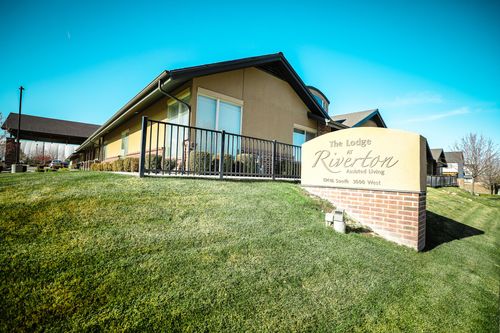


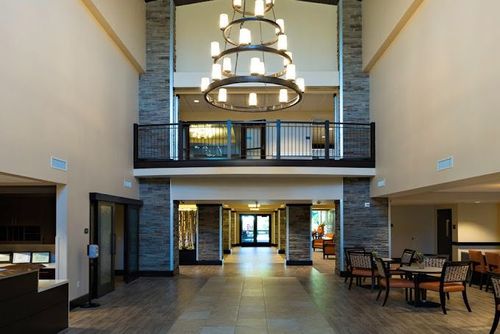

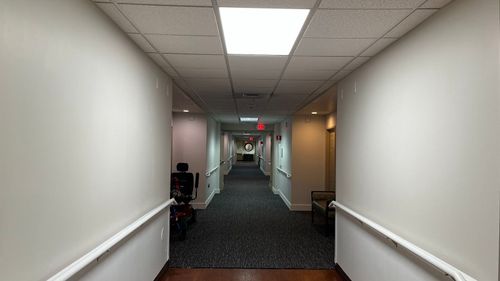
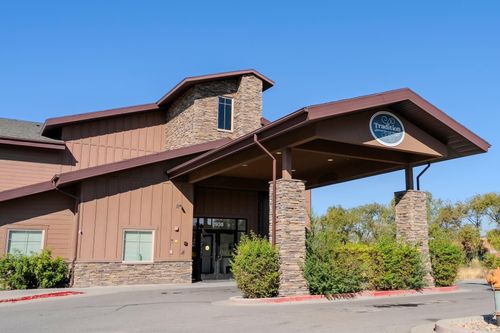
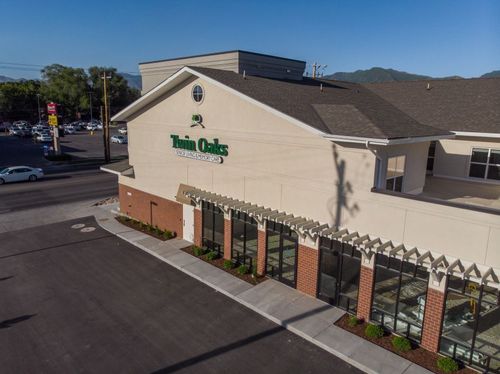
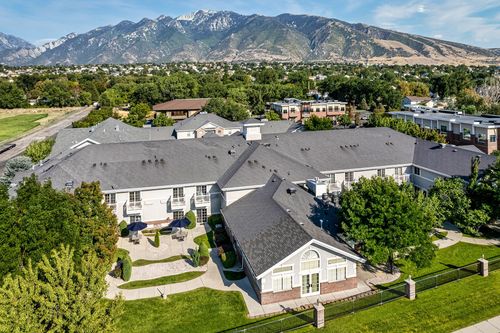
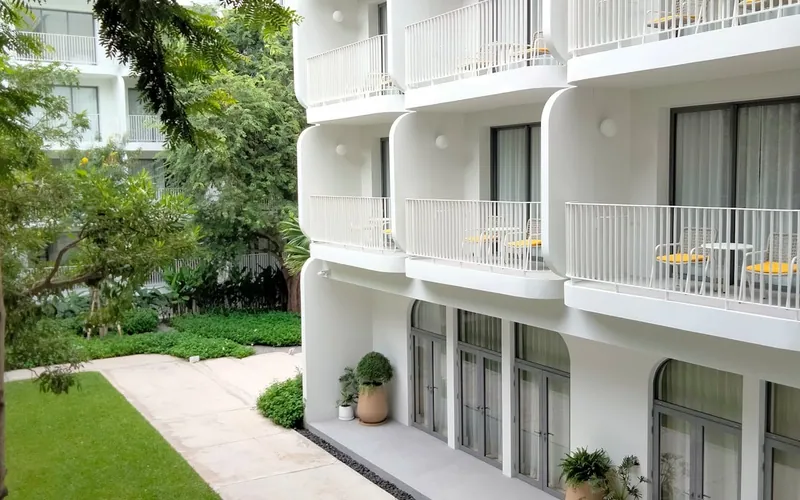

No other Utah county holds as much secured memory care as Salt Lake County. The valley carries 48 communities offering memory care across roughly sixteen cities, and that scale is the whole point, because it lets a family match the building to the person rather than take whatever bed is open. Sandy, Salt Lake City, and South Jordan each anchor about eight communities, from Crescent Senior Living and Sunrise of Sandy in the south to Capitol Hill Senior Living and Legacy Village of Sugar House in the city core to The Peaks at South Jordan and Sagewood at Daybreak on the west. Taylorsville and Draper add several more, with smaller residential homes filling Riverton, West Jordan, Midvale, Holladay, Murray, and Herriman, and the buildings range from eight-bed residential homes to large purpose-built campuses, all within a fifteen to twenty-five minute drive of most valley neighborhoods.
With more than 200,000 residents over 65 across the county, demand for secured care keeps new buildings opening, which is why a family searching today has real choice instead of a single option. Most reach this search when a parent or spouse starts wandering, gets lost in once-familiar places, or can no longer be left safely alone.
Matching the Building to the Stage of Memory Loss
What daily care looks like depends heavily on where a person sits in the progression, and the valley is deep enough to serve every stage. In early memory loss, when reminders are usually enough, the smaller residential homes of eight to sixteen residents in Draper, Riverton, and West Jordan offer a quieter household routine with familiar faces and gentle cueing rather than constant supervision. As wandering and disorientation set in, the search shifts to a secured floor with locked or alarmed exits and awake overnight staff, the heart of the county's inventory in the larger communities across Sandy, South Jordan, Taylorsville, and Salt Lake City. For advanced needs, the buildings equipped for higher staffing and closer medical coordination lean on the county's hospital backbone so a resident rarely faces a disruptive move.
Whatever the stage, the core holds steady: structured daily activities built for cognitive engagement, help with bathing, dressing, and medication on the resident's schedule, and meals, housekeeping, and laundry included in the monthly rate. The breadth of the valley also lets a family prioritize the cluster nearest the relatives who visit most.
What Secured Memory Care Runs Across the Valley
Memory care across Salt Lake County generally runs between $4,500 and $7,500 a month, with most secured communities landing near $5,822, where the lower end reflects smaller residential homes in West Valley City, Midvale, and Riverton and the higher figures come from newer purpose-built buildings and the deeper staffing of dedicated secured wings in South Jordan, Taylorsville, and Salt Lake City. Memory care prices above standard assisted living in the same building because the locked floor adds awake overnight care and a smaller caregiver-to-resident ratio.
Utah Medicaid does not pay the room-and-board portion of memory care, but the New Choices Waiver can help cover the personal-care and supervision services for residents who qualify financially and clinically. Not every secured community participates, so a family planning a draw-down from private savings benefits from knowing which valley buildings accept the waiver before money runs short.
Where Secured Beds Fill Fastest in the Valley
Salt Lake County is home to more than a million residents, and its over-65 population is both the largest and one of the fastest growing in the state, with growth running uneven across the valley as the southern cities of Sandy, Draper, South Jordan, and Riverton draw retirees and aging families toward newer construction while the central cities of Salt Lake City, Murray, and Holladay hold longtime residents who want to stay near established roots. The result is steady demand for secured beds in nearly every corner of the county.
The wait-list windows follow that pattern, because the smaller secured wings in central cities like Murray, Holladay, and Salt Lake City tend to fill faster than the newer south-valley buildings in Sandy, Draper, and South Jordan, so families who start touring before a move turns urgent usually choose on fit rather than on whatever bed opens that week.
Hospital Backbone and Keeping the People Who Matter Close
The county's hospital networks give secured communities a clinical backbone close at hand. Intermountain Medical Center in Murray runs a Level I trauma center and high-volume cardiac care, University of Utah Hospital in Salt Lake City carries the state's other Level I trauma program alongside the Huntsman Cancer Institute and geriatric clinics, and St. Mark's covers the central valley, so for a resident whose dementia comes with other medical needs, specialists and emergency care sit minutes from the secured floor.
Families also choose the county because staying in-valley keeps the people who matter close, with grandchildren, adult children, and longtime neighbors usually a short drive away and senior centers across the cities extending activities and respite beyond the community calendar. With this many buildings, a family rarely has to leave the county to find the right fit.
How an Advisor Works the Valley's Hospital Networks
Forty-eight communities across sixteen cities create real choice and real complexity, and the work of narrowing comes down to the three or four buildings that match the family's neighborhood, the resident's stage, the budget, and any Medicaid timeline, then tracking which secured floors actually have a bed opening on the family's schedule rather than a wait list. That tracking matters most for the smaller central-valley wings that turn over slowly.
The coordination runs across the county's hospital networks too. Intermountain, University of Utah Health, and St. Mark's maintain case-management ties with different building sets, so a post-discharge placement often depends on the treating hospital, and keeping discharge planners, admissions teams, and the family on one thread prevents handoff slips when a move has to happen inside a discharge window.
Reach out when you are ready, or browse the communities we have vetted to start comparing secured memory care across the valley.