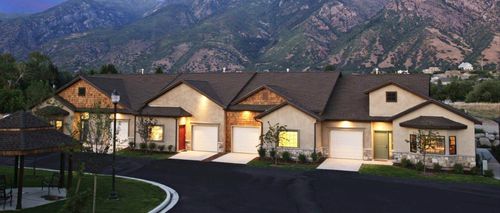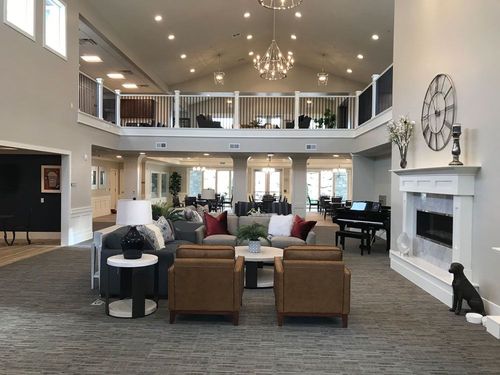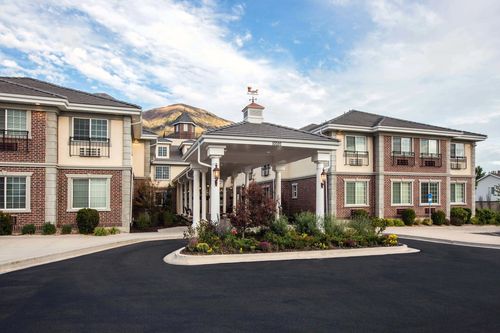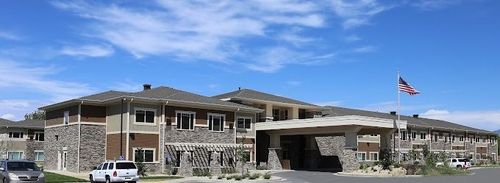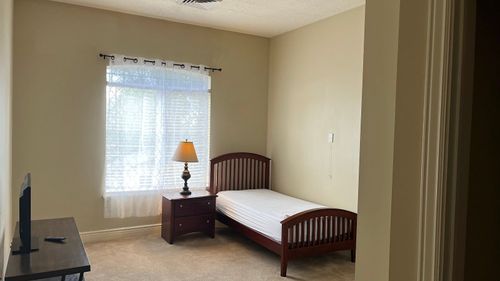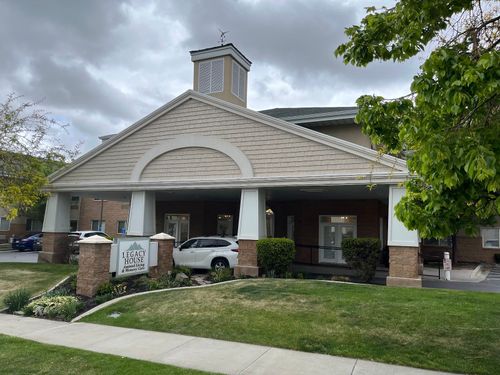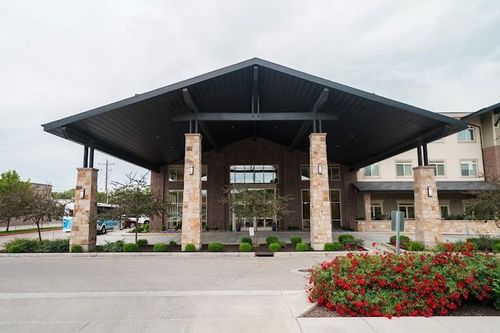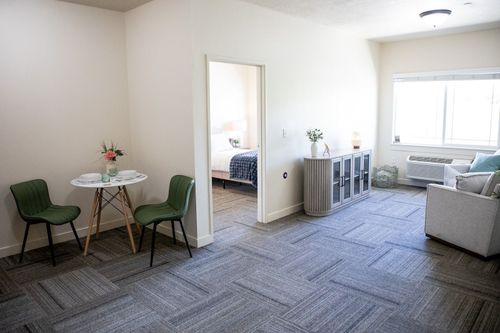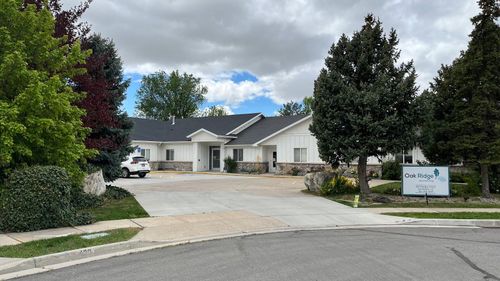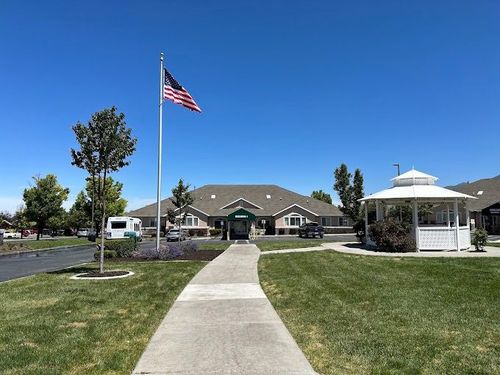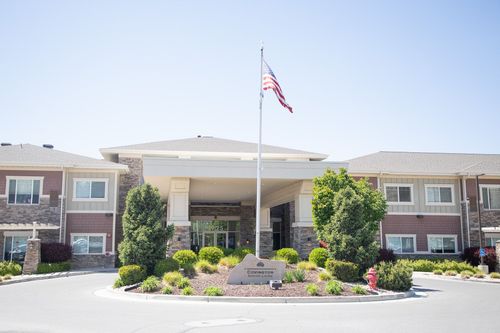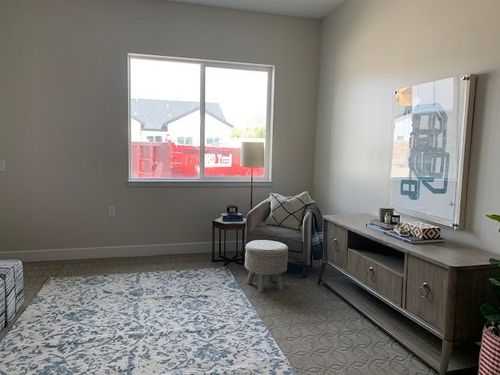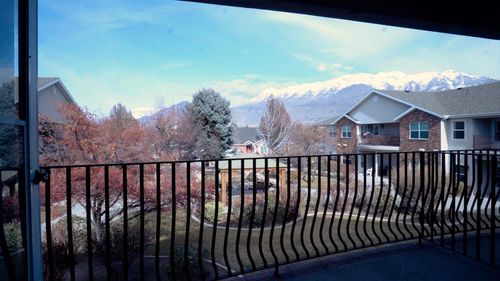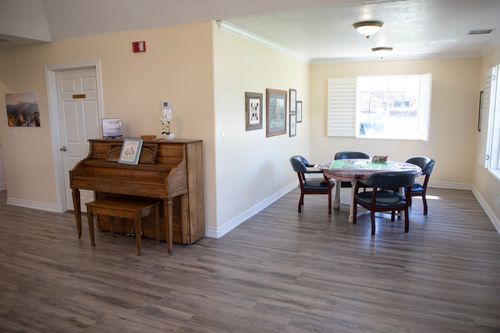
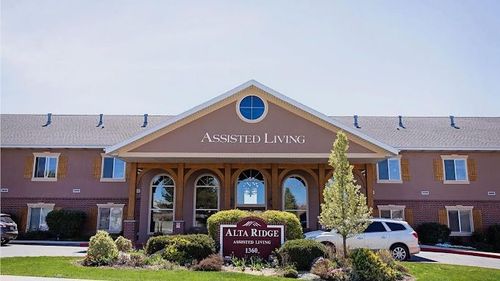
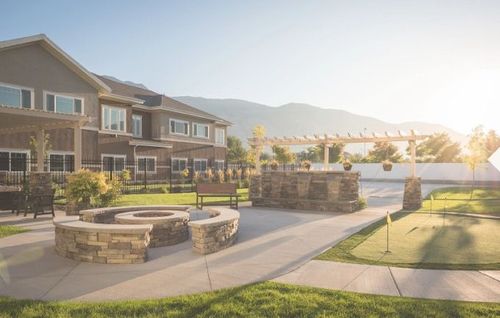
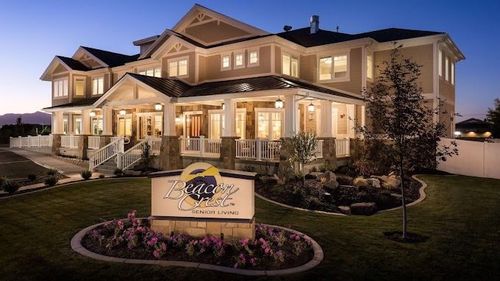
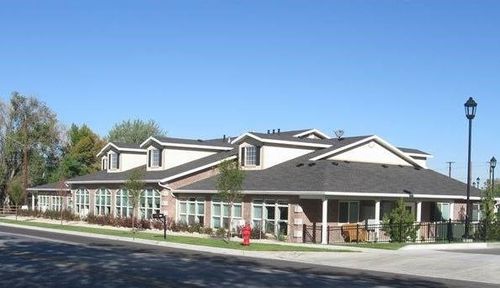
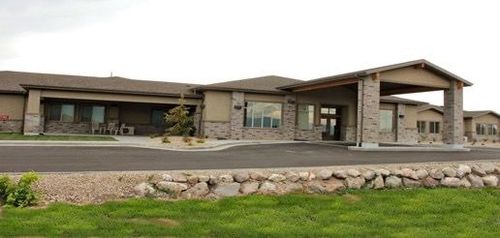

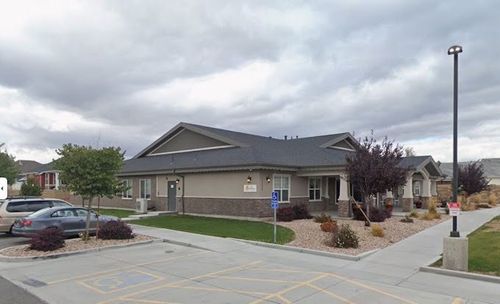
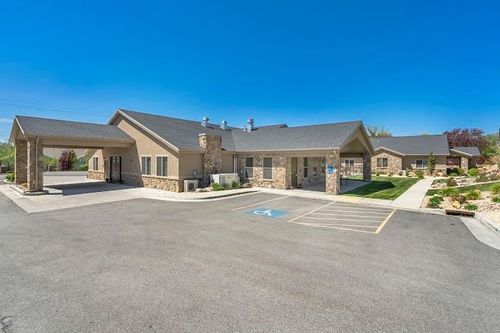
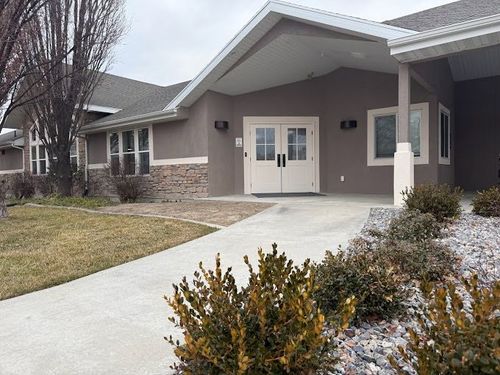

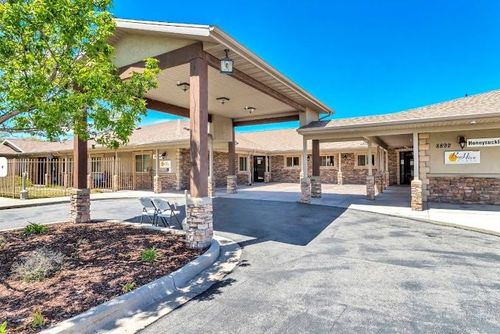
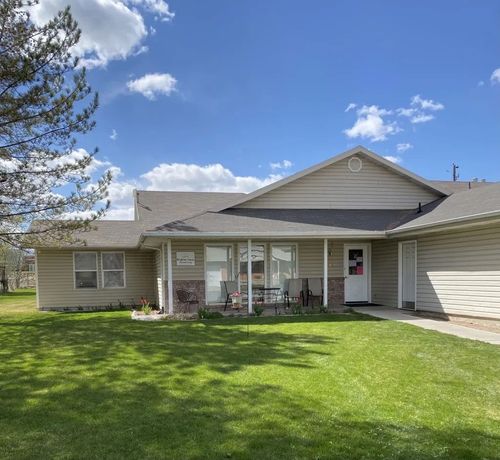
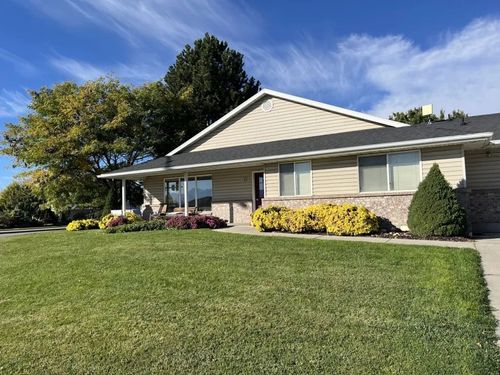
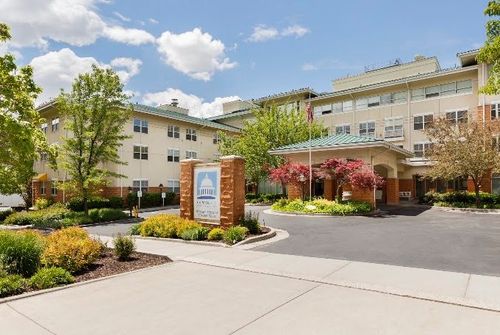
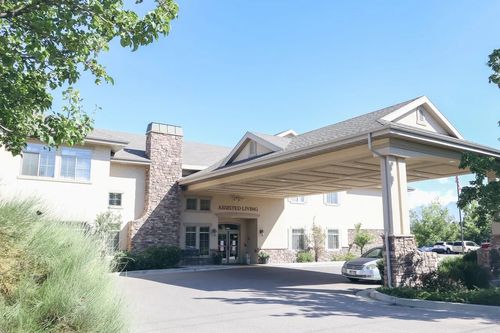
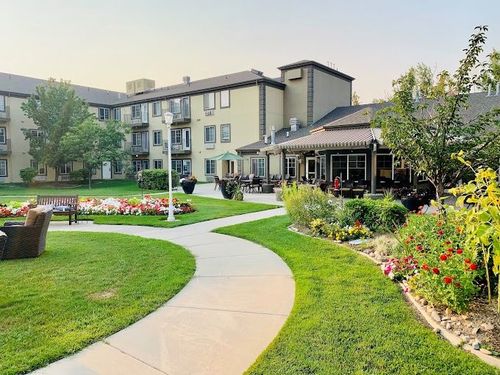
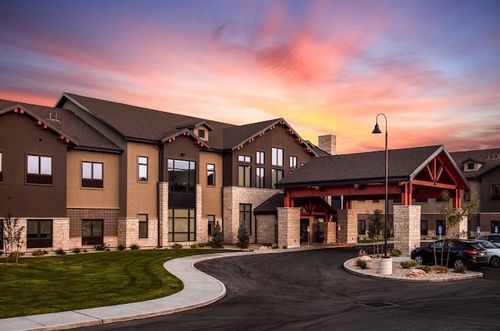
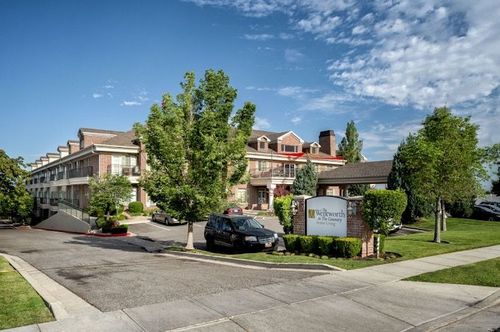
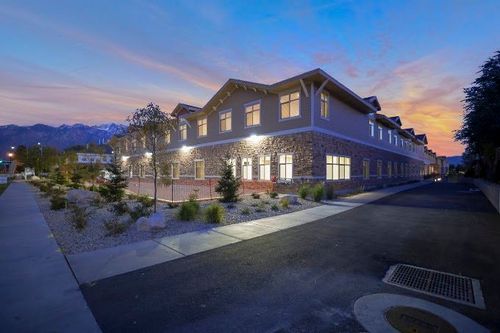
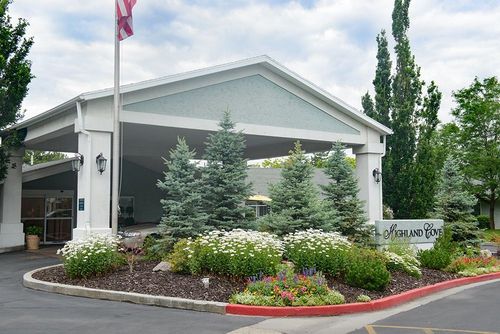


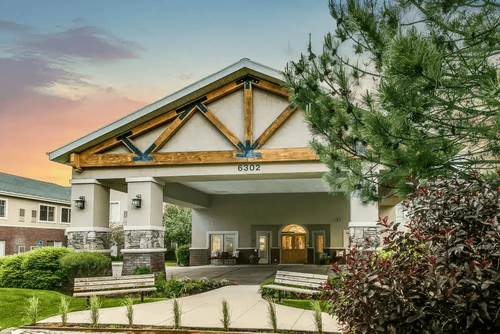
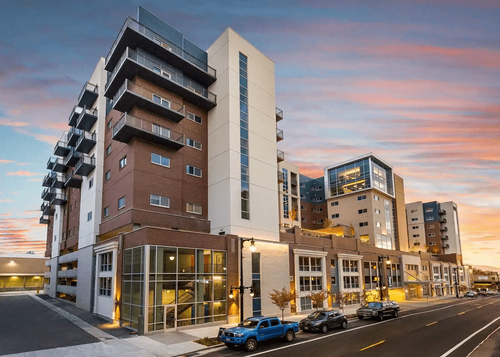
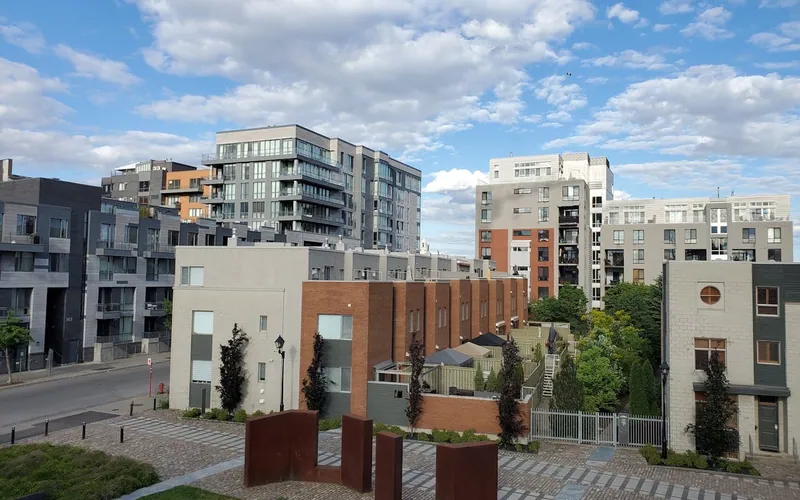

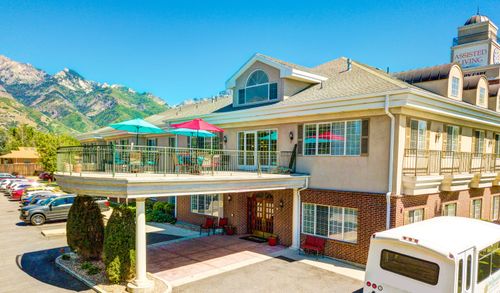
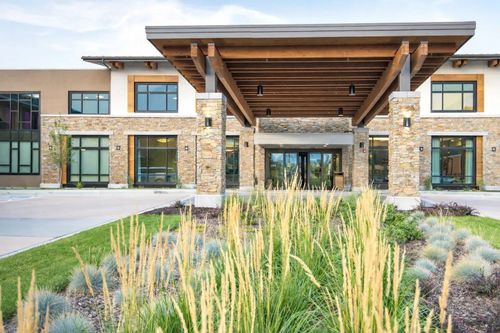
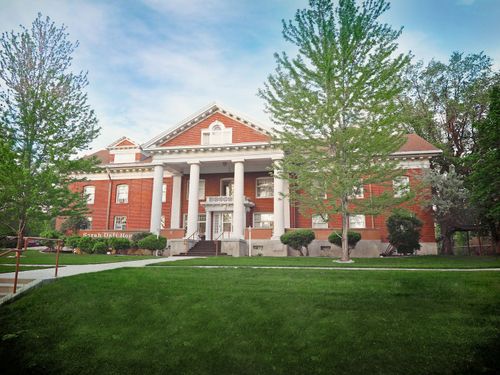
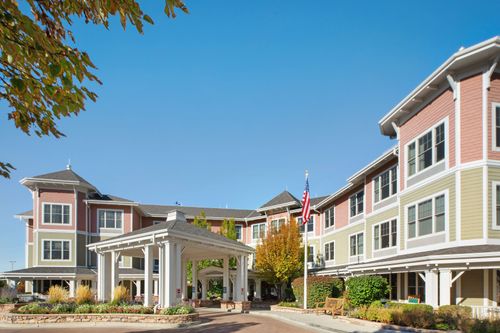
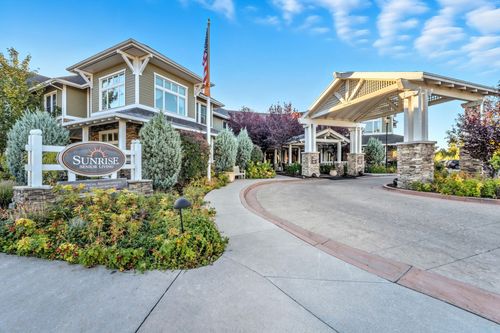

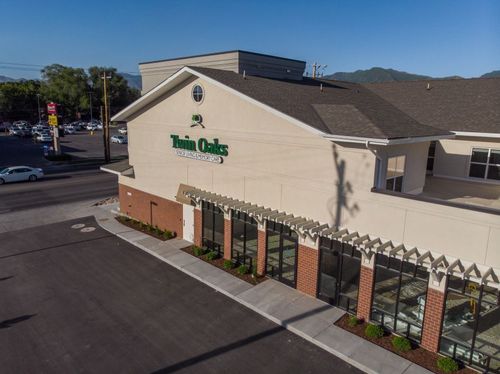
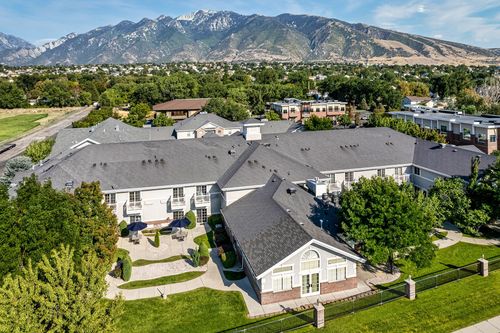
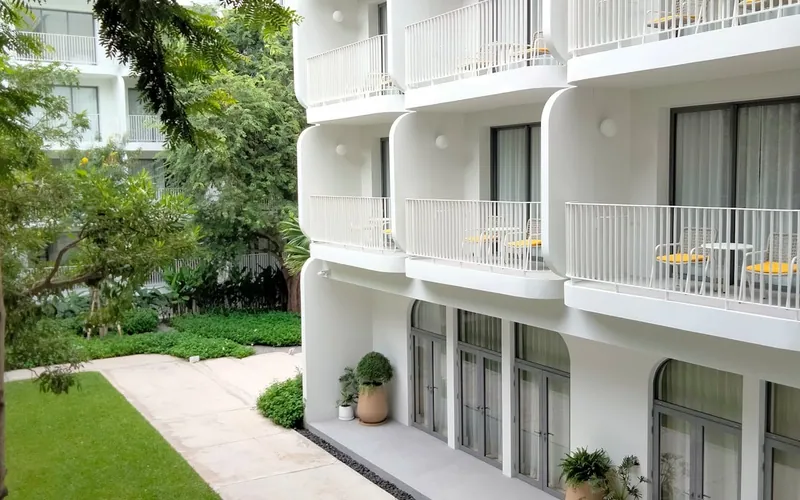

Assisted living is the most common senior-care search in Salt Lake County, and the valley answers it with more communities than anywhere else in Utah. The 58 assisted living communities here stretch across seventeen cities, so a family is rarely choosing between two options in one town; they are weighing a large purpose-built campus in Sandy against a small residential home in Salt Lake City, or a mid-size building in South Jordan against a sixteen-bed home in Riverton. Sandy holds the deepest cluster with communities like Crescent Senior Living, Sunrise of Sandy, and Cedarwood, Salt Lake City follows with Cottonwood Creek, Legacy Village of Sugar House, and the historic Sarah Daft Home, and South Jordan adds Copper Creek, Sagewood at Daybreak, and Legacy House. Draper, Holladay, and Taylorsville each carry several more, with smaller homes filling Riverton, West Jordan, Midvale, Murray, and the west-side cities of Kearns, Magna, and West Valley City.
About 152,000 of the county's 1.2 million residents are 65 or older, and assisted living is usually where families turn once daily tasks have outpaced what a person can safely handle alone, whether bathing and medications have started taking more effort, a caregiving spouse is wearing down, or a fall has made living alone feel unsafe. Assisted living covers exactly those gaps while leaving residents independent for the rest of the day, and the valley's range of building sizes lets a family match the setting to the person instead of taking whatever bed happens to be open.
Choosing Between a Valley Campus and a Residential Home
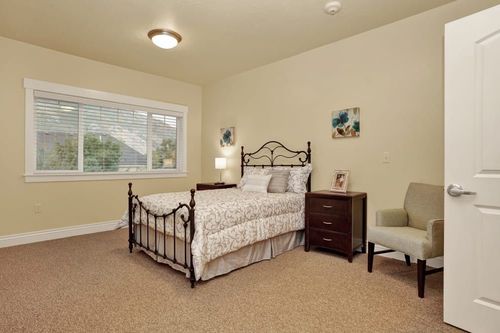
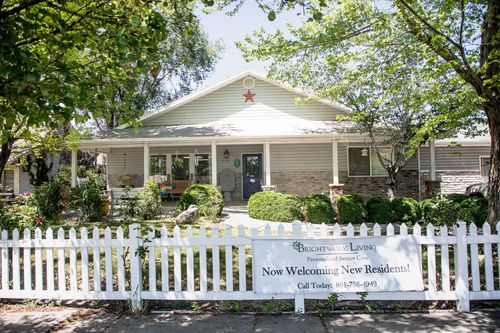
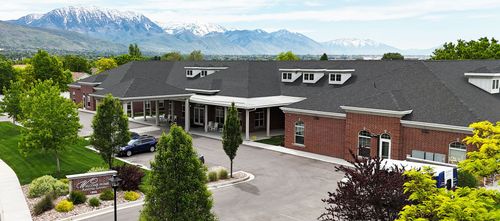
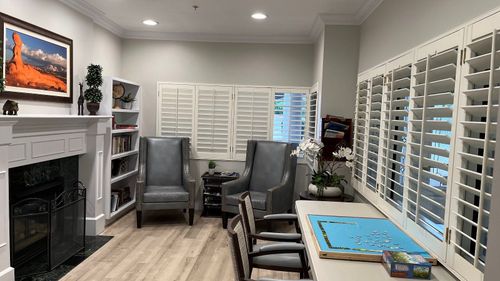
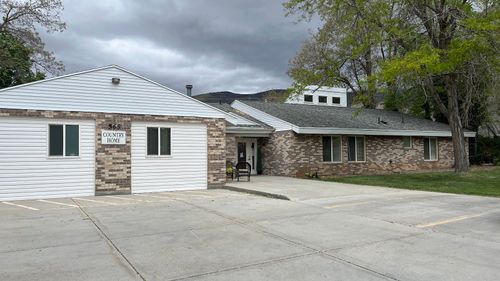
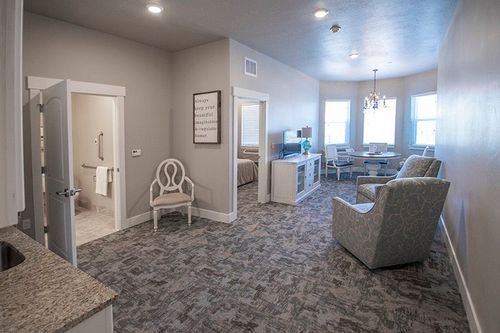
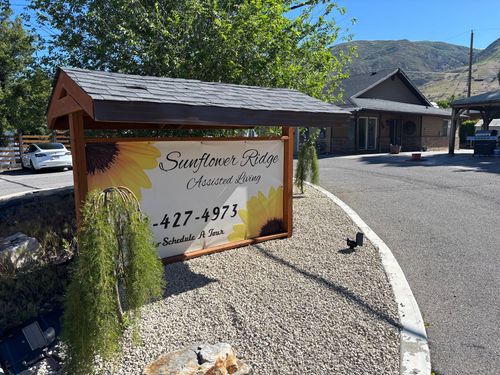
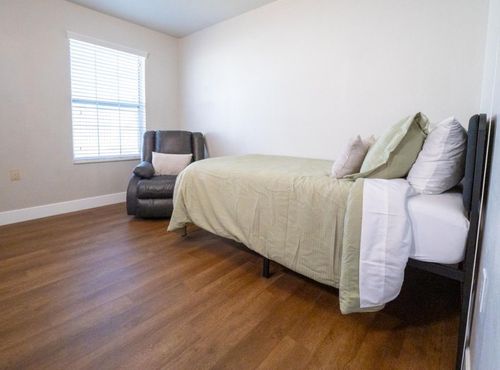
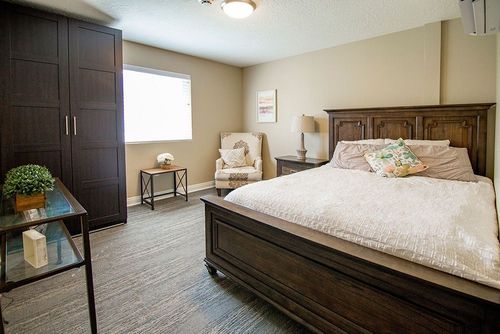
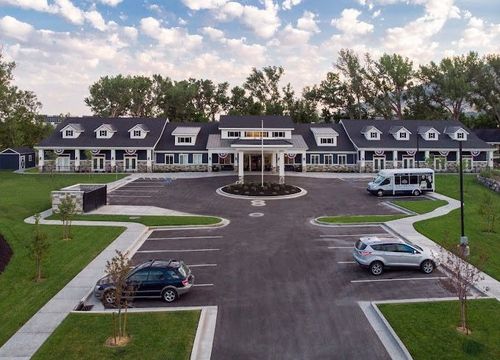
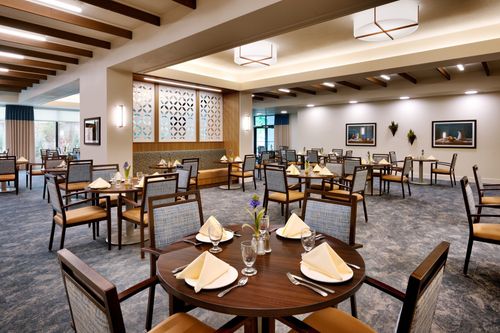
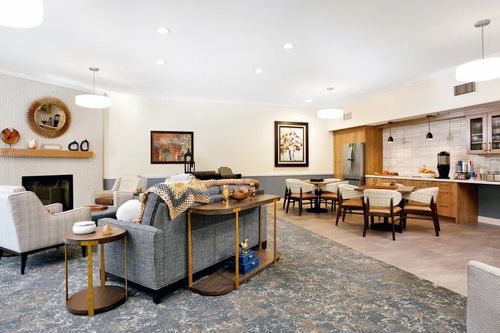
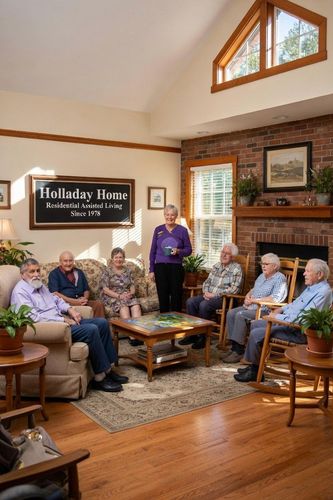
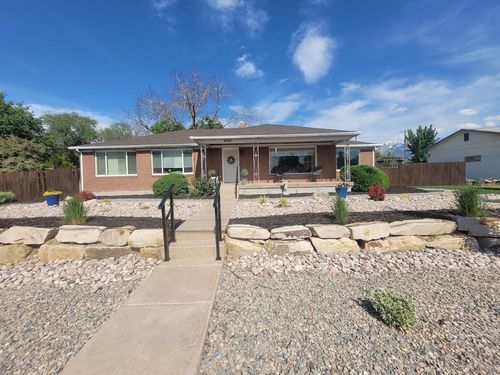
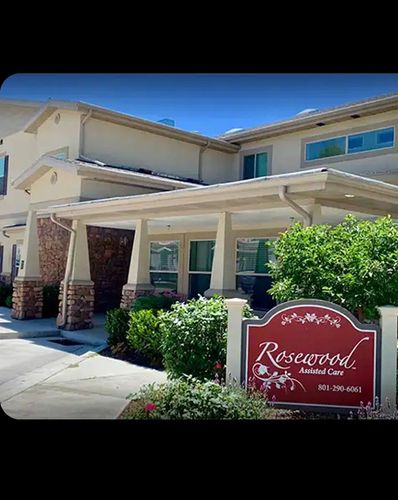
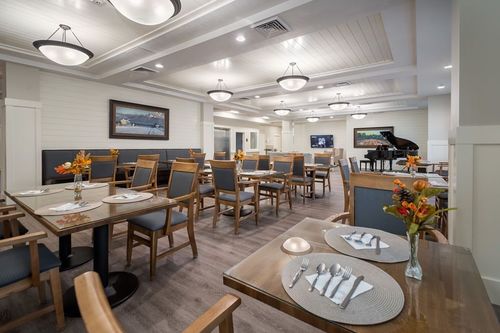
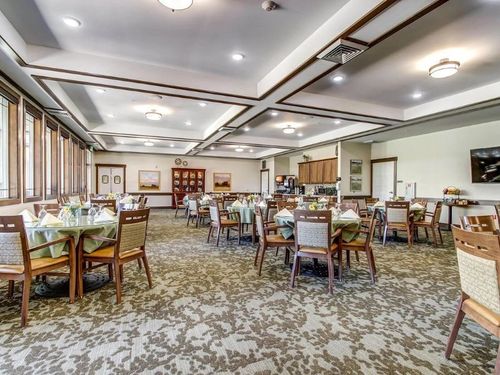
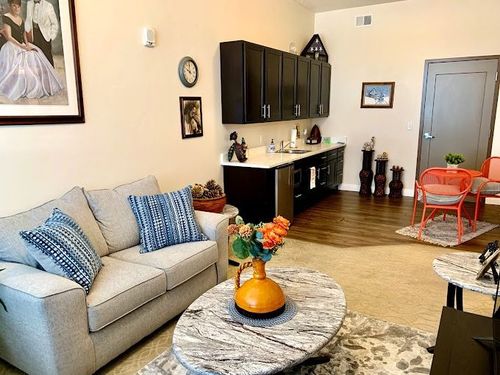
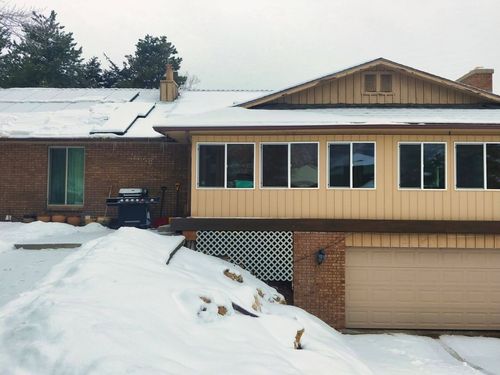
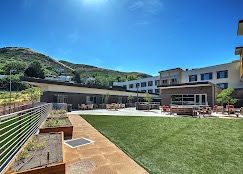
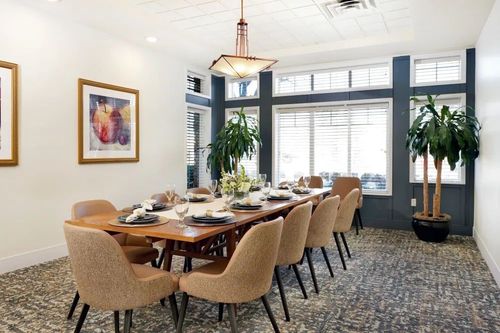
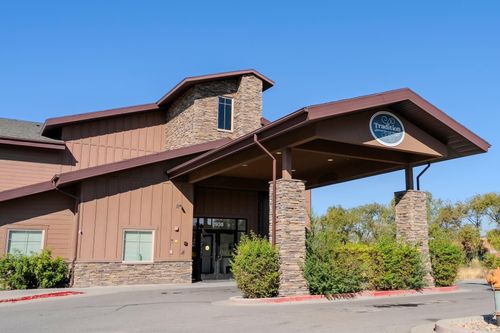
The biggest choice in this county is not the city but the size of the place, because the large campuses in Sandy, South Jordan, and Salt Lake City run a full calendar of shared dining, outings, and exercise classes with several care staff on every shift, while the small residential homes scattered through the valley, from Beehive Homes and Sego Lily to Niitsuma Living Center and the Superior Assisted Living houses, hold roughly six to sixteen residents, so the same few caregivers know each person by name and the rhythm feels like a household rather than a campus.
What stays constant across all of them is the care itself: staff help with bathing, dressing, grooming, and medication management and adjust that help as needs change, with meals, housekeeping, laundry, and transportation built into the monthly rate. Because the valley is only fifteen to twenty-five minutes across, getting a resident to a familiar doctor or to one of the county's major hospitals stays simple wherever the community sits.
What Assisted Living Costs Across the Salt Lake Valley
Assisted living across Salt Lake County runs from about $3,200 to $5,800 a month, with the lower figures tending to come from smaller residential homes and older buildings like Sarah Daft Home and Ivybrook in Taylorsville, while the higher ones reflect newer purpose-built campuses such as Meadow Peak and Crescent that bundle more services and deeper staffing. Most communities charge a base rent and then add care in tiers on top of it, so two residents in the same building can pay different totals depending on how much daily help each needs.
Utah Medicaid does not pay the room-and-board portion of assisted living, but its New Choices Waiver can help cover the care services for eligible residents who have first lived in a Medicaid-funded nursing facility and meet the program's clinical and financial rules. A number of communities across the valley participate, though slots are limited, so the practical question is always which specific building accepts it.
Where the Valley's Seniors Are, and Where Beds Open
The valley's over-65 population is both the largest and one of the fastest growing in the state, spreading from the established central neighborhoods to the newer south and west sides, which is why assisted living shows up in nearly every city rather than clustering in one downtown and why a family usually has real choice within a short drive of home.
The waiting, though, splits by building type. The small residential homes hold only a handful of beds each, fill quietly, and turn over slowly, so a spot in one is worth asking about the moment a search begins, while the larger campuses carry more apartments and see more movement, so a room there can open within weeks.
The Hospitals and Family Ties That Keep Families In-Valley
The county's hospital networks put serious care minutes away. Intermountain Medical Center in Murray runs a Level I trauma center and high-volume cardiac care, University of Utah Hospital in Salt Lake City carries the state's other Level I trauma program alongside the Huntsman Cancer Institute and geriatric clinics, and St. Mark's, Jordan Valley Medical Center in West Jordan, and Riverton Hospital cover the south and west sides. For a resident with ongoing medical needs, that proximity means specialists and emergency care sit close to whichever community a family chooses.
Staying in the valley also keeps the people who matter close, and many communities pair assisted living with memory care on one campus, so a resident whose needs deepen can move to a secured setting without leaving the building.
How an Advisor Narrows Fifty-Plus Buildings to Three
Fifty-plus communities across seventeen cities create real choice and real complexity, and the work of narrowing that field comes down to the three or four buildings that fit the family's neighborhood, the resident's care needs, the budget, and any Medicaid timeline, sorting large campuses from small residential homes along the way. That means knowing which communities accept the New Choices Waiver and which currently have a bed open rather than a wait list.
When a move follows a hospital stay, the same hand keeps discharge planners, admissions teams, and the family on one thread across the valley's hospital networks, which prevents handoff slips inside a tight discharge window.
Reach out for free, personal guidance, or browse the communities we have vetted to start comparing assisted living across the valley.