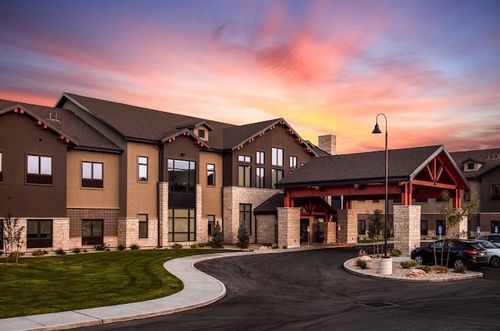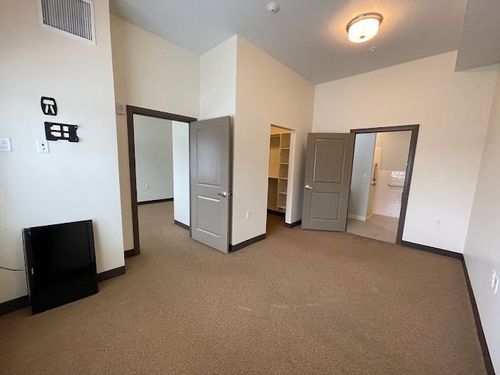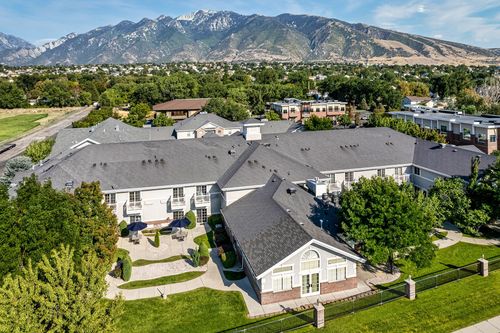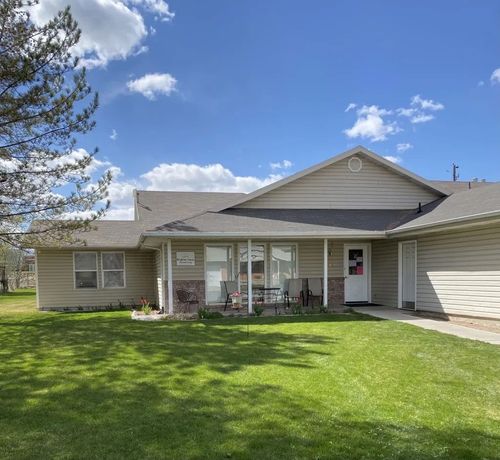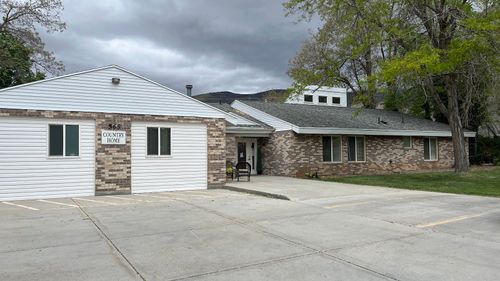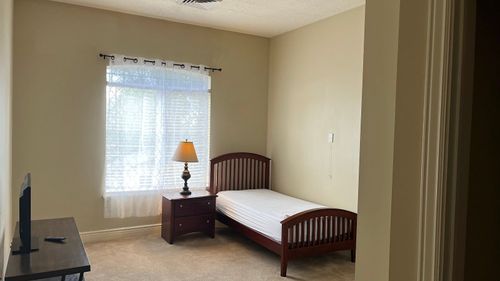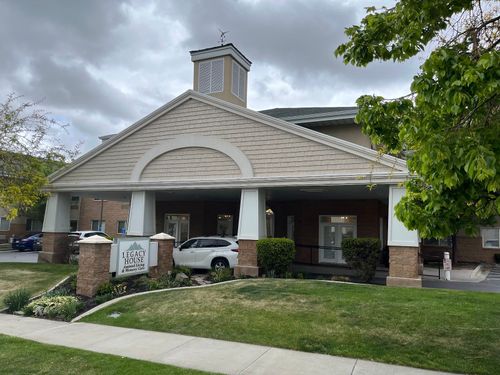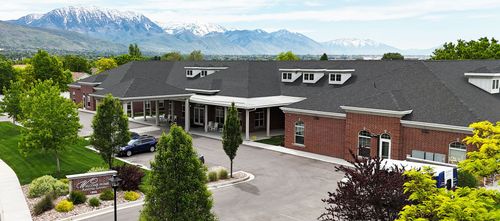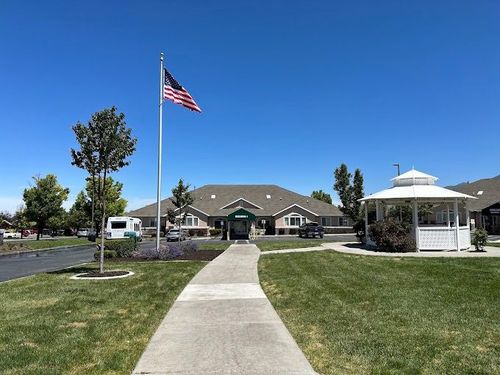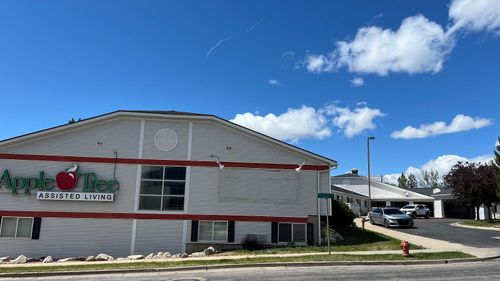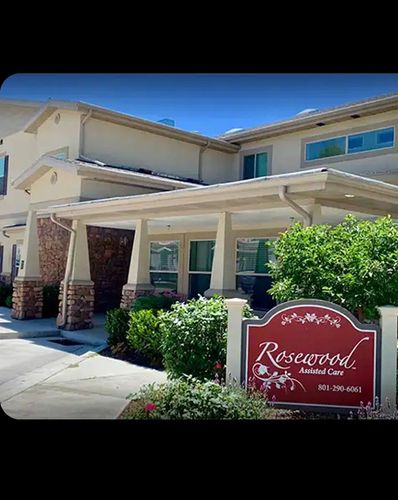

South Salt Lake is one of the valley's older, working-class inner-ring cities, a dense grid of homes and light industry just south of downtown, and its senior living leans toward smaller, more affordable settings than the big suburban campuses farther out. Rosewood Assisted Care, a 29-unit home on 3700 South, is the 1 community here that accepts Medicaid, and at a private-pay start near $4,500 a month it sits in the middle of assisted-living pricing in the county, with Utah's New Choices Waiver able to cover its care costs for residents who qualify.
Families in South Salt Lake usually reach this point when a modest fixed income, often Social Security alone, stops stretching to cover the daily help someone needs at home. In a city where earnings run well below the county median, Medicaid tends to be a familiar path rather than a fallback nobody saw coming.
What a Type 2 License Means for Care at Rosewood
Rosewood holds a Utah Type 2 assisted-living license, which matters more than the home's size suggests. A Type 2 setting can care for residents who need more hands-on help than a basic assisted-living home is allowed to provide, including people who could not get themselves out of the building in an emergency and those living with dementia. In practice that lets a 29-resident home on 3700 South keep someone as their needs deepen, instead of moving them to a larger building the moment care gets harder.
The New Choices Waiver funds the care-services side of that arrangement for residents who qualify. It pays for the hands-on support, the help with bathing, dressing, and medications, and the dementia supervision a Type 2 home is licensed to provide, for any resident whose assessed needs reach a nursing-facility level, covering the care and not the room itself.
Because Rosewood is small, the care is delivered at house scale, with meals in a shared dining room, staff who know every resident by name, and a care plan set person by person rather than by a fixed package. Two waiver-funded residents in the same home can receive very different amounts of daily help depending on what each one needs.
How the Waiver Stretches a Fixed Income in South Salt Lake
Rosewood's private-pay rate runs near $4,500 a month for assisted living, with heavier dementia care adding to it. That rate sits below the statewide assisted-living median, but for a household living on a modest fixed income it is still out of reach without help, which is where the waiver comes in. The gap a South Salt Lake family still faces is mostly the room and board, because once a resident qualifies for the New Choices Waiver, Medicaid takes on the care-services side of the bill while the resident covers the housing out of monthly income, minus a small personal allowance for incidentals.
The 2026 financial tests are specific: for a single applicant the income ceiling and the countable-asset limit are both set by the state, on top of a documented nursing-facility level of need. Utah also reviews 5 years of gifts and asset transfers, so shifting money to family in order to qualify usually backfires. For a household living on Social Security, the waiver frequently turns an out-of-reach bill into a workable one.
29 Beds in a City of Renters
South Salt Lake is a young, densely settled city where only about 8 percent of its roughly 25,000 residents are 65 or older, near 2,000 seniors, and a large share of them rent rather than own, in apartments and older homes packed into the inner valley. When home care stops working for a renting senior, there is often little financial cushion underneath, which is part of why Medicaid comes up early here.
Against that small senior count, Rosewood offers just 29 beds, and with 1 Medicaid-accepting home in the city and the New Choices Waiver capped statewide, an open waiver-funded room is the genuine bottleneck rather than the count of families who could use one. Rooms turn over unpredictably, so once a need is clear, a South Salt Lake family seldom comes out ahead by holding off.
Why a Central, Transit-Rich Location Helps in South Salt Lake
South Salt Lake's strongest practical advantage for a Medicaid move is how easy it is to reach. The city sits at the geographic center of the valley, threaded by several TRAX light-rail lines and major bus routes, so the adult children, friends, and grandchildren who visit can get to Rosewood without a car or a long highway drive, which matters in a working community where not every family has a spare vehicle or a flexible schedule.
Staying in South Salt Lake also keeps a resident near the doctors, pharmacies, and the familiar State Street surroundings they already know. When Medicaid makes a licensed local home affordable, there is rarely a reason to send someone across the valley to chase a cheaper rate far from that everyday access.
What an Advisor Confirms Before a South Salt Lake Move
On a South Salt Lake search, a local advisor starts with two concrete questions about Rosewood: whether a waiver-funded room is open there right now, and whether its Type 2 license fits the resident, since someone who needs only light help and someone with advancing dementia are very different placements in a 29-bed home. When Rosewood is full or not the right fit, the advisor already has a short list of vetted homes nearby that hold waiver rooms, sparing a family a round of cold calls in the middle of a hospital stay.
The timeline usually starts at a hospital: when St. Mark's Hospital or Intermountain Medical Center is ready to discharge a resident into Medicaid-funded care, the advisor syncs with the case manager on timing, pushing the waiver application forward so a room is lined up before the hospital needs the bed. Talk it through with us about Medicaid-accepting senior living in South Salt Lake, or browse the communities we have reviewed when it suits you.