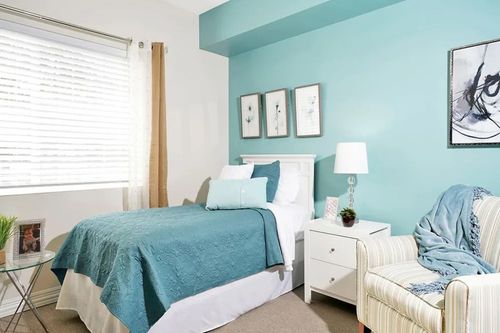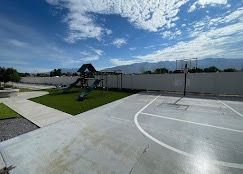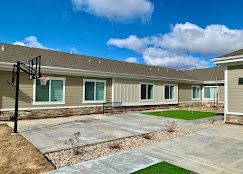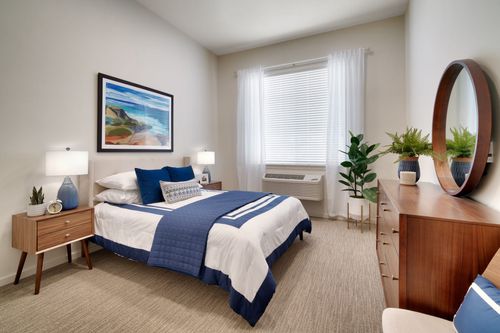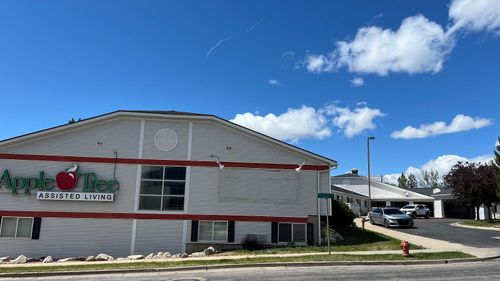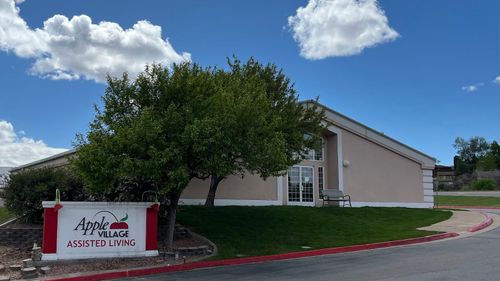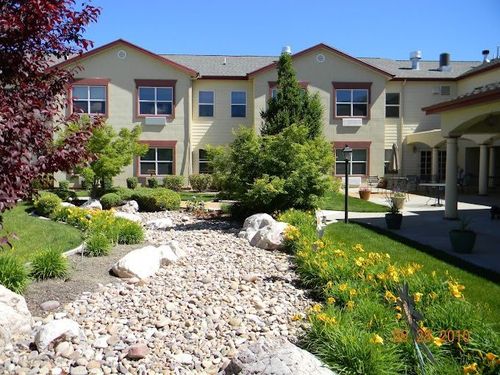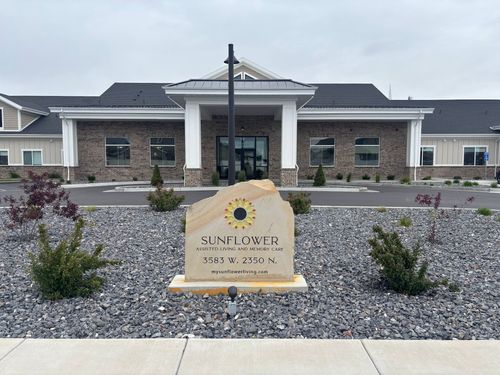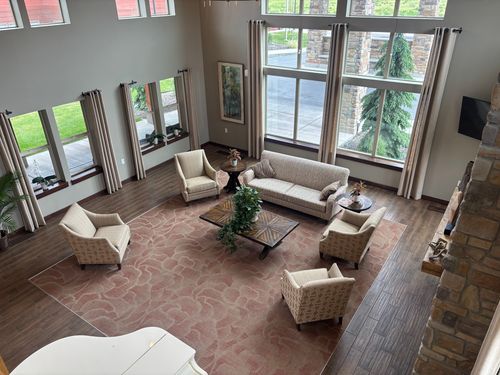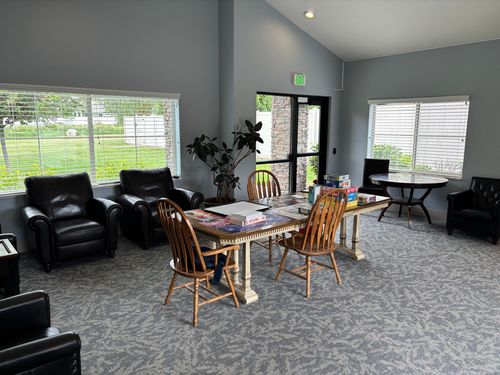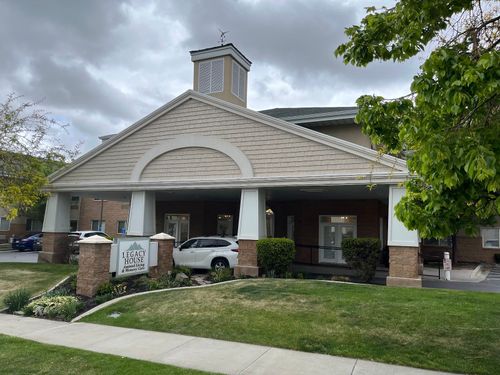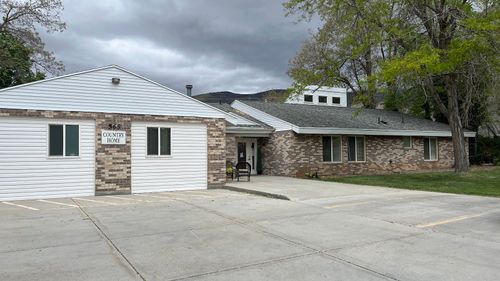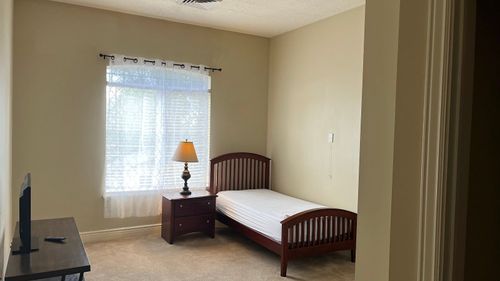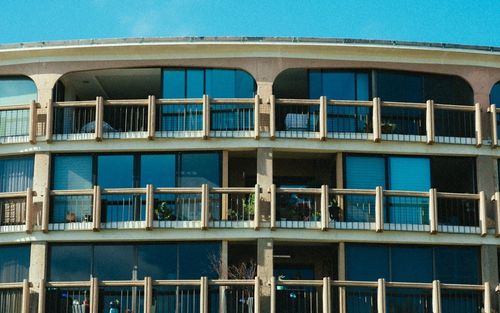
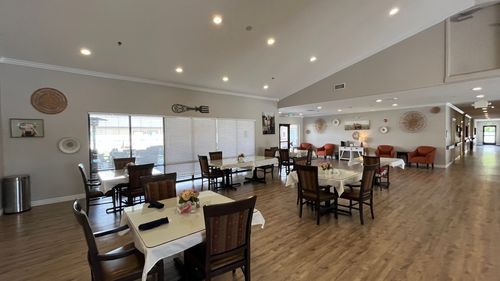
Dementia care in Syracuse works differently from the dedicated large-secured-wing pattern more common east in Layton or south in Clearfield. The two published in-city addresses each fold dementia support into a smaller assisted-living format rather than running it as a separate dementia-only building. The 22-bed Beehive Homes property on the south side of town runs a household-style setting with keypad-controlled doors, a wander-guard system, and awake overnight caregivers built into the standard staffing pattern. RainTree's 52-apartment building on the city's west side runs a smaller secured neighborhood inside the same campus, with the broader assisted-living wing alongside.
What that means for a Syracuse family is that the dementia decision is rarely a ranking exercise between two large secured wings. It is a choice between a household-scale rhythm where a cognitively shifted resident sees the same eight or ten faces every day, and a slightly larger purpose-built secured neighborhood that draws on a broader weekly activity calendar. Both addresses fit earlier-to-mid stage profiles; later-stage dementia or behaviors needing deeper clinical staffing route to the dedicated dementia campuses south.
Inside Each Building's Dementia Setup
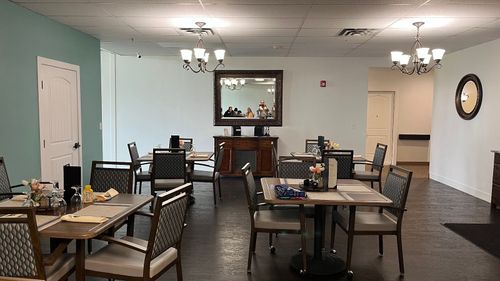
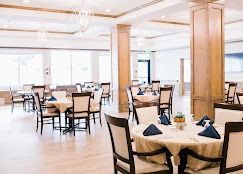
A small-home format reduces the cognitive load on a confused resident in a way the larger campuses cannot quite reach. At the household-style Beehive property, meals run at one shared table, the staffing rotation is small enough that names stay learnable, and the controlled-exit doors plus monitored hallway loops keep the footprint safely closed without requiring a separate dementia floor. Dementia residents in the earlier and middle stages often tolerate the household scale more easily than a larger building because the cognitive task of remembering many faces and a complex floorplan is exactly the work the disease compounds.
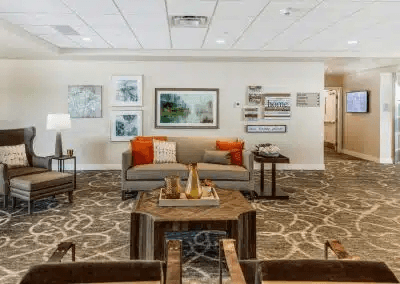
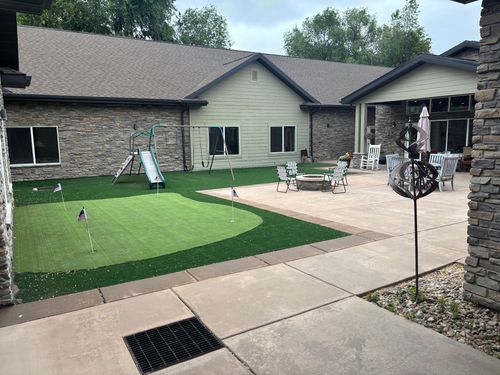
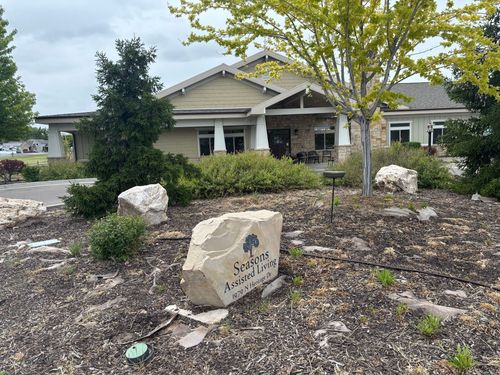
The purpose-built memory-care neighborhood at RainTree sits adjacent to the larger assisted-living wing rather than separated into a distinct tower. Dementia residents tap the building's broader activity calendar and dining program during programmed shared blocks while the secured-side spaces handle overnight safety, supervised outdoor access, and quieter sensory-tabletop time when the larger setting feels overstimulating.
Cost and Coverage
Dementia-care monthly figures in Syracuse run roughly $4,500 to $5,800 in 2026. The household-format property prices its dementia residents on an all-inclusive small-residential model, with the cognitive-care intensity showing up in each resident's individual care-tier rating rather than as a separately published memory-care rate. The purpose-built secured-side apartments price toward the upper portion of the band because dementia-trained staffing carries a heavier daily care load than the building's assisted-living wing.
Dementia-side Aging Waiver coverage is the structural gap here. Neither in-city building currently runs the program through to its secured side, which forces Medicaid-track Syracuse families to look at Davis County dementia-care addresses ten to fifteen minutes south where the program is integrated into the operating model. Chancellor Gardens of Clearfield's 30-apartment secured neighborhood is the deepest of those addresses, with several Layton-corridor secured wings carrying live Waiver contracts as well. Initial fees on the dementia side at either Syracuse building come in between $1,000 and $3,500, with short-stay respite at $170 to $230 nightly.
A Smaller Senior Pocket Inside a Growing Suburb
In absolute terms, the city's dementia caseload is modest: roughly 2,800 of Syracuse's 42,000 residents are sixty-five or older in 2026, well under the share most Wasatch Front cities carry.
The young growth profile (driven by families moving in for the schools and for the Hill Air Force Base employment corridor) means the local senior pocket concentrates in long-tenured Davis County households whose roots in the area predate the recent infill.
Why Families Choose Memory Care in Syracuse
The weekly visit cadence is the variable that matters most across the long arc of dementia, and the proximity calculation is what keeps most local dementia moves inside Syracuse rather than relocating south. Adult children driving in from Syracuse, West Point, Kaysville, or Clearfield reach a parent's apartment in five to fifteen minutes, which holds the multi-times-per-week rhythm that anchors a dementia resident's orientation when memory has begun to drift.
Davis Hospital and Medical Center five to ten minutes east covers the routine medical events dementia tends to produce alongside the cognitive trajectory, with Intermountain Layton Hospital fifteen minutes south carrying additional specialty depth when the case escalates beyond the routine.
What a Local Advisor Brings to Syracuse
Dementia-care calls in Syracuse usually come in after months of working through family scheduling rotations and paid home-care hours around a cognitive picture the home setup can no longer hold. The triggers are typically nighttime incidents, behaviors the home-care visits can no longer cover, and the long-term wear on the adult-child caregivers running point. The advisor pulls the clinical picture against each Syracuse format's safe ceiling, because the household-style home and the smaller secured neighborhood each handle different points on the dementia complexity curve, and matching the resident's profile to the right format quickly enough means the household doesn't lose more weeks to crisis management.
When the resident's profile lines up with either Syracuse format, the conversation moves quickly to availability and timing. When the profile points toward needing the deeper clinical staffing, larger secured design, or Aging Waiver coverage that the Layton and Clearfield secured-side capacity carries, the advisor pulls live availability across those addresses (with Chancellor Gardens of Clearfield at the deepest scale) and runs the comparison alongside the Syracuse options.
Reaching out before a dementia event compresses the search into a 72-hour scramble keeps the household's options open at a workable pace. Reach the advisor about memory care in Syracuse, or scan the buildings we cover for context across Davis County's broader dementia-care set.