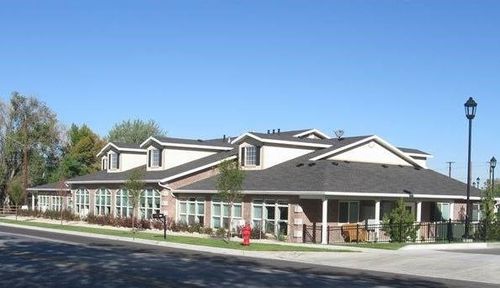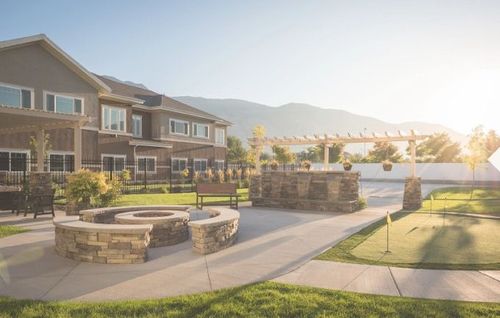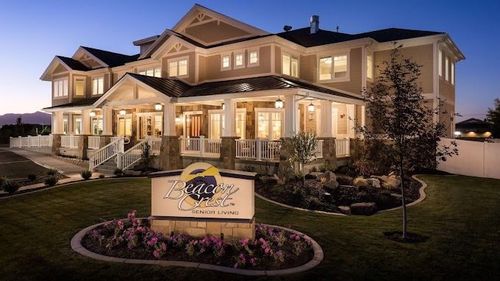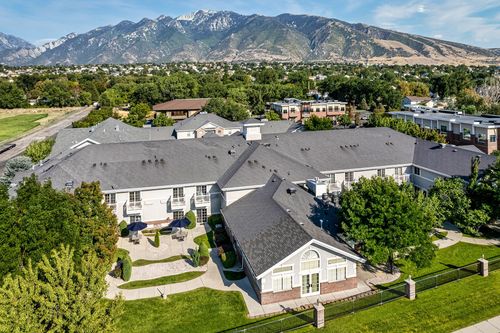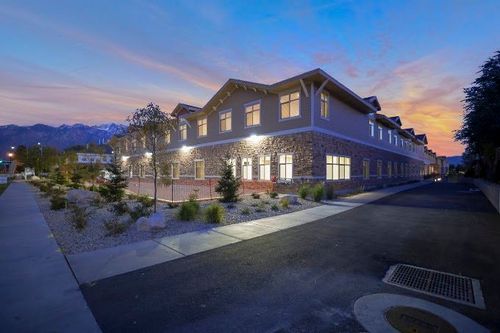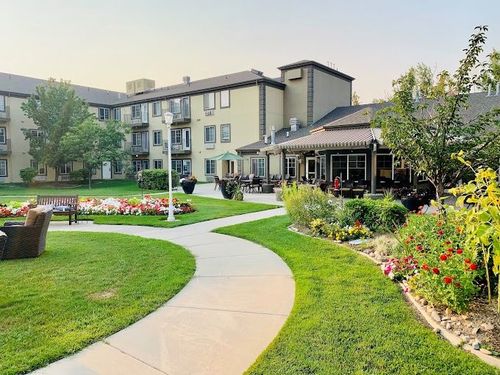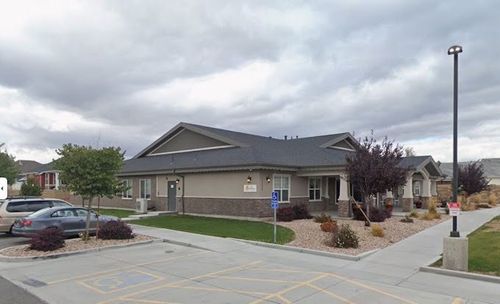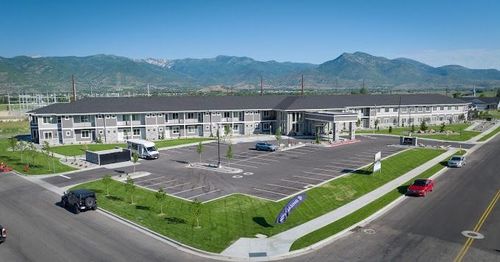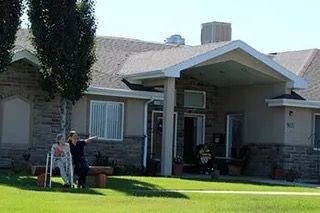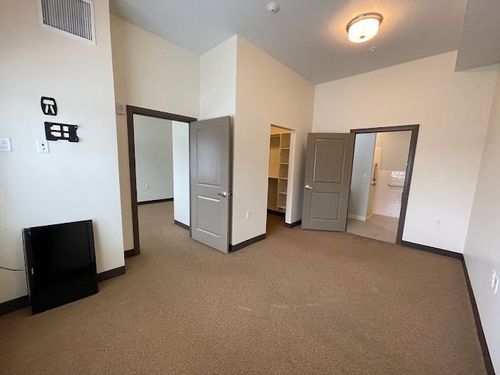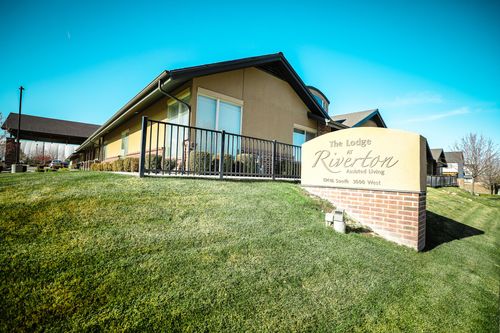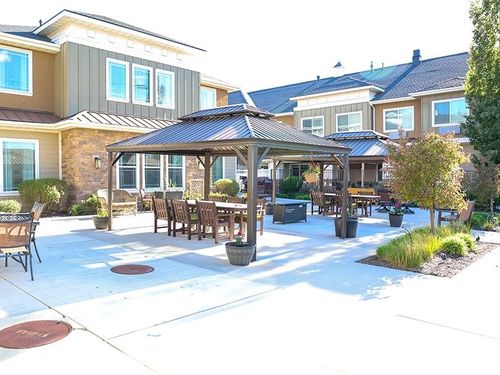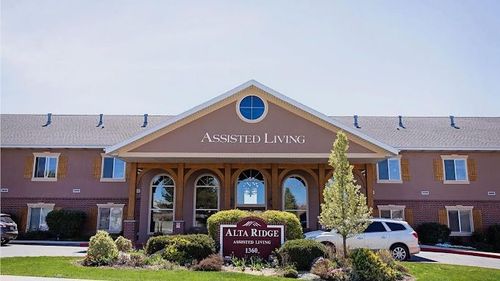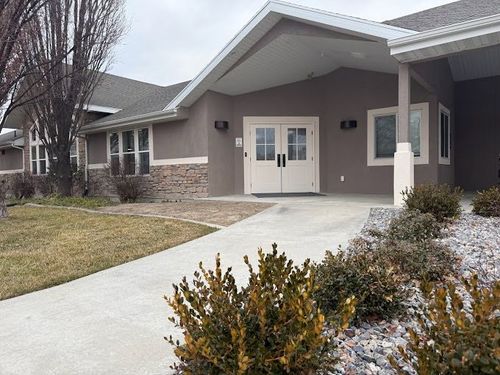
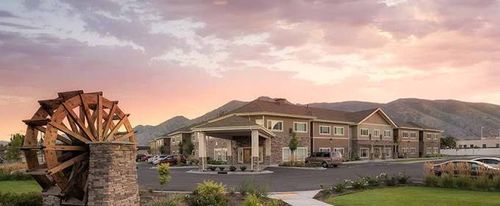


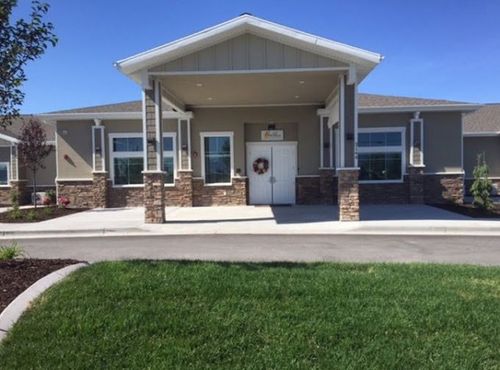
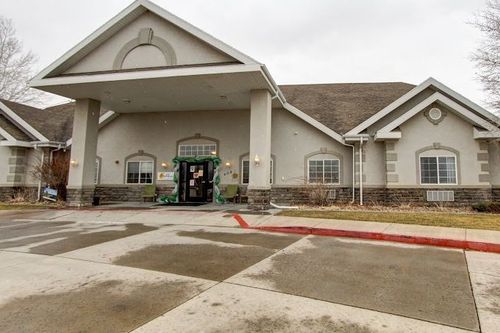
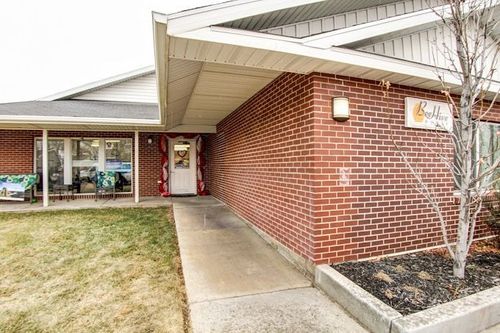


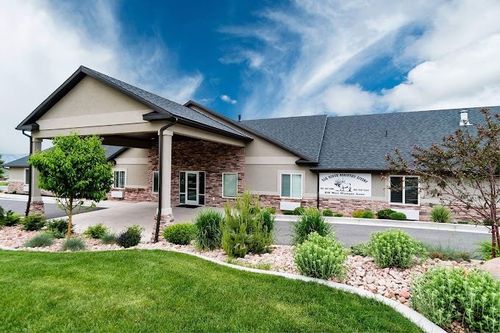
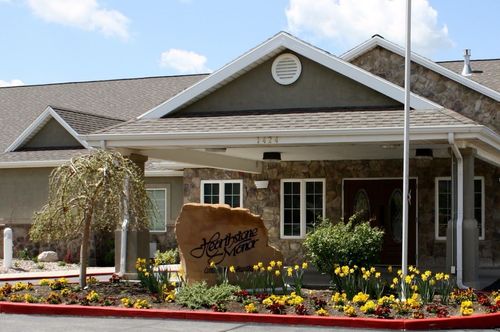


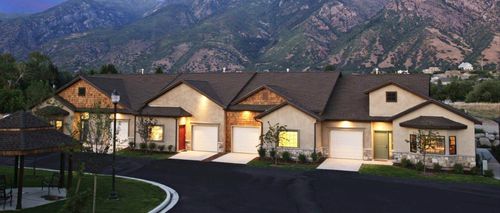
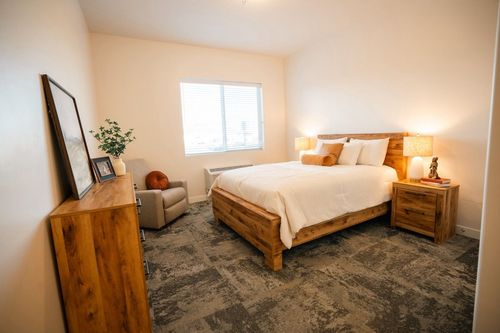
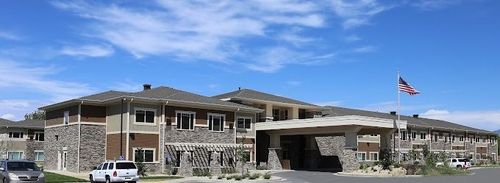
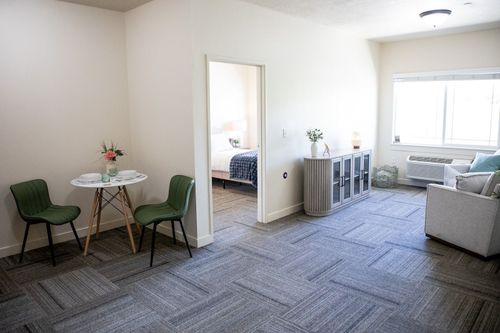

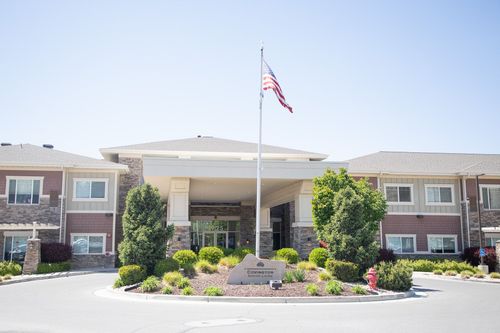
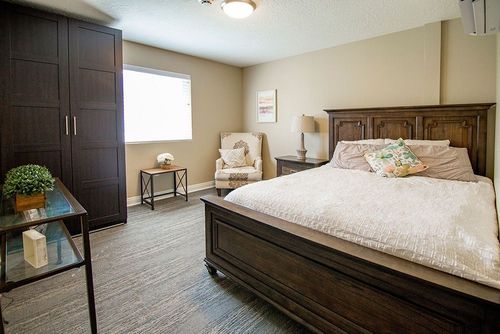
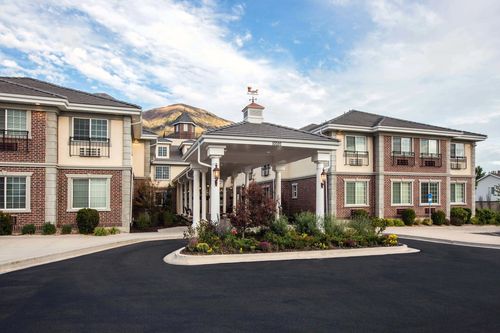
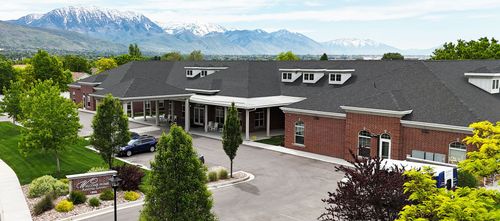

Assisted living is the deepest senior-care tier in Utah County, with communities in seventeen cities strung along the Interstate 15 corridor from Saratoga Springs and Lehi in the north down through Provo and Orem to Payson and Santaquin at the south end. Provo carries the most addresses, including River Pointe Assisted Living, Cove Point Retirement Community, Legacy Village of Provo, and the 222-apartment Courtyard at Jamestown. Orem follows with Spring Hollow, Spring Gardens Orem, Summerfield, and Lake Ridge, and Lehi has filled in fast with Aspen Ridge, Spring Gardens Lehi, Bellaview, and Abbington Manor. Springville, American Fork, and Spanish Fork each hold a cluster of three or four, while Alpine, Highland, Cedar Hills, Saratoga Springs, Salem, and Elk Ridge carry one building apiece so a family can stay in a familiar town. The size range is unusually wide for a single county, from purpose-built campuses of well over a hundred apartments down to eight and sixteen-bed residential homes like Canterbury East in Springville and Summit of Orem. Fewer than one in ten county residents is past sixty-five, the lowest senior share of any major Utah county, yet the number of communities keeps climbing because that older group is growing quickly in absolute terms. Families usually start an assisted-living search when help with medication, bathing, or daily routines becomes a regular need rather than the occasional favor.
How a Day Differs Between a Provo Campus and a Springville Home
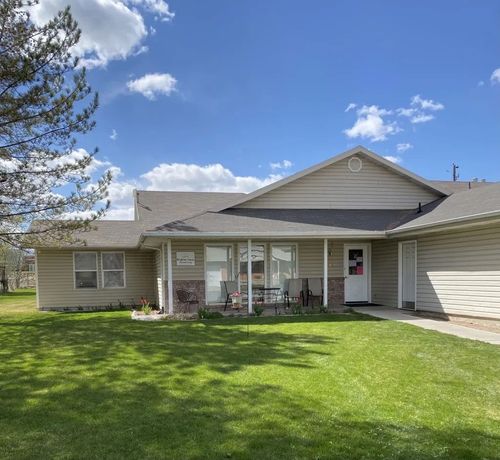
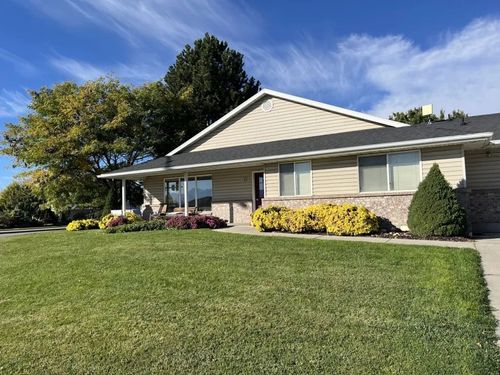
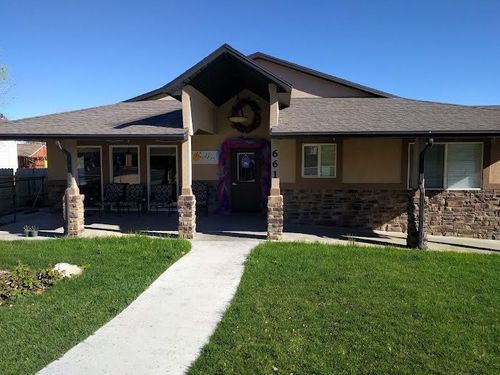
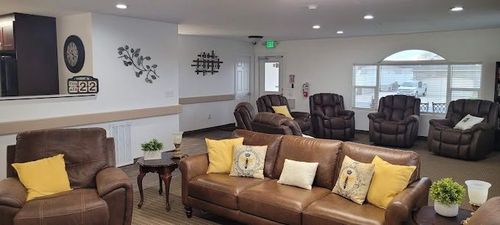
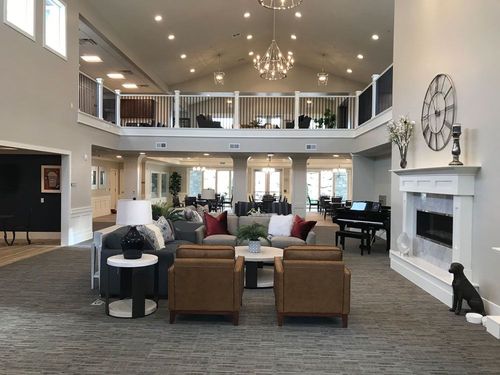
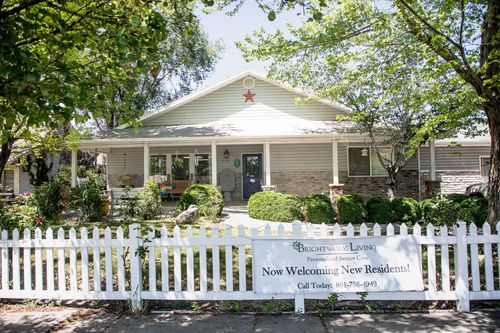
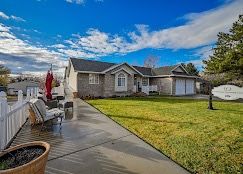
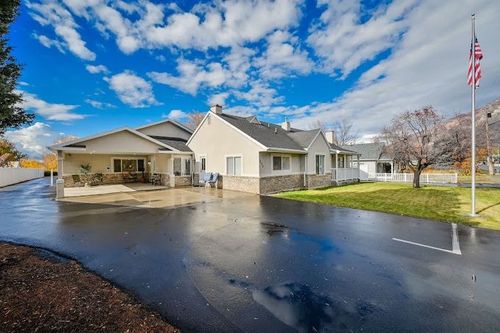
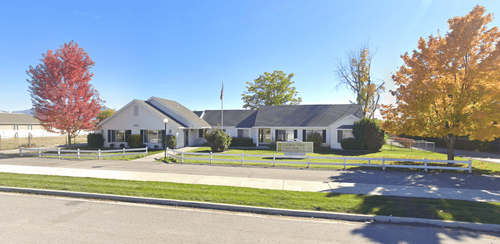
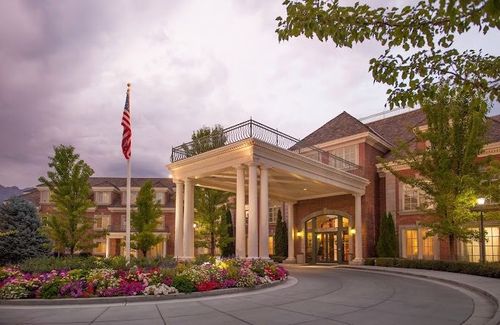
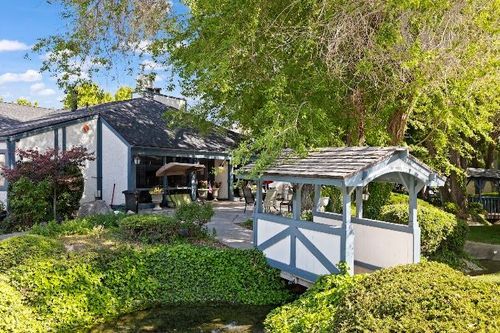
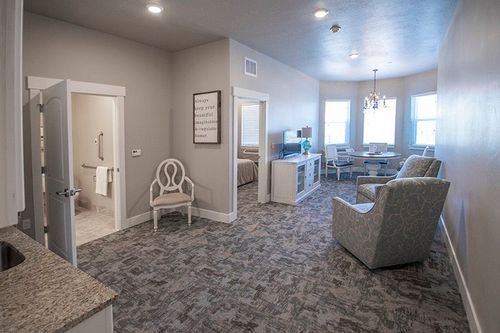
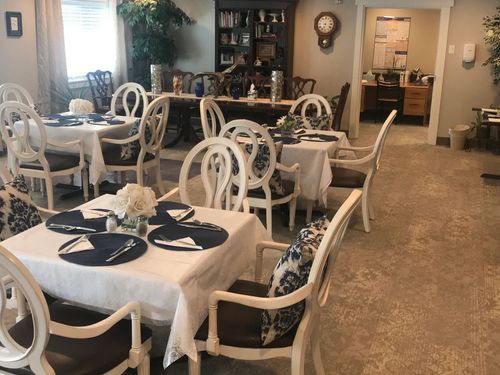
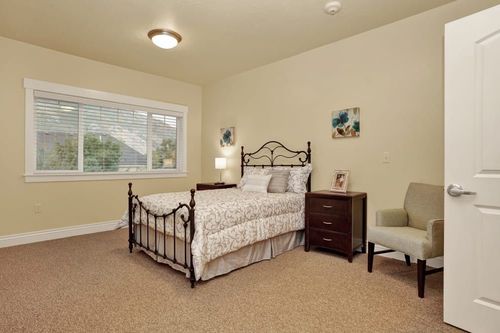
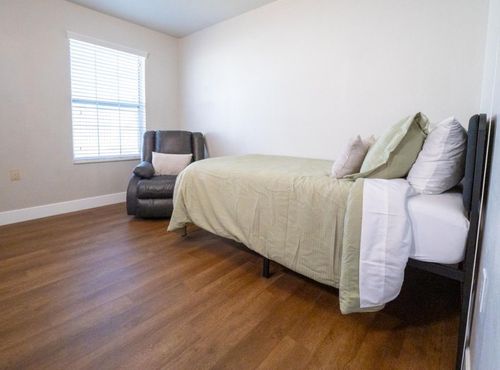
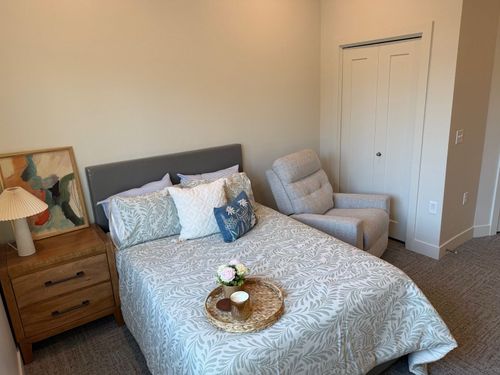
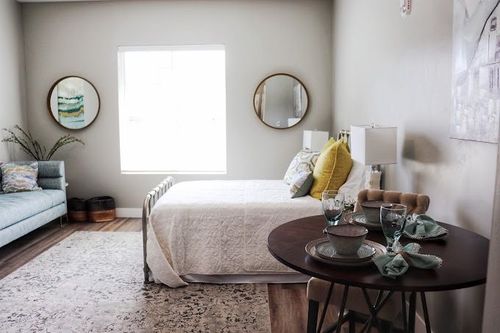
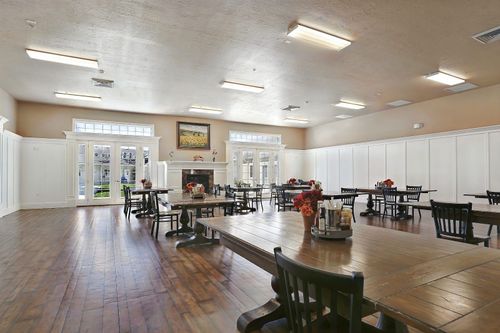
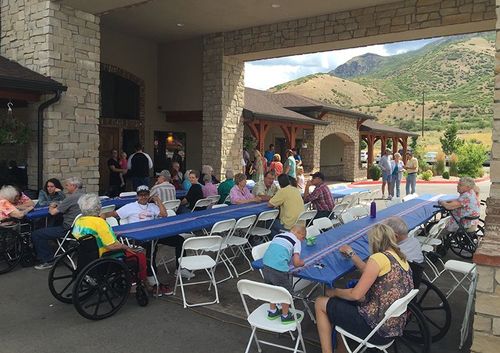
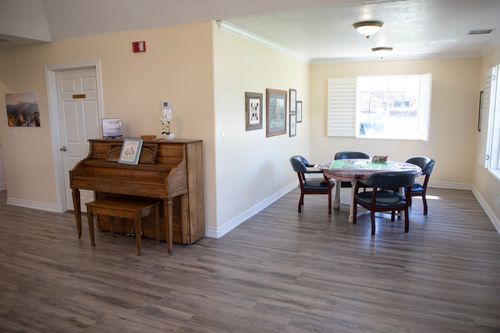
What a day looks like depends heavily on the size of building a family picks, and Utah County offers both ends of that range within a short drive. At a large Provo or Lehi campus, a resident moves through a fuller rhythm: restaurant-style dining seatings, a packed weekly activity calendar, several programs running at once, and on-site therapy gyms. At an eight-to-sixteen-bed residential home in Springville, Salem, or Pleasant Grove, the same resident lives inside something closer to a household, with shared meals at one table, fewer scheduled events, and a quieter pace.
The care promise is consistent across all of them. Every community handles medication management on a set schedule, help with bathing and dressing, laundry, housekeeping, three meals, and licensed nursing oversight with caregivers on duty around the clock. Several Orem and Lehi addresses are continuing-care campuses with memory-care wings, so support can step up later without a move across the valley. Care routes to Intermountain Utah Valley Hospital in Provo, Timpanogos Regional in Orem, and Holy Cross Mountain Point in Lehi, none far from the corridor.
What Assisted Living Runs Across the Utah County Corridor
Assisted-living rates across Utah County generally run about $3,600 to $5,650 a month in 2026, with the county mid-market near $4,500. The lower end belongs to smaller residential homes and a few Provo addresses, while the newer purpose-built campuses in Provo, Lehi, and Lindon price toward the top. The monthly figure usually bundles meals, housekeeping, laundry, activities, and base supervision; the hands-on care tier is assessed at move-in and added on top, which is why two residents with the same apartment can pay different amounts.
Utah County sits below the statewide assisted-living median, which the latest national cost-of-care data puts well above $5,000 a month, so families pricing the metro often find the south-valley towns gentler on a budget. Roughly seventeen of the county's communities participate in Utah's New Choices Waiver for Medicaid-eligible residents, including addresses in Provo, Springville, Spanish Fork, Payson, and Pleasant Grove, which can offset part of the personal-care cost for those who qualify clinically and financially.
Why a Young County Keeps Opening Assisted-Living Buildings
Utah County passed 700,000 residents in 2024, anchored by Brigham Young University in Provo and the Silicon Slopes tech corridor in Lehi, and its median age is among the youngest in the nation. That young profile is exactly why assisted living here surprises families: the share of seniors is small, but their absolute number is rising fast, so operators keep opening buildings along the Lehi-to-Payson stretch even as the county skews young.
Deep inventory means demand rarely produces long waits. The most-requested floor plans at the newest north-county campuses can carry a short wait list, and the single-building towns of Alpine, Highland, and Salem turn over slowly because each holds only one address, so timing matters more there. In Provo, Orem, and Springville, where the older population is largest, openings tend to be predictable from month to month.
Why Families Choose Assisted Living in Utah County
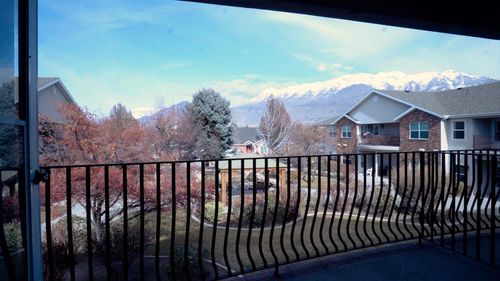
Families keep a parent in Utah County for the reasons that already shaped their lives here: a familiar valley under the Wasatch foothills, grown children and grandchildren often a few exits away, and a Sunday routine of church, canyon drives, and university events that a move down the corridor does not break. Three hospital networks sit within easy reach of every hub, so a longtime Intermountain or university doctor stays close after the move.
The spread of cities is its own advantage. A family can match a parent to a small residential home in their own town or to a larger campus with more on-site services a few minutes up the freeway, and either way the rest of the family stays within a short drive. Senior centers in Provo, Orem, American Fork, and Spanish Fork add hot lunches and group outings beyond what each community runs.
What a Local Advisor Brings to Utah County
With forty-some buildings spread across seventeen cities, the hardest part of an assisted-living search here is narrowing, not finding. The advisor trims the county to the three or four communities that actually fit a family's city, budget, care tier, and Medicaid timeline, then sequences tours so a household can feel the difference between a 200-bed Provo campus and a sixteen-bed Springville home before deciding. The advisor also tracks which New Choices Waiver addresses have open waiver-funded rooms, since those slots are limited and do not stay open long.
When a move follows a hospital stay, the advisor coordinates with discharge planners across the three networks so a family is not restricting the search to a single hospital's referral list, which keeps the choice open across the corridor rather than narrowed to one building's connections.