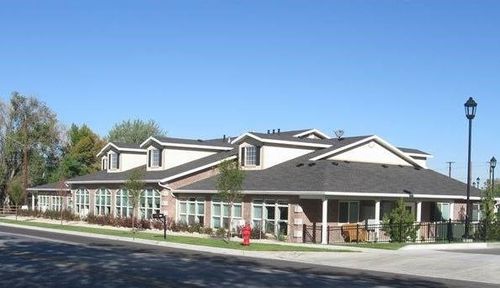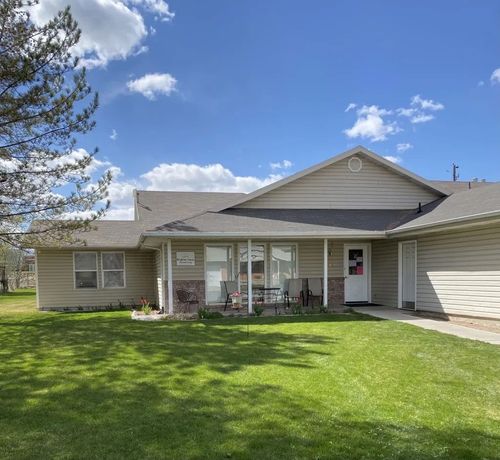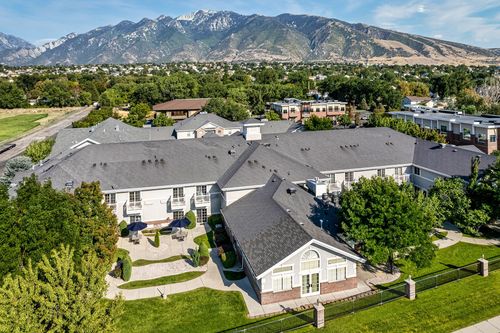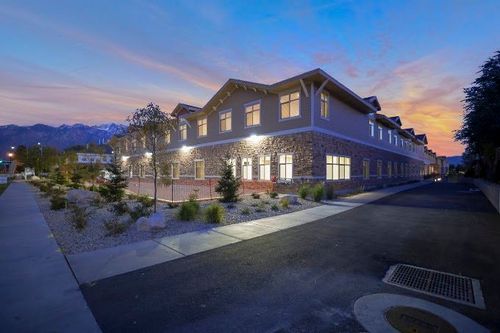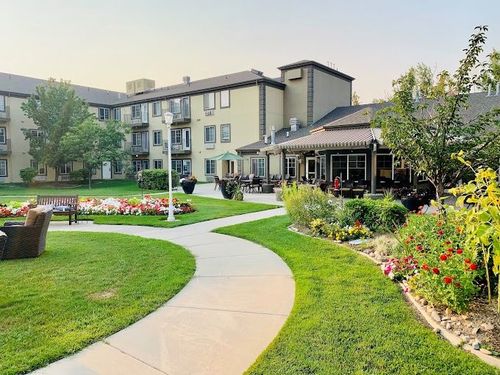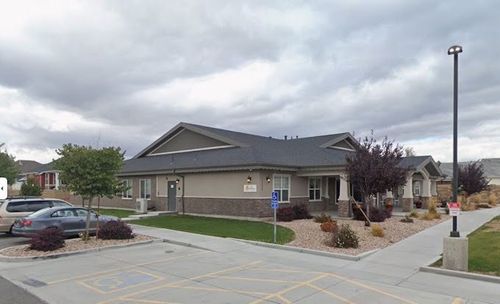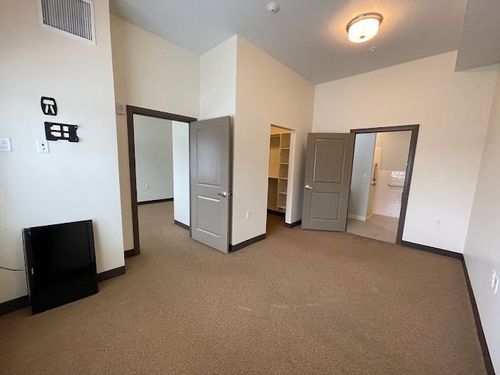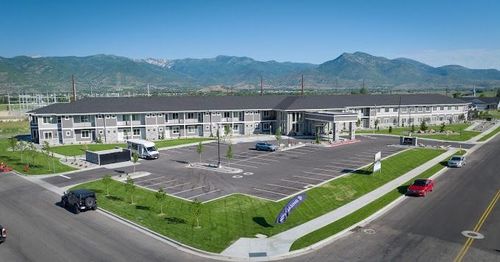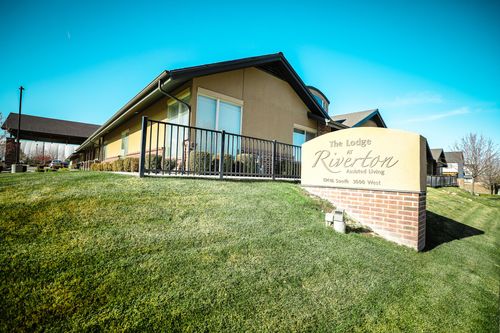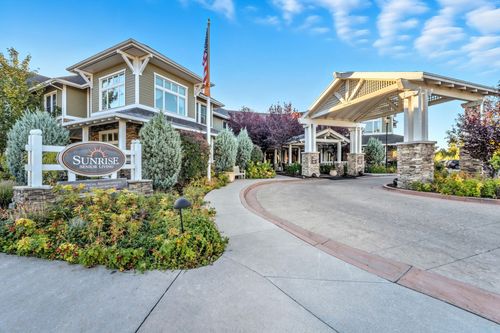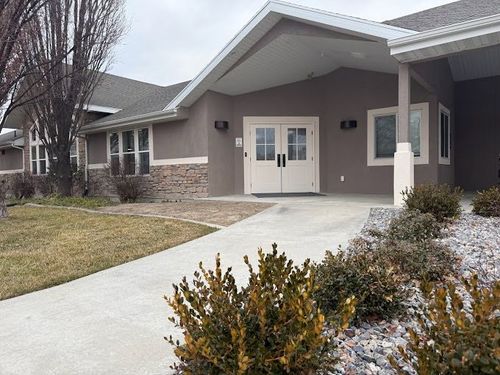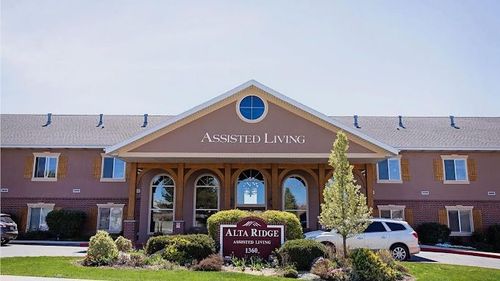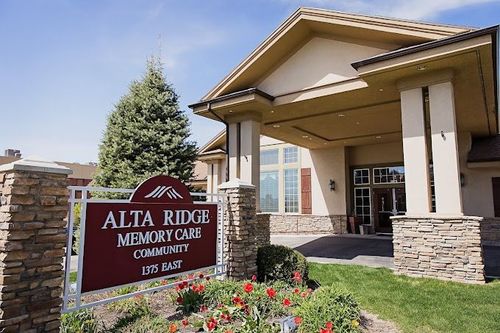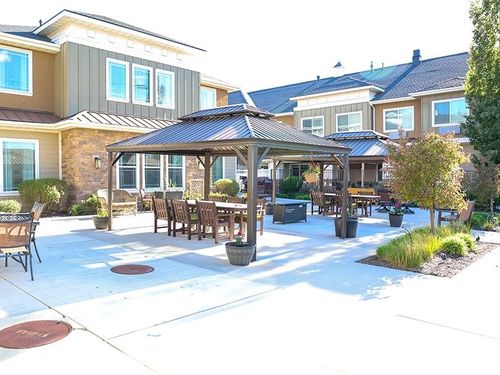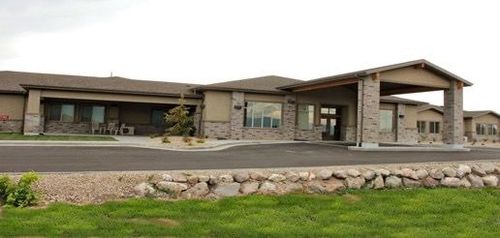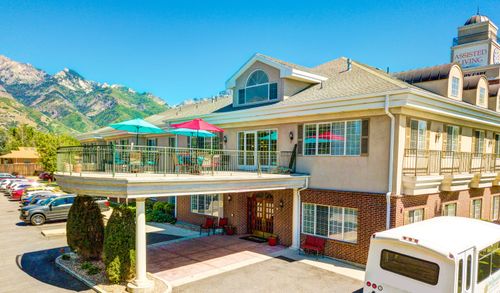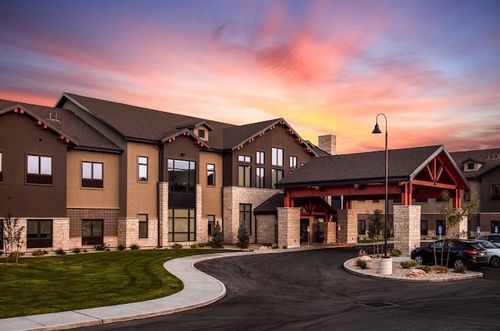
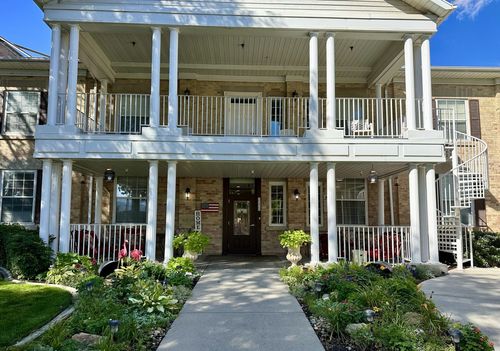
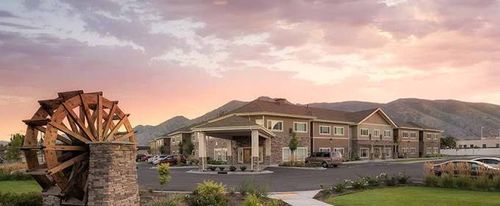


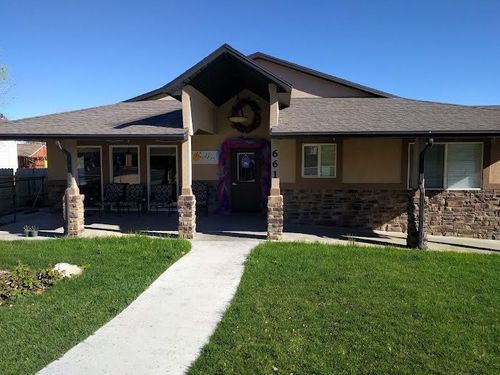
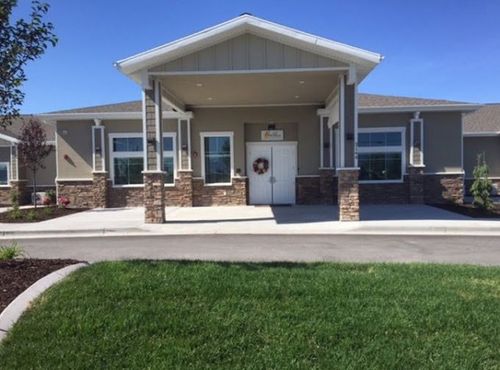
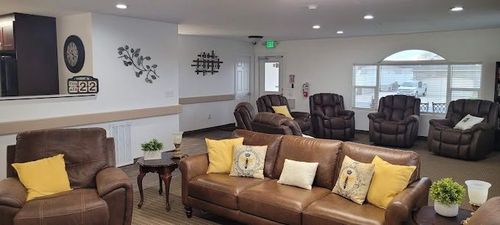
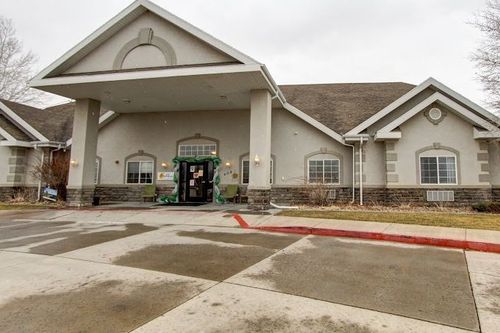
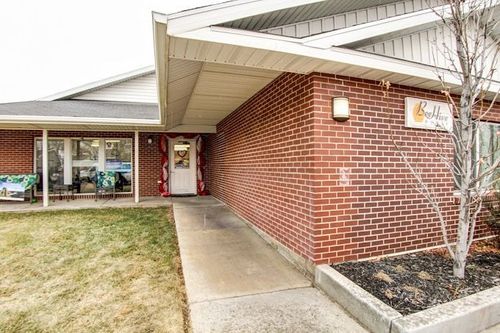

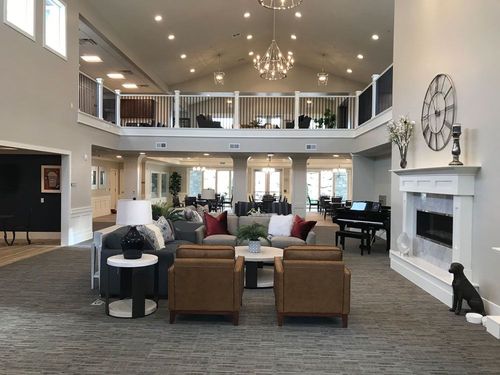


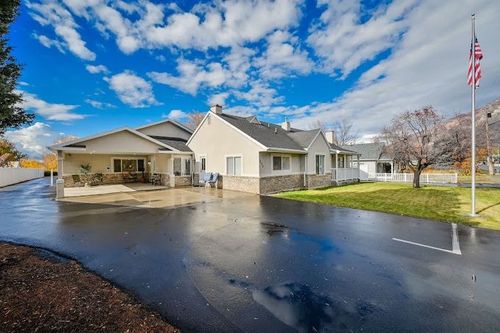
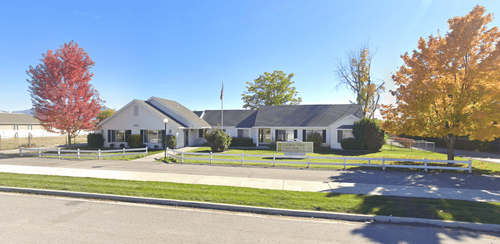
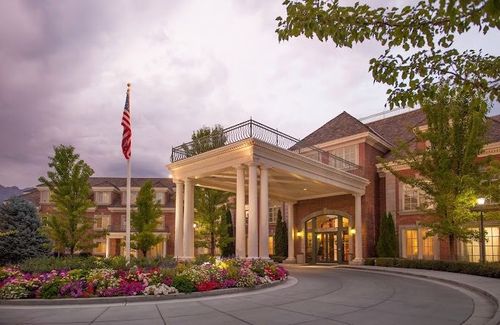
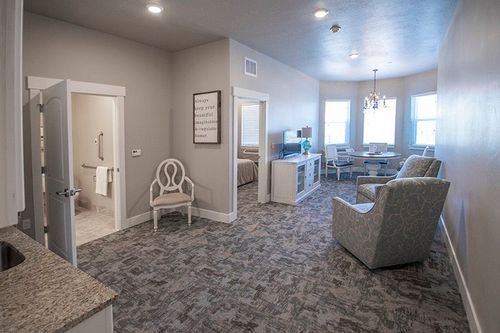
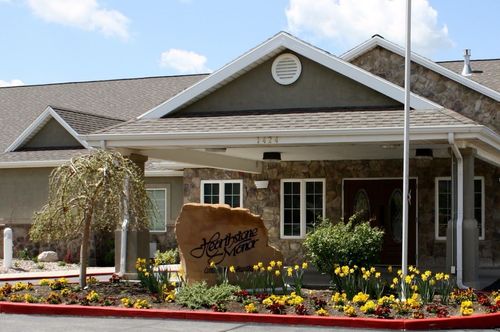
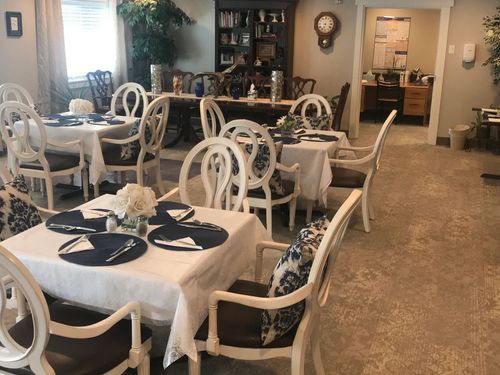
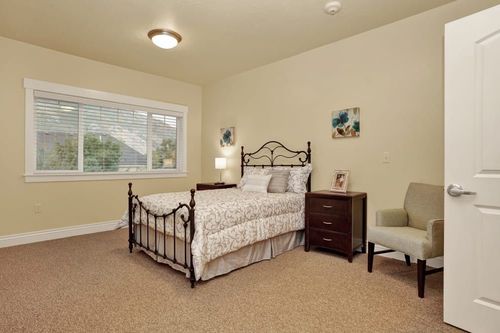
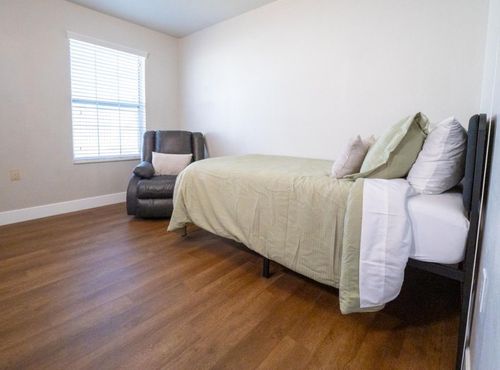
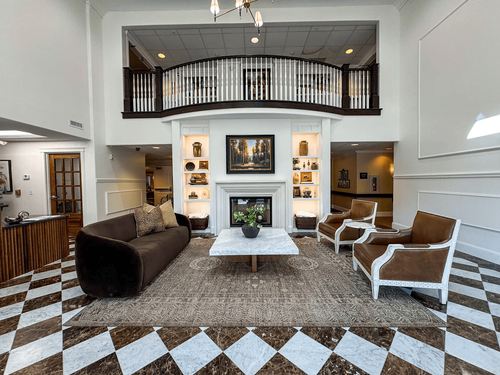

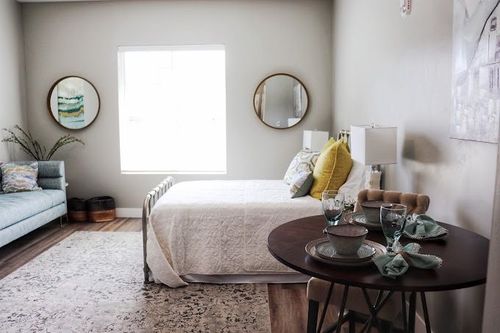
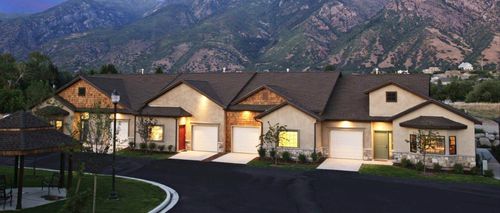
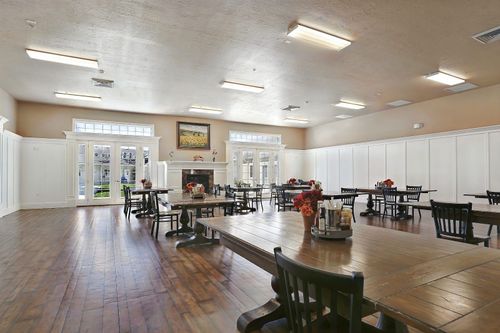
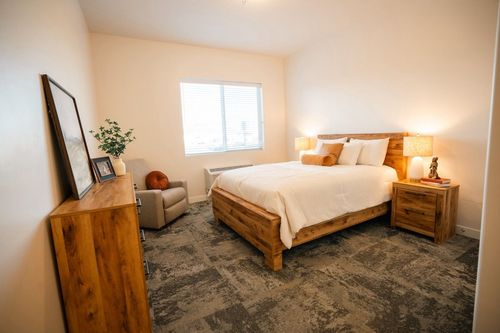
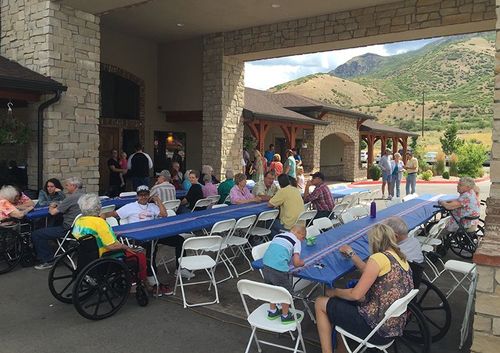
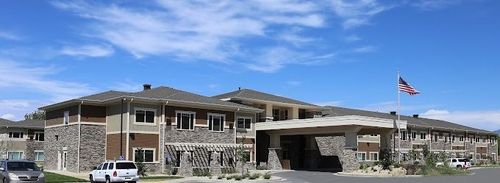
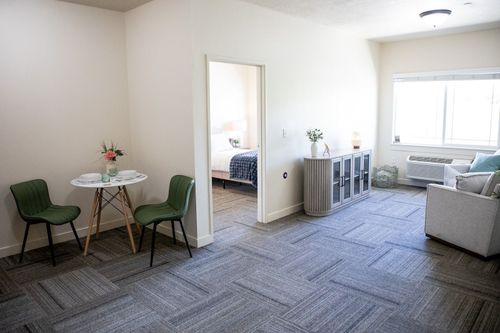
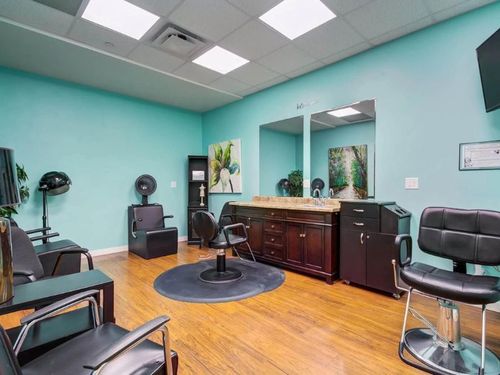
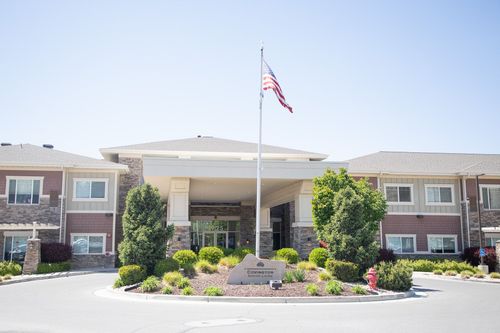
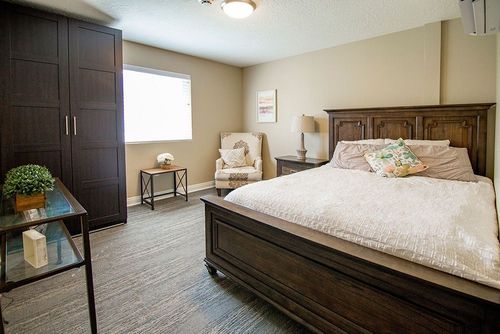
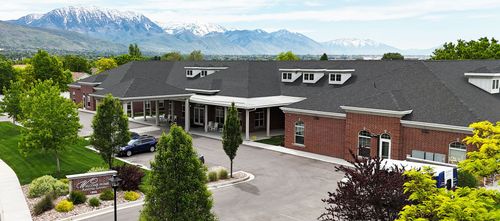

Memory care is the most specialized tier of senior living in Utah County, and it lives in fewer buildings than assisted living because it takes a secured, purpose-built setting to run it well. The dedicated wings concentrate in the county's larger campuses: Legacy Village of Provo, Covington Senior Living in both Orem and Lehi, Lake Ridge in Orem, Highland Glen, the 222-apartment Courtyard at Jamestown in Provo, and Spring Gardens Lindon all hold sizable secured units. Smaller secured homes round out the map in Springville, Spanish Fork, Payson, Santaquin, and American Fork, including Abbington Manor Memory Care in Lehi, a sixteen-bed home built only for dementia care. The settings range from secured neighborhoods inside a hundred-plus-apartment campus down to single-table residential homes, which matters because a person with advancing dementia often does better in the calmer of the two. Families almost always arrive here after a diagnosis has moved past the point where assisted living can keep someone safe: wandering toward an exit, getting lost on a familiar street, leaving the stove on, or sundowning that turns evenings difficult. Memory care answers those specific risks rather than general frailty.
How a Secured Wing Shapes the Day
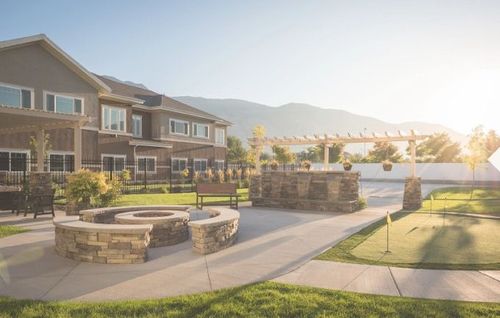
What sets memory care apart from the rest of senior living is the building itself and the way the day is shaped. Exits are secured or alarmed so a resident cannot wander into traffic or the canyon cold, courtyards are enclosed for safe outdoor time, and the floor plans are kept simple to cut the confusion of long hallways. Staff are trained to read dementia behaviors and to redirect rather than argue, and caregiver-to-resident ratios run higher than in assisted living because cueing through meals, dressing, and bathing takes more hands.
The daily rhythm is deliberately calm and repetitive, with short structured activities (music, simple crafts, gentle movement, reminiscence) timed to head off the late-afternoon agitation many families know as sundowning. A small residential home in Springville or Santaquin offers a quieter, lower-stimulation version of that; a secured neighborhood inside a Provo or Orem campus offers a fuller activity calendar and on-site therapy. Care routes to Intermountain Utah Valley Hospital in Provo, Timpanogos Regional in Orem, and Holy Cross Mountain Point in Lehi for the medical events that punctuate a dementia journey.
What the Secured-Care Premium Adds in Utah County
Memory care prices above assisted living everywhere in Utah County, because the secured environment and heavier staffing cost more to run. Where a community's assisted living might start near $5,000, its memory-care rate generally lands in the $5,000 to $6,500 range, with the larger campuses and newest north-county buildings at the top and smaller residential homes lower. Most memory-care pricing is closer to all-inclusive than assisted living, since the supervision a resident needs is already built into the secured model rather than added as a separate tier.
The county still sits below the statewide memory-care median that the latest national cost-of-care data reports. Several memory-care addresses participate in Utah's New Choices Waiver for Medicaid-eligible residents, including buildings in Lehi, Provo, Spanish Fork, Springville, and Payson, which can offset part of the personal-care cost for those who qualify clinically and financially. The waiver does not cover room and board, and dementia-specific waiver rooms are limited, so families benefit from lining up eligibility early.
Why Dementia Demand Climbs Even in a Young County
Utah County is young by national standards, with more than 700,000 residents anchored by Brigham Young University and the Silicon Slopes tech corridor, so on paper it looks like the last place to expect memory-care pressure. The reality is the opposite: the over-eighty-five group, where dementia rates climb steeply, is one of the fastest-growing slices of the county's population, and the adult children managing a parent's diagnosis are often already living and working here. That combination keeps the secured wings in demand even in a county that skews toward families and students.
Because memory care lives in fewer buildings than assisted living, the supply is tighter. Secured units at the most-requested Provo, Orem, and Lehi campuses can carry a thirty-to-sixty-day wait during busy stretches, and the smaller dementia homes in the south-valley towns may have only a bed or two open at a time. When a diagnosis is advancing, a family that starts looking before a crisis has more room to choose the right setting rather than the only open one.
Why Families Choose Memory Care in Utah County
Families keep a parent with dementia in Utah County so the people who anchor that parent's world stay close. A spouse who still drives, adult children working the Lehi tech corridor, and grandchildren in Provo or Spanish Fork can all visit often, and frequent familiar faces are one of the few things that reliably steady a person whose memory is slipping. Keeping a longtime Intermountain or university physician on the case matters too, since continuity of care is harder to rebuild once dementia is well along.
The spread of settings is the other draw. A family can choose a small, quiet residential home in their own town or a larger secured neighborhood with a fuller activity calendar a few minutes up Interstate 15, and either way the rest of the family stays within a short drive for the long road a dementia diagnosis usually becomes.
What a Local Advisor Brings to Utah County
Memory-care decisions are made under real stress, often right after a diagnosis or a frightening incident, and the county's secured units do not all have openings at once. The advisor knows which buildings have secured beds available now, which run the calmer small-home model versus the larger-campus model, and which participate in the New Choices Waiver, then narrows the county's options to the two or three that fit a family's city, budget, and the resident's stage of dementia. That saves a family from touring memory-care wings that cannot actually take their parent.
When the move follows a hospital stay, the advisor coordinates with discharge planners across the three networks so the search is not boxed into one hospital's referral list and a family keeps a real choice of setting during a stressful week.