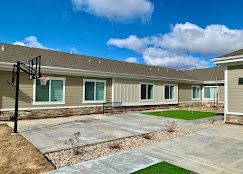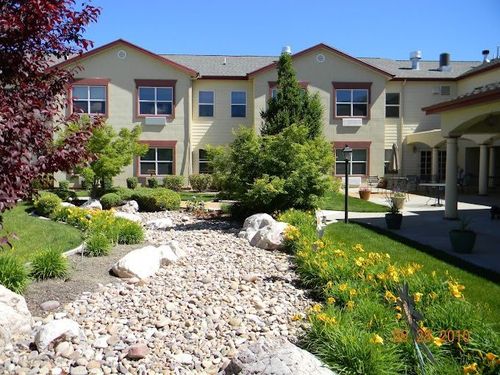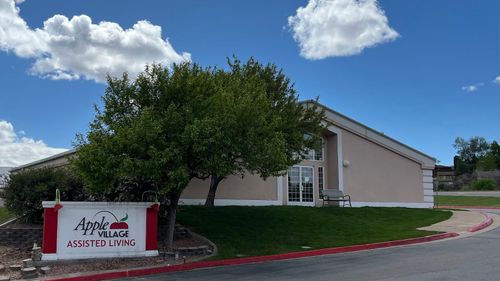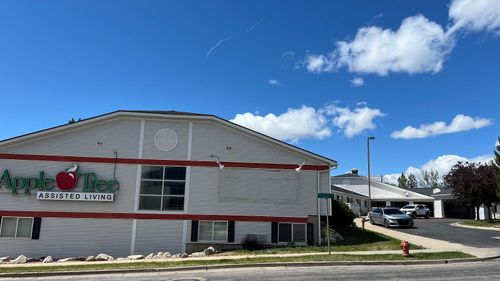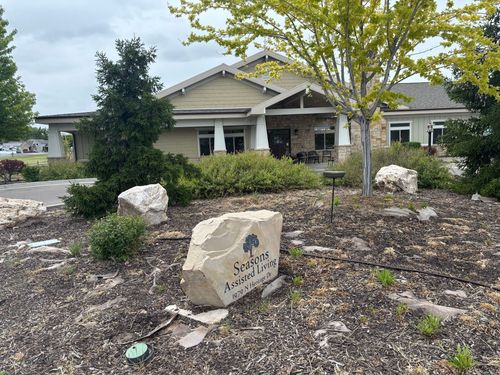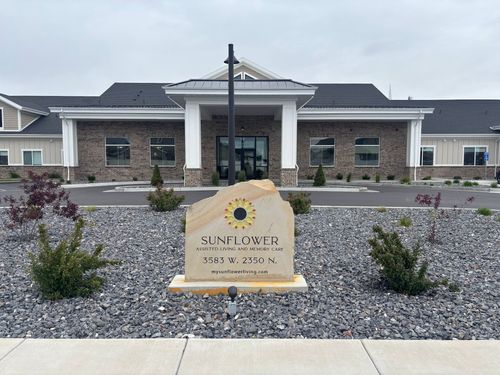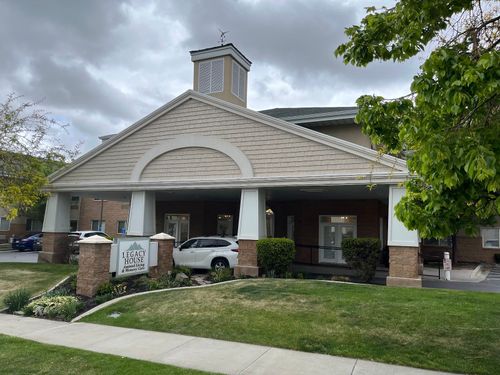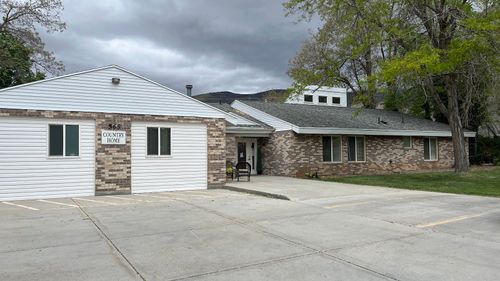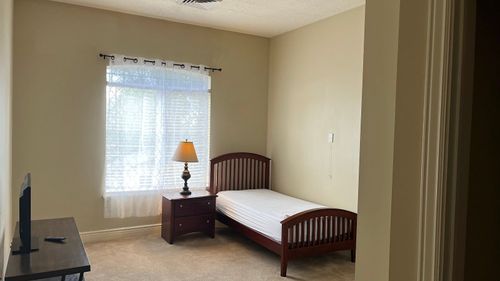
Western Davis County's published memory-care footprint amounts to one West Point address rather than a dedicated secured wing. Family Tree of West Point at 421 North 3150 West holds the only senior-living license inside the city limits, and that license reads Type I and Type II assisted-living with a 24-hour on-site nursing roster, not a defined secured neighborhood. Two dementia-only alternatives sit a short drive away: The Peaks at Clinton runs 66 apartments of secured-side care eight minutes south, and Chancellor Gardens of Clearfield holds a 30-apartment secured neighborhood twelve minutes east.
That splits the West Point conversation early. While familiar caregiver redirection still brings the resident back, the 35-unit Family Tree building can carry them. Once wandering enters the picture, nights turn unpredictable, or the household stops feeling safe, the realistic next move is one of those dedicated secured neighborhoods, with the on-campus Medical Plaza clinic and pharmacy keeping primary-care continuity in place through the transition.
How Early-Stage Dementia Care Runs Locally
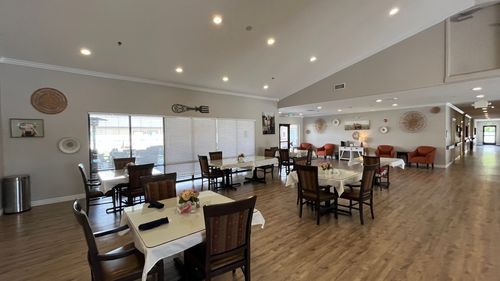
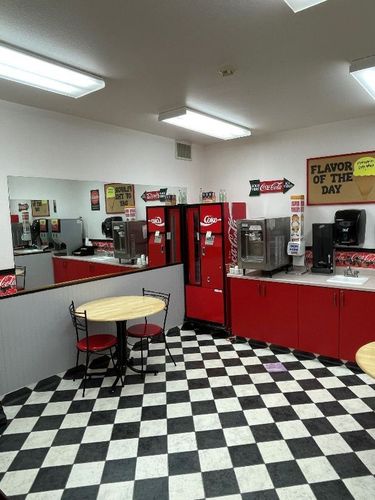
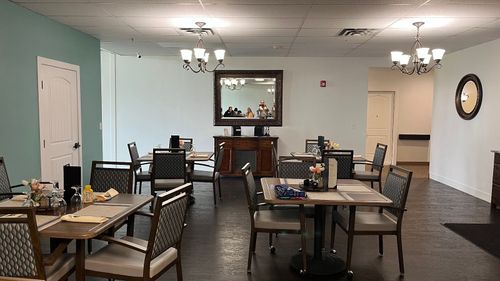
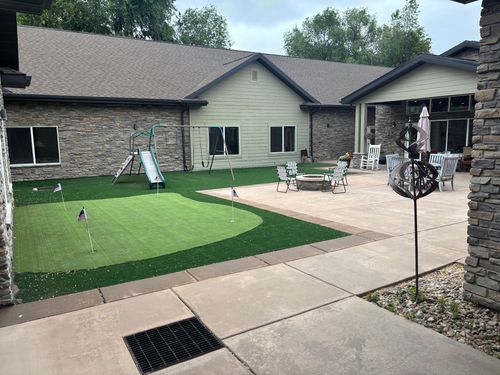
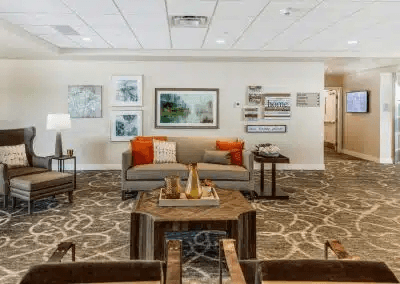
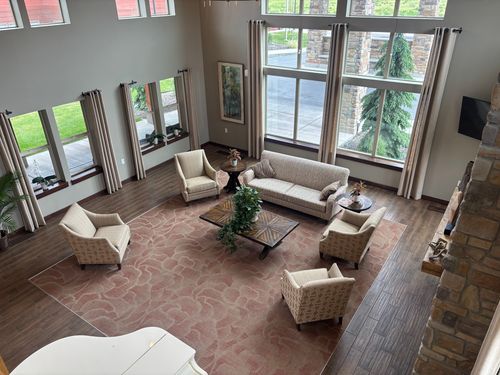
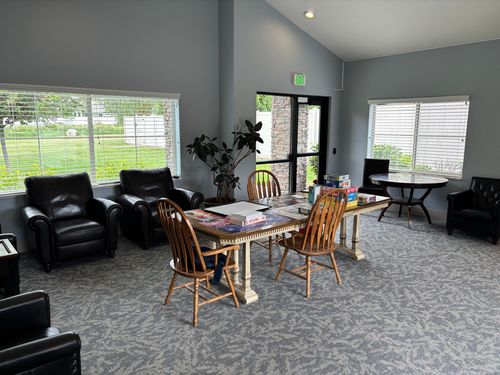
At Family Tree, dementia-aware support is folded into the rest of the assisted-living service rather than carved out as a separate secured wing. Caregivers know each resident's history and daily rhythms well enough to step in gently when confusion shows up, and the small dining room plus shared activity space keep social cues simple for someone whose orientation has begun shifting. The 24-hour on-site nursing roster adds clinical depth most integrated buildings at this size do not match: wound care, oxygen oversight, and medication-interaction reviews stay in-house.
What the format does not include matters too. Coded doors do not hold the building line, awake-overnight staffing is not scaled to a secured-side population, and no separate dementia-care activities track runs alongside the broader calendar. For an early-stage resident those omissions are not urgent; for a resident whose disease has moved further, they are exactly why the conversation pivots toward The Peaks at Clinton, Chancellor Gardens of Clearfield, or the wider Layton corridor secured inventory.
Cost and Coverage
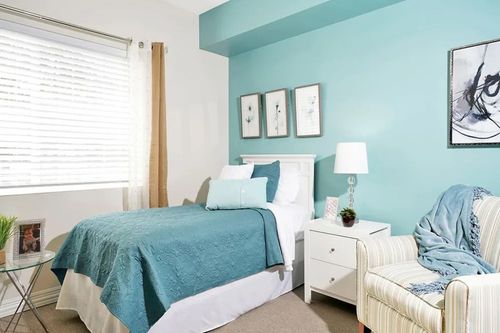
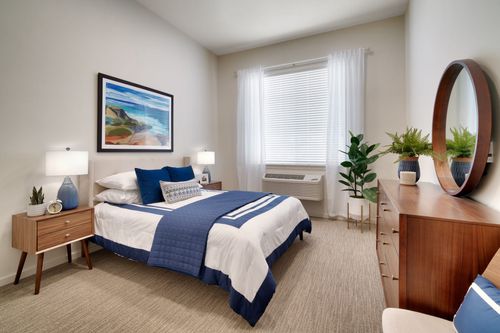
Family Tree's 2026 monthly figure sits in a $3,400 to $4,800 band. For a dementia resident at the early stage, that band tracks the building's assisted-living tier, with the care-tier rating at move-in reflecting dementia-aware caregiver hours the resident draws on. Two-person studios add roughly $500 to $850 monthly when a couple shares one apartment, move-in fees fall $750 to $2,500, and respite stays run $150 to $200 a night.
Medicaid funding sits inside Family Tree's mix per Utah records, with intake pacing varying building to building. The Aging Waiver picks up part of the personal-care line once two doors open together: a clinical assessment placing the resident at nursing-facility acuity (which most dementia diagnoses pass inside about a year), and household finances meeting the program's income-and-asset rules. Families looking ahead to a dedicated secured neighborhood should expect $5,000 to $6,800 monthly at The Peaks at Clinton and Chancellor Gardens of Clearfield, with those rates set next to Family Tree's figure during the planning call.
Local Demand and Healthcare
West Point's resident count has climbed from 11,000 in 2020 to roughly 13,600 today, with three-percent-plus annual growth driven by young-family subdivisions on the western blocks. The 65-and-over share runs below the Davis County average for that reason, but long-tenured households in the original neighborhoods anchor steady local dementia-care demand. One 35-unit building absorbing in-city demand across western Davis County means availability rarely runs loose, and the half-mile reach to the adjacent Medical Plaza keeps cognitive-workup appointments inside the same parcel.
Davis Hospital and Medical Center, a 221-bed acute-care campus fifteen minutes east in Layton, handles the medical patterns dementia care produces, from urinary-tract infections that show up as a sudden bout of confusion to falls needing imaging and same-day behavioral evaluations.
Why Families Choose Memory Care in West Point
Place continuity does a lot of the work on this care path. A move into surroundings the resident cannot read amplifies the disorientation the disease has already produced, which argues against picking up someone who has lost orientation cues and dropping them somewhere unfamiliar. Family Tree keeps the western Davis County horizon a resident has lived alongside for years, threads longtime ward connections into the weekly visit pattern, and parks the on-campus Medical Plaza clinic a short walk away for routine cognitive-workup appointments.
An adult child driving in from Clinton, Syracuse, or the Layton corridor can keep weekly visits realistic across the years a dementia trajectory typically spans, and long gaps between familiar faces widen a dementia resident's disorientation faster than they do on any other care path.
What a Local Advisor Brings to West Point
The call to the advisor usually arrives after months of stacked home-care hours, once overnight safety has begun to fail and the household calendar can no longer absorb the dementia load consistently. Triggers tend to look familiar: a 3 a.m. discovery of a confused spouse at the back door, a paid aide calling out sick with no quick replacement, behavioral shifts between weekly visits that the gaps cannot bridge.
The advisor's first read is whether the resident's current stage fits inside what Family Tree's integrated service plus 24-hour nursing can safely hold. Early-stage residents whose orientation still responds to familiar redirection often stay in the city; residents whose wandering, behavioral, or overnight patterns have moved past that line get walked through The Peaks at Clinton's 66-apartment dementia-only campus, Chancellor Gardens of Clearfield's 30-apartment secured neighborhood, and the wider Layton corridor secured-wing options inside a fifteen-minute drive.
Reaching out before a Davis Hospital discharge clock starts running leaves room for both options to be weighed honestly, so get in touch when the dementia question starts shaping family weekends rather than waiting until a hospital event forces the choice.