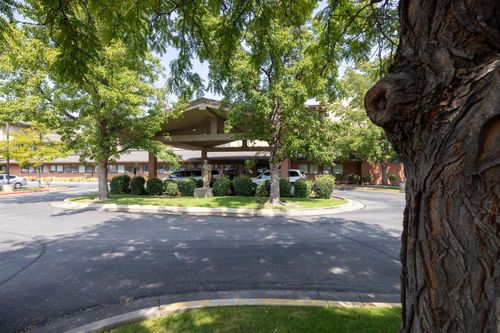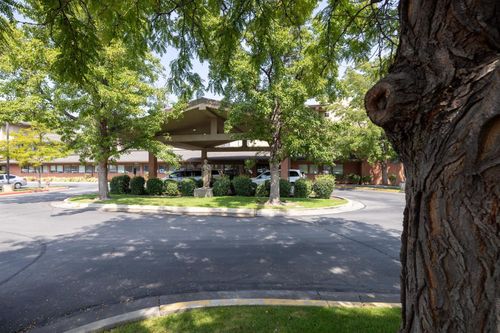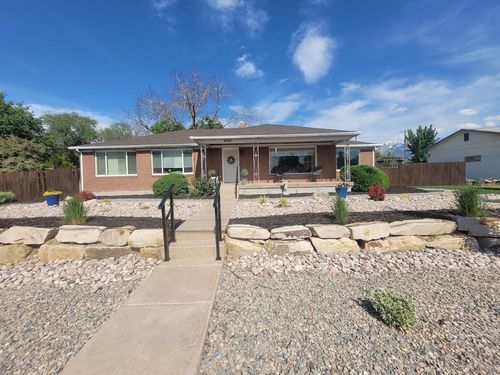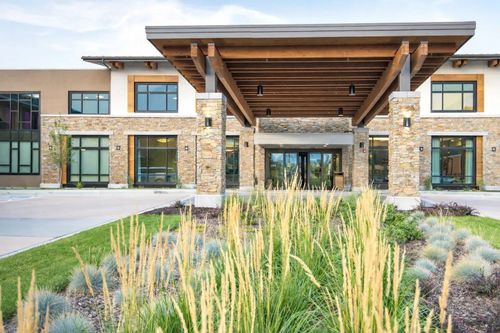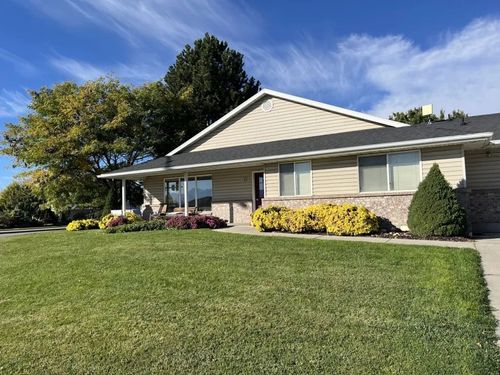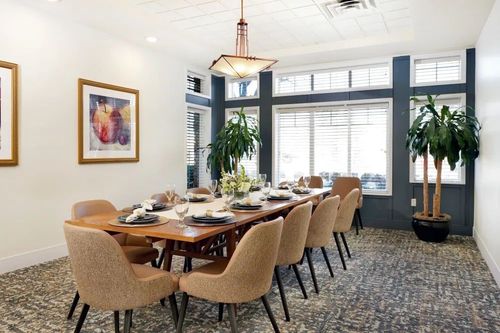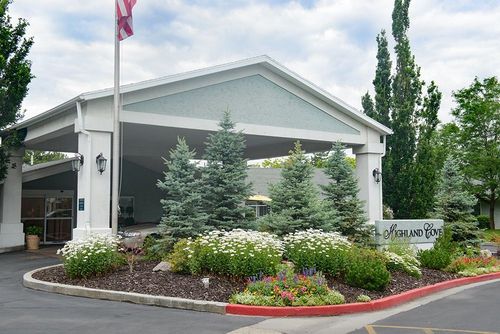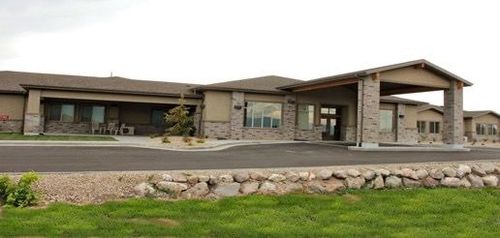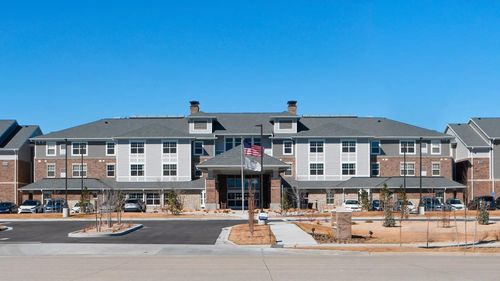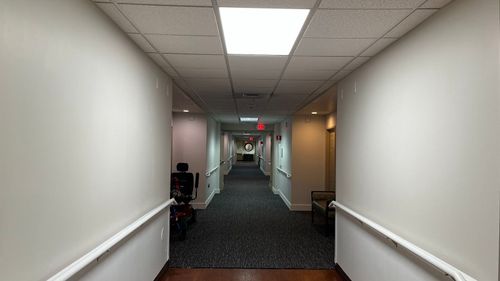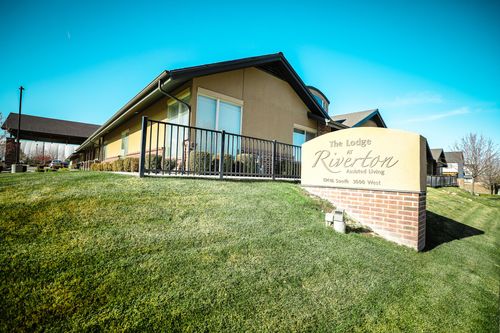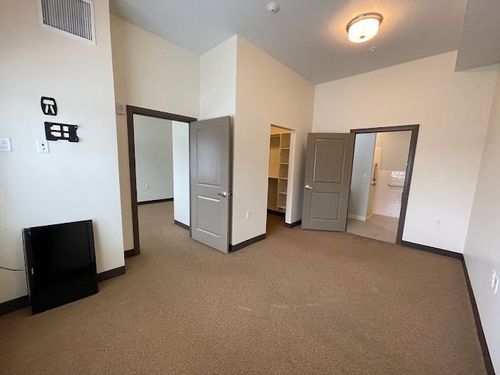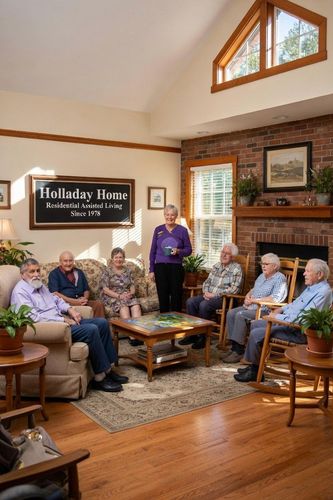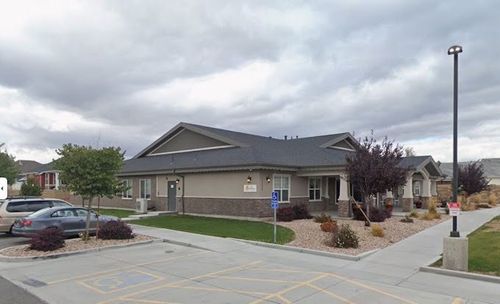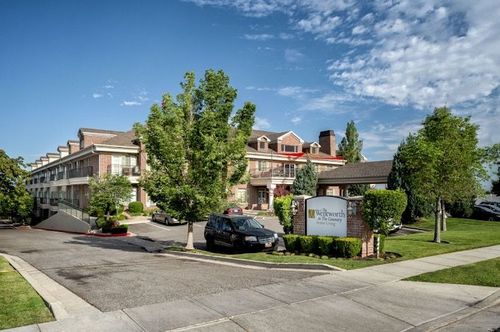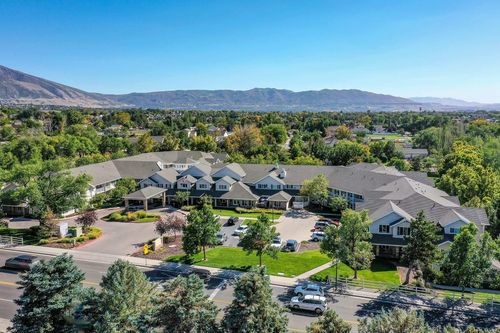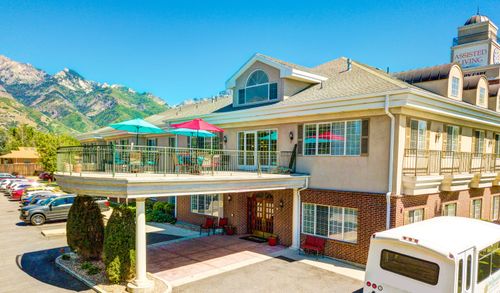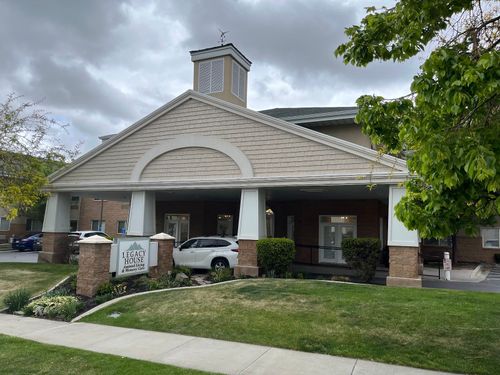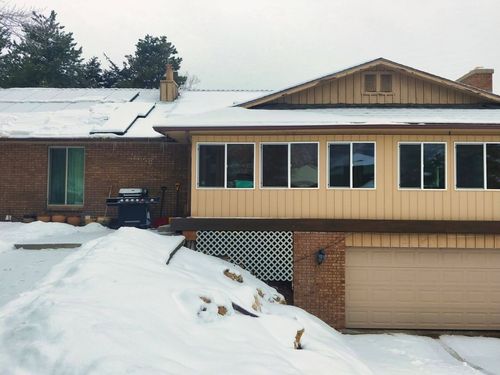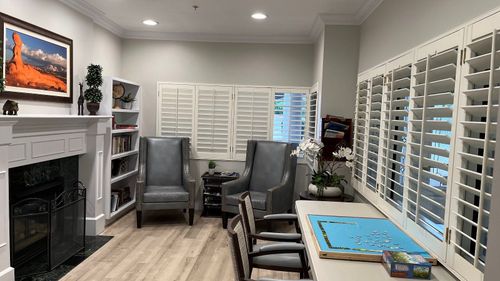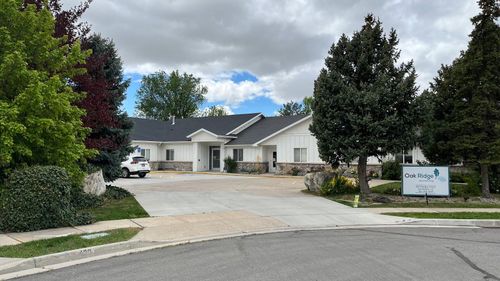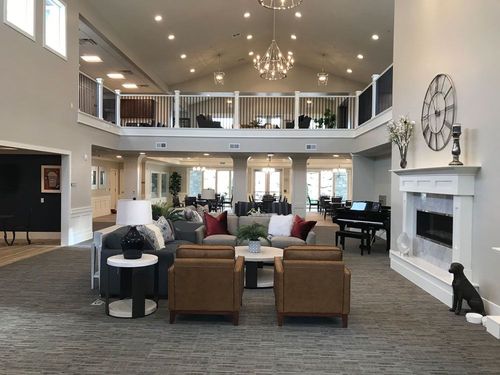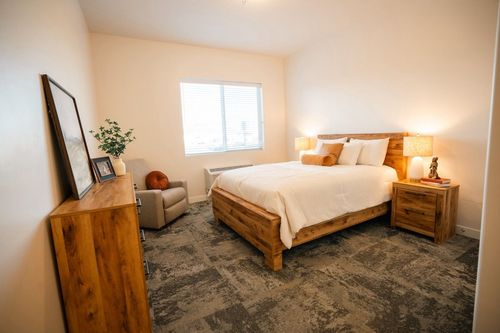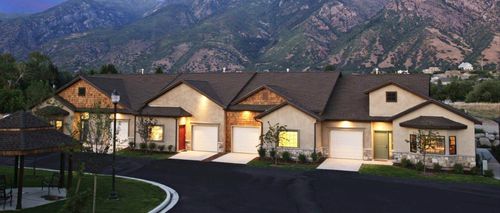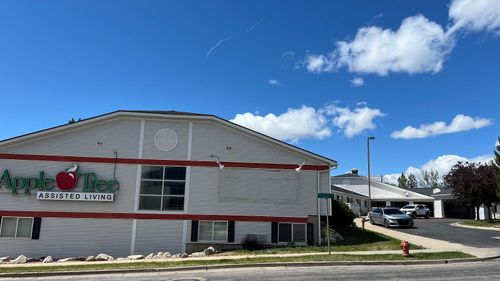
In Magna the pet question lands at one small, house-scale home: BeeHive Homes of Magna, a 16-resident assisted-living home on 8000 West that lets a resident keep a small dog or cat after a short assessment. A home this size is not a campus with a pet wing; it is closer to moving the animal into a large shared household, which is exactly why families who will not part with a companion often warm to it. With a single home carrying the town's pet-friendly senior care, the question shifts from where to whether BeeHive suits the resident, the budget, and the particular animal.
Most Magna families come to this already certain the pet stays. A dog used to a yard off a Magna side street, or a cat that has had the same windowsill for years, is part of the household, and a 16-bed home is built to fold an animal into daily life rather than keep it at arm's length. What is left to settle is the practical part: the size BeeHive will take, what the pet adds to the rate, and where the dog walks once the move is done.
Bringing a Pet into a 16-Resident Home
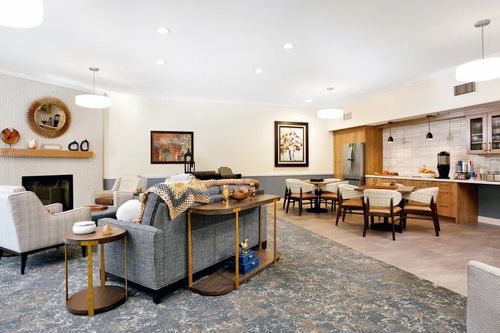
What changes most about keeping a pet at BeeHive is the scale. With 16 residents under one roof and a shared dining room and living space, an animal becomes a near-housemate to everyone, so the home runs a short assessment first to make sure a dog or cat is calm and sound around other residents rather than only around its owner. The welcome is real for a small dog or a cat; a large or boisterous animal is harder for a small home to absorb, and that is a conversation to have with BeeHive early rather than a printed rule to read. The home also wants current vaccinations and an animal that is house-trained, the same basics any shared setting expects. Care still falls to the resident, who handles the feeding and the walks or lines up a relative to help, but a small home has an advantage here, since with staff and residents close at hand all day a dog is rarely alone for long, and a backup plan for a hospital stay is easier to cover in a house of 16 than on a sprawling campus. BeeHive offers assisted living only, with around-the-clock aides for medications and daily help, so the pet shares the same single-story, home-style setting the residents do, the table, the living room, and the yard alike.
Monthly Cost and the Pet at BeeHive Homes
BeeHive's care starts near $4,500 a month, a rate that in a small home usually folds the room, the meals, and the hands-on help into one figure rather than charging for each piece, and the pet sits on top of that as a minor line. Most small homes ask a one-time pet deposit, often a few hundred dollars and sometimes given back, plus a small monthly amount toward the extra cleaning an animal brings. Because a 16-bed home prices more simply than a large campus, it is worth asking BeeHive exactly what the base covers and what the pet adds, so there are no surprises on a fixed budget. One line never applies to a working animal, since under fair-housing rules a trained service dog is not a pet, so it owes no deposit and no monthly pet charge, although the resident remains on the hook for any damage it causes. A quoted starting rate can also assume a lighter level of help than a particular resident needs, so it is worth matching BeeHive's figure to the actual care before it lands in a budget.
A West-Side Township by the Great Salt Lake
Magna sits at the valley's far west edge against the Oquirrh foothills and the Great Salt Lake, a working township of roughly 27,000 that runs young, with a median age around 33 and only about 1 resident in 13 past 65. That smaller senior share is a good part of why the town supports a single care home rather than several. Even so, with pet ownership among older adults near 46 percent by a recent national aging poll, that points to somewhere close to 900 Magna seniors keeping a dog or cat. The walking here is open and flat, with neighborhood sidewalks for the daily loop and the lakeshore at Great Salt Lake State Park a short drive north when a dog and owner want more room than a block provides.
The Lake, the Home, and Staying in Magna
Staying in Magna keeps a pet owner close to the two things that matter most in a move: a familiar routine and the animal that anchors it. A resident who has walked a dog along the Great Salt Lake shoreline or around the quiet streets near Magna Main keeps those same outings after moving into BeeHive, which sits in the middle of the town rather than across the valley. Day-to-day care is close, with a Magna veterinary clinic for routine visits and the nearest around-the-clock animal ER a drive east toward the central valley. The companionship is the real draw, since a 2025 national poll on healthy aging tied living with a pet to calmer, steadier days and more social connection for older adults, and a small home that treats the animal as part of the household protects exactly that.
How an Advisor Reads a One-Home Magna Search
A one-home town makes a Magna pet search look settled before it starts, but the details still decide it. Whether BeeHive will take a particular dog after its assessment, what the deposit and monthly pet amount come to now, and how a small home handles an animal when a resident's health shifts are answers that live with the home and move over time. A local advisor working Magna keeps that current, so a family is weighing the real BeeHive rather than a year-old listing.
From there the read is honest: whether a 16-resident home genuinely fits the resident, the budget, and the animal, with the real alternatives laid out plainly if it does not, and no nudge to leave Magna for them. Our Magna directory grows as we review communities through 2026. Start with a call about pet-friendly senior living in Magna with the animal and the budget in view, or see the homes we've reviewed whenever you're ready.