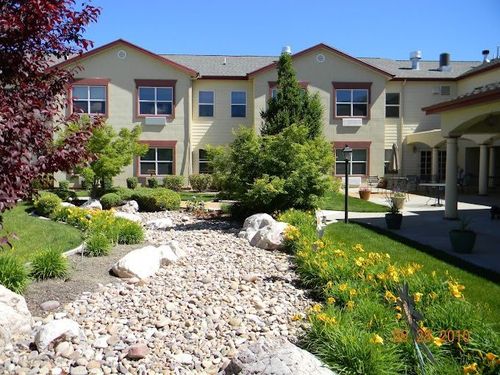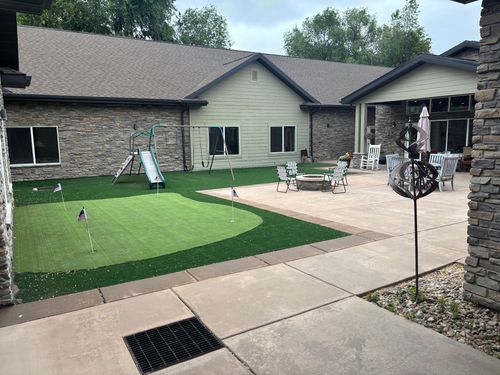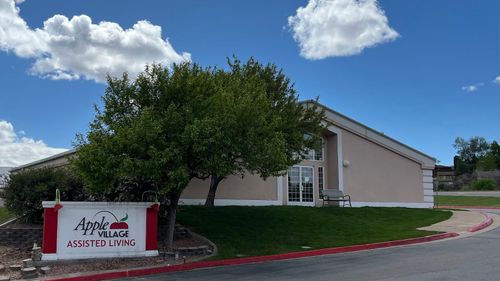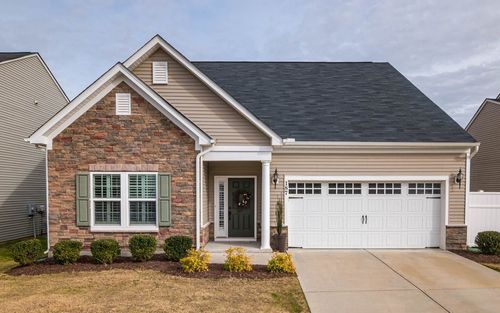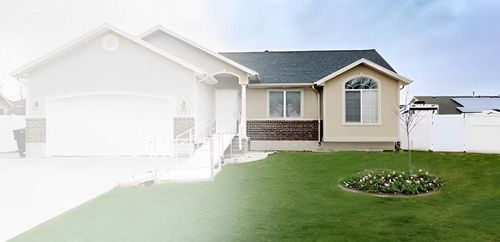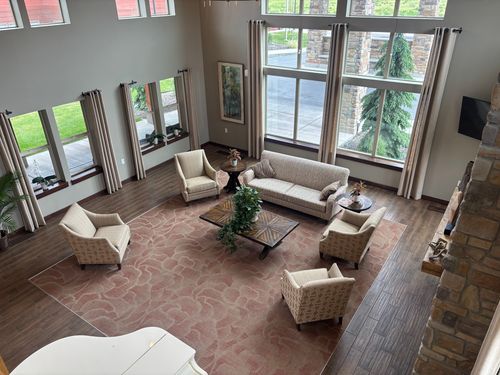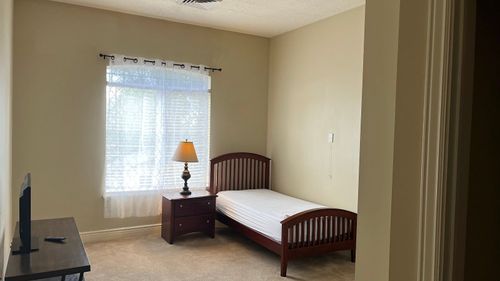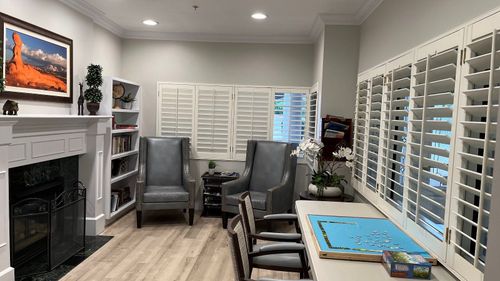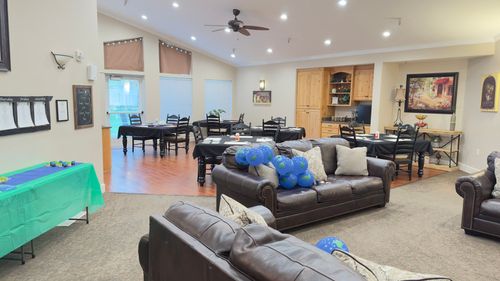
Stoney Brooke Assisted Living, a 16-bed Type II residential building on South 700 West, holds Riverdale's full published assisted-living capacity inside a Weber County city of roughly 9,087 residents where about fourteen percent are over sixty-five. The Type II license is the structural fact that matters most: it authorizes a higher resident acuity than Type I homes, requires awake twenty-four-hour staffing through the overnight, and supports specialized care for residents whose cognitive picture includes mild dementia.
That capacity sits alongside an Aging Waiver participating posture, an unusual combination at this small a residential scale. Most Waiver-participating Wasatch Front addresses run at much larger buildings, and most sixteen-bed residential homes operate on private pay; threading both at the same address keeps a meaningful local option open for Medicaid-track Weber County households.
Day-to-Day Care With Awake Overnight Coverage
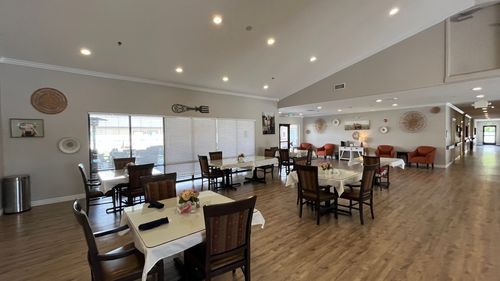
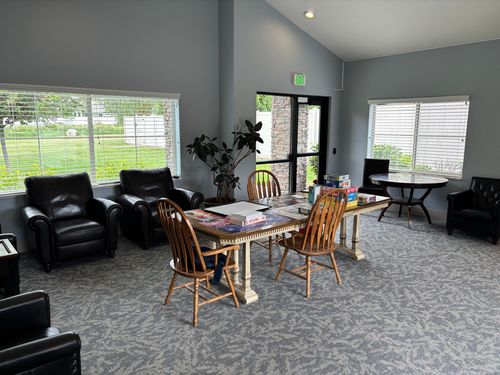
A registered nurse builds the personal care plan for each resident, with certified nursing assistants handling medication management, hygiene support, incontinence care, and the day-to-day attention residents need. One common area covers the resident group, the same caregivers appear consistently across shifts, and the activity calendar paces to a sixteen-resident community.
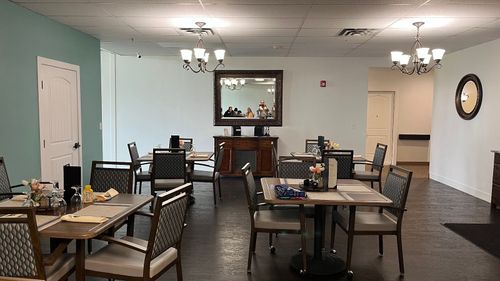
Residents draw on schedule-based medication checks, bathing help paced to preferences, and steady support for dressing, transferring, or moving between rooms when balance slips. Specialized capacity for mild-dementia patterns and diabetes management extends the scope past a typical home. Restaurant-style dining, wheelchair-accessible showers, air-conditioned apartments, Wi-Fi and cable round out the daily fabric.
Cost and Coverage
The monthly rate at Stoney Brooke runs roughly $3,400 to $4,800 in 2026. The studio configuration anchors the entry figure, and the care-services level set by the registered nurse during the admission care-plan review drives most of the spread inside the band. Move-in fees come in between $1,000 and $3,000, a second resident in a shared apartment adds $600 to $900 monthly, and respite stays cost $150 to $210 a night.
Aging Waiver coverage is the real financial differentiator. Households that clear Utah's clinical and financial screens see the personal-care portion of the monthly billing absorbed by the program, which can meaningfully reduce the out-of-pocket figure. Waiver enrollment is capped statewide, so the building cycles Waiver-funded studios through eligible residents on a timing tied to both vacancies and the state's processing queue. A qualifying veteran or surviving spouse may also tap VA Aid and Attendance once a care assessment clears; the benefit can stack on top of private pay or future Waiver coverage.
Healthcare Access Across the Weber Corridor
McKay-Dee Hospital five miles north in Ogden anchors clinical care for Stoney Brooke residents on the 319-bed Intermountain campus, with the regional cardiac institute, cancer-treatment center, and spine institute handling specialty work the building does not run in-house. Ogden Regional Medical Center on the MountainStar campus adds a second acute-care option closer to Riverdale, with emergency, inpatient rehabilitation, stroke, and cardiac services.
The Riverdale Road commercial spine carries pharmacies, primary-care clinics, and outpatient labs within a five-minute drive. The I-15 corridor between Ogden and Layton keeps day-trip access workable for family across Weber and Davis County, with the Weber River Parkway anchoring the local recreational fabric.
Why Families Choose Riverdale
Proximity to adult children running households across Riverdale, Ogden, Roy, and the broader Weber and Davis County corridor pulls most local placements toward Stoney Brooke, with a parent at the building staying inside the I-15 fabric where weekly visits and Sunday-dinner routines already sit.
The Type II license and the Aging Waiver participating posture matter specifically for households whose budget depends on Medicaid support, or whose care needs sit above what a Type I home can hold safely. Many placements name those two structural facts, taken together, as the main reason the building got the call over smaller Ogden-corridor homes.
What a Local Advisor Brings to Riverdale
A Stoney Brooke call usually opens when daily-task support has crossed from occasional to recurring and the family begins asking what the in-city building can actually hold. The pill organizer ends the week with leftovers, a recent fall-risk evaluation has flagged the home setup, and the care-tier picture has shifted faster than the family expected. The advisor's first move reads studio availability against family timing, with Waiver-funded openings the binding constraint for Medicaid-track households.
When scope and timing fit, the conversation turns to studio selection, the registered nurse's care-plan review, and Waiver eligibility timing if Medicaid support is part of the picture. When availability lags or the cognitive trajectory points toward a future memory-care progression a Type II setting cannot accommodate, broader Weber corridor inventory across Ogden, Roy, North Ogden, and South Ogden enters the comparison.
Getting in touch with the advisor before a McKay-Dee or Ogden Regional discharge tightens the planning window keeps Stoney Brooke a real option.