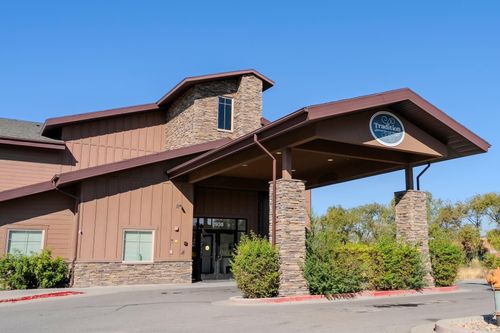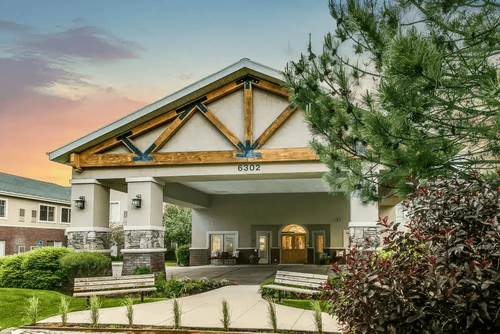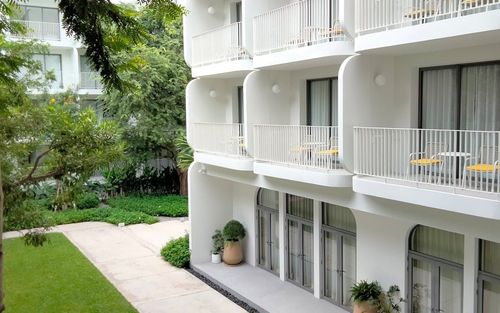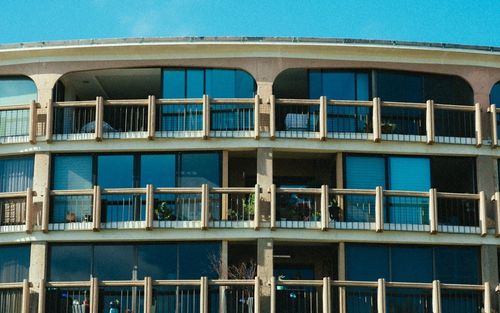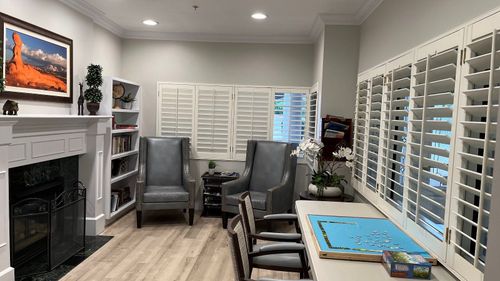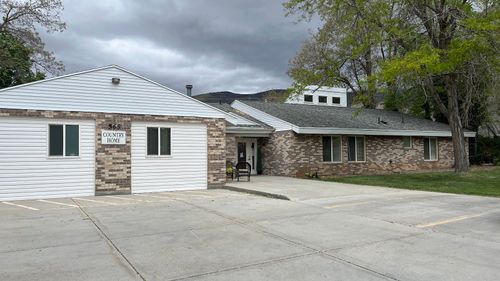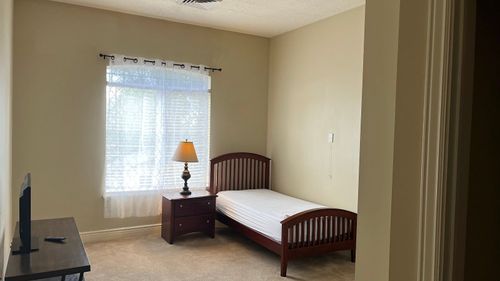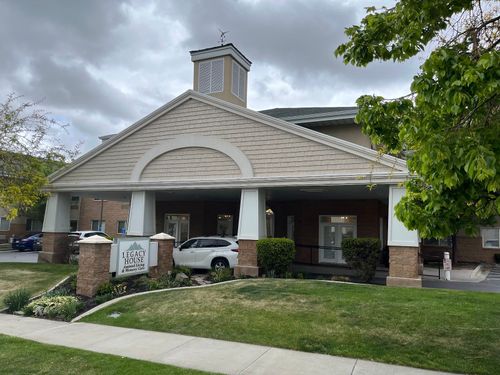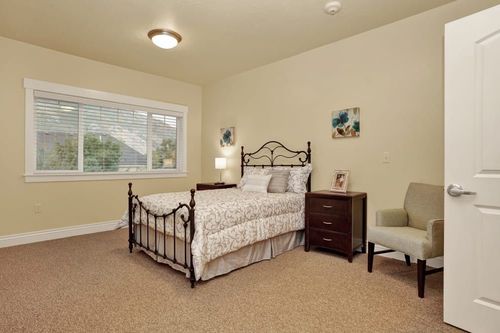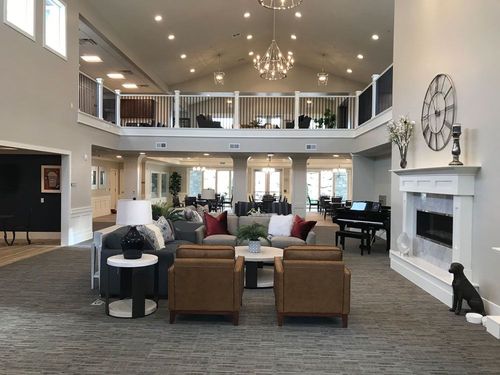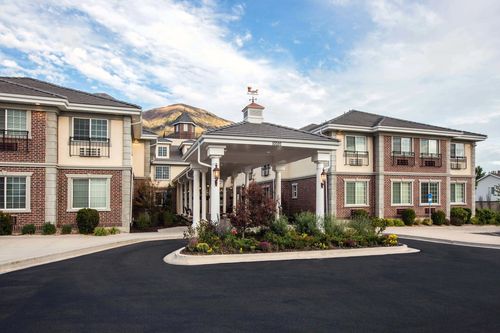
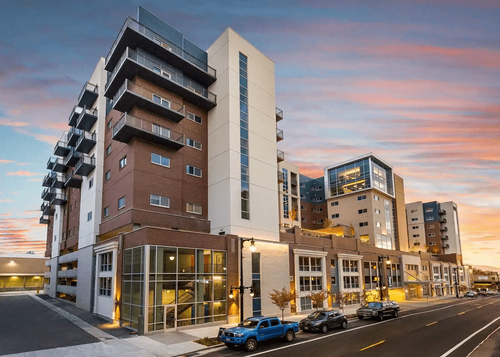


Salt Lake City's nine assisted-living communities cluster across four areas of the city. Sugar House anchors the south side at Legacy Village's 260-resident campus, while the central blocks above Capitol Hill carry Sarah Daft Home, Capitol Hill Senior Living, and St. Joseph Villa. The foothill side runs through The Ridge at Foothill, and the Holladay-adjacent south edge holds Sunrise at Holladay, Cottonwood Creek, Beehive Homes of Salt Lake, and Niitsuma Living Center.
Sizes span a 260-bed campus down to a six-bed household, so the choice often turns on the setting a family wants rather than scarcity. The city's senior population sits near 26,000 in 2026, close to twelve percent of residents, and most households reach for assisted living when medication help, bathing assistance, or steady support with the day has become consistent enough that a community schedule begins to feel like a relief.
Day-to-Day Support and Lifestyle
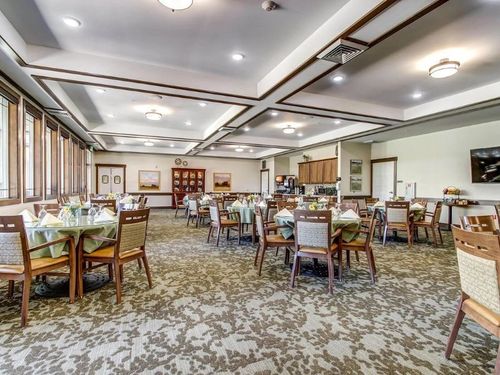
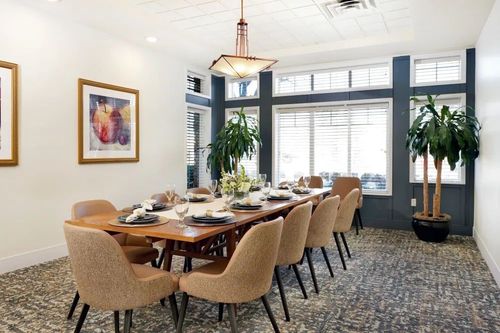
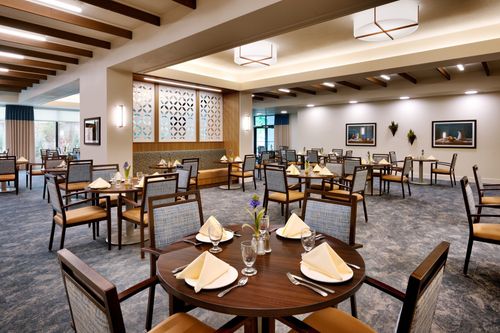
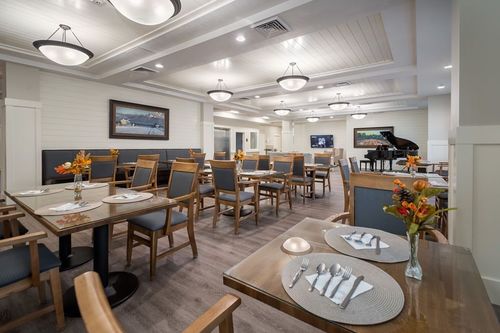
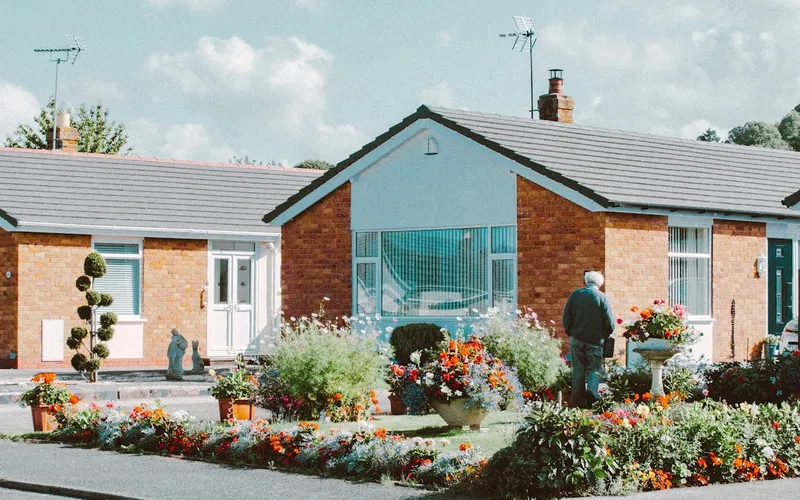
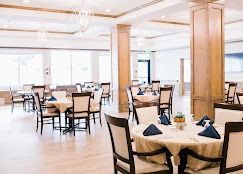
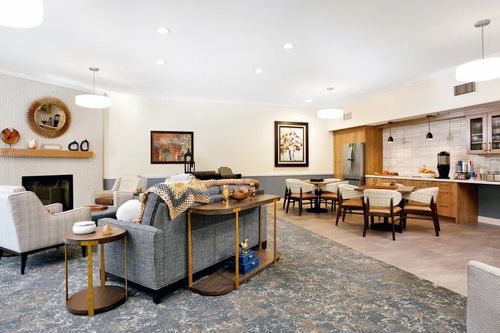
The nine-building spread across Salt Lake City means daily care doesn't look the same across the city. A resident at Legacy Village's 260-resident campus in Sugar House moves through a busier daily rhythm; structured dining seatings, a fuller weekly outings calendar, multiple activities tracks running concurrently. A resident at Beehive Homes of Salt Lake or Niitsuma Living Center, both six-to-eight-bed residential homes on the south edge of the city, lives inside something much closer to a household: shared meals at one table, fewer scheduled programs, and a quieter daily pace tuned to the smaller resident set.
What's consistent across the nine is the assisted-living promise itself; help with medication on a regular schedule, bathing and dressing on the resident's preferred rhythm, and laundry, housekeeping, and meals folded into the monthly rate. Licensed nurses staff each building during business hours with on-call coverage after; the secured memory-care wings at the larger campuses run awake-overnight caregivers. Scheduled transport handles appointments at the three hospital networks (University of Utah Hospital, Intermountain Medical Center, and LDS Hospital) that intersect in Salt Lake City more densely than anywhere else in Utah.
Pricing and Affordability
Citywide rates run $4,500 to $6,200 a month in 2026, with the median landing near $5,300. East-bench and foothill addresses like The Ridge at Foothill sit at the upper end, while central-block buildings and the smaller residential homes hold closer to the lower bound. Pricing usually reflects the apartment size, the level of care assessed at move-in, and how much of the activity calendar and what's-included list each community bundles into the starting rate.
Compared with the surrounding south-valley suburbs like Murray, Holladay, or Cottonwood Heights, Salt Lake City rates tend to track within a few hundred dollars of the same band. Three of the nine matching communities accept Medicaid through Utah's Aging Waiver for residents who meet both clinical and financial eligibility, which can meaningfully lower the personal-care portion of the monthly cost.
Senior Population and Demand
Salt Lake City's senior demographic is more dispersed and more varied than a typical Wasatch Front suburb. East-bench retirees who stayed inside the city after raising children share the population with longtime Avenues and Sugar House households, university-affiliated retirees who never left the U-area neighborhoods, and downtown urban-dwellers in the Capitol Hill and central-blocks apartments. That mix matters for placement decisions; the family's neighborhood and the resident's habitual routes shape which of the nine buildings actually fit.
Most apartments at the larger campuses turn over inside a six-to-eight-week window, while secured memory-care wings at the most-requested addresses can run closer to a thirty-to-sixty-day wait when demand from the broader corridor surges. The Holladay-adjacent south-edge buildings and the foothill addresses (The Ridge at Foothill) see the steadiest interest because the demographic catchment includes both the city itself and the southeast Salt Lake County neighborhoods that orbit Holladay and Cottonwood Heights.
Why Families Choose Assisted Living in Salt Lake City
Salt Lake City families pick a community inside the city because the parts of life that mattered before the move keep mattering after. University of Utah Health primary-care doctors carrying a chart back decades sit five minutes from most addresses; grandchildren in Sugar House, the Avenues, or Holladay reach the building in a short drive; and the cultural fabric (Liberty Park, Memory Grove, the Sugar House Park walking loop, downtown library and museum events) stays reachable for residents who still drive or ride along with a family member.
The three city senior centers (Tenth East, Liberty, and Sunday Anderson Westside) extend the weekly calendar with hot lunches and group outings beyond what the community itself offers; useful for residents who want more program variety than even a 260-bed campus can provide internally. For families who specifically want to keep the resident inside the city rather than route the search out to the south-valley suburbs, the nine-building inventory is wide enough that a fit usually exists.
What a Local Advisor Brings to Salt Lake City
Nine buildings is enough choice to be paralyzing without a guide. The advisor's job in Salt Lake City is mostly narrowing, not discovering; moving a family from a starting point of unfamiliarity down to three or four addresses that actually match the neighborhood the family already orbits, the resident's care-tier expectations, and the household's budget and Medicaid timeline. Three of the nine local addresses (Sarah Daft Home, Cottonwood Creek, Capitol Hill Senior Living) currently participate in Utah's Aging Waiver, which is the highest waiver concentration of any Utah city; the advisor tracks the waiver-funded apartment rotation across those three so Medicaid-track families know which one has availability inside their planning window.
The other meaningful complication in Salt Lake City placements is the three-hospital-network reality. University of Utah Health, Intermountain Medical Center, and LDS Hospital each have case-management relationships with different sets of the nine buildings, and a post-discharge placement often hinges on which network the resident was treated by. The advisor coordinates across all three networks; reaching out before a hospital event compresses the planning window keeps the full nine-building set on the table rather than restricting the search to whichever address has the network relationship.
Salt Lake City's senior-living directory continues to grow as we evaluate providers for quality and alignment in 2026. Reach out for a conversation about assisted living in Salt Lake City, or browse the communities we have vetted at your own pace.