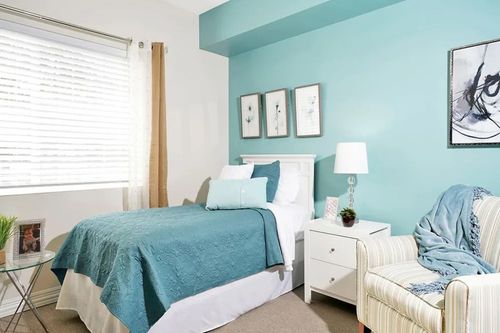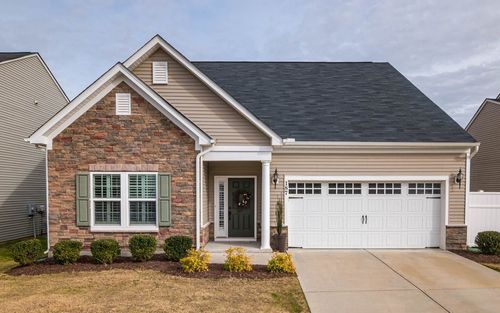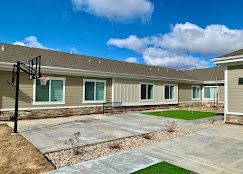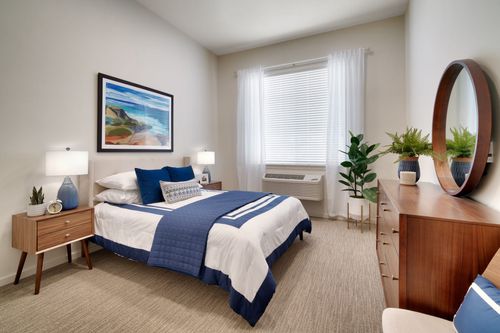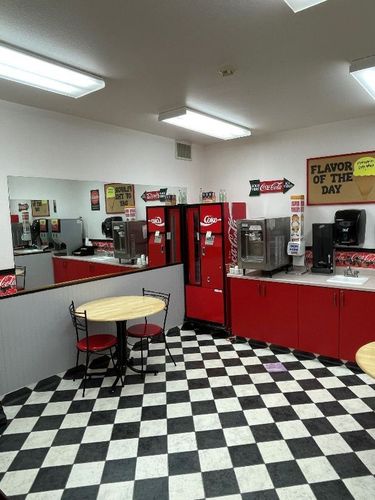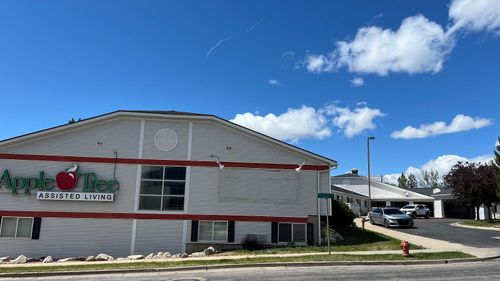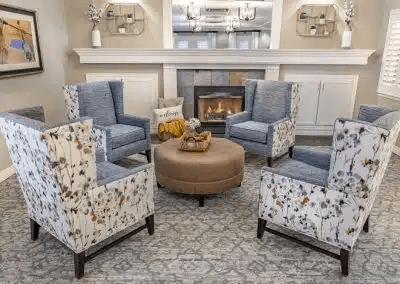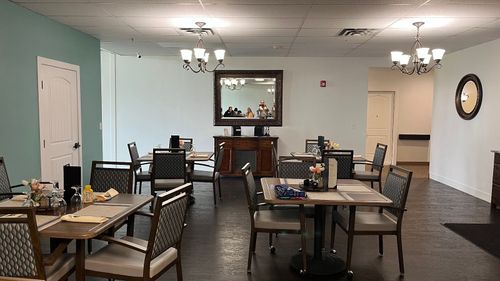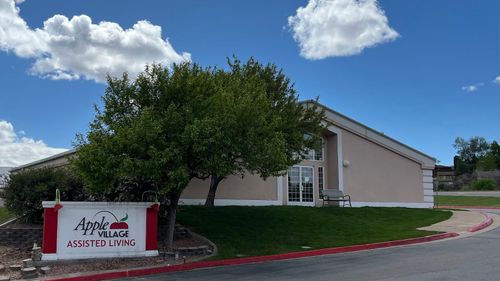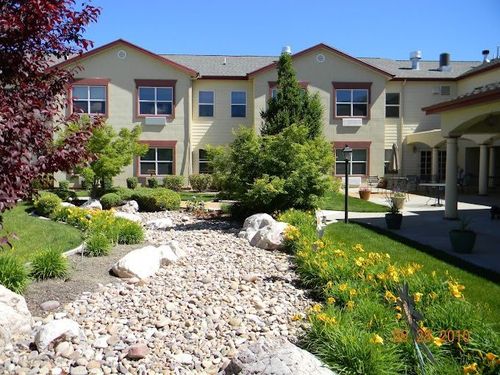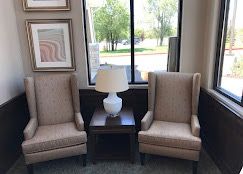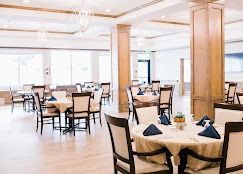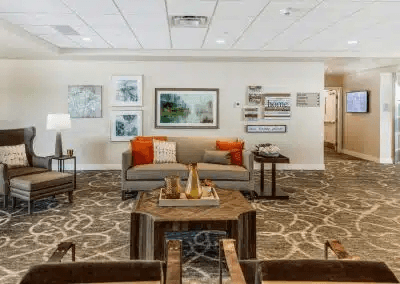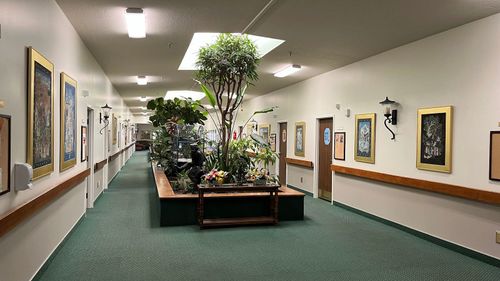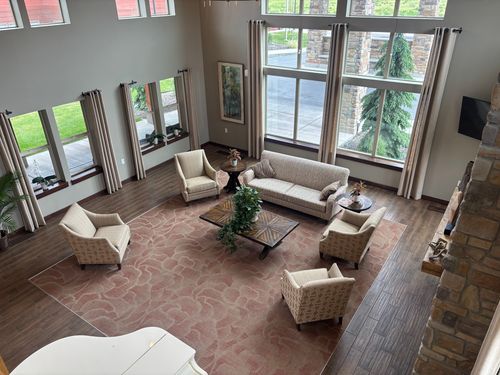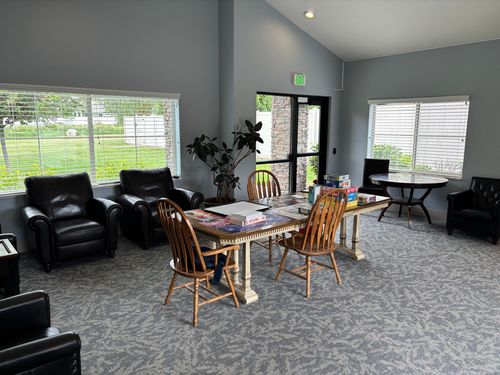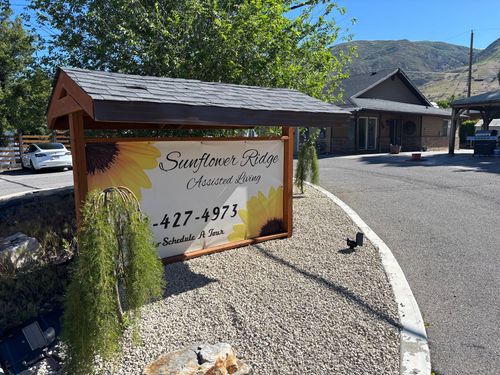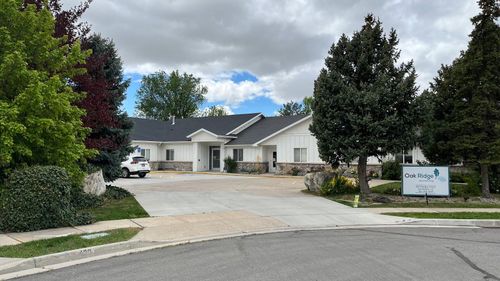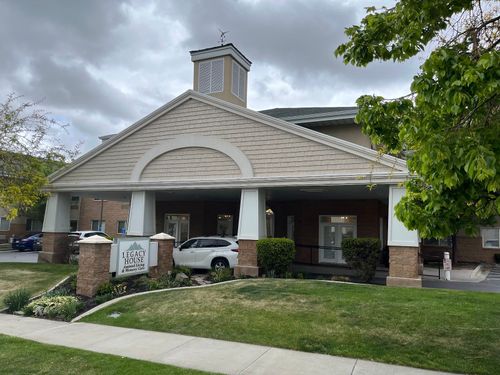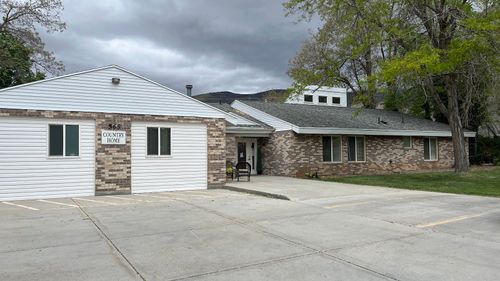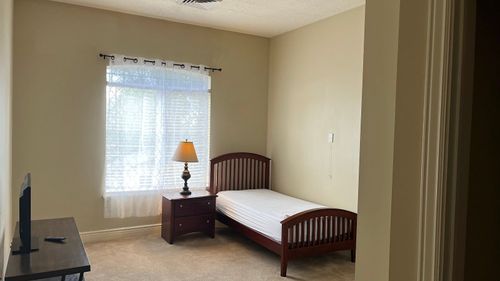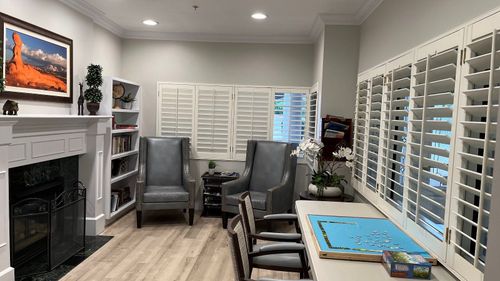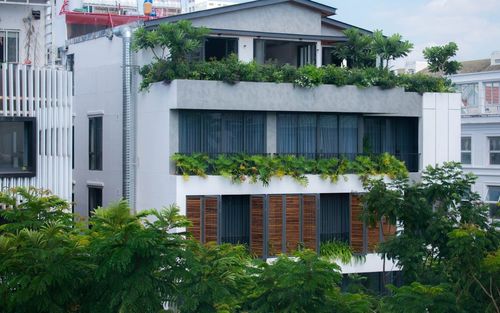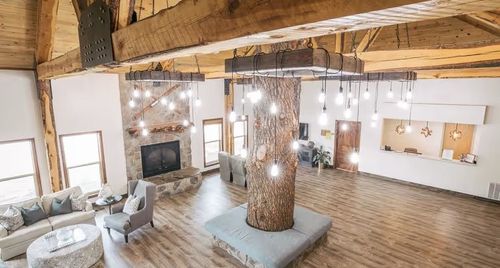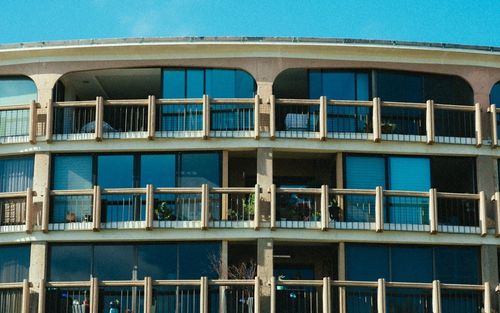
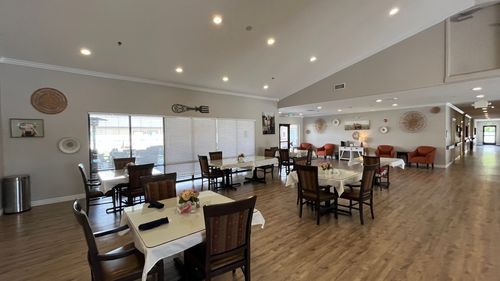

Syracuse's published assisted-living set runs across two very different formats. Beehive Homes of Syracuse on South 2000 West is a 22-bed small-residential home under the Beehive Homes brand, with the daily rhythm centered on a household-style kitchen, an awake night caregiver, and the kind of one-shift familiarity a larger campus cannot reach. RainTree Senior Living on West 1900 South is a 52-apartment purpose-built building with a memory-care neighborhood under the same roof, dining served across multiple seatings, and licensed nurses on the duty roster around the clock.
That contrast is the working filter most Syracuse families end up using. A resident who needs the quiet of a household setting and a steady set of caregiver faces day after day usually fits Beehive Homes; a resident wanting the social mix of a larger building, a wider activity calendar, and the longer-horizon reassurance of in-building dementia support usually fits RainTree. Both addresses sit within ten minutes of Davis Hospital and Medical Center on Antelope Drive in Layton.
Daily Support and the Resident's Independence
At the 22-bed scale, Beehive Homes runs one dining seating, one activity flow, and a staffing rotation small enough that a resident learns the team's names inside the first week. Medication is passed on schedule, bathing is paced to the resident's preferred time of day, and a caregiver's arm is there for the short walk to the dining table when steadiness needs help.
RainTree's larger footprint lets the building carry more activities variety across the week (fitness classes, devotional gatherings, music sessions, themed dinners) while keeping the standard assisted-living support of medication management, bathing help, and transferring assistance in place. Tanner Clinic on Antelope Drive handles routine outpatient work, and Davis Hospital five to ten minutes east covers acute episodes and post-discharge follow-up.
Pricing and Affordability
Syracuse assisted-living rates in 2026 run $3,200 to $5,400 monthly across the two buildings. RainTree's starting figure sits near $3,200 for a studio, with additional care-level tiers adding $500 to $1,500 once the move-in clinical screen sets the resident's tier. Beehive Homes prices closer to $4,700 to $5,000 at entry on its all-inclusive small-residential model, the trade-off for the deeper staff-to-resident ratio the home-style format requires.
Move-in fees come in between $1,000 and $3,500. A couple sharing one apartment at RainTree adds an extra $600 to $950 each month, and short-stay respite runs $150 to $220 nightly at either address. Neither building currently holds an active Aging Waiver contract, so the practical Medicaid path for waiver-track Syracuse families runs through Davis County addresses ten to fifteen minutes south in Layton or Clearfield where waiver-participating capacity is established.
A Young Growing Suburb With a Smaller Senior Pocket
Syracuse's 42,000 residents skew young, with a median age under thirty and only about seven percent over sixty-five, which works out to roughly 2,800 seniors in 2026. The city anchors the Antelope Island causeway on its west edge, and growth here has been driven by young families drawn to the schools and the Hill Air Force Base employment corridor minutes east.
The senior pocket is smaller than in Layton or Bountiful but real, and the building decision often turns on a long-tenured Davis County family wanting to keep a parent inside the city blocks they have always known rather than relocating into the heavier corridor south.
Why Families Choose Assisted Living in Syracuse
Proximity to family is the load-bearing reason most Syracuse households pick a local building over the deeper Layton inventory. Adult children living in Syracuse, West Point, or Clinton reach a parent's apartment in five to ten minutes, which keeps weekend visits, mid-week dinner drop-ins, and grandchildren stop-offs on the calendar at the same cadence they ran before the move. The Antelope Island causeway and Jensen Nature Park give visiting family weekend rhythms that survive the transition into the building.
Davis Hospital and Medical Center sits five to ten minutes east, with the broader Intermountain Layton Hospital campus and the Tanner Clinic network handling primary-care follow-up and specialty referrals. For households whose decade of medical relationships already runs through that corridor, the move into either building preserves continuity a larger Salt Lake County address could not.
What a Local Advisor Brings to Syracuse
Syracuse calls tend to start when a household's daily-task load has shifted past what family-and-home-care can sustain reliably: medication routines slipping into evenings without anyone catching them, a fall-risk evaluation suggesting the bathroom is no longer safe alone, or a primary-care nudge that the house is too big to keep up with one person. The advisor's first move is reading the resident's actual profile against the two formats, because the household-versus-mid-scale choice carries more weight here than in cities with five or six similarly sized buildings to compare.
For a resident whose social bandwidth has narrowed and who needs the steady familiarity of a small group, the conversation moves quickly toward Beehive Homes once availability lines up with the family's timing. For a resident still wanting a fuller weekly calendar and the option to step into in-building dementia support if needs progress, the conversation moves toward RainTree. When waiver coverage is the binding factor, the advisor lays out the active waiver-participating buildings in Layton and Clearfield alongside so families can weigh the local-proximity-versus-coverage trade against the household's real budget.
Reaching out before a Davis Hospital discharge compresses the planning window keeps both Syracuse buildings on the shortlist with room to tour at a workable pace. Talk it through with an advisor about assisted living in Syracuse, or browse our directory for the broader Davis County set.