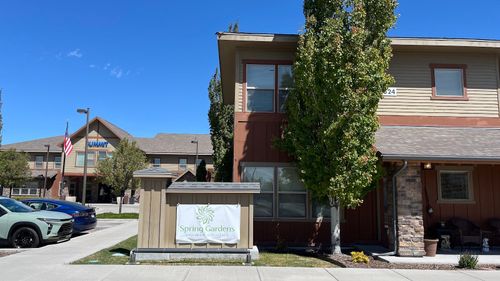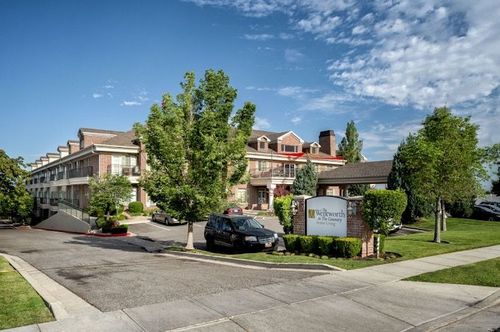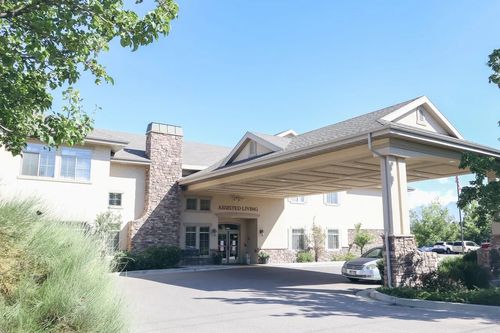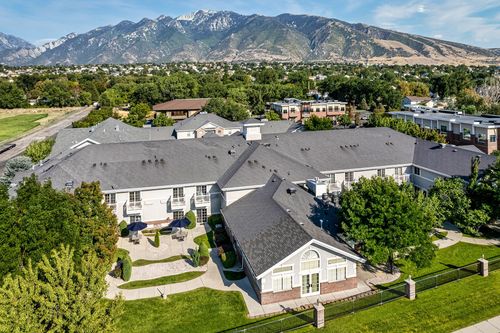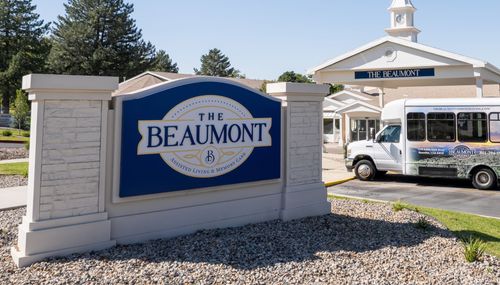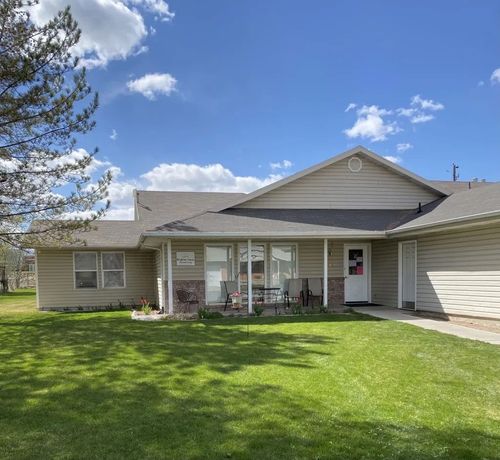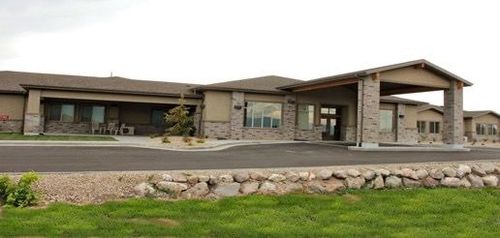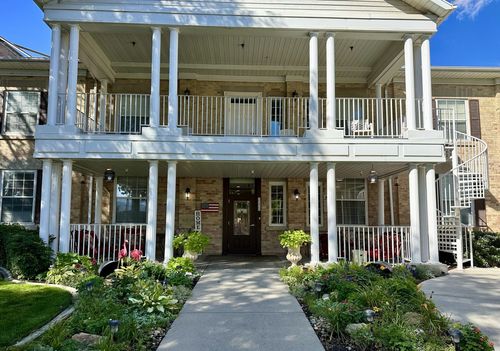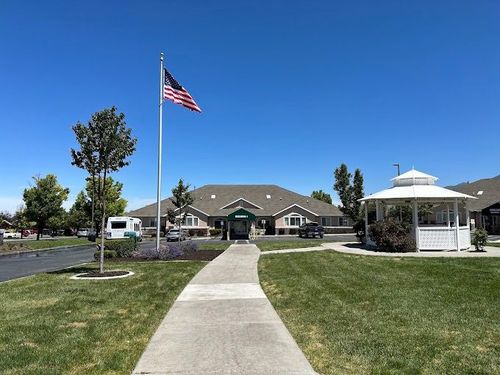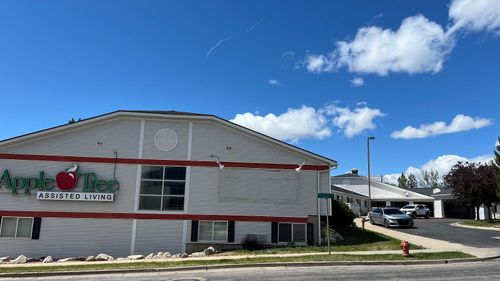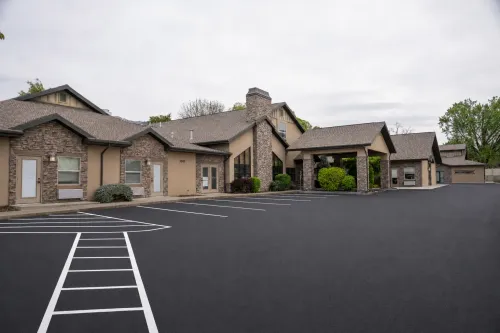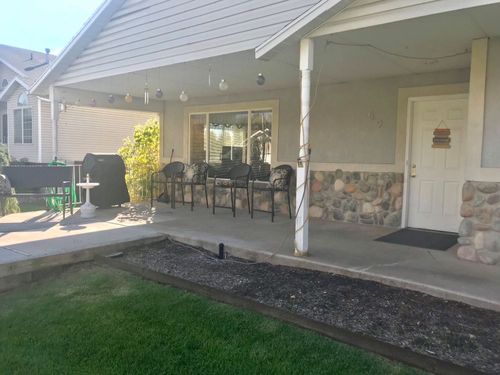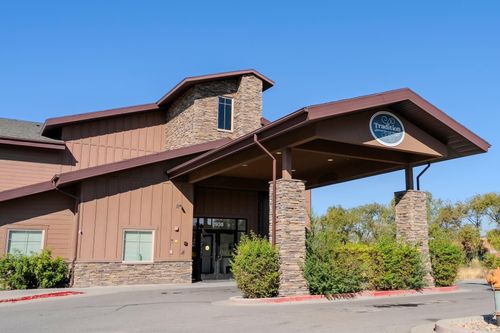

West Valley City is the most diverse city in Utah, a young, working-class place where Hispanic, Pacific Islander, and Asian families make up much of the population, and where senior care often begins at home, with elders looked after inside a multigenerational household until that is no longer enough. When it reaches that point, the city's one Medicaid-accepting community is Tradition Assisted Living on Redwood Road, a 62-apartment building that runs assisted living alongside a secured memory-care wing. Utah's New Choices Waiver can cover the care there for residents who qualify, and 1 community in this city of more than 135,000 carries that option.
Families here usually reach Tradition the same way families everywhere do, when the cost and the round-the-clock demands of care outgrow what a household can manage and what a fixed income can pay. What is different in West Valley City is how late many families arrive, having stretched home care as far as it will go first.
What Changes, and What Stays the Same, in a Move to Tradition
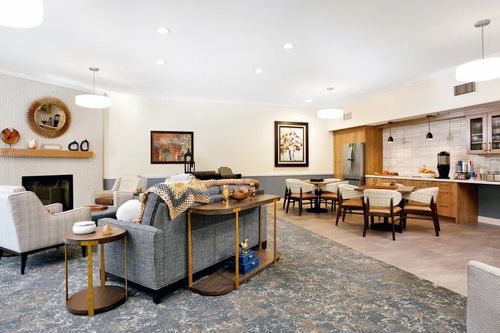
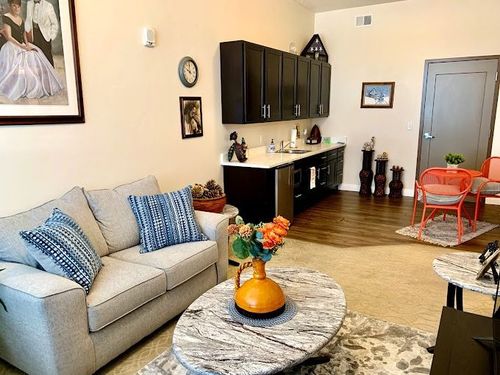
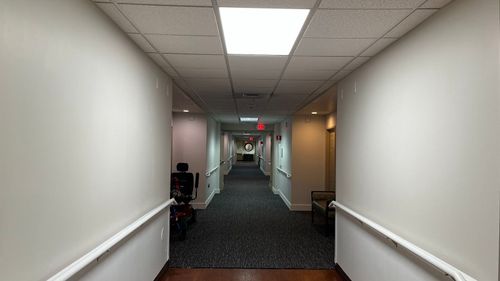
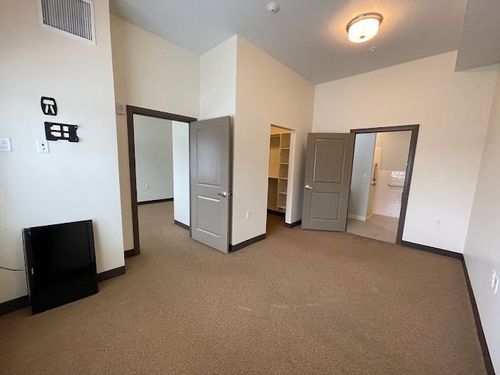
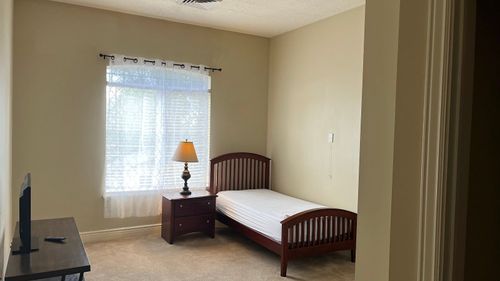
For many West Valley City families, Tradition is the first time daily care leaves the house. The building sorts into two sides, an assisted-living wing of private studio and one-bedroom apartments for residents who need a hand with the daily routine, and a secured memory-care wing for residents living with Alzheimer's or another form of dementia who need supervision and a protected setting.
The waiver carries the care side of either wing for a resident the state assesses at a nursing-facility level, picking up the personal help and the supervision a private-pay resident would get, and stopping at the apartment, which stays the resident's to pay for. What does not change in the move is more than the care standard, since a family can still bring familiar food, visit on their own rhythm, and keep an elder's language and routines part of the day.
Because everything sits under one roof, a resident who arrives on the assisted-living side and later needs memory care can usually shift wings without leaving the building, and the waiver keeps funding the care at whichever level fits, which spares a family a second move during the hardest stretch.
The Real Cost of Care at Tradition
A listed starting price at Tradition can read as unusually low, but that number reflects a stripped-down Medicaid floor rather than what assisted living actually costs there. The true private-pay range depends on care level, with assisted living at the lower end and memory care at the top, and families should expect from $4,200/mo as a working figure. How that compares with the statewide assisted-living median in the latest 2026 cost-of-care data is worth asking the local advisor about.
Once a resident qualifies, the waiver absorbs the care-services slice of that bill, whatever tier it lands at, and the housing slice stays with the resident, met out of monthly income minus a small allowance for personal needs. The 2026 eligibility lines are firm: a single applicant has to come in under the program's countable-asset limit and its monthly income limit, with a physician confirming a nursing-facility level of need. Utah also studies the prior 5 years of gifts and transfers, so shuffling assets to family at the last minute usually backfires.
Rising Need in a City That Cared at Home
West Valley City has long leaned on the multigenerational household, with grandparents and parents under one roof and care kept inside the family. That model is straining as the senior count climbs, now close to 12,000 of the city's roughly 137,000 residents, while working adults juggle jobs and the heavier care an aging relative eventually needs.
As that shifts, more families turn to a licensed community, and they find the local Medicaid-accepting supply is limited. With 1 building in the city taking the waiver and the New Choices Waiver capped statewide, the binding constraint is an open waiver-funded apartment at Tradition, not whether a resident qualifies. Those openings move unpredictably, so once a need is clear, a West Valley City family seldom gains by waiting.
Staying Within a Familiar Community in West Valley City
The strongest reason a West Valley City family keeps a Medicaid move local is cultural continuity. An elder who has spent years among the same markets, congregations, and neighbors, often in a specific language community, stays near all of it at Tradition, rather than being moved somewhere cheaper where the food, the faith, and the familiar faces are gone.
The practical side reinforces it: adult children and grandchildren working across the west side can visit without a long drive, a resident keeps the doctors and pharmacies they already use, and the whole support network stays intact. When Medicaid makes a licensed local community affordable, there is rarely a reason to trade that away for a lower rate elsewhere.
What an Advisor Sorts Out on a West Valley City Search
Because the city's Medicaid-accepting care runs through one building, a local advisor's work is specific. Cutting through Tradition's confusing listed pricing to the real number a family would pay comes first, since the headline figure rarely matches what the care level a resident needs would cost. Then it is a matter of confirming whether the assisted-living or secured memory-care side has a waiver-funded apartment open. When Tradition is full, the advisor can point to a handful of vetted communities elsewhere in the valley that currently hold waiver openings.
Timing is the other half of the job: when a hospital such as Holy Cross Hospital - West Valley readies a Medicaid-bound discharge, the advisor partners with the case manager to push the waiver application forward, so a placement is in hand by the time the resident leaves. Connect with an advisor about Medicaid-accepting senior living in West Valley City, or look through the communities we have vetted on your own time.