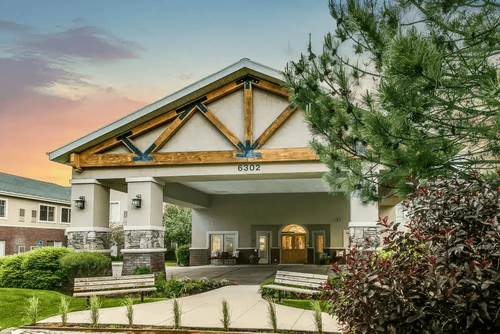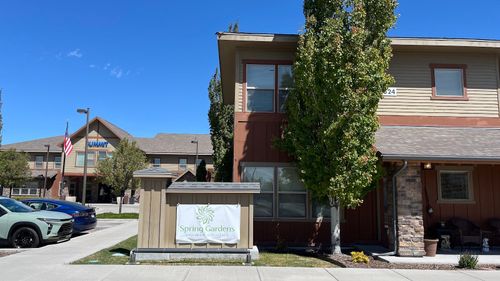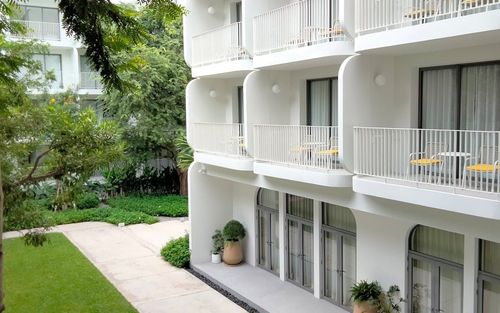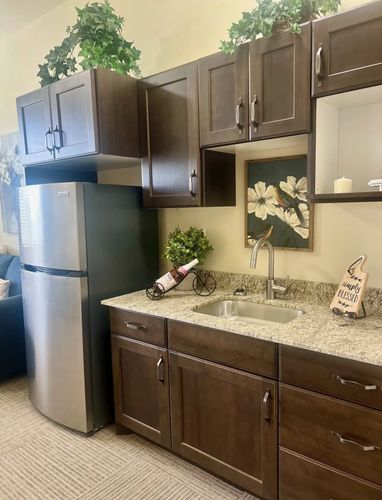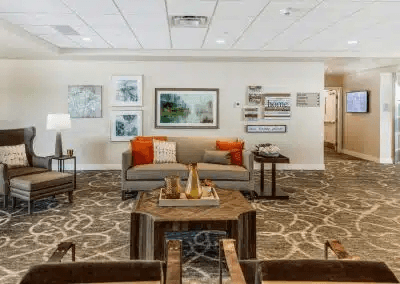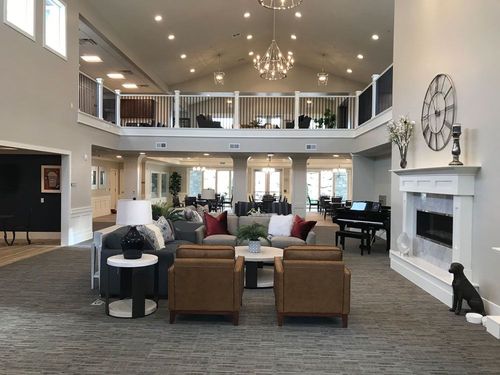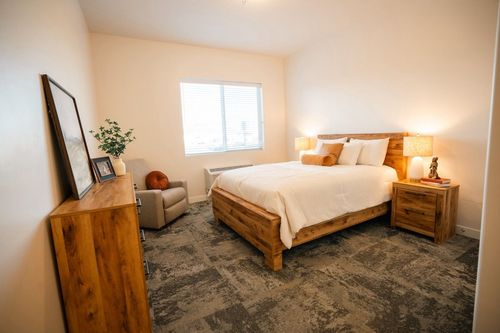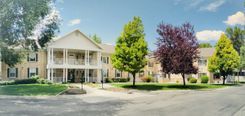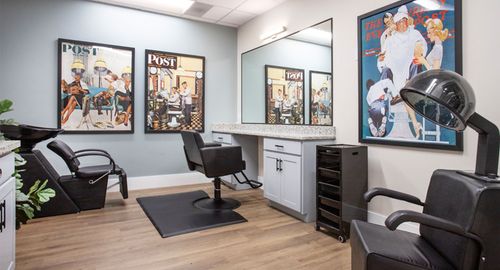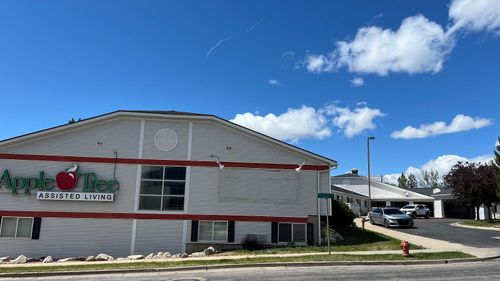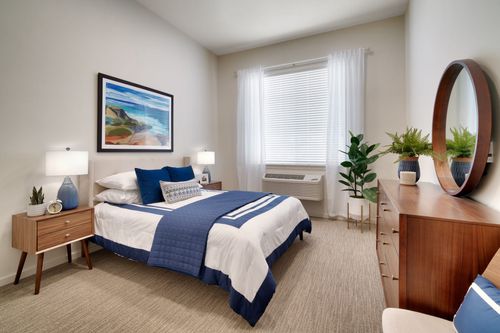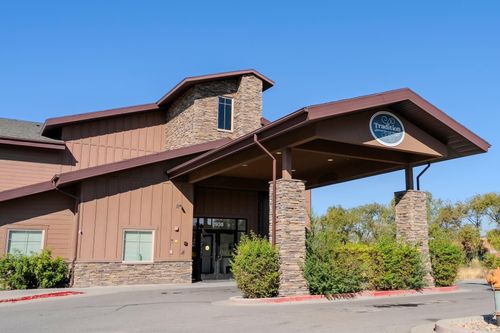

West Valley City covers Utah's second-largest population footprint, with roughly 140,000 residents and around 12,500 past sixty-five. The one-in-nine national dementia rate puts the local caseload near 1,400 households. Published in-city inventory consists of one address: Tradition Assisted Living at 2938 South Redwood Road, where SAL Management Group runs a 62-apartment building (opened 2013) holding 20 of those apartments inside a controlled-access wing.
For a household weighing placement, the comparison runs between Tradition and a wider Salt Lake Valley dementia-care set fifteen to twenty minutes away. Four factors typically push Tradition forward: an active Aging Waiver contract, EssentiALZ preparation through the Alzheimer's Association, assisted-living and secured tiers under one roof, and bilingual depth tracking the 42.5 percent Hispanic share of West Valley households.
Inside Tradition's Secured Wing
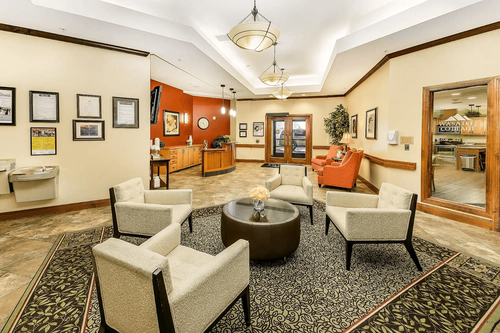
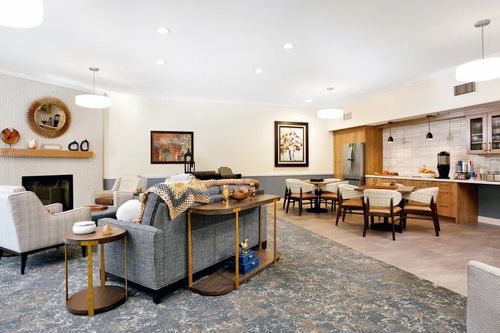
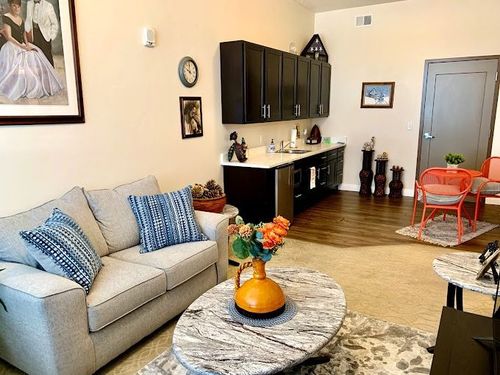
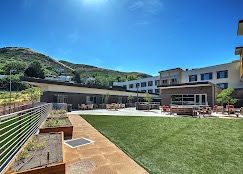
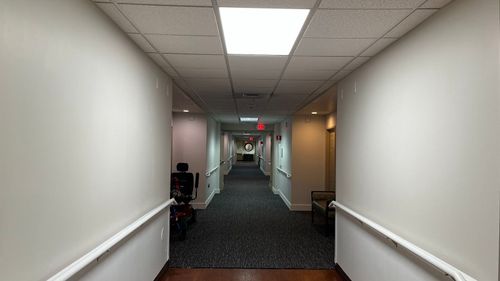
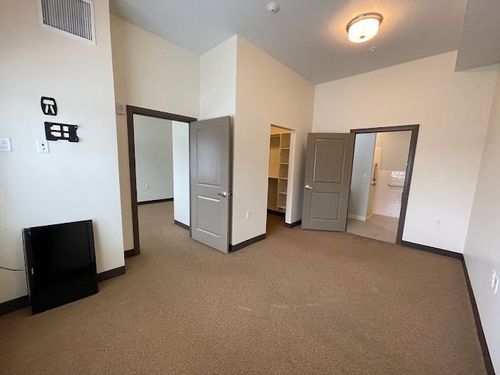
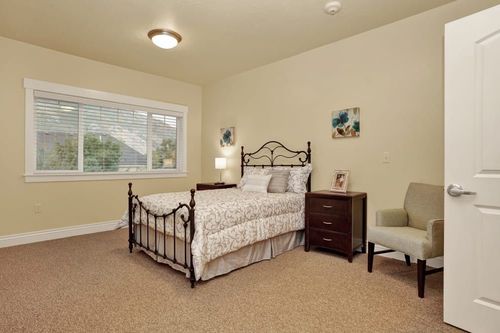
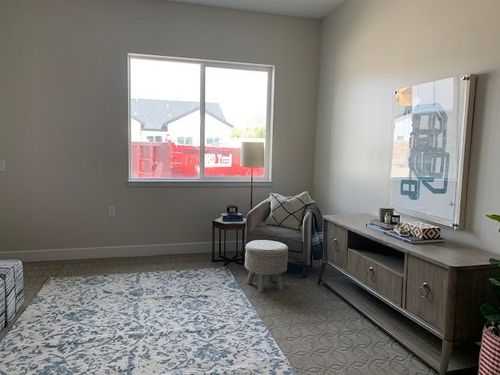
The dementia neighborhood is structurally distinct inside the 62-apartment building, sealed off by controlled-access doors and shaped so a confused resident's walking pattern stays inside familiar sight lines. EssentiALZ preparation runs through the caregiver rotation. Awake-overnight staffing covers the dark hours, a registered nurse cycles through wellness checks on schedule, and the daytime calendar leans on routines accessible across dementia stages: music sessions, sensory tabletop work, supervised courtyard time.
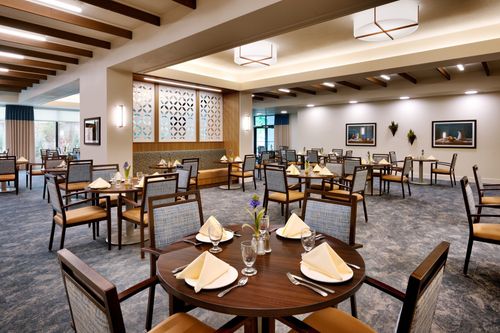
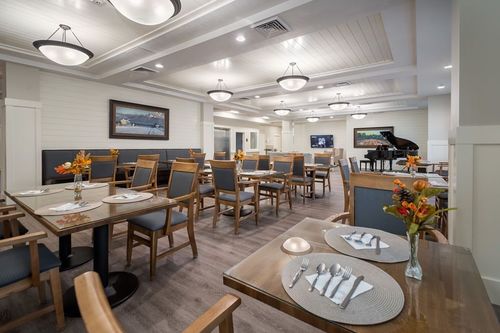
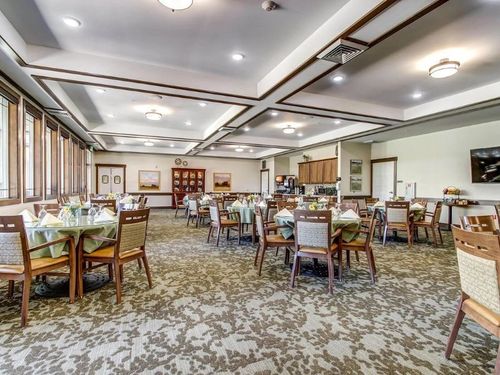
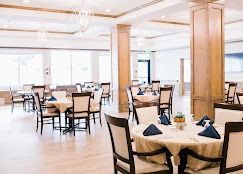
Caregiving covers tuned medication oversight, paced bathing help, dressing and transfer support, incontinence care, and sundowning supervision. Meals plate separately so the neighborhood eats in lower-stimulation seating. Pioneer Valley Hospital five minutes east on 3500 South absorbs routine events; Intermountain Medical Center fifteen minutes south in Murray (504 beds, level-one trauma) handles higher-acuity escalations.
Cost and Coverage
Secured-wing rates land between $4,500 and $6,200 monthly in 2026, inside the broader Salt Lake County band. Moving from the open-circulation tier into the secured wing layers SAL's Life Enrichment Program III ($2,000 monthly above base for five or more activities of daily living). Move-in fees come in at $1,500 to $2,500, a second occupant adds $1,500 monthly, respite bills at $170 to $220 per night, and pet rent runs $100 monthly under SAL's weight rules.
Medicaid sits inside Tradition's funding model, with the active Aging Waiver contract absorbing a share of the personal-care line on the secured-wing statement after a clinical reviewer assigns a nursing-facility-level rating (most dementia diagnoses pass that bar inside the first year) and household finances clear the income and asset thresholds. Statewide Waiver funding is capped at 550 enrolled spots as of 2025, so Waiver apartments rotate through availability.
Local Demand and Healthcare
A 1,400-household caseload against twenty in-city apartments means Tradition absorbs steady demand alongside referrals from Taylorsville, Kearns, Magna, and points east. Hispanic-majority demographics shape how the conversation opens: Spanish-language family meetings, generational household structures, and bilingual expectations weave in early, and bilingual staffing is one of the building's most-named draws.
Openings appear when a trajectory progresses to skilled nursing or hospice. Discharge clusters at Pioneer Valley and Intermountain occasionally squeeze placement timing when behavioral-health flags cluster.
Why Families Choose Memory Care in West Valley City
Dementia placement is different from any other senior-living choice because the environment itself is part of the treatment. A resident whose orientation has shifted reads a familiar block in ways an unfamiliar one cannot, and the Redwood Road corridor sits at the center of decades of routines for many of these families. Holding the placement inside the city keeps ward and cultural ties visible, leaves Spanish-language family meetings practical, and preserves bilingual depth matching how families here actually talk to a parent about dressing, medication, and recognizing a face.
Visit cadence also matters: adult children working in central Salt Lake City, Taylorsville, Kearns, or across the corridor reach Tradition in ten to twenty minutes, which keeps weekly visits realistic across the long arc dementia care follows.
What a Local Advisor Brings to West Valley City
The call into a Local Advisor usually arrives after a stretch where the family rotation plus a paid aide has stopped covering the dementia load: a parent up twice overnight needing reorientation, a stove burner found on at breakfast, a winter porch wake-up, or an aide phoning in sick Monday without a replacement until Wednesday. A Local Advisor opens by reading Tradition's availability against the family's window and confirming the resident's stage fits what twenty apartments can hold.
When the fit lines up, conversation moves into apartment specifics, the SAL Satisfaction Surety thirty-day guarantee, and move-in coordination. When the wing is full or a resident's picture reads past what a continuum at this scale can carry, a Local Advisor brings broader Salt Lake Valley alternatives into view, including secured neighborhoods in Taylorsville, central Salt Lake City, and Murray, with the visit-cadence trade-off named plainly. If memory care is on the table for someone close to you, reach out to a Local Advisor for a planning conversation that fits West Valley's inventory and your timing.