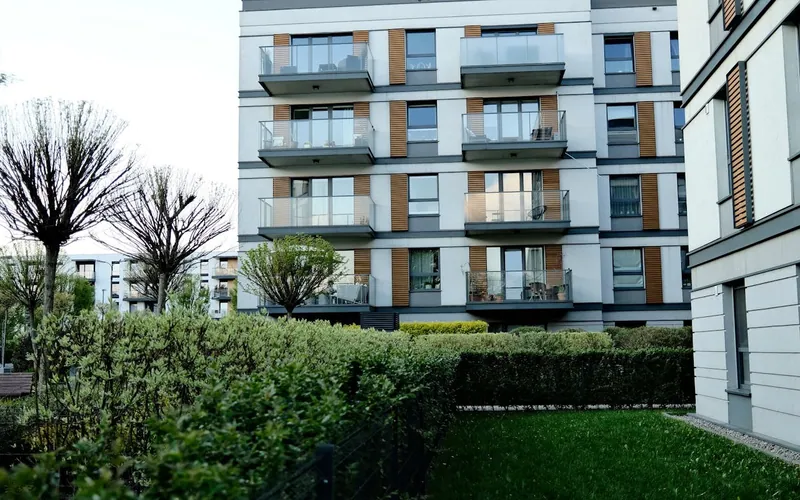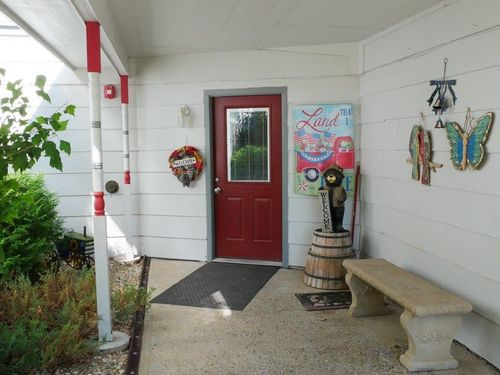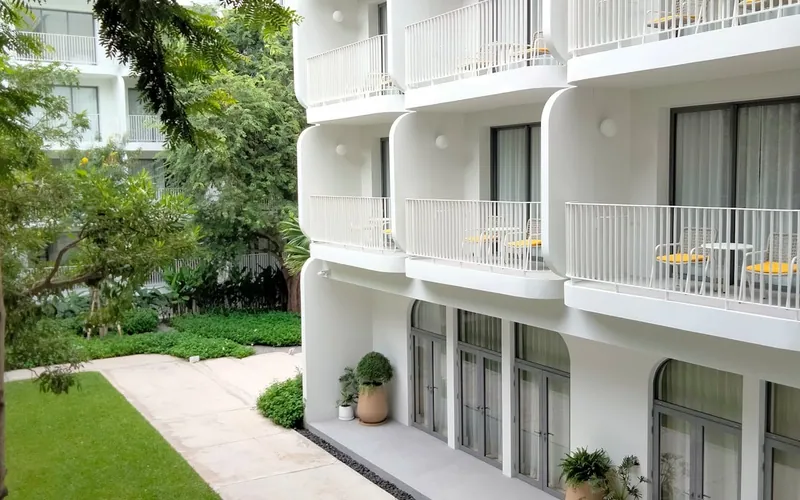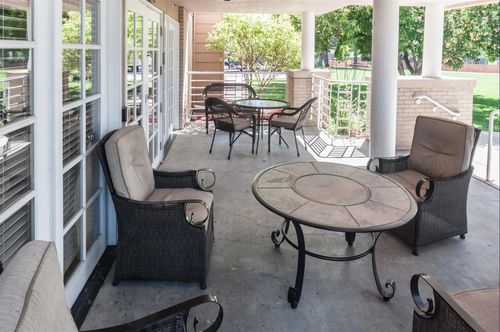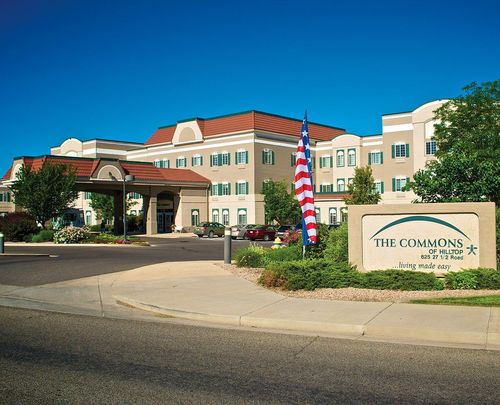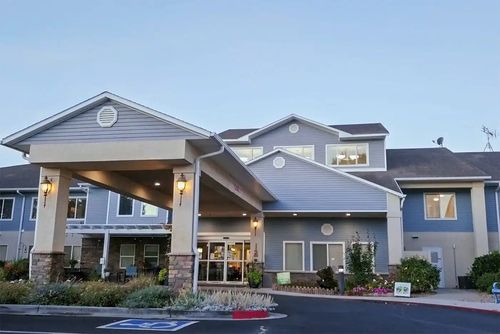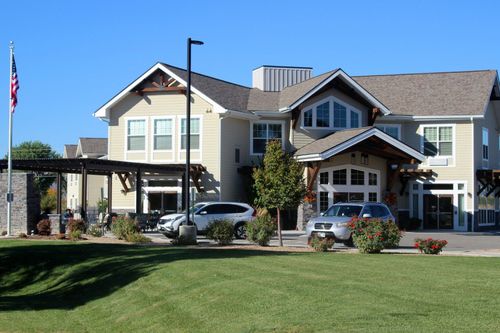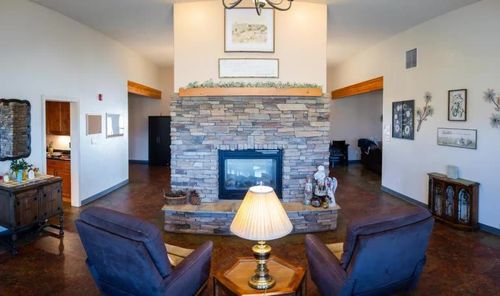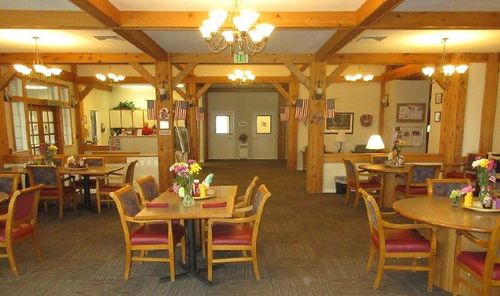
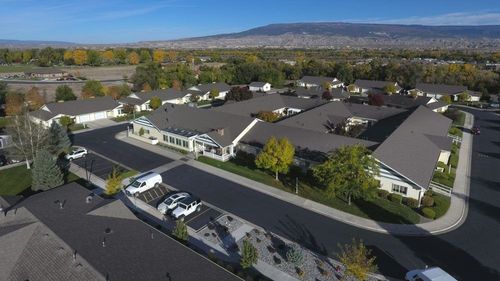

Delta County sits between the Grand Mesa and the Gunnison River, offering a rural setting where senior living option sizes range from smaller residential properties with around 10 beds up to mid-sized environments with 49 beds. Families looking at care options in this part of Western Colorado will find a small number of licensed assisted living communities available. Navigating the local landscape involves understanding how these communities fit into the agricultural and small-town fabric of towns like Delta and Paonia. Because the total number of providers here is limited, securing a spot requires proactive planning, especially when matching a loved one's specific physical needs to the specialized care environments available in the county.
Daily Support and Routine in Local Communities
Daily life in a Delta County assisted living facility focuses on balancing personal independence with structured physical support. Trained staff members manage routine tasks that have become difficult or unsafe for seniors to handle alone at home. Residents receive assistance with personal hygiene, dressing, and gentle mobility support to move safely throughout the building. Medication management forms a core part of the daily schedule, with staff tracking prescriptions to prevent errors and ensure consistent health management.
Nutritional support is woven directly into the daily routine through shared meals that accommodate standard dietary restrictions. Beyond physical care, the daily schedule provides opportunities for social interaction, which helps combat the isolation often experienced by rural seniors living alone. Staff members organize group activities, light exercises, and social gatherings inside the building. These routines help seniors maintain cognitive engagement and physical strength while living in a secure environment.
Understanding the Costs of Care Locally
Financing assisted living in this region requires an understanding of standard local pricing baselines. Across the small number of options in the county, the base rate for care starts at $5,500 per month. This baseline rate generally covers standard housing, utilities, three daily meals, and basic care management. Families should anticipate that additional charges may apply if a resident requires higher levels of physical assistance or specialized care services.
When budgeting for long-term care in the area, it is important to note that local communities do not accept Medicaid for residency. Because public funding is not an option here, families must rely entirely on private resources, long-term care insurance, or veterans' benefits to cover the $5,500 per month cost. Comparing these figures against the costs of continuous home health aides often reveals that assisted living provides a more predictable monthly expense structure.
Senior Needs and Demand Trends
Demand for senior care in the county reflects the aging population of Colorado's Western Slope. As more older adults choose to retire in rural areas or age in place in their family homes, the need for supportive housing grows. The limited capacity of local buildings means that open spaces are filled quickly by local residents.
This steady demand creates a competitive environment for families seeking immediate placement. When a senior experiences a sudden change in health, finding an open bed locally becomes challenging. Families often find themselves looking at options in neighboring counties if they do not plan ahead for the inevitable transition into a care environment.
Why Families Choose Care in Delta County
Choosing a local care community allows seniors to remain close to their established social networks and medical providers. Many families prefer keeping their loved ones in the area to avoid the stress of a long-distance move to a larger city. Staying local makes it easier for family members to visit frequently and remain actively involved in daily care oversight.
The local communities reflect the quiet, familiar atmosphere of the surrounding region, which helps seniors adjust to their new living arrangements more comfortably. This geographical continuity supports emotional well-being during a major life transition. Residents can stay connected to the landscape and community identity they have known for years.
Navigating the Transition with Local Placement Support
Moving a relative into a care home involves careful coordination between families, medical professionals, and facility coordinators. The transition frequently occurs during a hospital discharge, requiring rapid decision-making regarding care levels and room availability. Local placement advisors track current vacancies across Carelink at Delta House Assisted Living, Crossroads Assisted Living, and Onarga House Assisted Living to help families bypass long research cycles. Because local communities do not accept Medicaid, understanding the timing of private funds is critical to ensuring an uninterrupted stay.
Advisors review the physical layouts and care capabilities of each building to find the right match for a senior's specific mobility restrictions. Finding a proper fit prevents the disruption of moving a senior multiple times as their care needs increase. When you feel overwhelmed by choices or logistics, it helps to reach out to a local specialist who understands the regional care landscape.
Our Delta County directory keeps expanding as we evaluate providers for quality and alignment in 2026. Reach out for a conversation about assisted living in Delta County, or browse the communities we have vetted at your own pace.