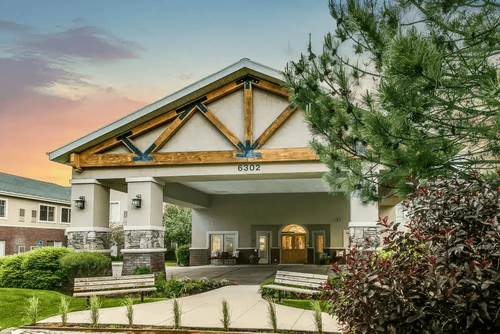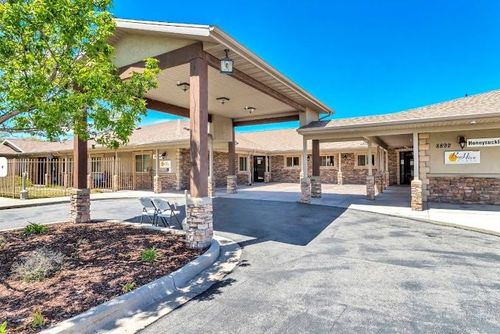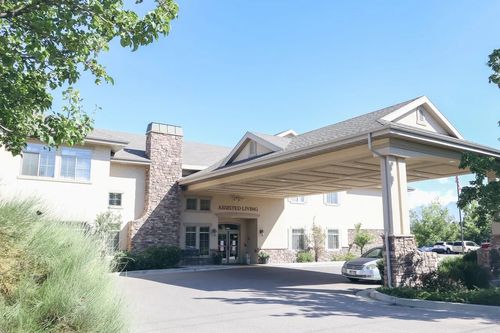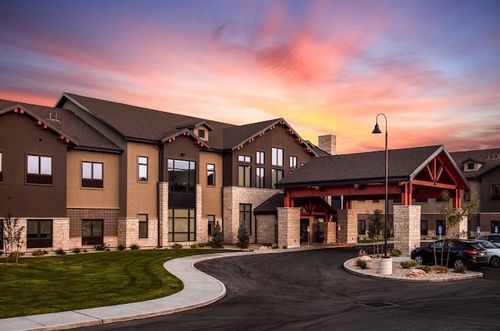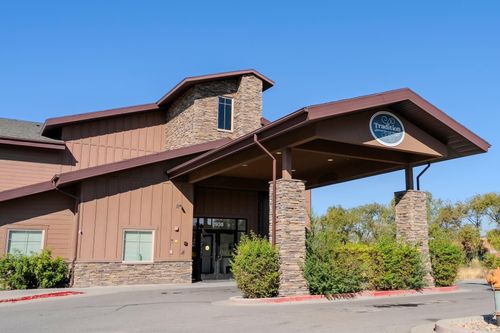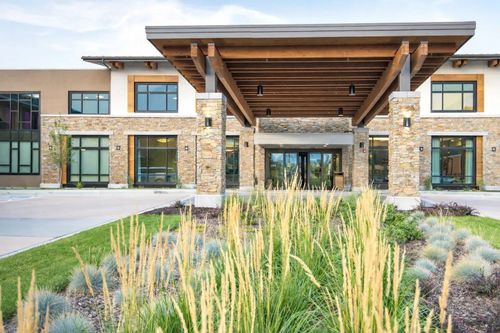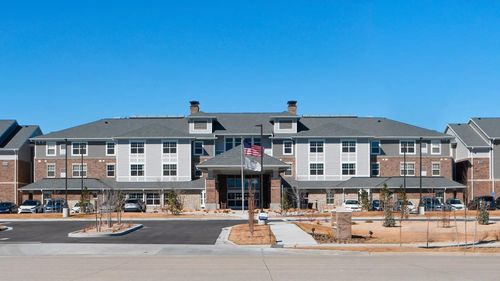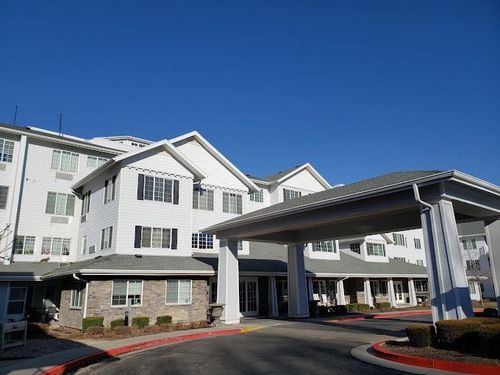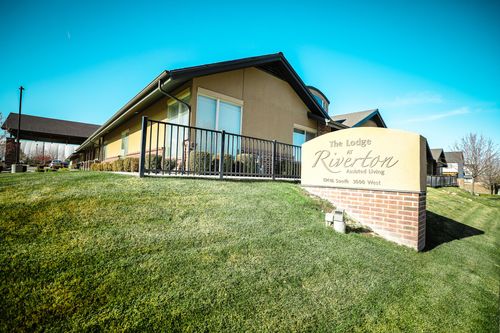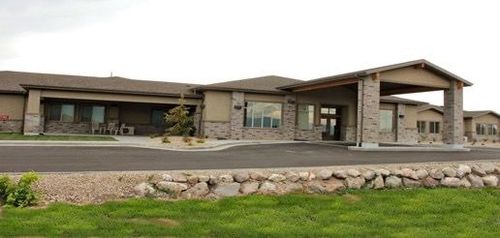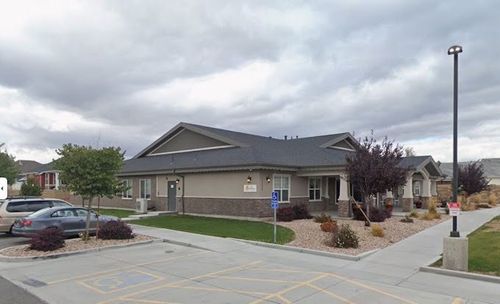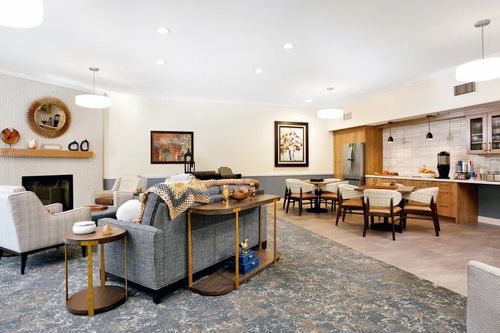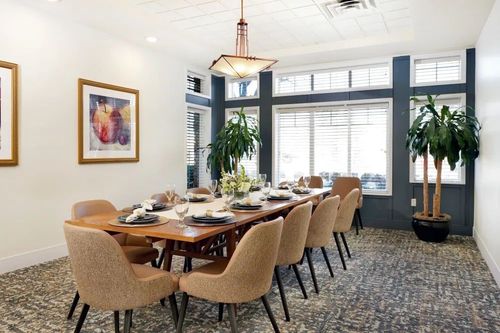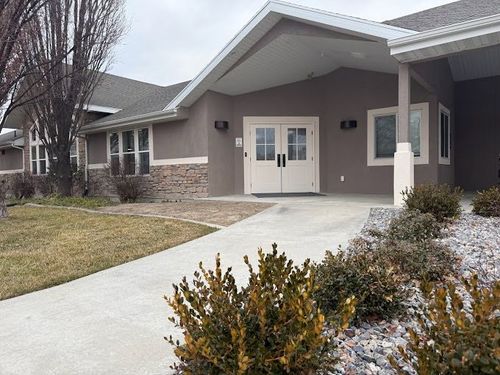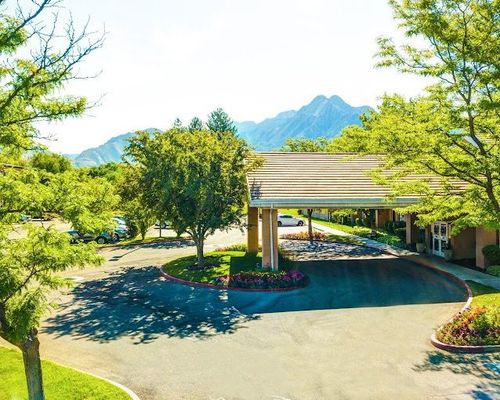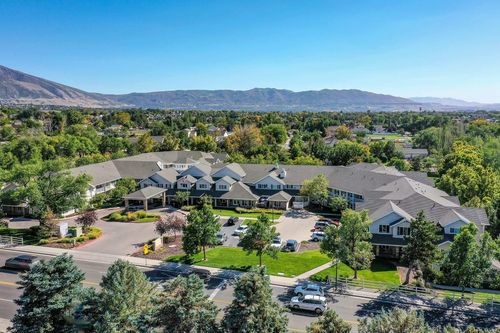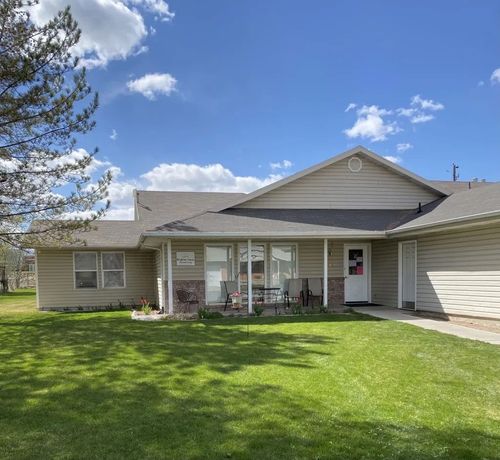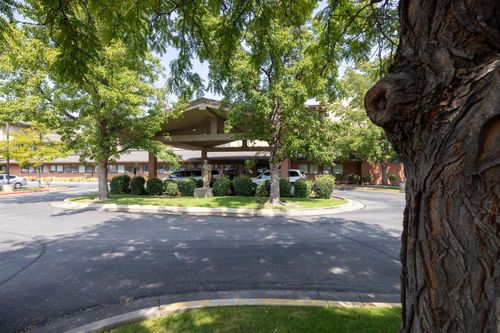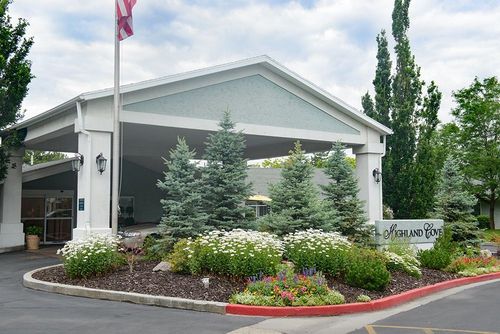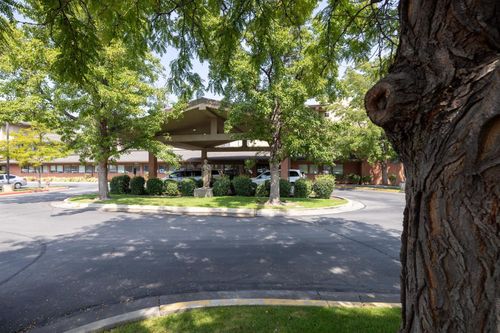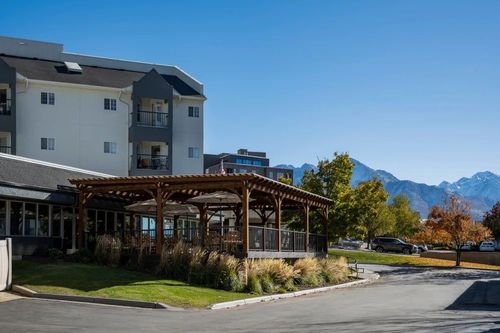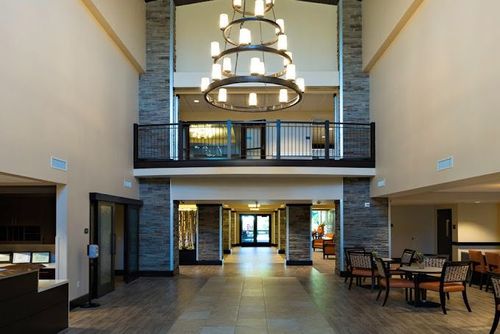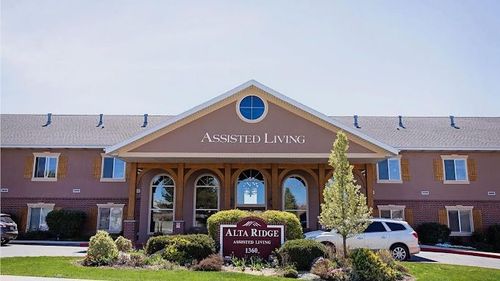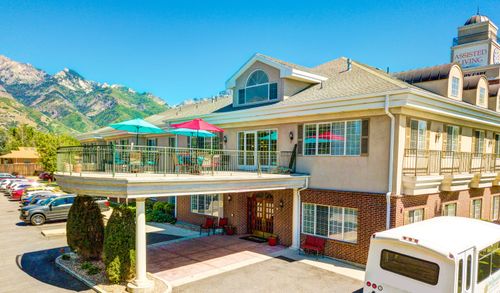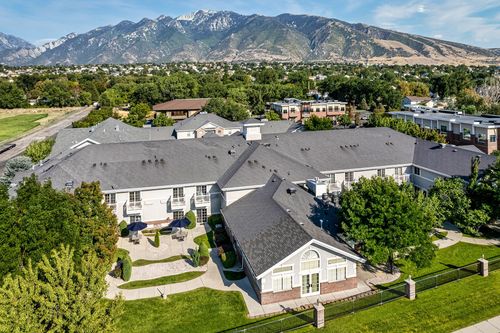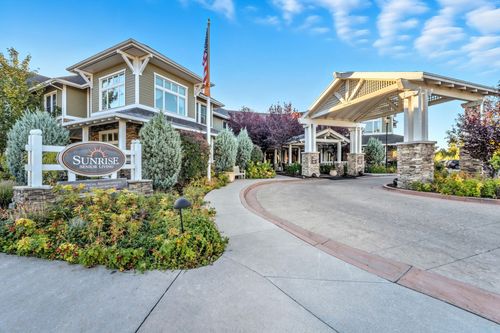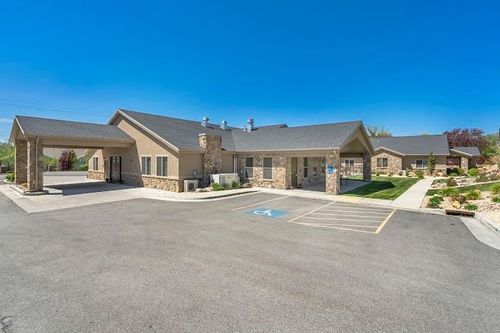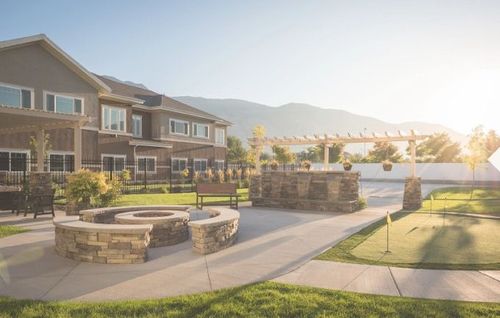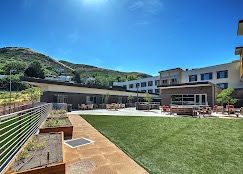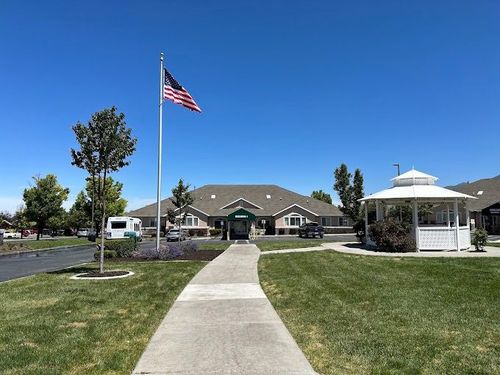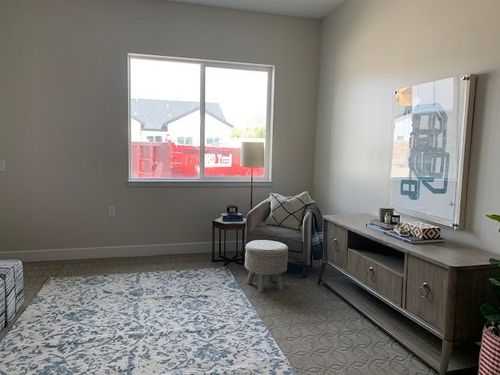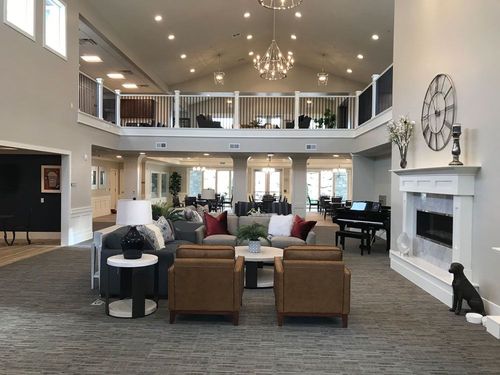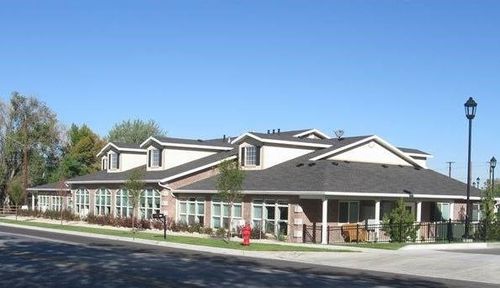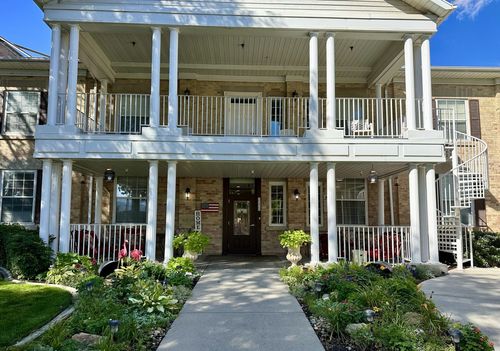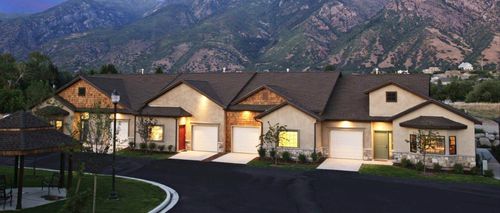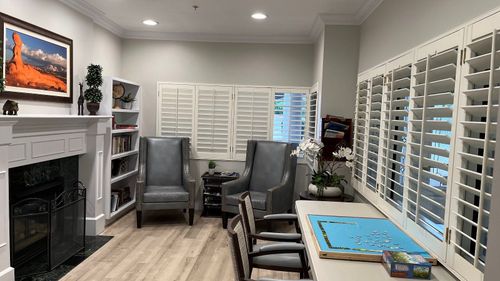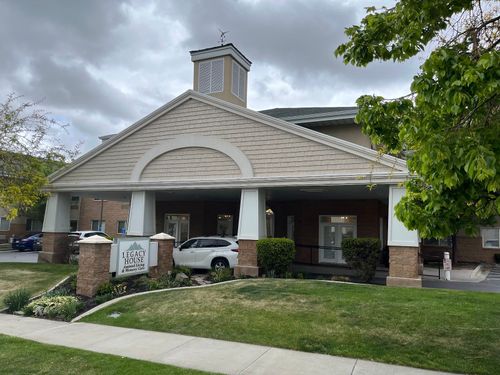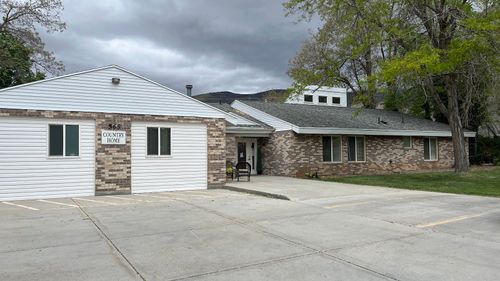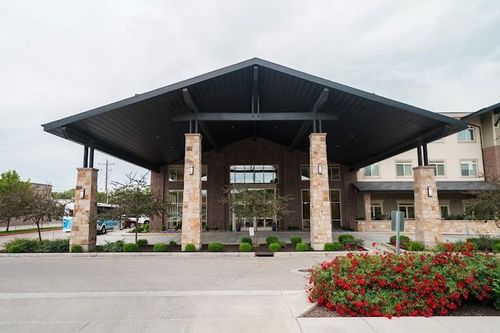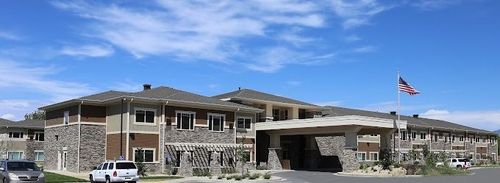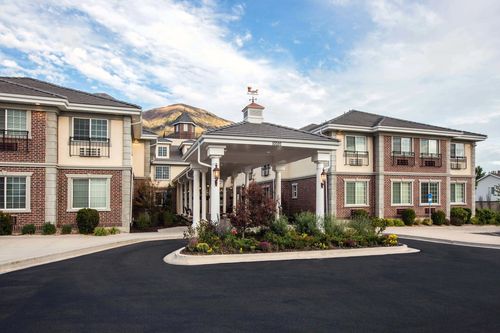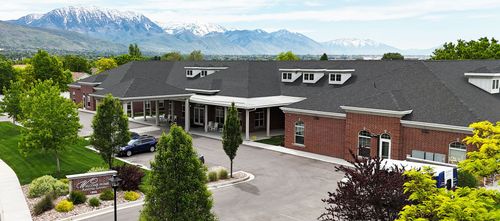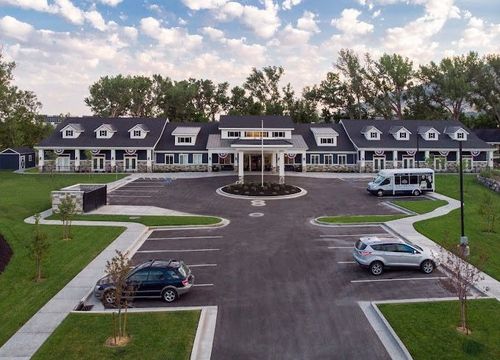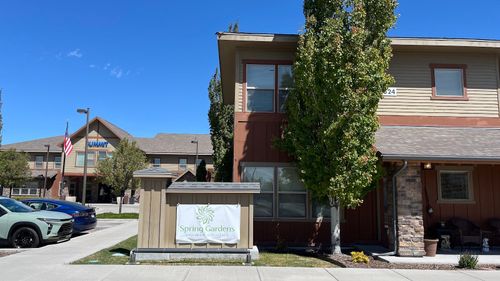

1 Kearns community offers short-term respite stays: Spring Gardens of Oquirrh Mountain, a 117-bed building on 6200 South managed by Avista Senior Living, with separate wings for assisted living and secured memory care. Whether the need is a caregiver break, a post-hospital step-down, or a trial before a permanent move, that one address handles both care levels.
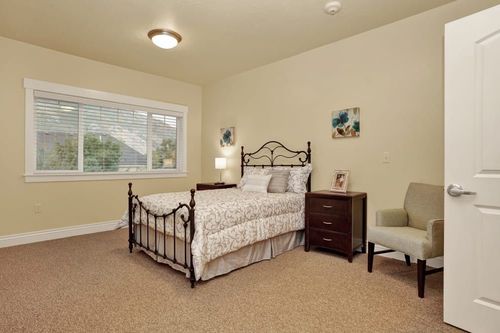
Respite means a short, time-limited stay within an ordinary assisted-living or memory-care community. A guest gets the very same meals, personal care, activities, and overnight staffing that permanent residents do. The only difference is a defined end date. It is not a separate care level, not its own facility type, and not the same as skilled short-term rehabilitation after a hospitalization.
What a Short Stay at Spring Gardens of Oquirrh Mountain Covers
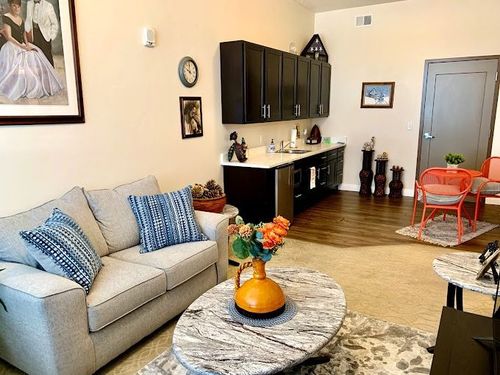
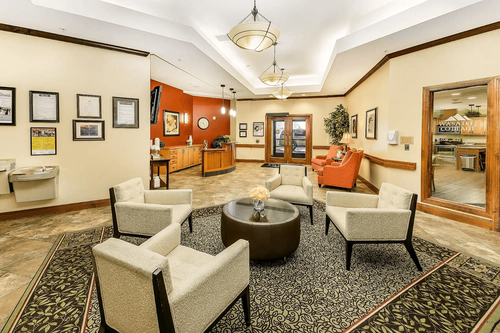
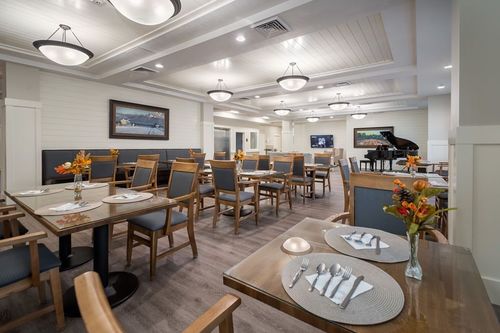
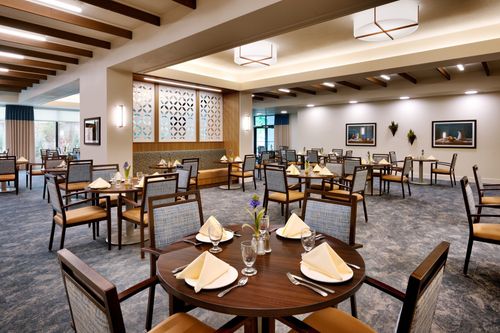
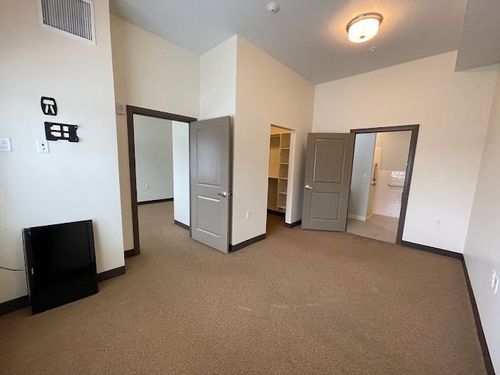
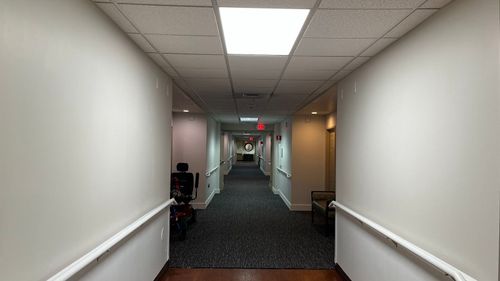
Summit's 117 beds divide into 75 in the assisted-living section and 20 inside a separate secured memory-care wing. A stay in the assisted-living section covers help with bathing, dressing, and medications alongside meals, activities, and 24-hour awake staffing. The memory-care wing operates as a locked, monitored environment for people living with Alzheimer's or a related dementia; short stays there come with a higher level of supervision within a structured daily routine.
Billing is per day rather than per month. For 2026, west-central Salt Lake Valley assisted-living respite generally runs $155 to $225 per day; memory-care respite sits higher. Spring Gardens of Oquirrh Mountain also maintains a minimum-stay floor, frequently two to four weeks, though the current requirement shifts with how full the community is and is worth confirming before planning around a specific discharge date.
Who Covers the Cost
Short stays in assisted-living and memory-care settings are private pay. Medicare does not cover this kind of placement; its only respite-related carve-out is a brief inpatient admission for hospice patients, a different situation. Utah Medicaid waivers cover long-term enrolled care in licensed facilities, not short private stays. Two sources worth checking: veterans' benefit programs (some include short-term respite for eligible veterans) and long-term-care insurance (a number of plans include a daily short-stay allowance). Neither pays automatically. The monthly price shown on this page reflects Summit's long-term residency rate, not the daily cost of a two-week stay.
Availability in Kearns
Population figures put roughly 8 percent of Kearns' 40,000 residents at age 65 or older, around 3,200 people, below the metro average. Respite demand runs steady rather than intense, but a specific furnished room is not guaranteed, and the memory-care wing has fewer rooms available. A family lining up a discharge from Jordan Valley Medical Center over in West Jordan, or from Pioneer Valley Hospital to the north, often needs a placement locked down inside 48 to 72 hours, exactly when a confirmed open room matters most.
Why Kearns Families Book a Short Stay
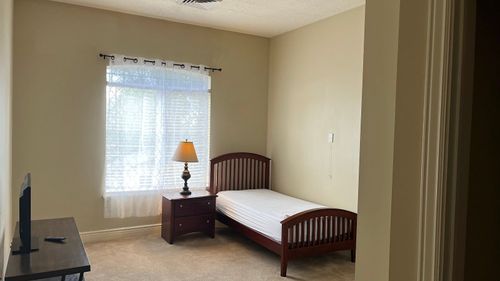
A caregiver who provides daily hands-on support needs real relief: a medical procedure, a trip, or a planned rest period. Summit's round-the-clock staffing provides that coverage without a long-term commitment. A recovery stay at Summit can bridge the gap between a hospital discharge and a safe return home. For a family uncertain whether community living fits, a two- or three-week trial at a full-service campus answers the question more directly than a tour. Short stays that go well often become permanent moves, not from pressure but because the experience settled the question.
Reach a Local Advisor About Summit
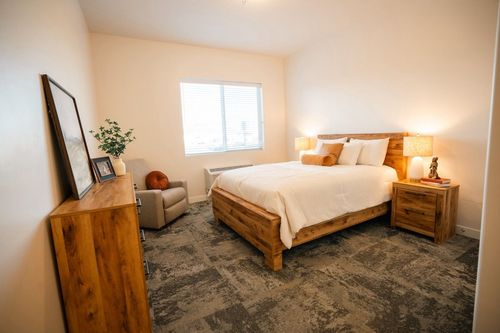
Which room types at Spring Gardens of Oquirrh Mountain are open, what the minimum-stay floor is, and whether the memory-care wing has a slot available all shift with how full the community is. A Local Senior Advisor checks those specifics before a family commits to dates.
An advisor can also clarify whether veterans' benefits or a long-term-care policy might offset part of the daily rate. Get in touch here to start, or review Spring Gardens of Oquirrh Mountain's full profile in the listing below.