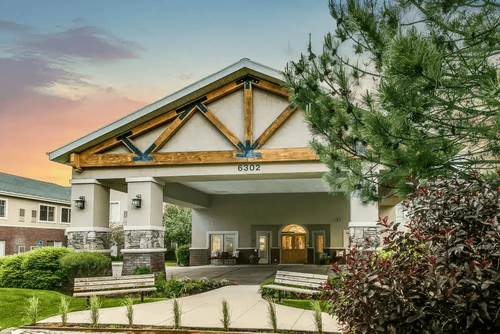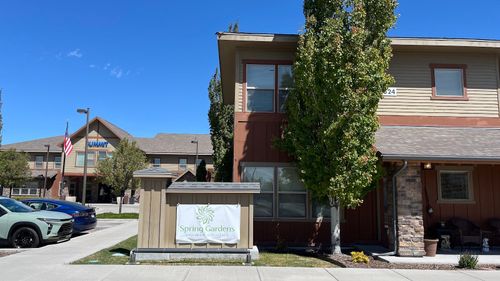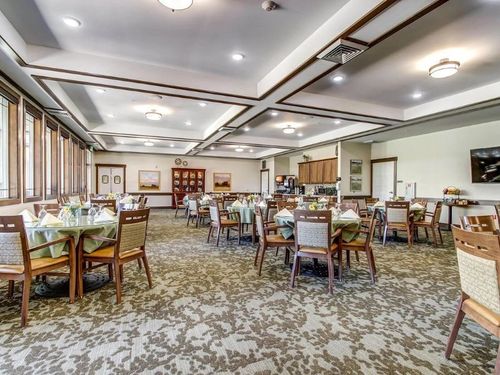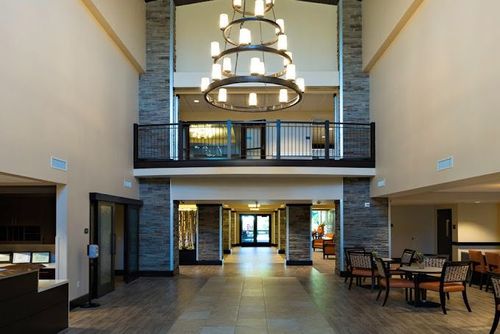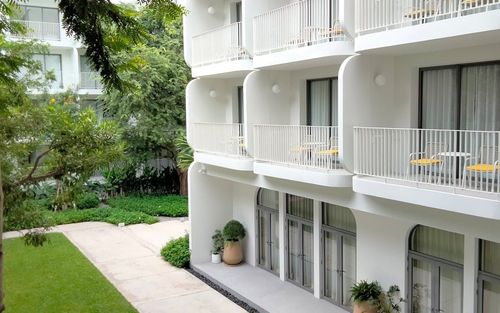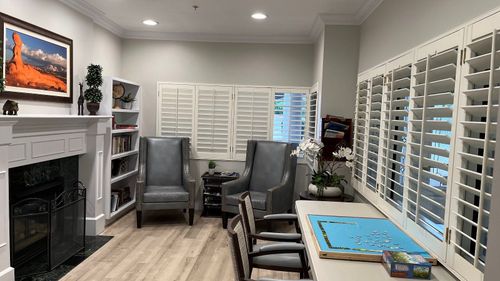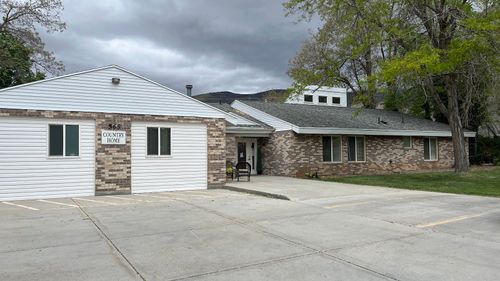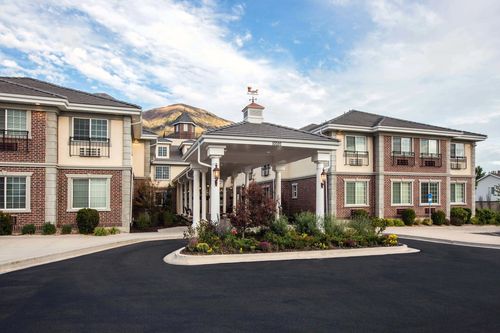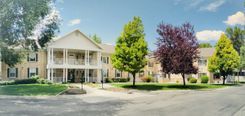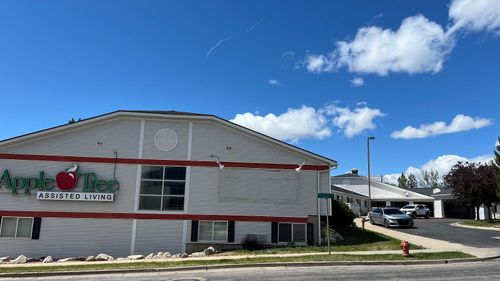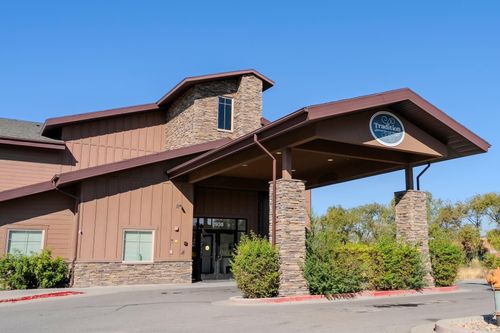

Utah's second-largest city has a senior population that does not match its inventory. Roughly 12,500 West Valley City residents are past sixty-five (about 8.6 percent of the 138,700 total), yet the published in-city assisted-living set we cover rests on one address: Tradition Assisted Living at 2938 South Redwood Road, a 62-unit SAL Management Group building open since 2013. The 8.6 percent senior share runs below the Salt Lake County average because of the city's young Hispanic-majority demographics (Hispanic residents make up 42.5 percent of the population), but the absolute senior count is one of the largest single-city pools in the state.
That scale mismatch shapes the local conversation in practical ways. A single 62-unit building cannot absorb the full demand, so West Valley families navigating assisted living typically weigh Tradition against the broader west-valley corridor (Taylorsville, Kearns, Magna, and the southern Salt Lake City reach) inside a fifteen-to-twenty-minute drive. What pulls families toward Tradition specifically is the combination of active Aging Waiver participation, bilingual care depth that matches Hispanic-majority households, large private studios, and the secured memory-care side under the same roof.
Daily Support Across Two Service Tiers
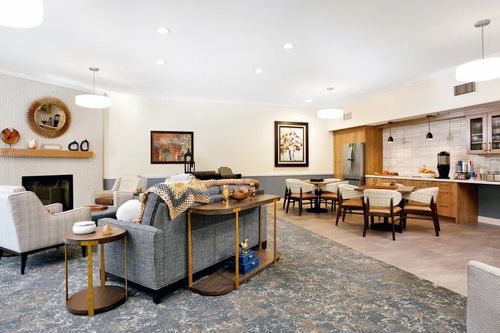
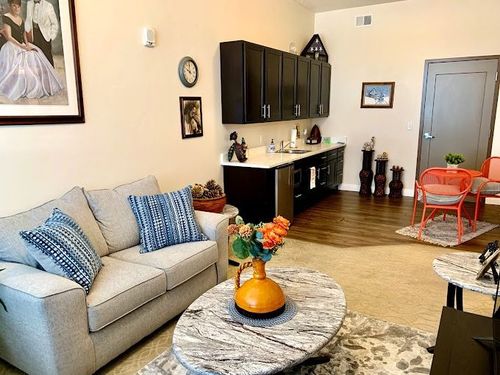
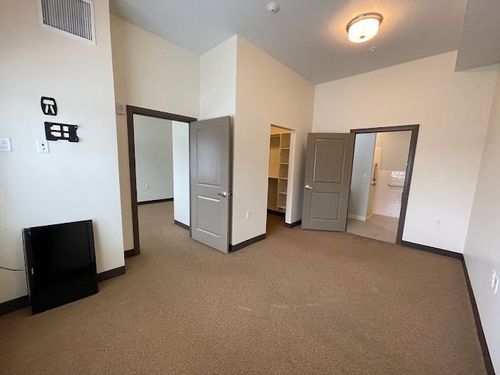
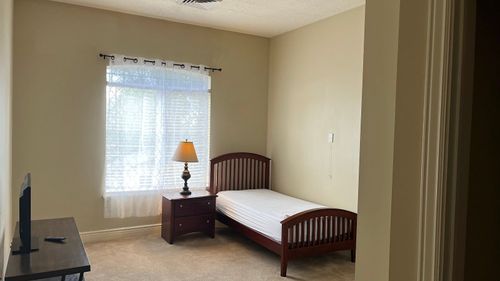
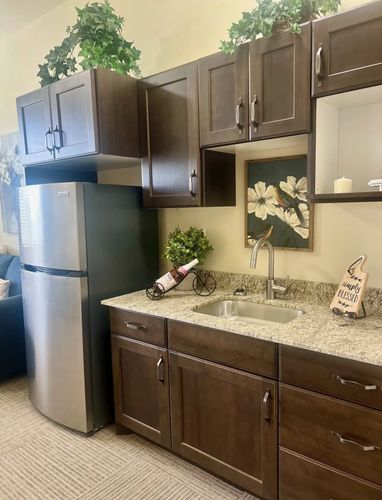
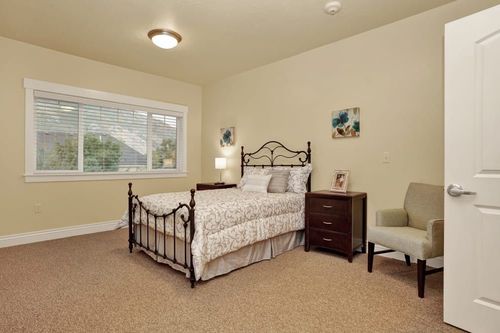
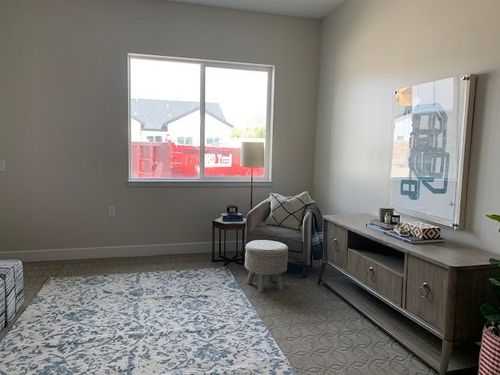
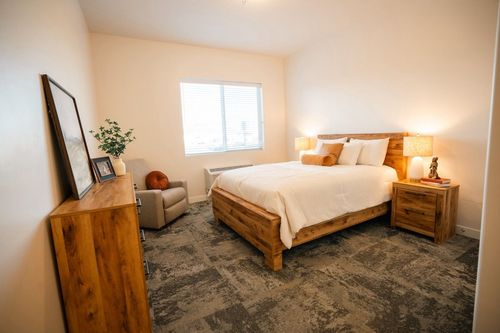
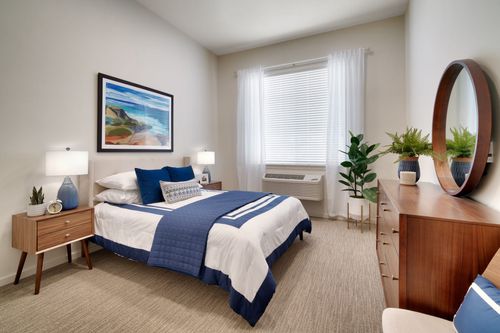
A day at Tradition runs across two distinct service tiers under one roof. The assisted-living side carries large private studios and one-bedroom apartments with kitchenettes, with care delivered through SAL Management's three-tier Life Enrichment Program: Program I covers one to two activities of daily living at $750 monthly above the base rate, Program II covers three to four at $1,500 monthly, and Program III covers five or more at $2,000 monthly. The structure means a household reads exactly what care intensity drives the bill rather than meeting a single bundled tier.
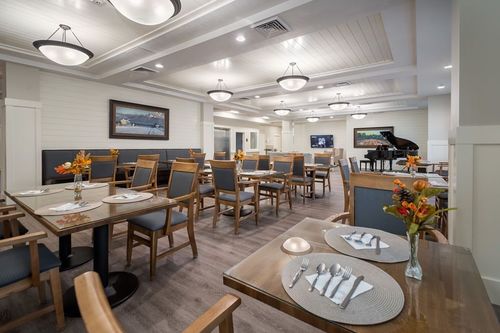
Caregivers handle the routines a resident no longer manages reliably alone: medication oversight on schedule, bathing support, dressing and transfer help, escort to meals and activities, and incontinence care for residents whose needs include it. Twenty-four-hour specially trained on-site staff and regular wellness checks by a registered nurse cover the safety net through nights and weekends. Pioneer Valley Hospital five minutes east on 3500 South handles routine clinical work, with Intermountain Medical Center fifteen minutes south in Murray covering higher-acuity escalations on its 504-bed level-one trauma campus.
Pricing and Affordability
Monthly rates in 2026 run $2,800 to $5,200 depending on apartment configuration and care-tier package. Base rent for a studio starts in the $2,800 to $3,200 range; one-bedroom apartments and the larger private studio configurations sit in the $3,400 to $3,800 base range. Care services bill above the base through SAL's three-tier Life Enrichment Program at $750, $1,500, or $2,000 monthly. Move-in fees come in at $1,500 to $2,500, second-occupant pricing adds $1,500 monthly, pet rent runs $100 monthly, and motorized wheelchair fees come in at $100 monthly. Short-stay respite prices $150 to $200 a night.
Medicaid is actively part of the building's funding mix, with Tradition holding an Aging Waiver contract that meaningfully reduces the personal-care side of the monthly statement for qualifying households. The Aging Waiver subsidizes part of the daily-care charges once a clinical reviewer rates the resident at nursing-facility level and the household clears the program's income and asset rules. SAL Management's broader portfolio (39 communities across six states) gives the building network-level operational support an unbranded standalone setting would not match.
A Large-Population Senior Pattern
West Valley City's 12,500 seniors over sixty-five make it one of Utah's largest single-city senior pools by raw count, even at the 8.6 percent share. The Hispanic-majority demographic means assisted-living conversations often include bilingual considerations, and Tradition advertises bilingual staff to support that need. Cultural anchors through ward connections, the Maverick Center entertainment district, the Utah Cultural Celebration Center, and the broader west-valley fabric shape what families look for in a local building.
Apartment turnover follows individual resident transitions, with waiver-funded apartments cycling on a separate cadence shaped by both vacancies and Utah's processing queue. Pioneer Valley Hospital and Intermountain Medical Center discharge events from the broader west-valley corridor regularly tighten wait times.
Why Families Choose Tradition
The Aging Waiver participation, large private studios, and bilingual staff are the three distinctive draws for most West Valley families. Medicaid-track households can stay inside the same Redwood Road corridor they know rather than relocating to a larger Salt Lake City or southern valley campus. The studio sizing matters because most assisted-living studios on the Wasatch Front run small; Tradition's published large-private-studio inventory gives residents room for personal furniture and family-visit space that smaller-format buildings cannot match.
The short drive for adult children working in central Salt Lake City, Taylorsville, or Kearns keeps weekly visits realistic. SAL Management's 30-day SAL Satisfaction Surety program (a move-out guarantee with full refund if the family is not satisfied during the first month) gives households a structural way to test the fit without long-term commitment risk.
What a Local Advisor Brings to West Valley City
Calls into West Valley typically open through gradual accumulation, though Pioneer Valley Hospital and Intermountain Medical Center discharges surface placements regularly given the area's population density. An adult daughter working from the Redwood Road corridor or central Salt Lake City notices a parent's medication routine slipping, the household-management load growing draining, and a primary-care visit nudging the family toward outside help.
The advisor's first move is reading Tradition's apartment availability against the family's window, with the Aging Waiver rotation as the binding constraint for Medicaid-track households. When the building fits and timing aligns, the conversation moves into specifics, care-tier rating, and SAL's 30-day satisfaction guarantee structure. When apartments are full, the household's needs do not match a 62-unit format, or specialty depth is the binding factor, the advisor brings broader west-valley alternatives into the call (Taylorsville, Kearns, central Salt Lake City), all inside a fifteen-to-twenty-minute drive. A short planning conversation usually narrows the field in one sitting before timing tightens. Reaching out before the planning window tightens opens more options.