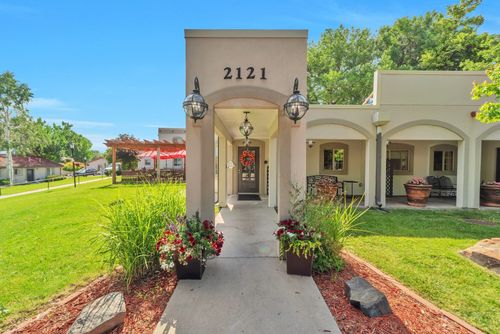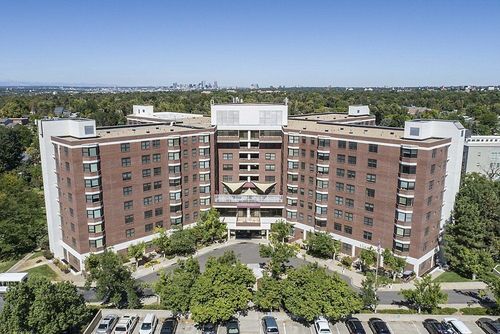

Balfour Louisville is the independent living community families in this Boulder County city most often name first, and it sits in a market where the choices are a small number rather than a long menu. That shape makes the decision more personal than comparative. A household weighs one well-known address against its own calendar, its own friends, and the question of whether this is the year to stop shoveling the driveway and fixing the fence.
Independent living here is a lifestyle move, not a care decision. Residents typically arrive driving their own cars, managing their own medications, and keeping their own doctors, while the upkeep, the meals, and the social calendar become someone else's job.
What Daily Life Looks Like, and What It Leaves Out
A typical week in independent living in Louisville is built around choice. Residents decide when to eat in the dining room, which gatherings to join, and which afternoons to spend with neighbors, family, or errands in town. The community handles the lawn, the roof, the furnace filter, and the deep cleaning, which is the real draw for people who have spent decades as the household's maintenance department.
Honesty matters about the boundaries, though. Independent living does not include hands-on help with bathing, dressing, or medication, and it is not designed for someone who needs regular physical assistance or supervision. Residents who need that kind of support later usually arrange outside home care or move to a different level of care, so it helps to ask early how a community handles that transition.
Pricing and What Moves It
Families planning for independent living in Louisville will find that a typical starting monthly price lands near $4,200 a month, and that figure is a starting point rather than a final bill. What shifts it is the size and position of the apartment, whether meals are bundled or billed separately, and what fees apply at move-in or for a second person sharing the home.
The comparison that serves a household best is not one building against another but the full cost of staying put. Property taxes, a mortgage or upkeep reserve, utilities, groceries, snow removal, and the car all fall away or shrink in a maintenance-free move, and many families find the monthly figure looks different once those lines are added up honestly. Medicaid does not generally pay for this level of living, so the funding is usually savings, home equity, or retirement income.
Why Louisville Draws Active Retirees
Louisville has a long-standing reputation as a place where people put down roots, and many older adults here want to stay near the neighbors, clinics, and familiar streets they already know. A move across town keeps the dentist, the church or club, and the grocery store the same, which is a large part of why independent living feels like a continuation rather than an upheaval.
The small field of communities also means demand concentrates. Households who think about a move two or three years before they need it tend to have the widest choice of floor plans and the calmest timeline, while those who start late often take whatever apartment happens to be open. Waiting lists are not a sign of anything wrong; they simply reward early conversation.
Why Families Pick Independent Living in Louisville
Families tend to choose independent living here for two reasons that sound opposite but fit together: freedom and relief. The senior gets a social life that no longer depends on driving across town or hosting everything at home, and adult children get the quiet comfort of knowing a spouse or parent has neighbors, meals, and a calendar within walking distance of the front door.
Pets matter to many households, and one community in the area is pet friendly, so it is worth raising that early in the search. Because the decision is about lifestyle and value, the most useful questions are about the days themselves: who the neighbors are, how full the calendar feels, how visitors are welcomed, and what happens if needs change down the road.
How a Local Advisor Narrows the Search
A local advisor keeps track of which apartments are opening up and when, which matters in a market with so few addresses. They can explain how move-in timing, deposit structure, and second-person fees work in practice, and they can help a household compare Balfour Louisville against the realistic alternative of staying home with paid help. Because Medicaid is generally not part of independent living funding, the advisor also helps families sort out what assets and income can reasonably carry the move.
For families coming out of a hospital stay or rehabilitation, the advisor can coordinate timing with discharge planners so the move does not rush. Building fit matters more than brochure language, since a good match is about floor plan, social rhythm, and how care needs might change later. If any of this raises questions, a short conversation is a comfortable place to start.
The Louisville directory continues to grow as we evaluate providers for quality and alignment in 2026. Start the conversation about independent living in Louisville, or scan the buildings we cover at your own pace.