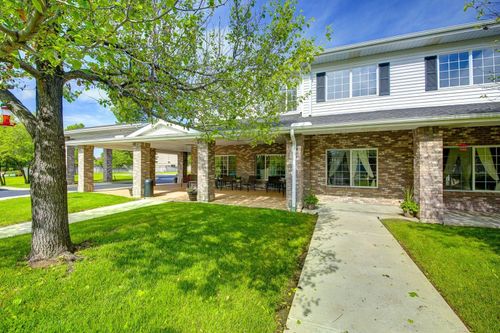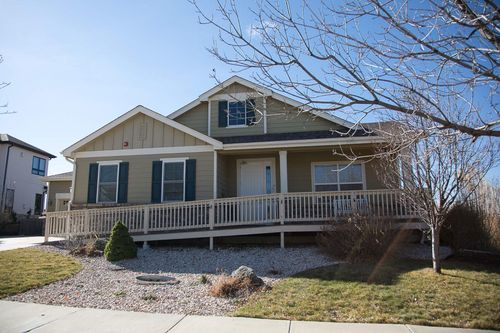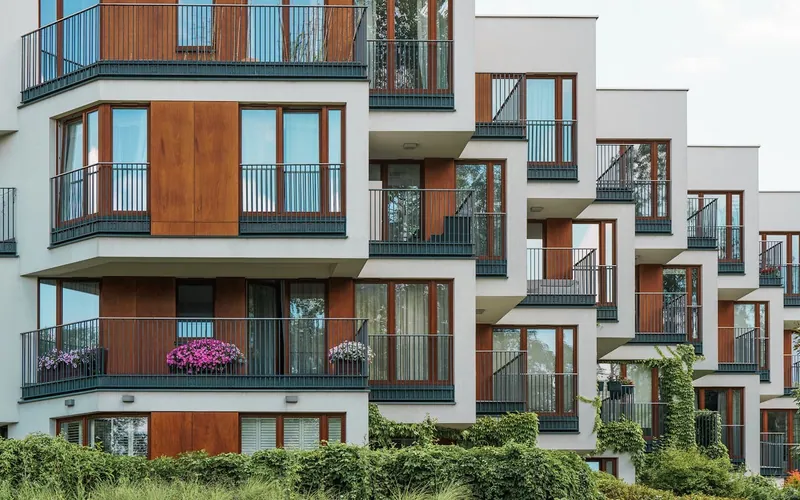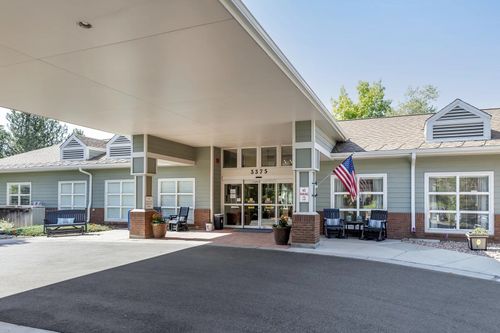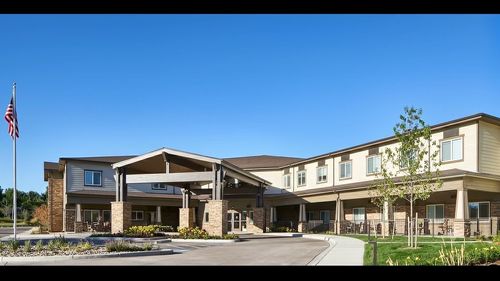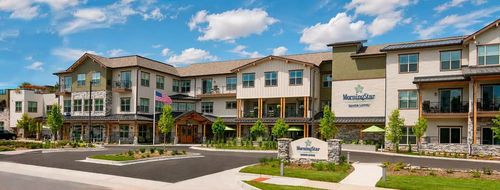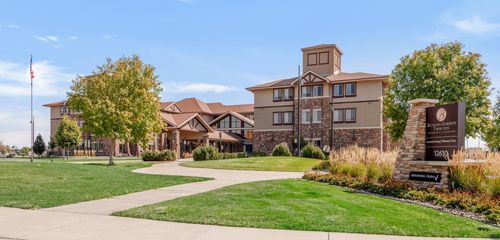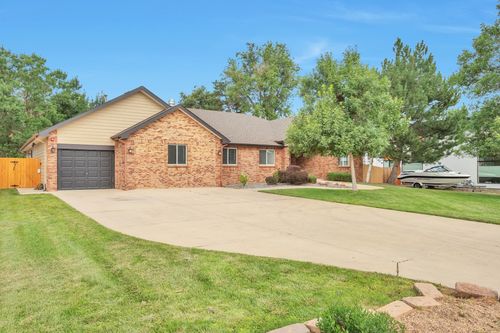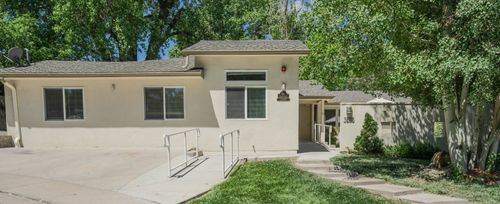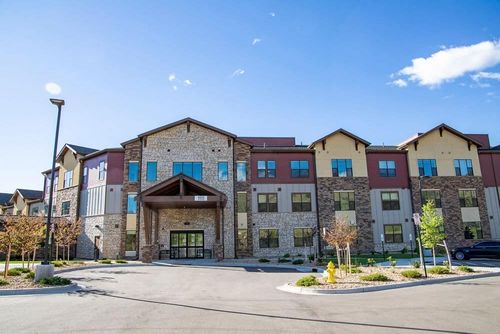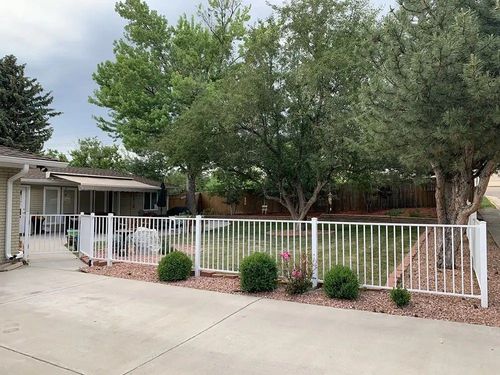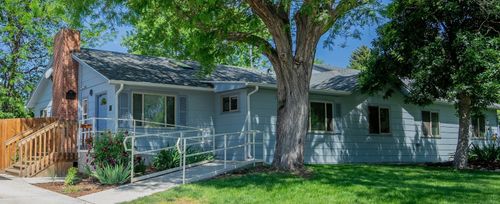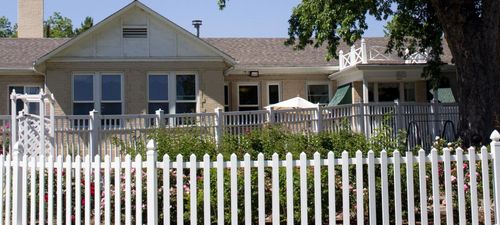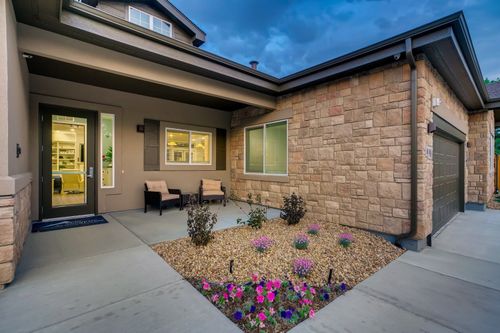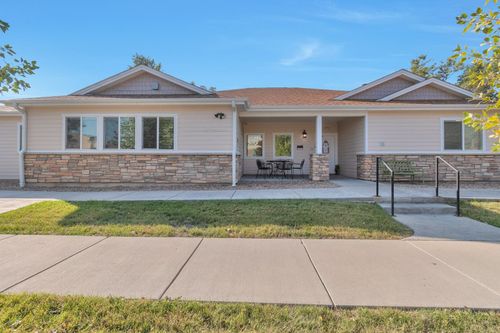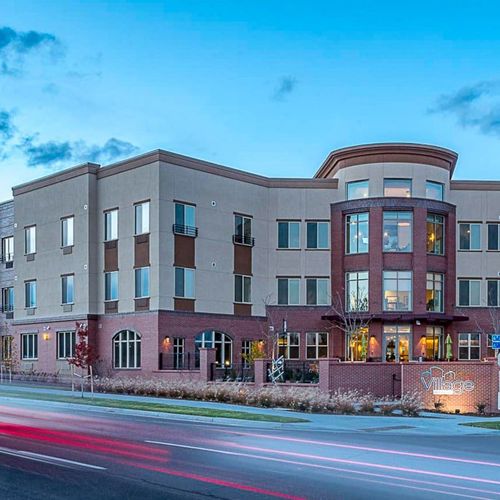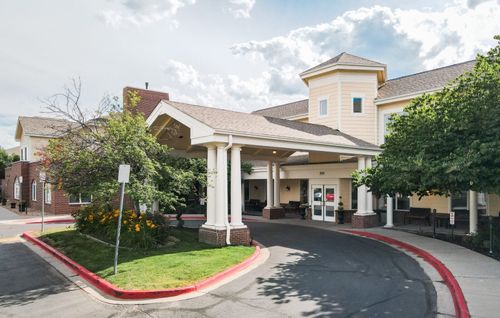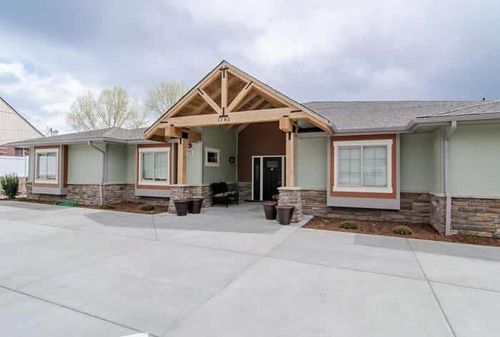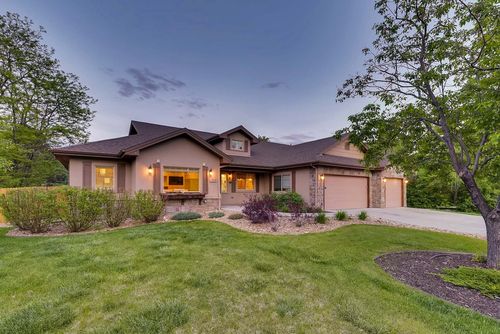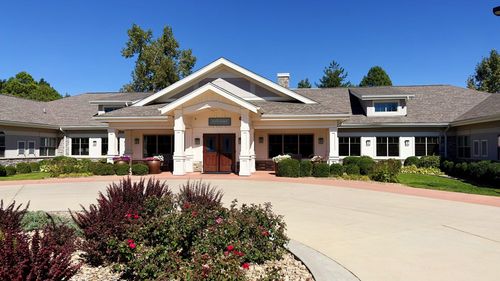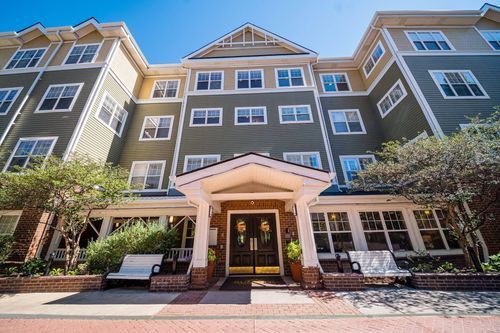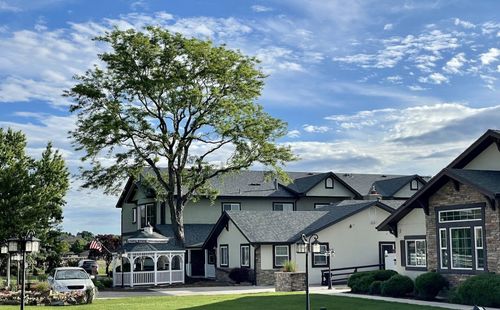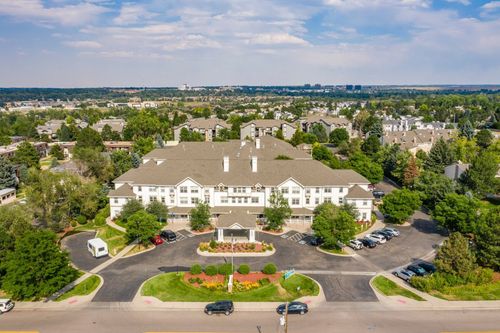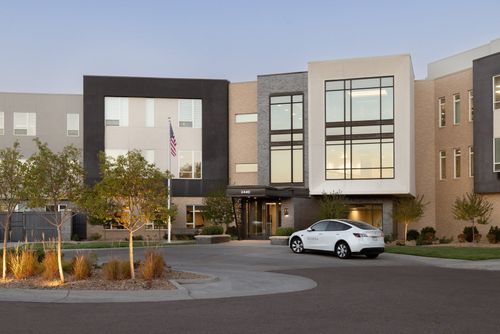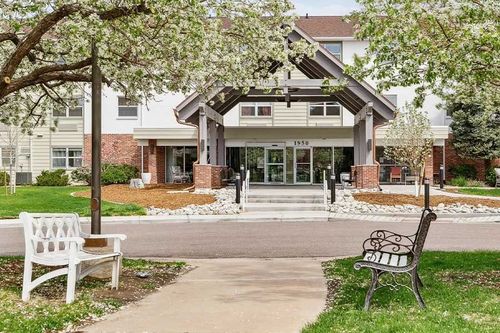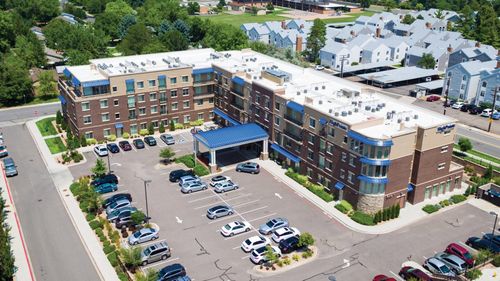


Louisville, Colorado has a small number of memory care options, and two names come up first in most family conversations: Balfour Louisville and Juniper Village at Louisville. The buildings differ in size, with the smaller end feeling more like a household and the larger end operating as a full campus, so the first question is usually whether a secured neighborhood inside a bigger community or a setting designed around dementia from the ground up suits the person better.
That distinction matters more after a diagnosis than it does for general senior living, because door design, outdoor access, and how staff are grouped all shape an ordinary Tuesday for someone living with memory loss.
Secured Spaces, Staff Rhythms, and the Shape of a Day
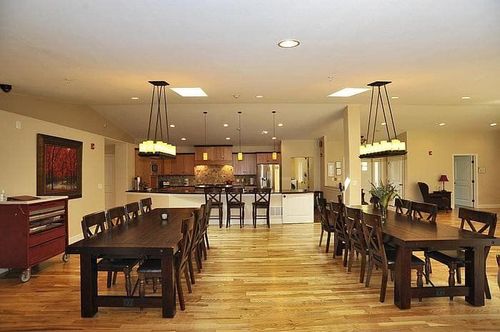
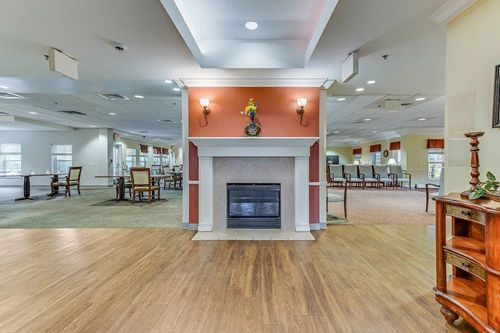
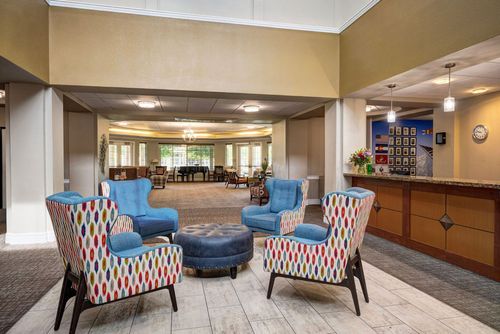
Inside a memory care neighborhood, doors are secured and residents move through shared rooms and enclosed outdoor areas without needing to ask permission at each turn. Families comparing Balfour Louisville with Juniper Village at Louisville tend to look closely at the layout: how long a hallway runs before it loops back, whether a resident can see the dining room from the living area, and how quiet the evening hours feel.
Daily support covers bathing, dressing, medication reminders, and meals, wrapped in a predictable sequence so mornings and afternoons feel familiar. Activities lean toward music, simple crafts, gentle exercise, and time outdoors rather than a crowded calendar, since a steady routine tends to settle people better than variety does.
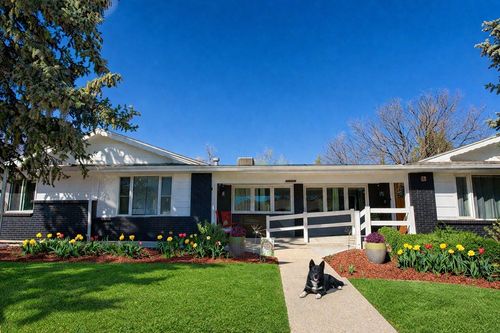
Staffing depth is worth asking about by shift, especially overnight, because the person who knows a resident's habits is often the difference between a calm evening and a restless one. One community in this field welcomes pets, which can matter a great deal to someone whose dog has been a lifelong companion.
Understanding Monthly Costs for Dementia Support
Families in Louisville typically see memory care begin near $6,800 a month, and that figure is a starting point rather than a final bill. Both communities listed here anchor to the same entry level, so the real difference shows up after the assessment, when the amount of hands-on help sets the care tier and the monthly total moves with it.
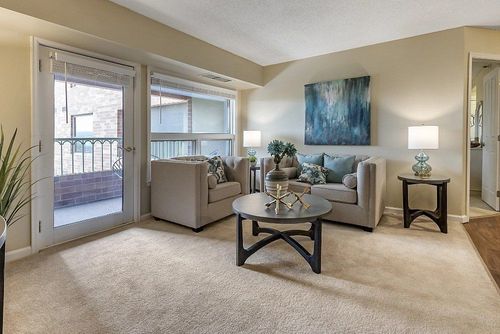
Three things tend to shift the number: the size and type of the room, the level of personal assistance a resident needs for bathing, dressing, and medications, and whether the secured neighborhood sits inside a larger campus with its own dining and activity spaces. Costs across the area read as from $6,800/mo, which gives a sense of where entry pricing sits before individual care needs are added.
Medicaid waiver acceptance is not something families here should plan around, so private funds, long-term care insurance, and veterans benefits usually carry the cost. Sorting out which of those apply early keeps decisions from being rushed later.
A Growing Need Along the Front Range
Boulder County's older population keeps growing, and Louisville sits in the middle of that shift, with long-term residents choosing to stay in town as their needs change. Because the number of memory care communities here is small, openings do not appear on a predictable schedule, and a space that suits a particular person can be taken within days of becoming available.
Families who start looking soon after a diagnosis, rather than waiting for a crisis, usually have more room to compare settings and visit at different times of day. That lead time is often the largest advantage a family can build for itself in a market this size.
What Draws Families to Memory Care in Louisville
Many families choose Louisville because it keeps a person close to the neighbors, church, and favorite coffee shop they already know. Staying within the same town means grandchildren can stop by after school, and a spouse who is still at home can visit daily without a long drive.
The town's compact layout also helps with the practical side of care, since doctor appointments, pharmacies, and errands sit within a short distance of both communities. For someone with dementia, familiar streets and faces outside the building can reinforce a sense of belonging even after a move.
There is also comfort in the structure itself. A secured neighborhood lets a person walk freely and remain safe, which relieves the constant vigilance that falls on a family member caring at home, and it lets visits go back to being about time together instead of tasks.
How a Local Advisor Narrows the Choices
An advisor who works Louisville regularly knows which memory care neighborhoods are likely to have space soon, how each community handles move-in timing, and which layouts suit someone who paces versus someone who prefers a quiet corner. That includes how a hospital discharge date fits with a move-in date, so a family is not forced into a rushed decision from a hospital bed.
Medicaid timing deserves attention even here, since waiver acceptance is not part of the local picture and families benefit from planning other funding paths early. Matching a person to a building comes down to the room, the routine, the staffing feel, and the budget, and the advisor can compare those side by side so the list shrinks to the places worth visiting.
If you are still sorting through what fits, you can reach out for a short conversation about memory care in Louisville, and we can talk it through at whatever pace feels right.
Our directory for Louisville continues to grow as we evaluate providers for quality and alignment in 2026. Reach out for a conversation about memory care in Louisville, or look through the communities we have vetted at your own pace.