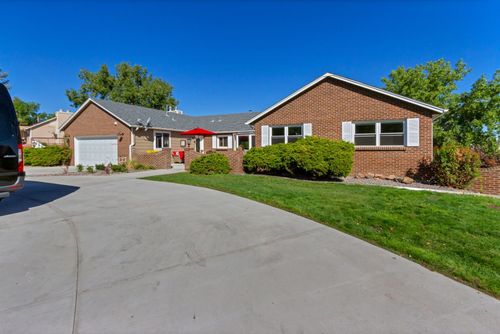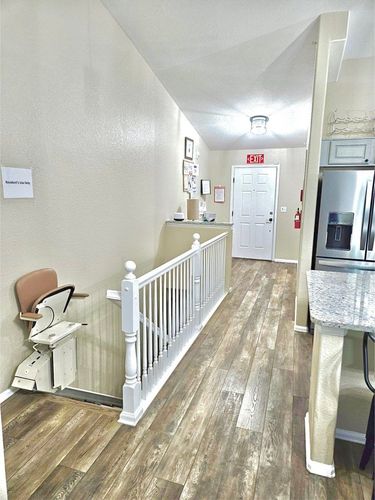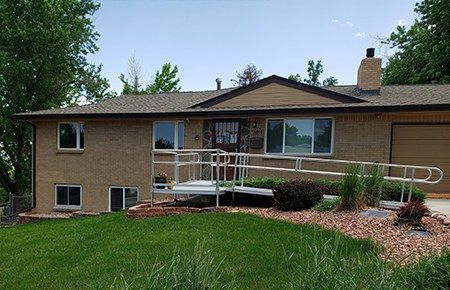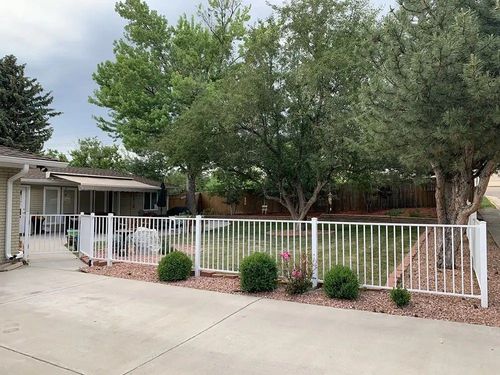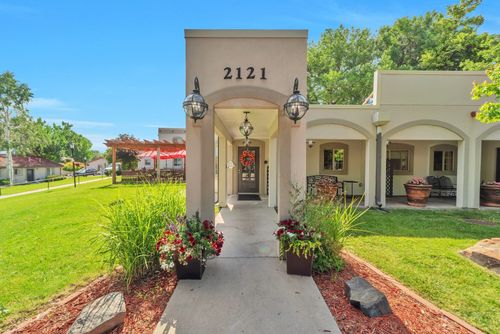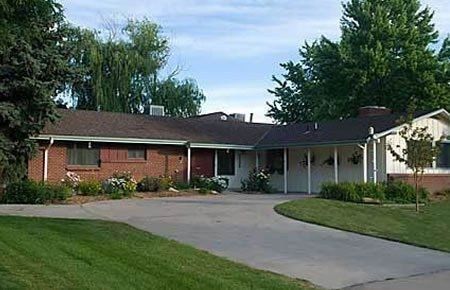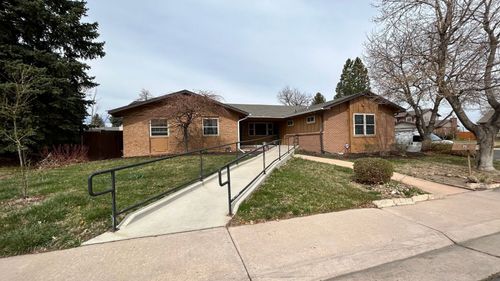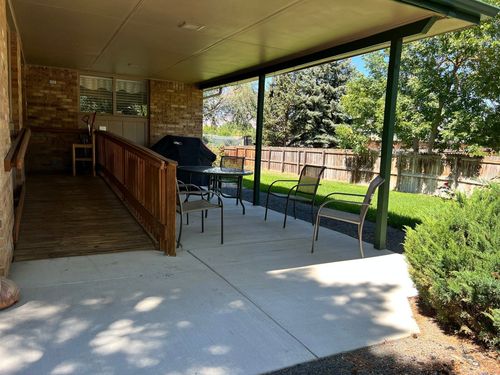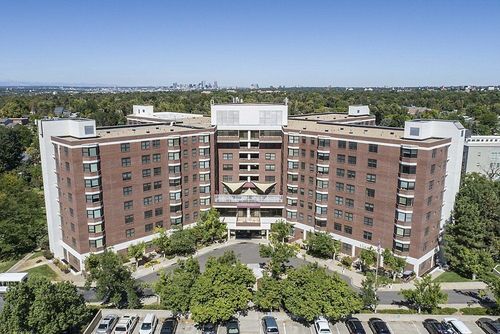

Balfour Louisville is the name that comes up first when families start comparing assisted living in this Boulder County city, and it sits within a market made up of a small number of communities. A field that size changes how the search works. Instead of scrolling through dozens of options, families here tend to look closely at each community's apartment layouts, dining rooms, and the feel of the hallways, then compare notes with what they know about the neighborhood around it.
Louisville is a place where many residents have lived for decades, and that familiarity shapes what people want from a move. Staying close to the same grocery stores, doctors, and friends often counts for as much as any floor plan.
How Support and Routines Work Day to Day
Assisted living in Louisville is built around help that arrives when it is needed and stays out of the way when it is not. Residents typically have their own apartment, with staff on hand for morning routines such as bathing and dressing, medication reminders, and a steady check on how the day is going. Meals are served in a shared dining room, which gives the day a natural anchor and a place to see neighbors without planning anything.
The rest of the week is shaped by what residents choose. Some build their days around the activity calendar, fitness classes, and outings, while others prefer a quiet morning with a book and a single event in the afternoon. A good local fit is usually one where the staff learn those preferences early and adjust the level of help as health changes, rather than asking a resident to fit a fixed schedule.
Families comparing communities should pay attention to how many residents a caregiver looks after at night, how medication changes are handled, and what happens when someone needs a little more help than they did at move-in. Those answers say more about daily life than a brochure does.
What Drives Monthly Costs Here
Most families researching assisted living in Louisville start near $4,900 a month, though that figure is only a starting point. The monthly bill is usually made up of a base rent for the apartment and meals, plus a level-of-care charge that rises as the amount of hands-on help increases. A resident who needs only medication reminders will pay differently from one who needs help with bathing, mobility, and dressing every day.
Apartment size and location within the building also move the number, as do one-time community fees at move-in. Asking for a written breakdown of what the base rent covers, and how care levels are assessed and reassessed, protects against surprises a year in.
On financing, the Medicaid waiver is not currently a path in this area, since none of the local communities accept it. Families usually rely on savings, long-term care insurance, home sale proceeds, or veterans benefits where they apply, so it helps to map out how long those resources will last before choosing a building.
Who Is Looking, and How Soon
Louisville is home to a long-settled population of older adults, many of whom raised families here and want to remain nearby as their needs change. That kind of local attachment means demand for assisted living tends to come from people already rooted in the city, not only from those relocating to be near relatives.
With a small number of communities serving that demand, openings can be unpredictable. A suite may be available this month and then not again for a while, so families who begin researching early have more room to be choosy. Those who wait until a hospital discharge date is set often find the choice made for them by timing rather than by fit.
One community in the area welcomes pets, which matters more than it may sound. For many residents a dog or cat is a daily companion, and the decision to move often hinges on whether that animal can come along.
Why Louisville Families Choose Assisted Living
Families pick assisted living in Louisville because it lets a person remain close to the people and places that anchor their week. A daughter who lives across town can stop by after work, a longtime neighbor can still drop in for coffee, and the physician who has known a resident for years is often still within a short drive.
There is also the matter of relief. Home maintenance, meal preparation, driving, and medication management add up, and taking them off one person's plate frees time for the things that make a day enjoyable. Spouses often find that a move eases the strain of caregiving and lets them go back to being partners rather than full-time helpers.
Finally, the scale of the local communities suits people who prefer a setting where staff and residents know one another by name. For many, that sense of recognition at breakfast is the clearest sign they have found the right place.
Narrowing the Choice With Local Guidance
A local advisor keeps track of which Louisville communities currently have openings, how quickly suites tend to turn over, and what level of care each building can realistically provide as health changes. That knowledge is especially useful when a hospital discharge is approaching and the family needs a workable plan within days, not weeks. The advisor also understands where Medicaid timing fits in, and can explain plainly why waiver coverage is not a route here and how to plan around that.
The real work is matching a person to a building: the right apartment size, the right dining style, the right distance from family and doctors, and a monthly cost that holds up over time. If you would like to sort through those pieces, a short conversation is a low-pressure way to start, and you can reach out whenever the timing feels right.
The Louisville directory continues to grow as we evaluate providers for quality and alignment in 2026. Reach out for a conversation about assisted living in Louisville, or look through the communities we have vetted at your own pace.