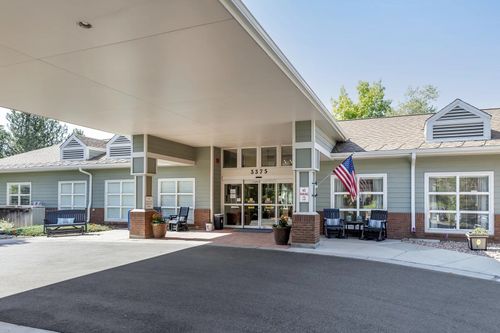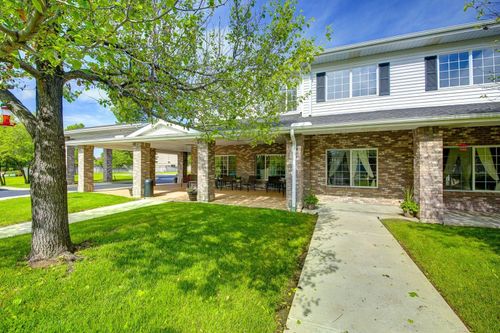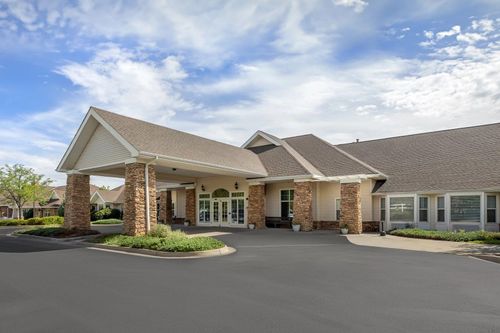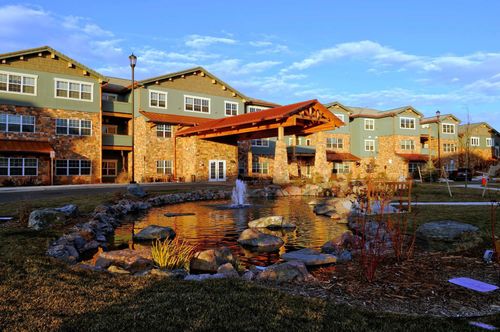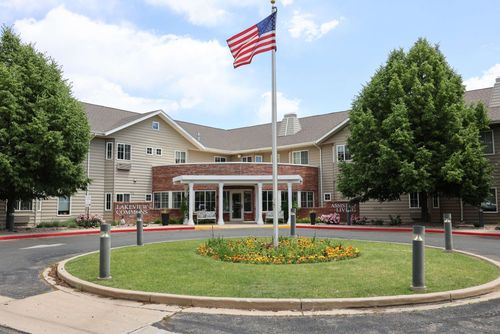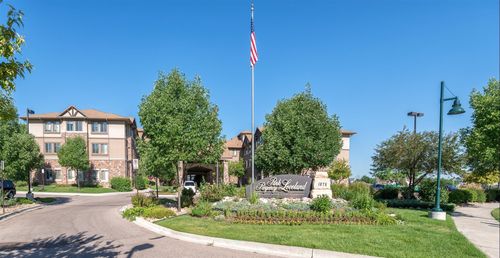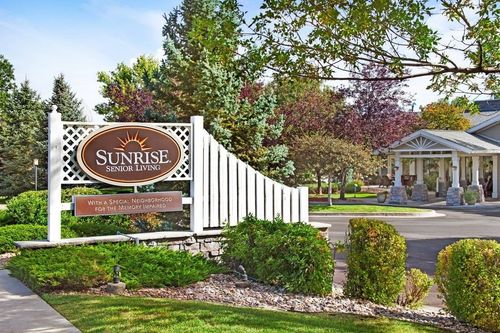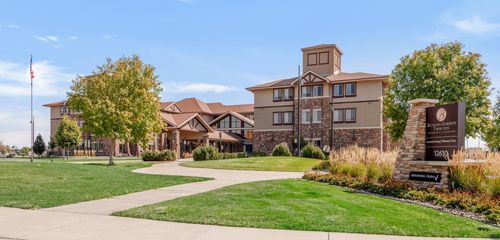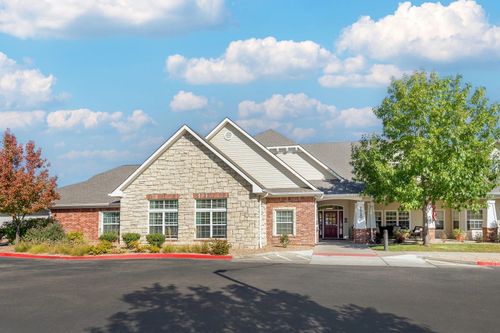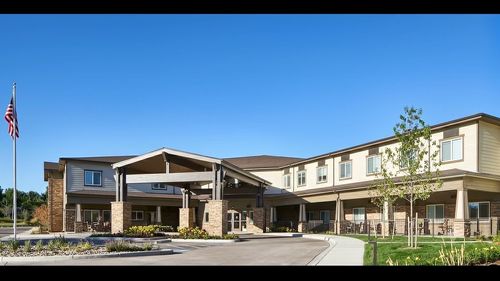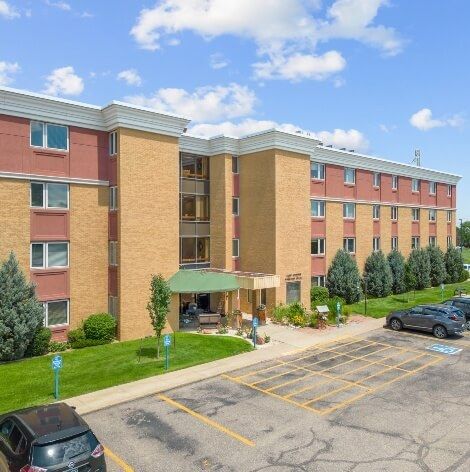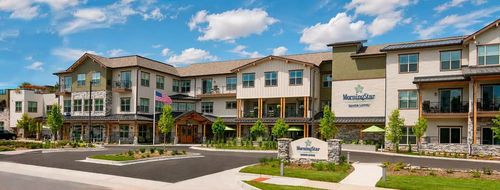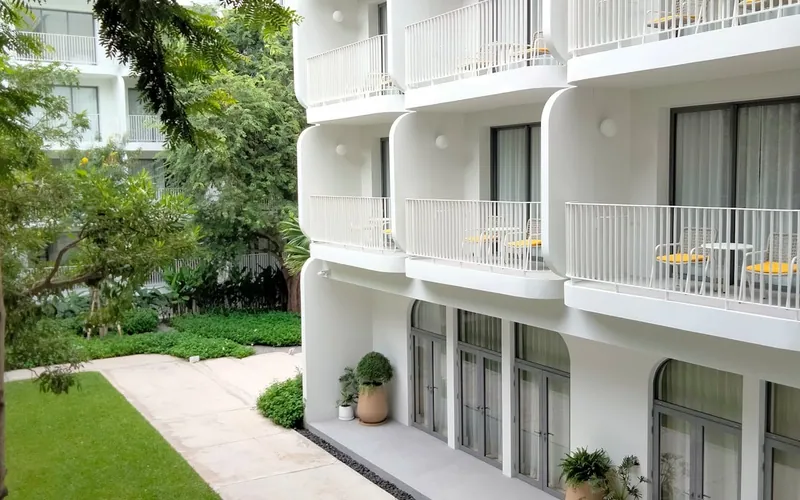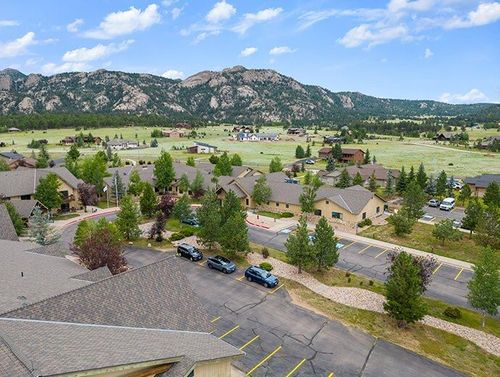




Longmont's memory care is offered by a small number of communities, and they differ in a way that matters for a first search: AltaVita Memory Care, Atria Longmont, and MorningStar Senior Living of Longmont each approach secured living differently. Some families want a building designed around dementia from its floor plan to its dining room, while others are comfortable with a secured neighborhood folded into a larger senior living campus.
That difference shapes the daily feel more than any brochure line. The communities here range from a smaller home of about 56 beds up to a larger community of around 160, so the scale of the surroundings, the walking routes, and the number of faces a resident sees in a day vary quite a bit. Families who begin with this distinction usually narrow the choice faster.
How Days Are Structured for Residents
In secured memory care, the routine is the support. Meals, activities, and rest periods come at predictable times, and staff learn each resident's habits so a morning can start gently instead of being rushed. Help with bathing, dressing, medications, and mealtimes is woven into that rhythm rather than handled as a separate task.
The secured design lets residents move freely indoors and, where a community has a protected courtyard, outdoors too, without anyone needing to guard the door. Families in Longmont often ask how staff respond when a resident becomes restless in the late afternoon, how activities are adjusted as abilities change, and how visits are scheduled. Those answers differ between a purpose-built building and a wing inside a larger campus, and they are worth comparing side by side.
What Memory Care Costs Along the Front Range
Starting prices for memory care in Longmont are clustered closely: local communities begin around $6,974 a month, and the area's starting range is $6,500 - $7,795/mo. That tight band reflects a market where the daily care is similar in cost and the real differences come from what sits on top of the base rate.
The main drivers are the level of hands-on help a resident needs, the room type, and whether the base rate already includes things like incontinence supplies or medication administration. A resident who needs two-person assistance with transfers will usually be priced differently from one who mainly needs cueing and supervision. Because the aggregate shows no Medicaid-accepting communities locally, most families here plan on private funds, long-term care insurance, or veterans' benefits, and starting that conversation early keeps options open.
Demand From Longmont's Older Residents
Boulder County's older population keeps growing, and Longmont sits in the middle of that trend, with long-time residents aging in place alongside retirees who moved closer to grandchildren. With only a small number of memory care communities in town, openings in a specific building can be limited at any given time.
Families tend to feel that most when a diagnosis moves from early to moderate stages and the need for a secured setting becomes clear within a few months. Looking at more than one community early gives a family breathing room, even if a move is still some time away.
Why Families Settle on Longmont for Memory Care
Most families choose Longmont because it keeps a person with dementia close to the people and places they already know. Spouses can visit daily, adult children can drop by after work, and a familiar doctor or church often remains within a short drive.
There is also a practical reason: staying local makes frequent, shorter visits possible, which tend to suit someone with memory loss better than occasional long ones. One pet-friendly community among the local options matters to families for whom a companion animal is part of daily comfort, and the mix of purpose-built and campus-based settings lets families choose the scale that suits the person.
Where Local Guidance Helps
A local advisor follows which Longmont communities currently have openings, how long waits have been running, and which buildings tend to suit a particular stage of dementia. That includes knowing how the secured neighborhoods differ in layout and how each handles a resident whose needs increase over time.
Because Medicaid is not accepted among the local communities, the advisor also helps families map out private-pay timing, veterans' benefits, and what to do if funds may run short later. For hospital discharges, the advisor can coordinate timing so a move lines up with a bed becoming available, and can narrow the choices to the buildings that fit the person's needs, budget, and distance from family. If you are early in the process, a short conversation can make the next steps clearer.
We keep expanding our Longmont coverage as we evaluate providers for quality and alignment in 2026. Start the conversation about memory care in Longmont, or look through the buildings we cover at your own pace.