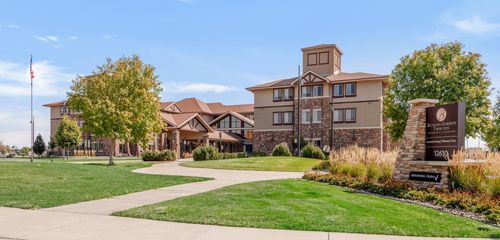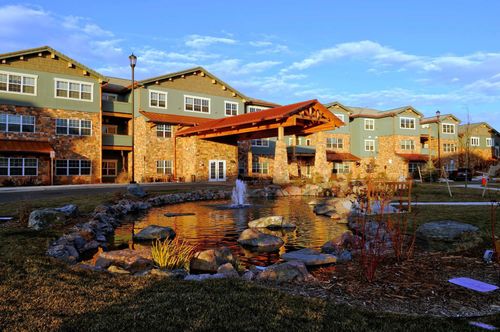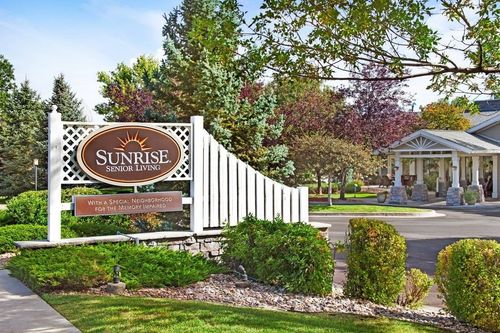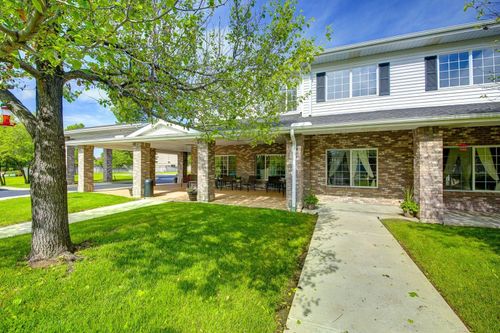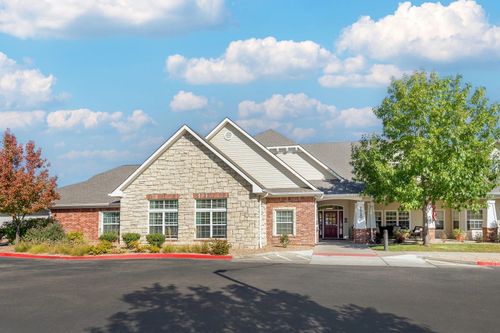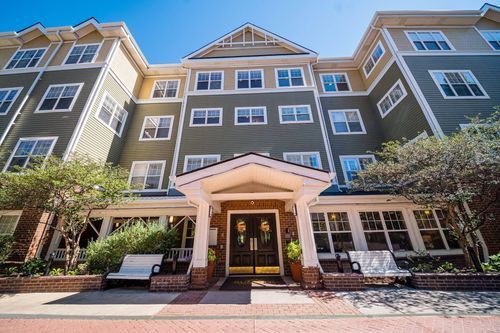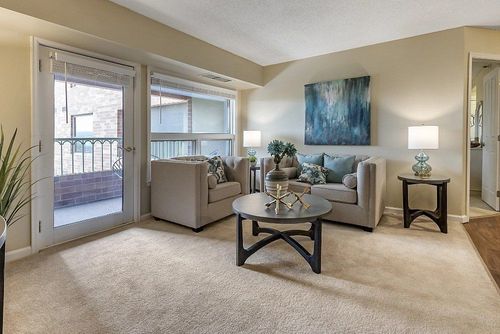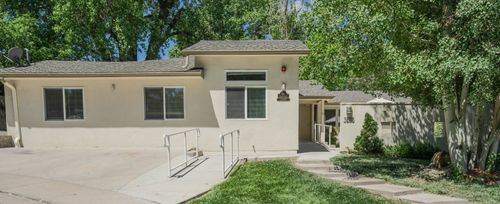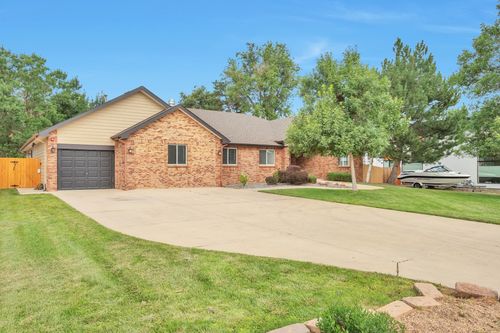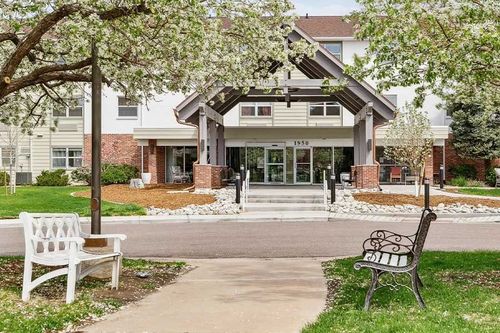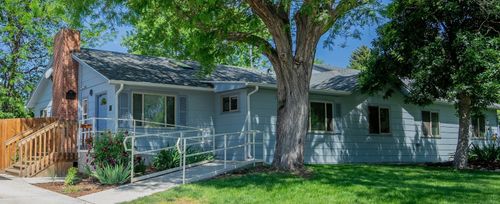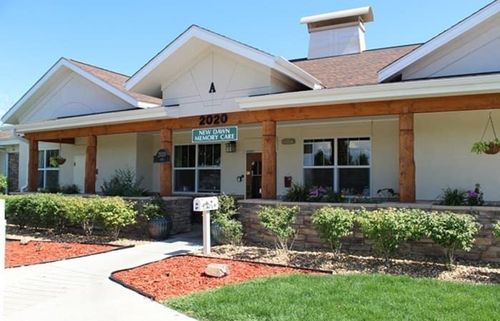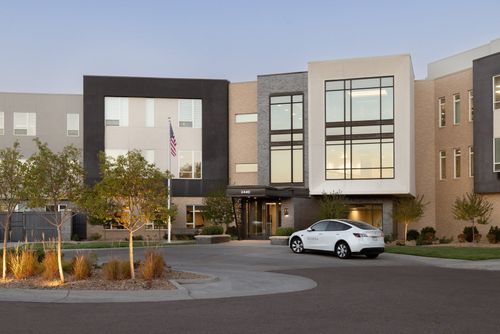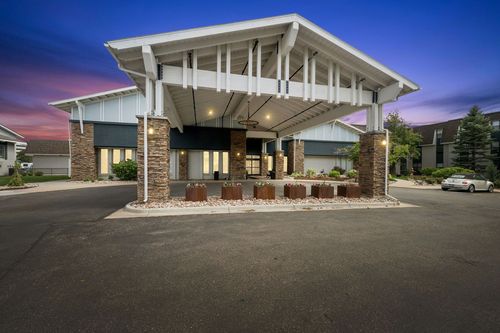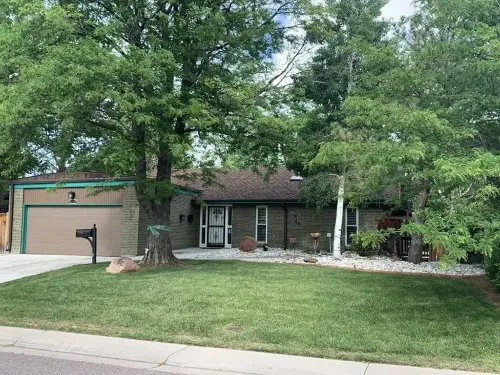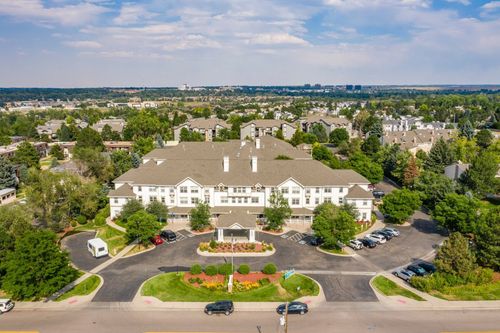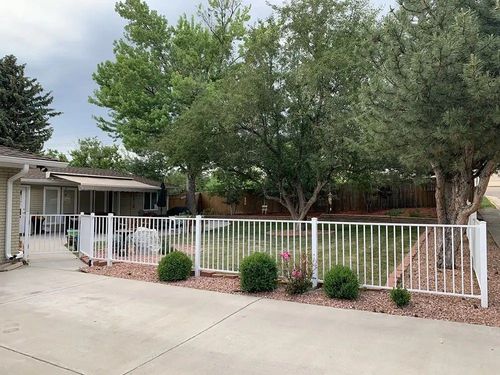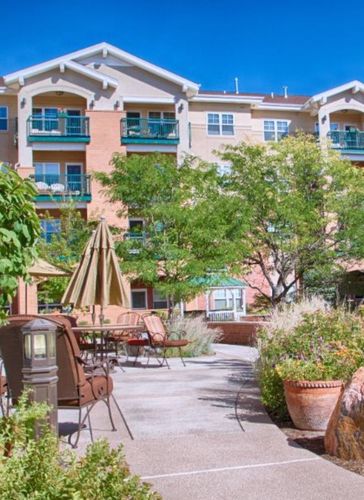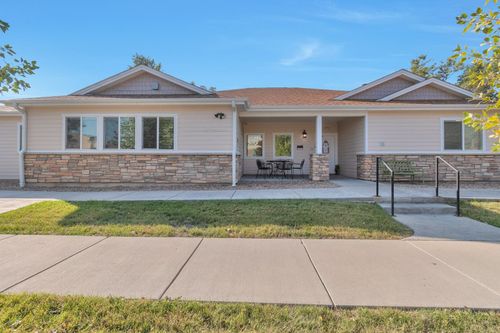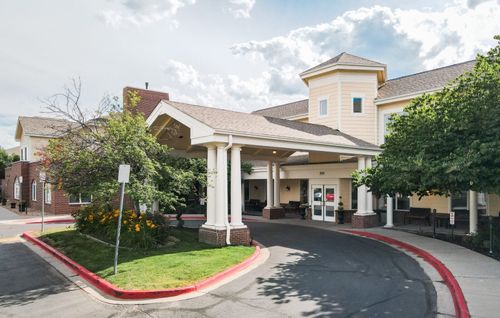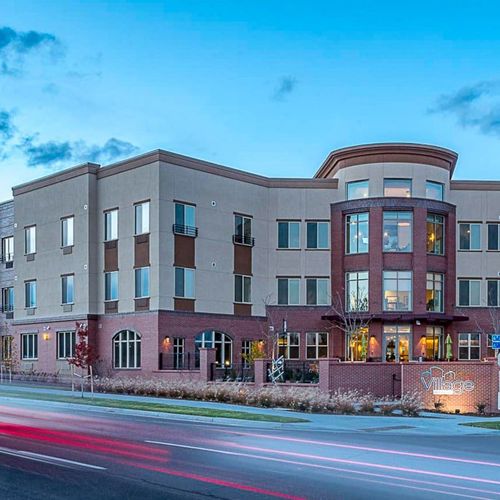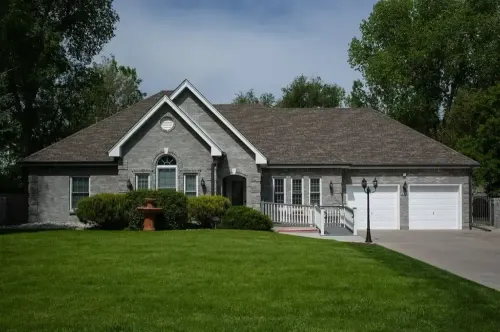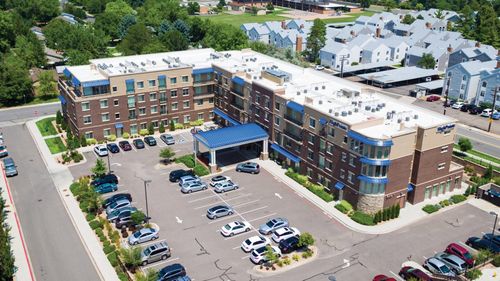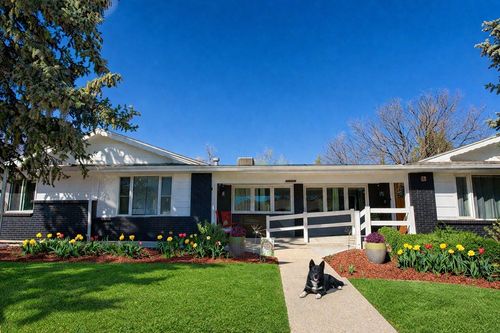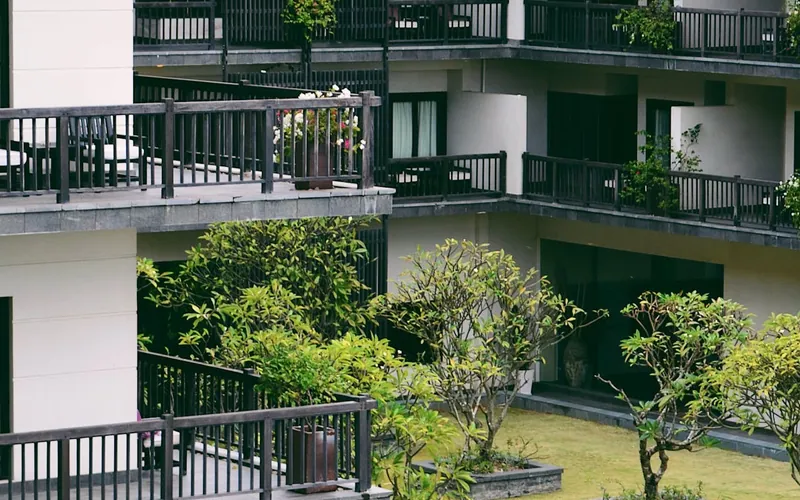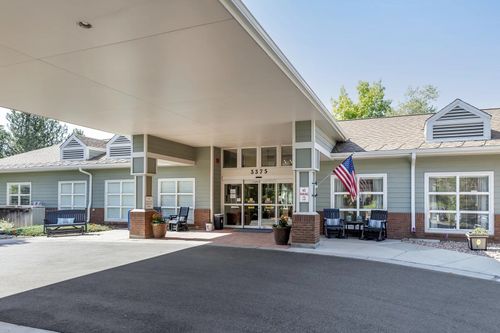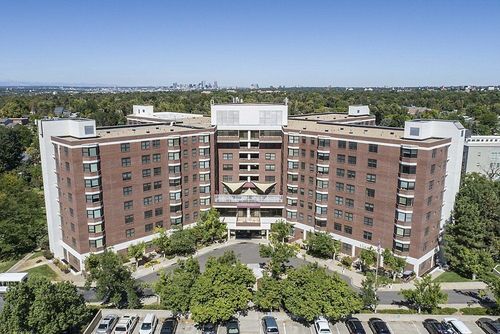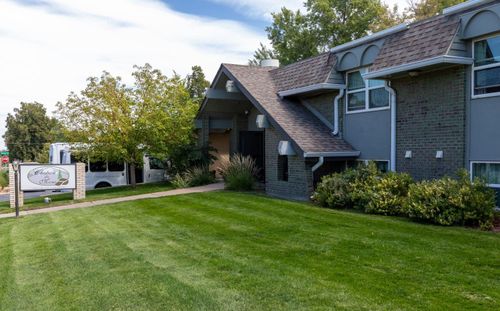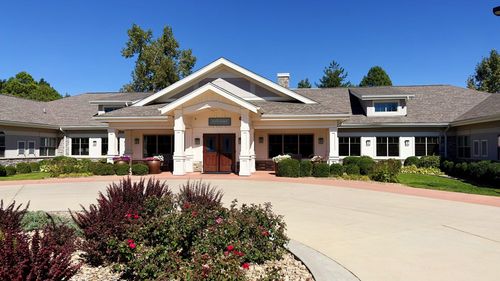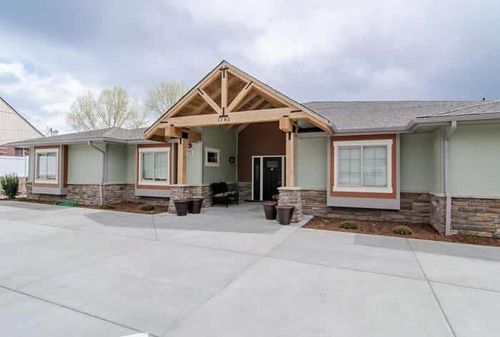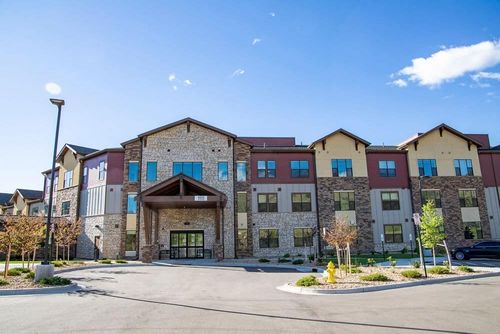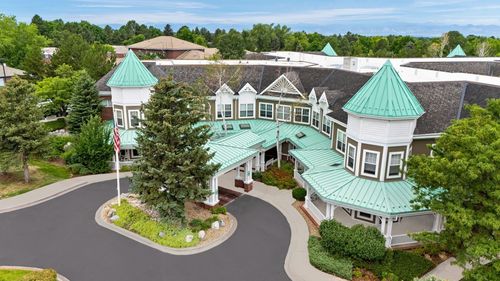

Memory care in Brighton, Colorado is a small field, with a small number of communities listed for the city, and Lighthouse on Florence is the one families will meet first when they start comparing. A short list has a practical benefit for a family facing a new dementia diagnosis: there are fewer addresses to learn, and each one can be looked at closely.
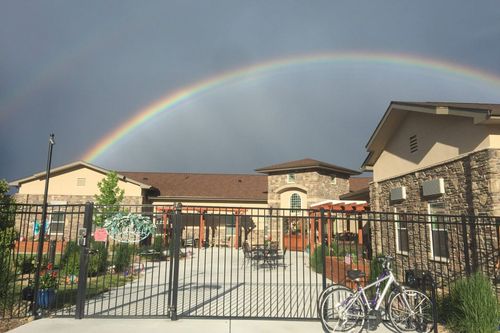
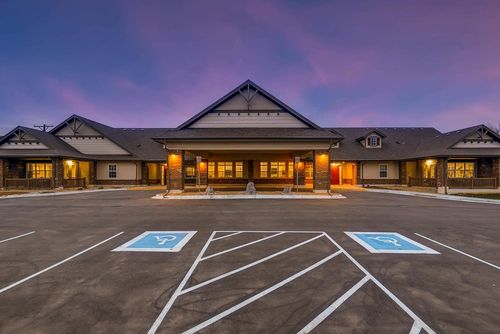
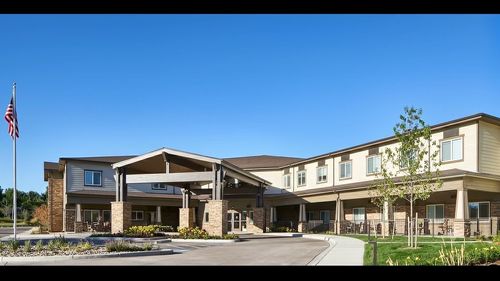
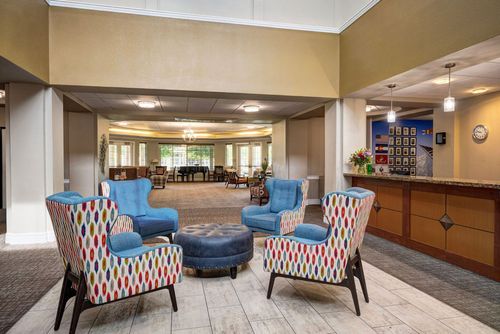
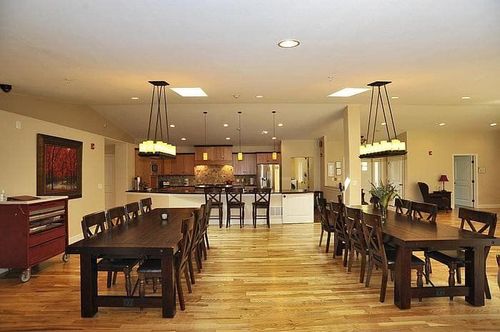
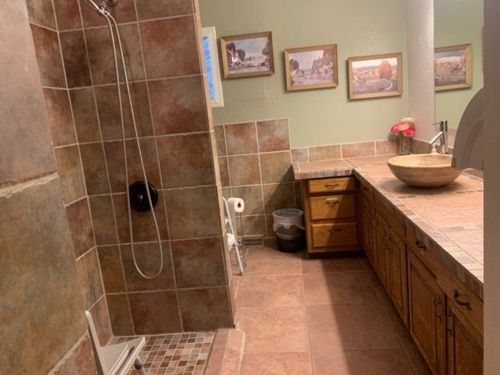
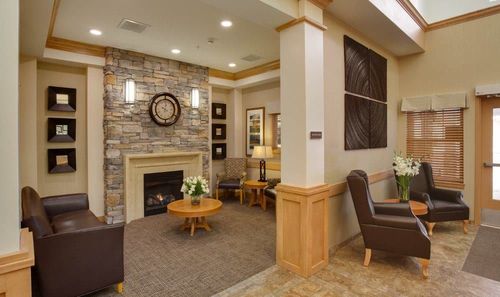
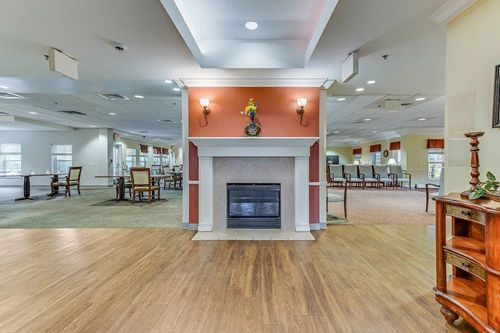
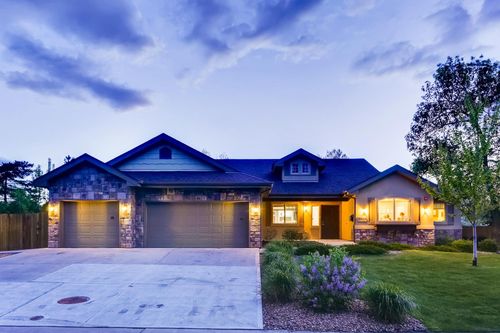
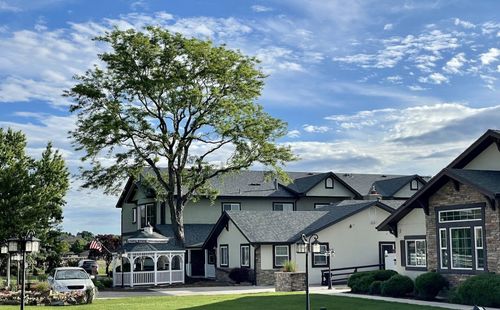
What matters most at this stage is the physical setup. Families should ask whether the secured space is a purpose-built neighborhood or a wing inside a larger building, how residents move between the secured area and shared rooms, and whether the layout is calm and easy to read for someone who is easily disoriented. Those questions shape daily comfort more than any brochure.
How a Day Is Supported Inside a Secured Setting
In a memory care community, the day is built around routine. Meals, bathing help, medication reminders, and activities tend to land at the same times each day, because predictability lowers confusion for people living with dementia. Staff members know each resident's preferences, such as whether mornings go better with a quiet start or a familiar song, and they adjust the pace to match.
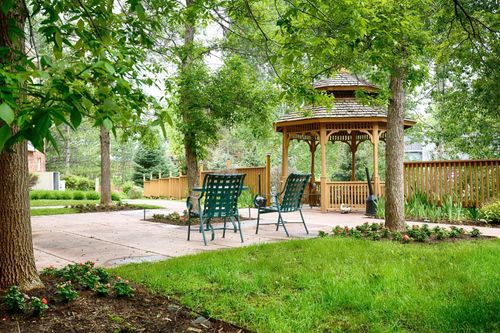
Secured doors and monitored common areas let residents walk freely without the family worrying about where they are. Activities usually lean toward the hands-on and familiar: folding laundry, simple crafts, music, short walks in an enclosed space. Families can visit at ordinary hours, and many find that shorter, more frequent visits go better than long ones. When evaluating Lighthouse on Florence or any other Brighton option, ask how staffing is arranged overnight and how the team responds when a resident has a difficult afternoon.
What Memory Care Costs in Brighton
Most Brighton families begin their planning near $6,800 a month, and the local range runs from $6,800/mo. Memory care sits above standard assisted living because of the added staffing, the secured layout, and the more frequent hands-on help with daily tasks. The final monthly figure depends on how much care a resident needs, the room type, and whether personal care is bundled into the base rate or billed in tiers.
Payment planning deserves attention early. Medicaid-accepting memory care is difficult to find in this part of Colorado, so many families rely on savings, long-term care insurance, or veterans benefits where they apply. Asking what triggers a move to a higher care tier, and how often rates are reviewed, prevents surprises a year in.
Demand for Dementia Care Around Brighton
Brighton has been growing steadily, and its older residents are a growing share of that change. Dementia care is a need that tends to rise with the number of people living into their eighties and nineties, so a city with a small set of memory care communities can see openings come and go quickly.
Availability is rarely predictable. A room may be open this week and filled the next, and families who decide in a hurry often have fewer choices than those who have had an early conversation. Learning the local options before a crisis gives a household room to choose a setting that fits, rather than accept the first available bed.
Why Families Choose Memory Care in Brighton
Many families want a loved one to stay close to the neighborhoods, churches, and doctors they already know. Choosing memory care in Brighton keeps visits short and easy, which matters when a spouse still drives or a grandchild wants to stop by after school. Familiar streets and nearby faces often help a resident settle more comfortably than a move across the metro area would.
Families also value what a dedicated setting provides: trained staff, a secured environment, and a day arranged around cognitive needs rather than squeezed in alongside other care types. When home support has become stretched, a community like Lighthouse on Florence can restore steadier routines for the resident and real rest for the family caregivers.
Local Guidance for Brighton Memory Care Decisions
A local advisor keeps track of which Brighton communities currently have openings, how quickly rooms tend to fill, and what each building's secured space is actually like in person. That knowledge saves families from calling around blind. The advisor can also explain how Medicaid timing works when savings begin to run down, and how to prepare paperwork before it becomes urgent.
For families coming out of a hospital stay, the advisor can coordinate with discharge planners so the move happens on a realistic schedule. Matching a resident to a building depends on the details: the layout, the pace of the day, the personality of the staff, and the budget. If any of that feels like too much to sort out alone, a short conversation is a gentle way to talk it through at your own pace.
Our Brighton directory keeps expanding as we evaluate providers for quality and alignment in 2026. Reach out for a conversation about memory care in Brighton, or browse the communities we have vetted at your own pace.